Recommendations of the season
The five top spots to view vivid autumn foliage
Sweeping in with autumn is a vivid change in coloration around the tourist hotspots of Wakayama Prefecture. Come to see for yourself the superb foliage of Wakayama’s historical temples and wilderness hiking trails.
Whether it is the spirituality of the lively displays of leaf at our shrines and temples, valleys cloaked in stunning shades of red, or towering golden large gingko trees, we showcase foliage hotspots with a plethora of different charms, as well as the best places to stop by for a break after you have had your fill of amazing sights. Do not miss the chance to kick back for a cup of tea or a flavorsome meal in a café or restaurant – and be fulfilled in both body and soul.
Negoroji Temple, Iwade City
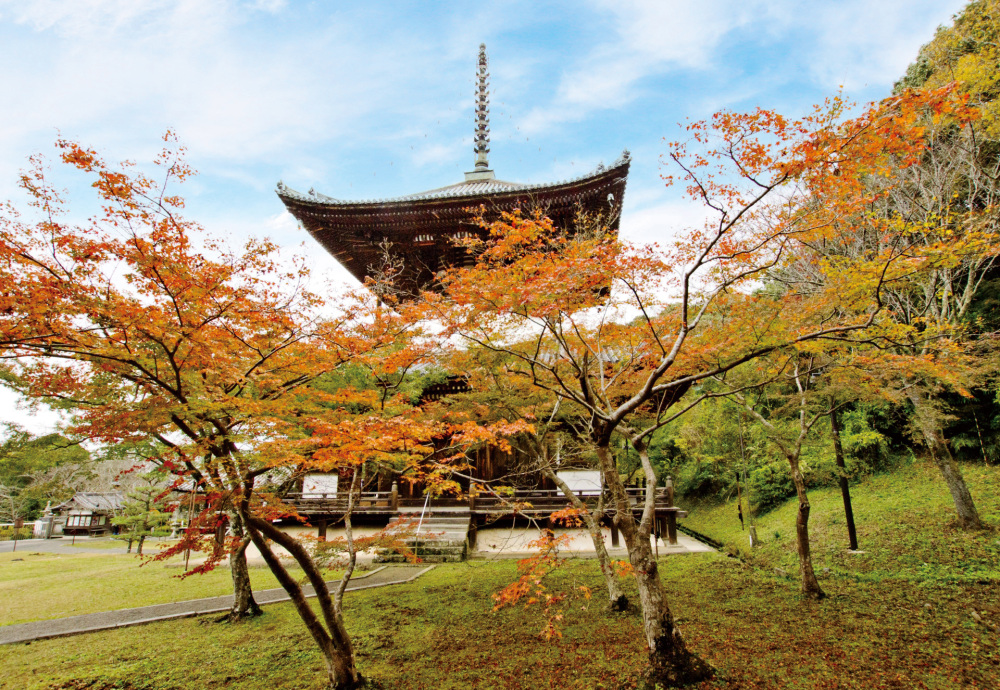
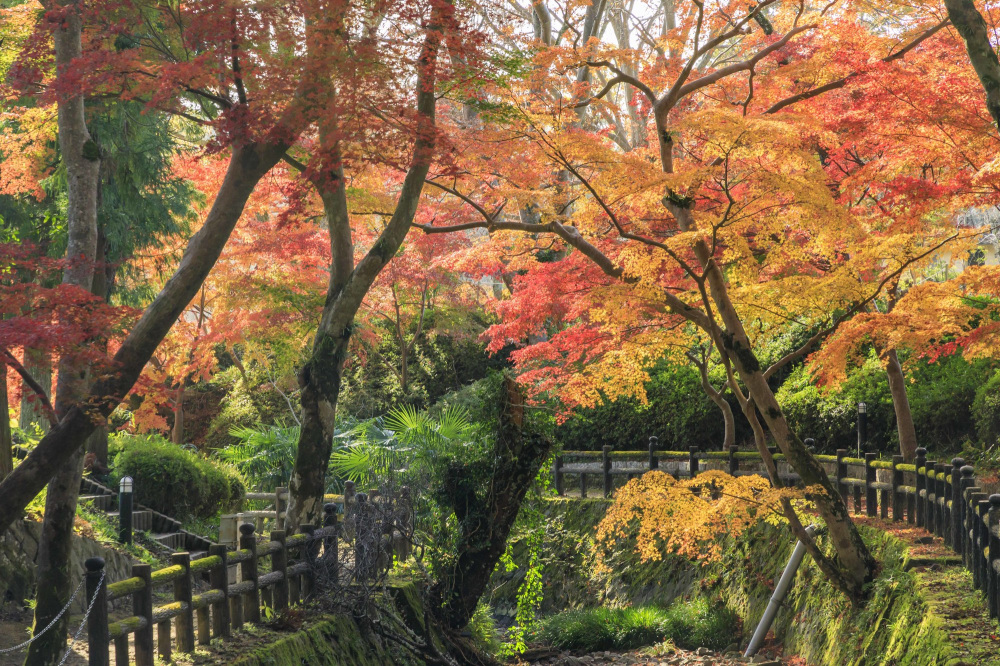
Negoroji Temple is known for a number of important cultural properties including Daito, the largest wooden pagoda in Japan and designated National Treasure, Daidenpodo hall and Daishido hall. The temple is also famous for the botanical beauty in every season, including cherry blossoms in spring and lotus flowers in early summer. Foliage season typically peaks from mid-November to early December, when the whole scene turns shades of gold and orange in brilliant contrast to the vermillion Daito pagoda and the Main Hall. A popular walking spot within the grounds is the Japanese garden in Momijidani (maple valley), which produces stunning color at this time of year. The views from the bridge are second to none. As the mountains behind the temple turn a shade of red and yellow too, the whole temple appears to be in the grip of an autumn foliage wave.
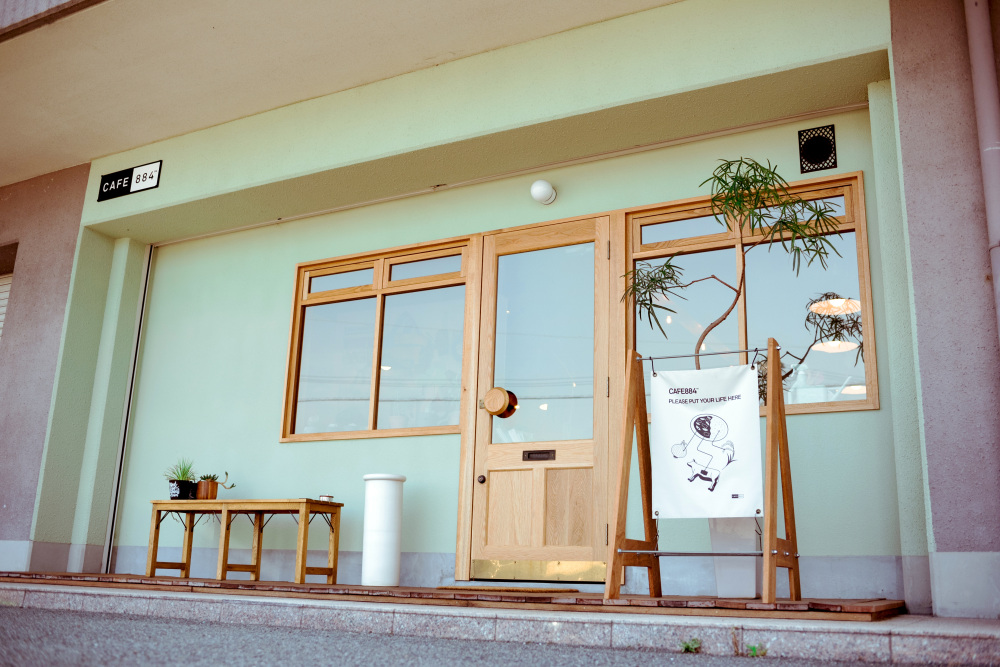
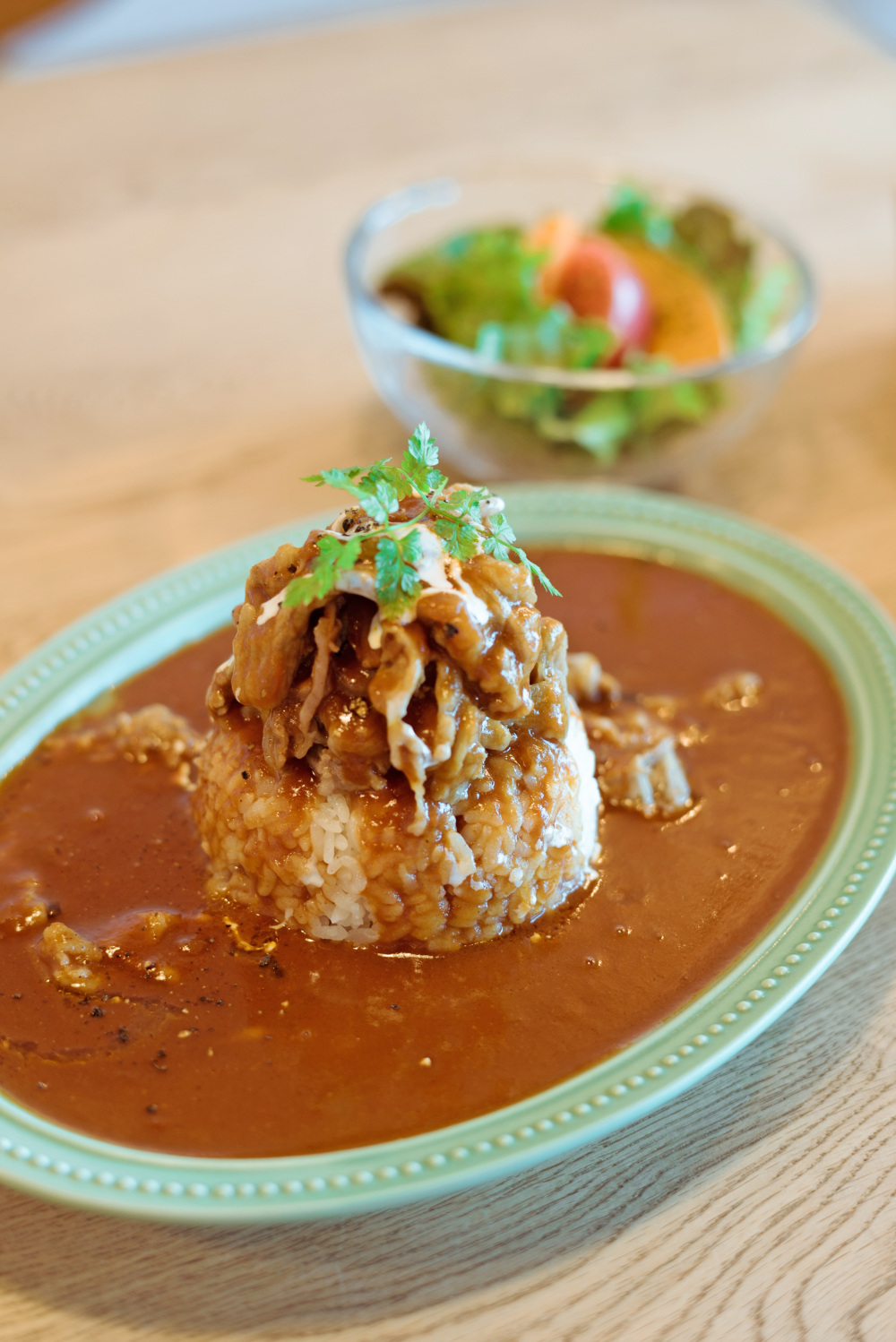

CAFE884
A café and restaurant that sports an eye-catching pale green exterior. With a relaxed, homely feel inspired by the wooden décor, this is a fine spot for lunch or a coffee break. The hit item on the lunch menu here is the Hayashi rice topped with home-cooked roast beef and egg yolk. Also on offer are sandwiches with fillings normally found on rice dishes as well as sweet sandwiches. The menu also has desserts such as parfaits of local, seasonal fruits, so this is just the place to visit after a walk under the falling leaves or for a post-meal dessert.
Tamagawa-kyo Gorge/Kudoyama Town, Ito District, Hashimoto City
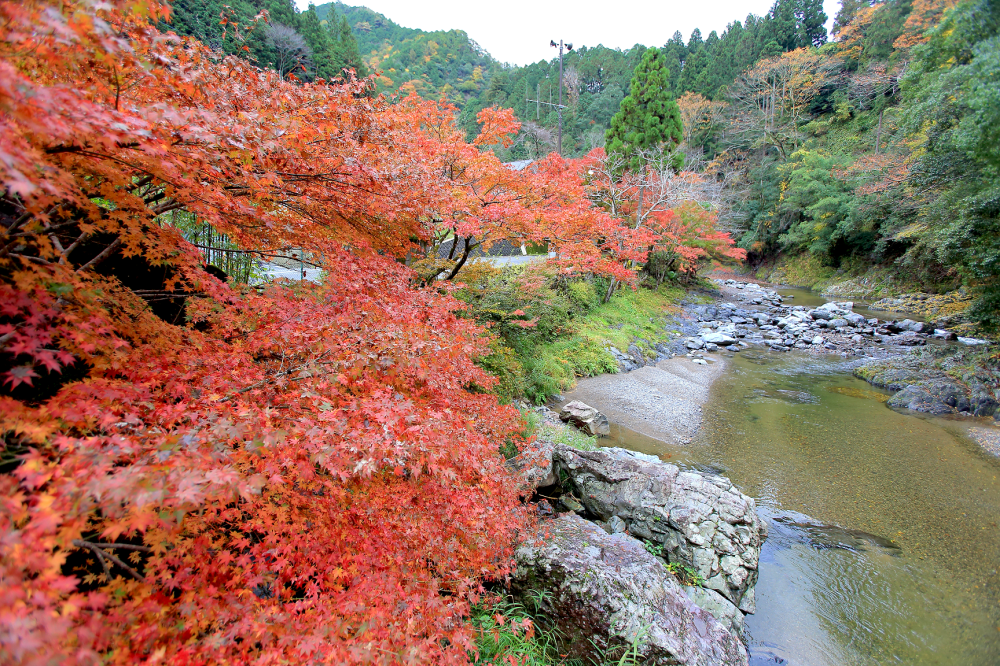
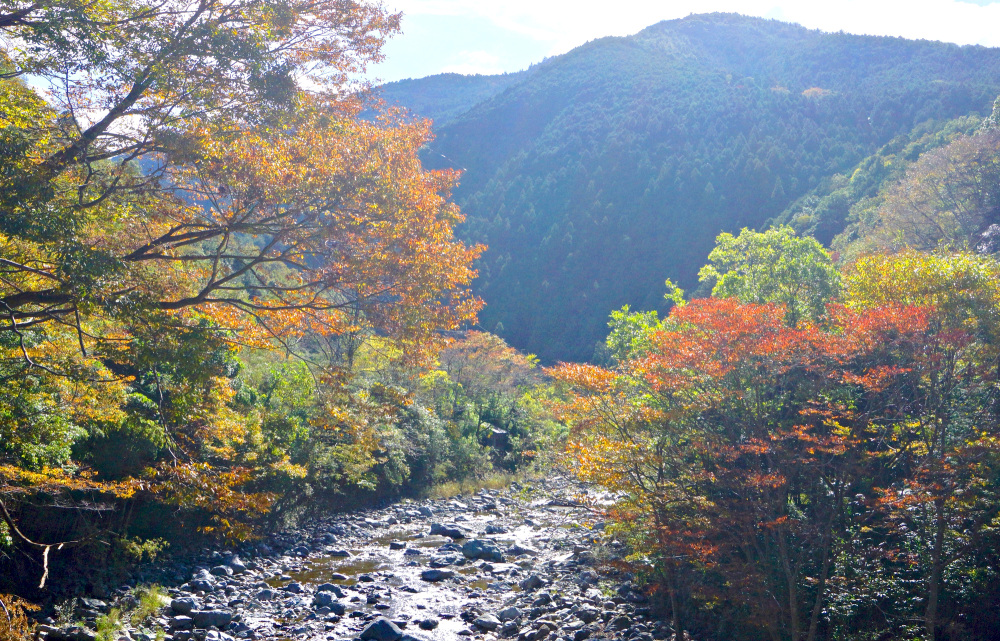
Tamagawa-kyo Gorge is known for its unique beauty, created by waterfalls large and small such as Mitsu Falls and Niyu Falls, as well as strange rocks such as Kame-ishi (Turtle Rock) and Sarutobi-ishi (Flying Monkey Rock). The gorge is on the Nyu River, which flows down from one of the Three Mountains of Koya (Koya Sanzan), Mt. Mani, and is designated as a Prefectural Place of Scenic Beauty. Amazing views are to be found in all seasons, whether it is the cherry blossoms, the bright green foliage of spring, the fireflies of summer or the snowscapes of winter. Typically from early to mid-November, the maples, ivy and lacquer trees begin to color and in this season, the whole valley turns shades of red and gold. On a refreshing hike immersed in natural negative ions, take in the palette of bizarre rocks, waterfalls and vivid foliage, also reflected in the river’s surface. Route 371, which follows the river, is dotted with hot springs, giving you an opportunity to soak in a steaming tub as you gaze into the distance.
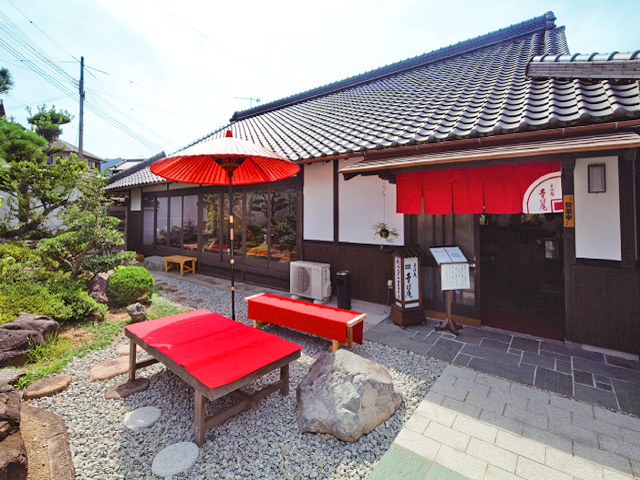
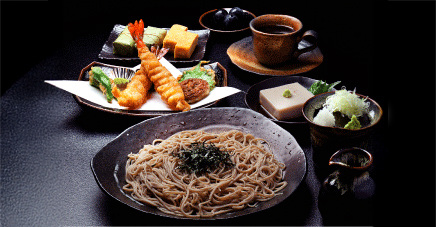
Yukimura An – Soba restaurant
A famous restaurant selling authentic handmade soba noodles named after a samurai said to be Japan’s foremost warrior, Sanada Yukimura. The interior of the refurbished traditional house is filled with Japanese atmosphere. What a spot this is to enjoy smooth and flavorful soba noodles made with the famous local spring water. All of the menu offerings are superb, be it the simple mori soba (heaped chilled soba noodles with dipping sauce), kake soba (hot soba noodle soup) or tempura soba, made with seasonal vegetables. The Gozen meal sets are also popular, which combine the soba noodles with Wakayama specialties such as kaki-no-ha-zushi (sushi wrapped in persimmon leaves). Yukimura An is located near Sanada-an (Zenmyosho-in Temple), built on the site of the former mansion of Sanada Yukimura’s family, as well as the Kudoyama Sanada Museum, so a post-lunch stroll would be a good plan.
Koyasan/Koya Town, Ito District
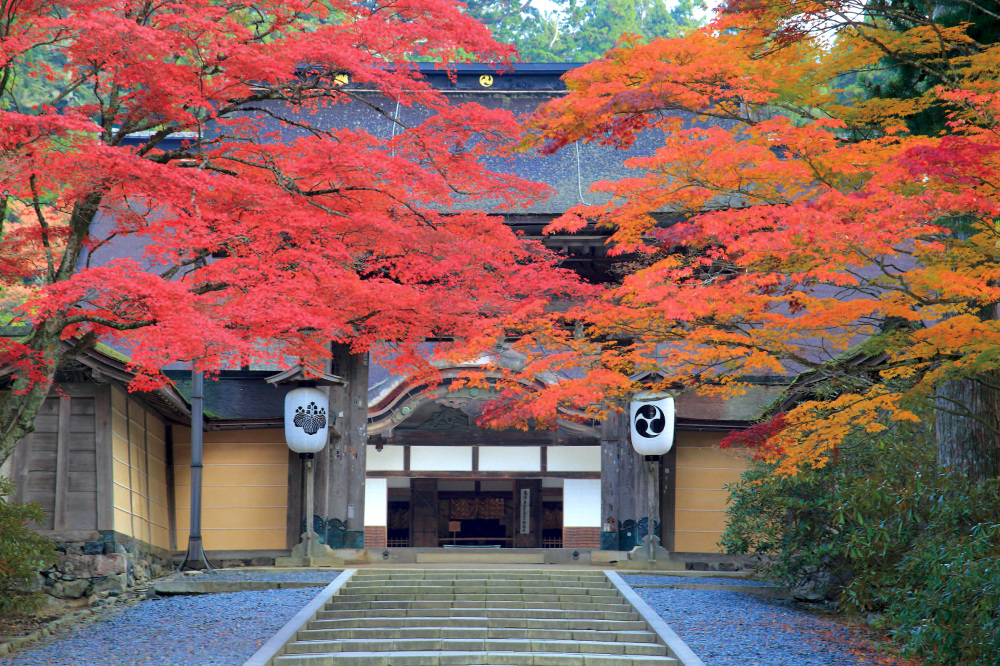
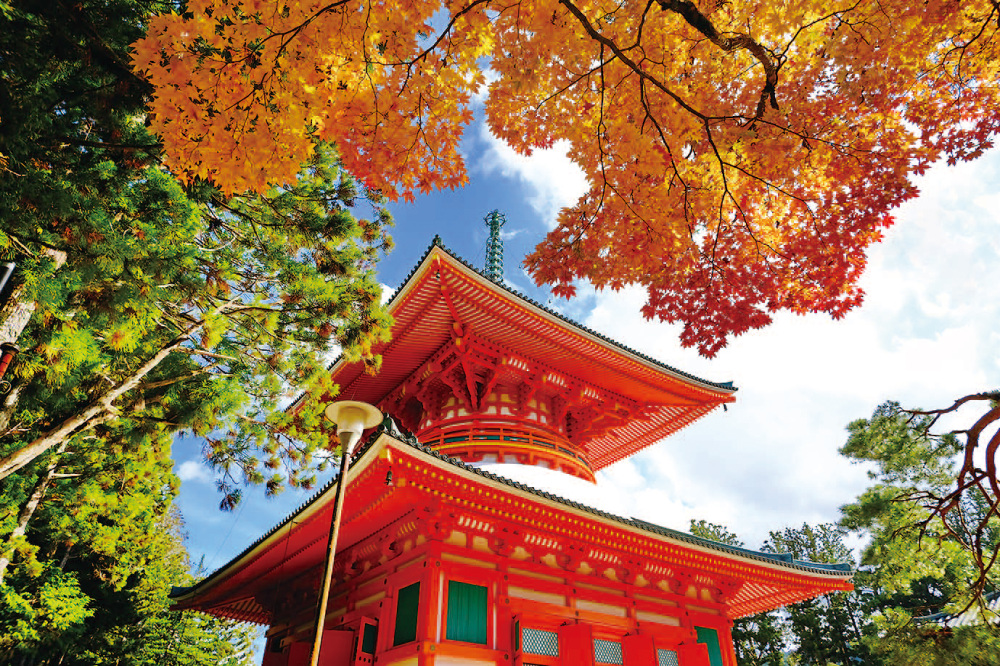
From late October to mid-November every year, the gardens of temples, shrines and inns of that sanctuary in the sky, Koyasan, are immersed in autumnal hues. The changing leaves across the area bathe the historic structures and streets of the town in color. One of the most spectacular places to view the leaves is the Danjo Garan Sacred Temple Complex, one of two such complexes in Koyasan. Against the backdrop of the vermillion Konpon Daito pagoda, the maple leaves form layer upon layer of stunning color. The foliage can also be enjoyed at the Main Gate and gardens of Kongobuji Temple, the head temple of Koyasan Shingon Buddhism. The view from the Banryutei Rock Garden in particular is a sight for sore eyes. The Jabara-michi (Dragon’s Belly Path) leading from Kongobuji Temple to the Danjo Garan Sacred Temple Complex forms a tunnel of autumn foliage and during this period, it is illuminated at night – an experience not to be missed.
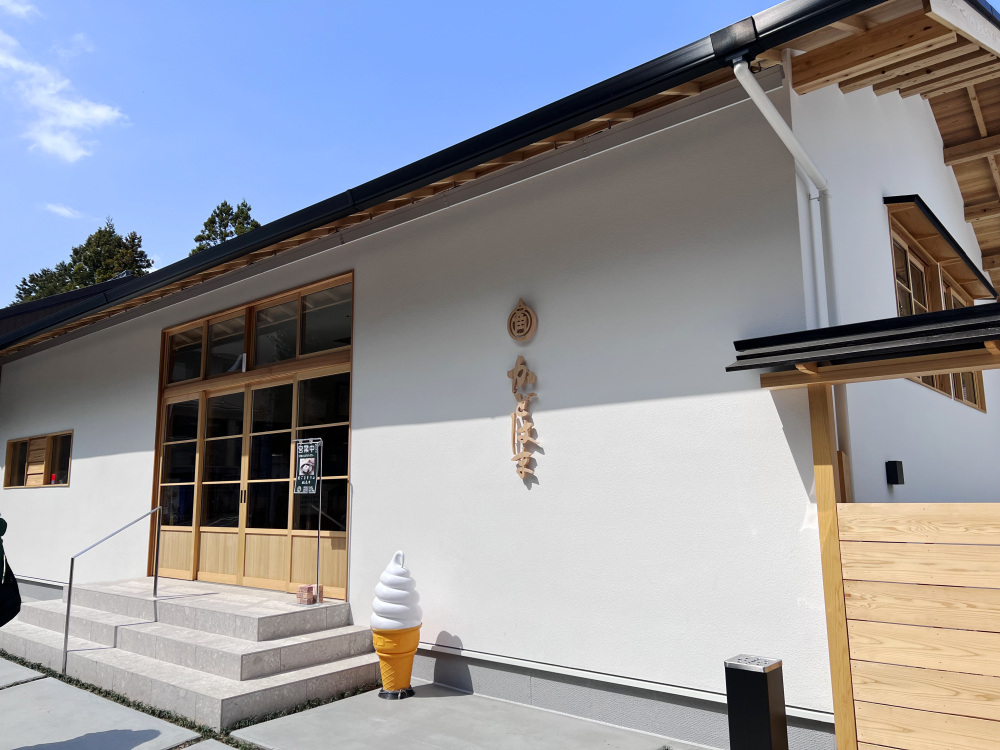
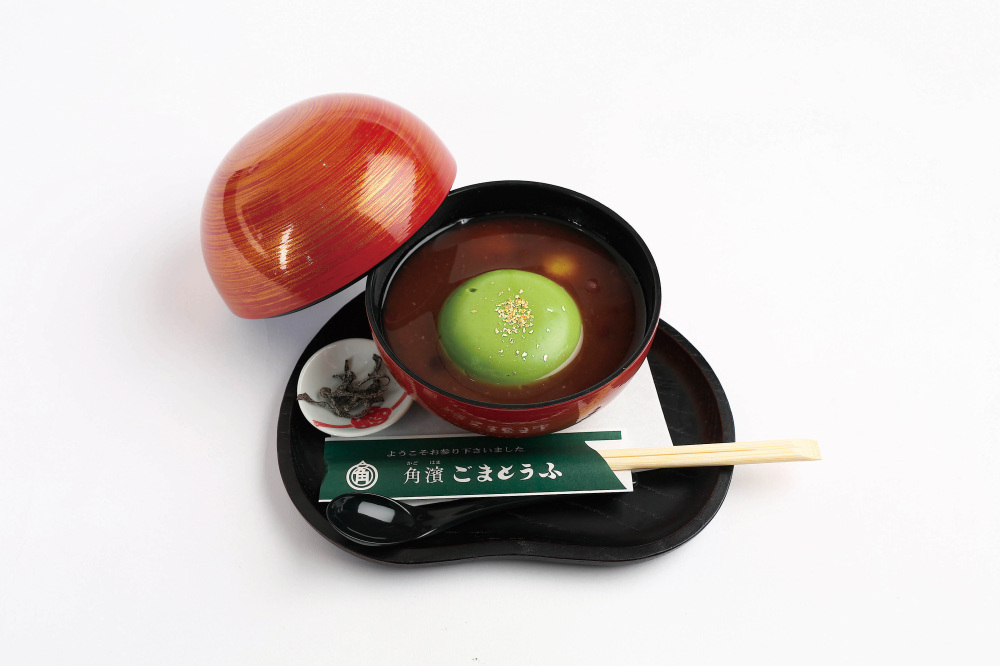
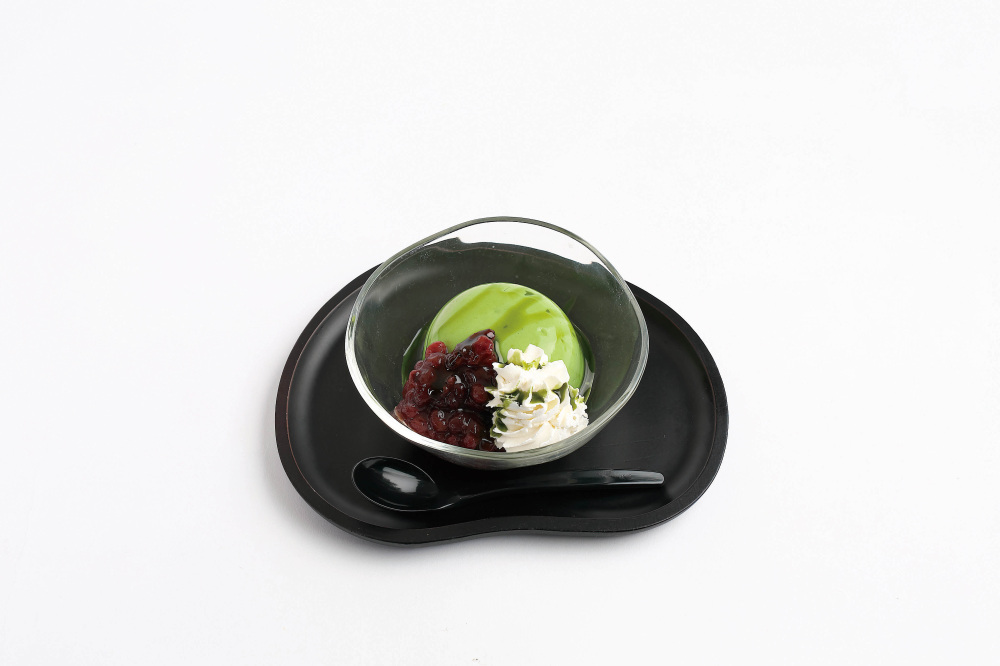
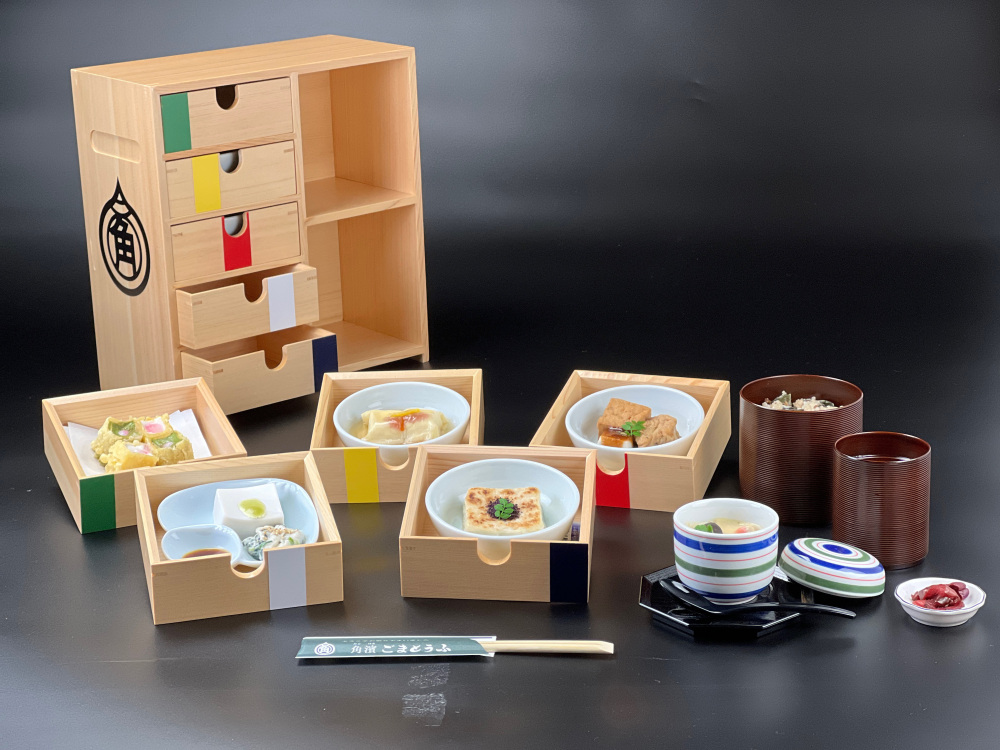
Kadohama Goma Tofu Sohonpo (Odawara branch)
This is a venerable restaurant that makes sesame tofu according to the traditional method at Koyasan, the epicenter of shojin ryori. The deep, rich flavor of the goma tofu is irresistible. Be sure to try the fresh sesame tofu offered at the Mausoleum of Great Master Kobo Daishi in various versions. The eatery also offers an innovative café menu with items such as Uji tea sesame tofu, desserts featuring additions such as sweet bean paste and fresh cream, and zenzai (sweet red bean soup). The kaiseki dining “Five Color” fresh sesame tofu option is also popular, inspired by the five-color Buddhist flag. The meal comes in a five-layer wooden box, delivering the five tastes of shojin ryori (salty, sweet, bitter, sour and spicy-hot) and the five colors (green, yellow, red, white and purple), using the five cookinsg methods (stewed, deep-fried, steamed, grilled and raw).
Fukusada no Oicho (large gingko tree), Hosen-ji Temple, Tanabe City
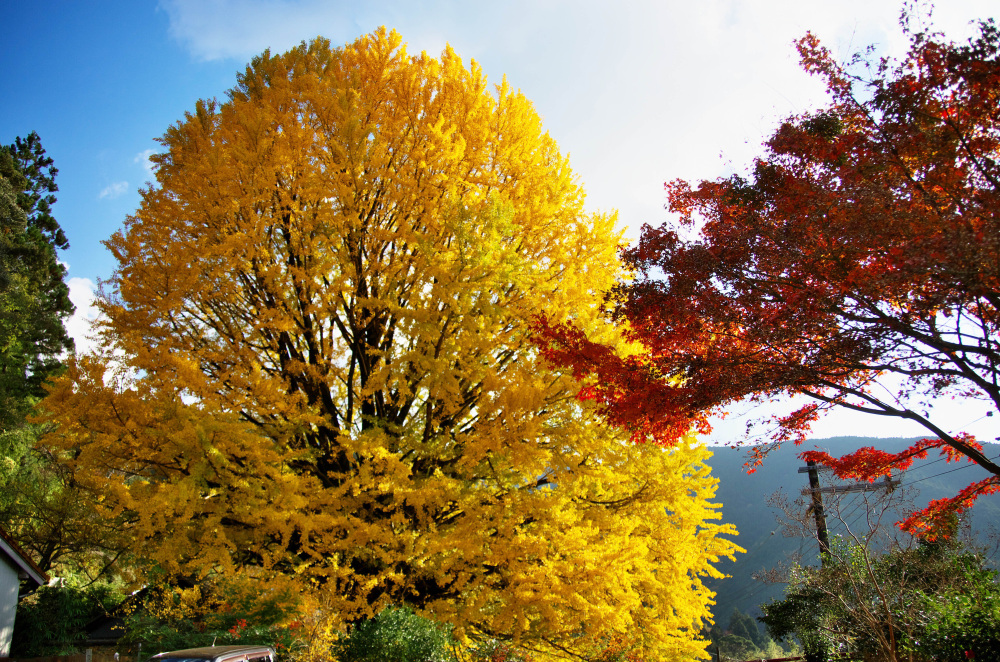
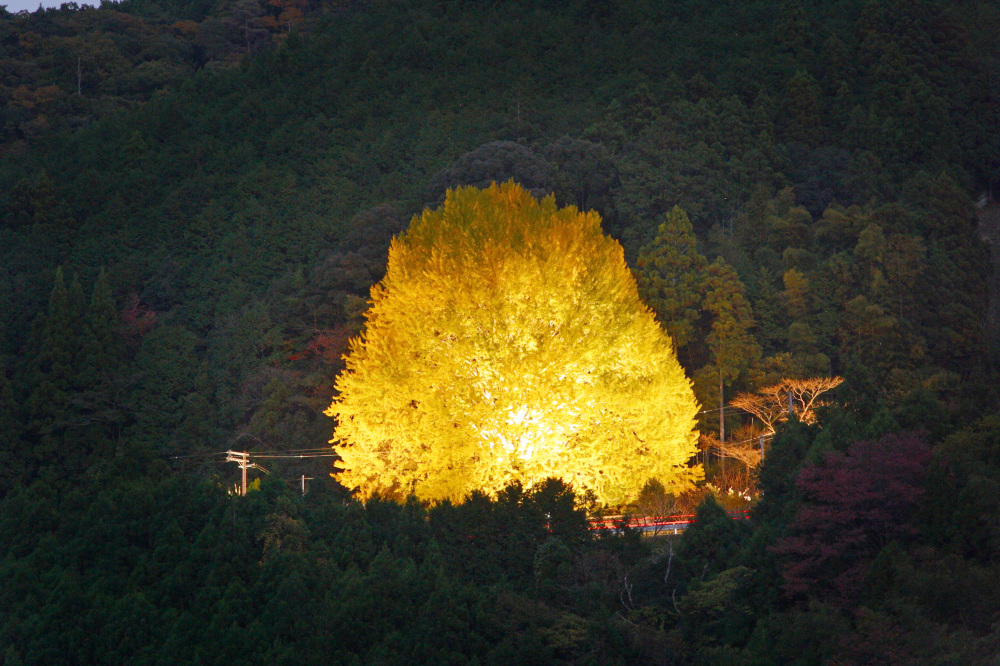
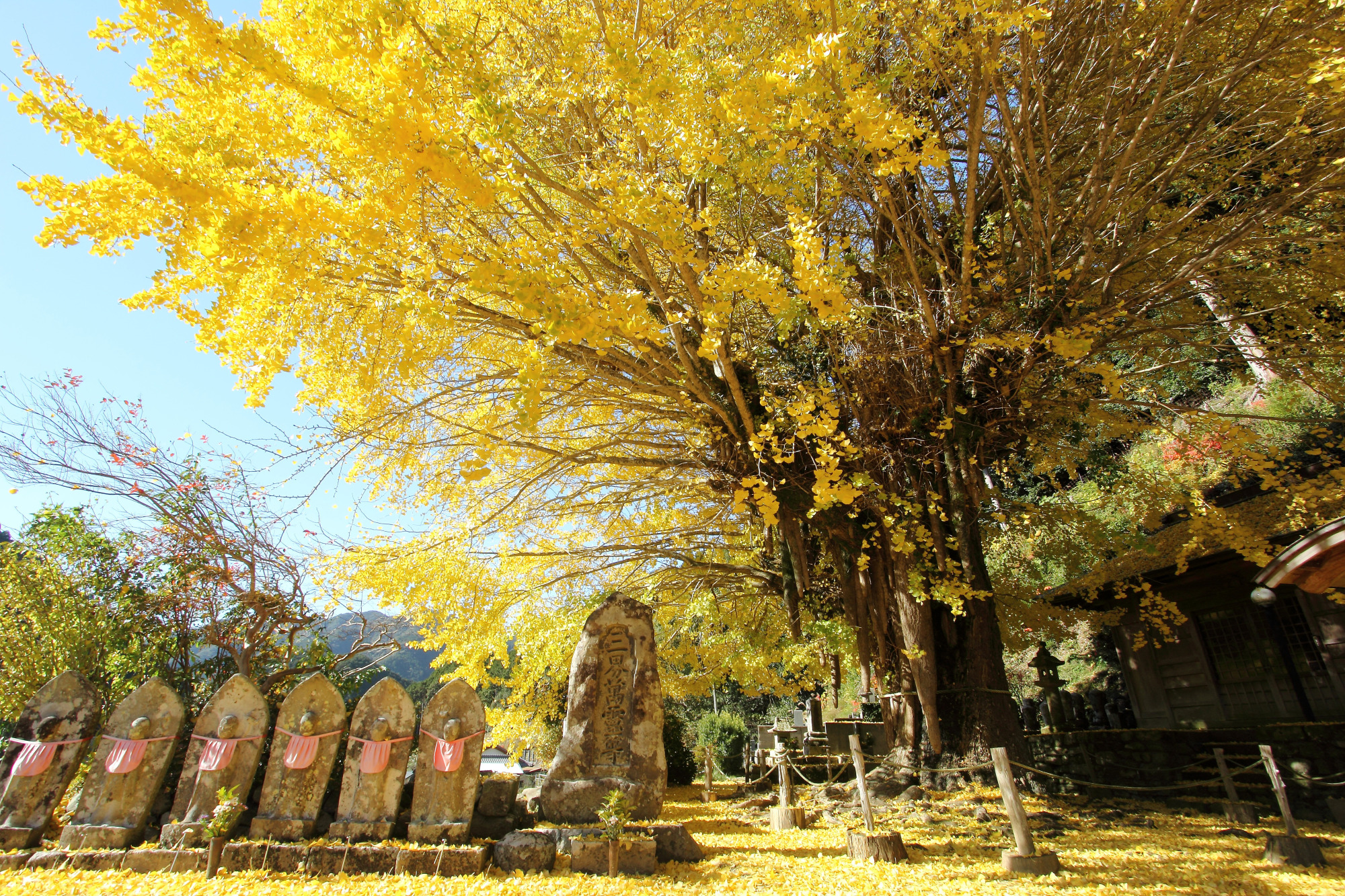
This giant tree of around 400 years of age towers over the grounds of Hosen-ji Temple. Also known as the Senbon Ichou (“thousand gingko”) due to the way its branches extend in all directions, the tree is designated as a Natural Monument by Tanabe City. During the autumn foliage season from late November to early December, this 22-meter high, 6-meter round giant gingko attracts worshippers for its vivid golden display. The fallen leaves cover the ground in a yellow carpet that makes a mystical, dream-like sight. Due to its location on the Nakahechi route of the Kumano Trail, it is also a popular stop for pilgrims to view the foliage. The towering golden tree can also be viewed from afar, due to the absence of tall structures and rural aspect of the surrounding area.
Nemunoki Shokudo
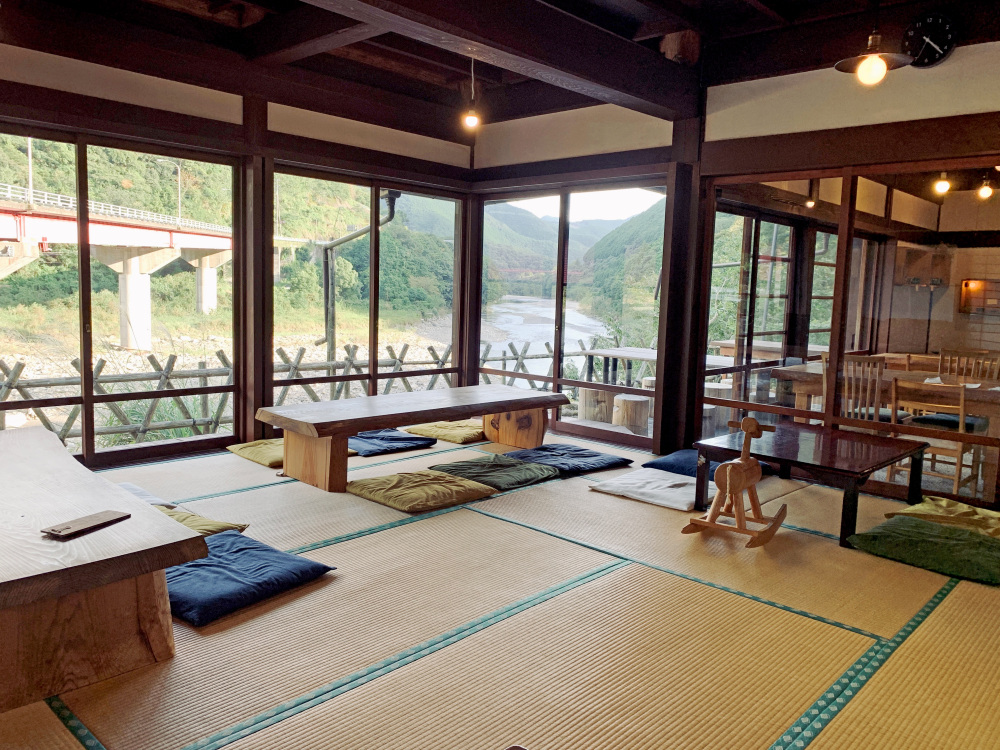
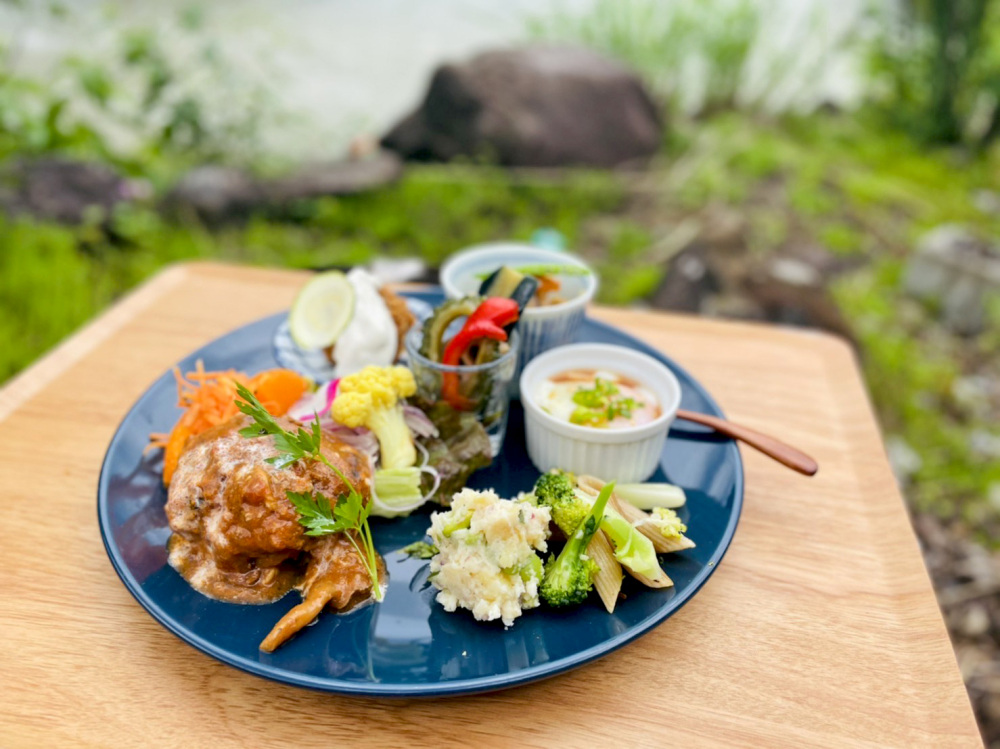
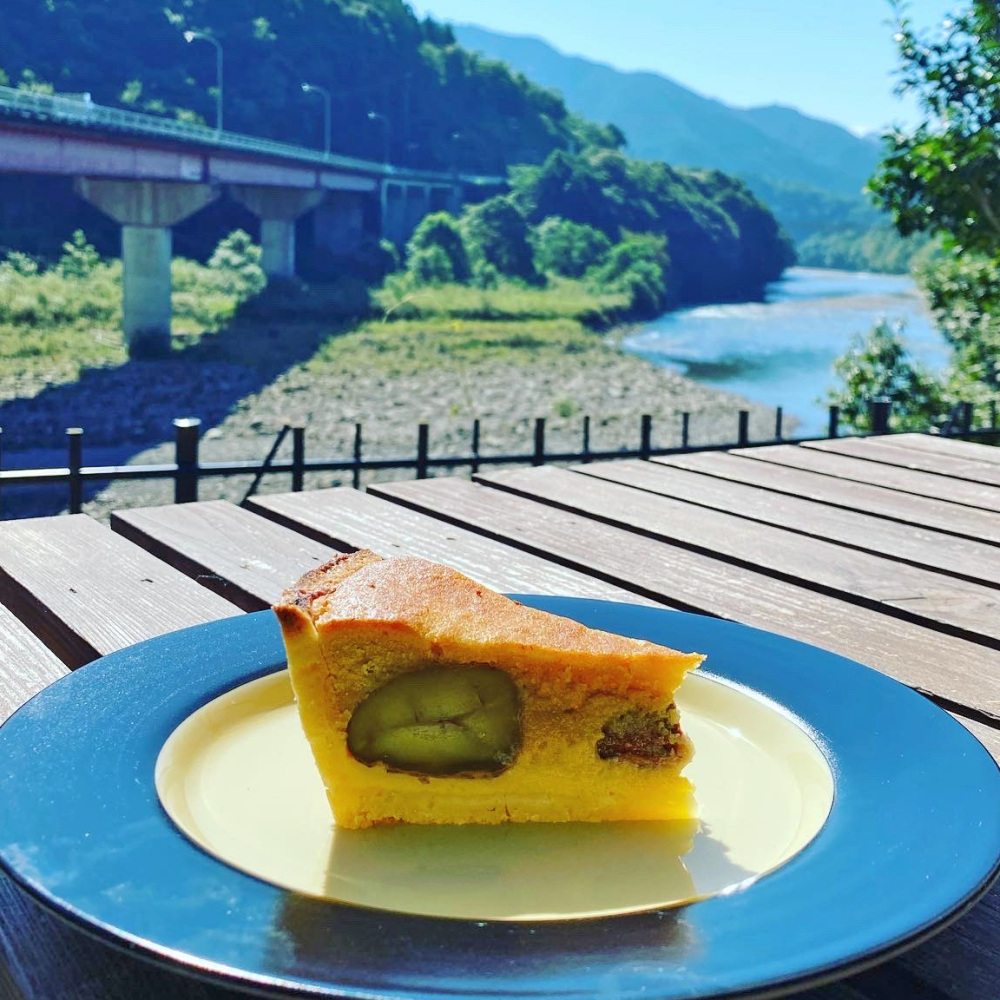
This kominka restaurant perched on the banks of the wild Tonda River is a lovely location to enjoy a set lunch and dessert. With its focus on seasonal vegetables and local ingredients, each of the meticulously prepared dishes and handmade sweet offerings have a subtle and delicious flavor. The kobo-pan (“yeast bread”) baked fresh in the kitchen daily is also a hit. The warm, open interior of the restaurant has both tatami mat and table seating, not to mention the terrace seating outside for those wishing to watch the river flowing past. It is a pleasant and comfortable space to sit back and relax. Bento boxes, cakes and more can also be ordered to take out.
The large gingko tree of Kosenji Temple, Kozagawa Town, Higashimuro District
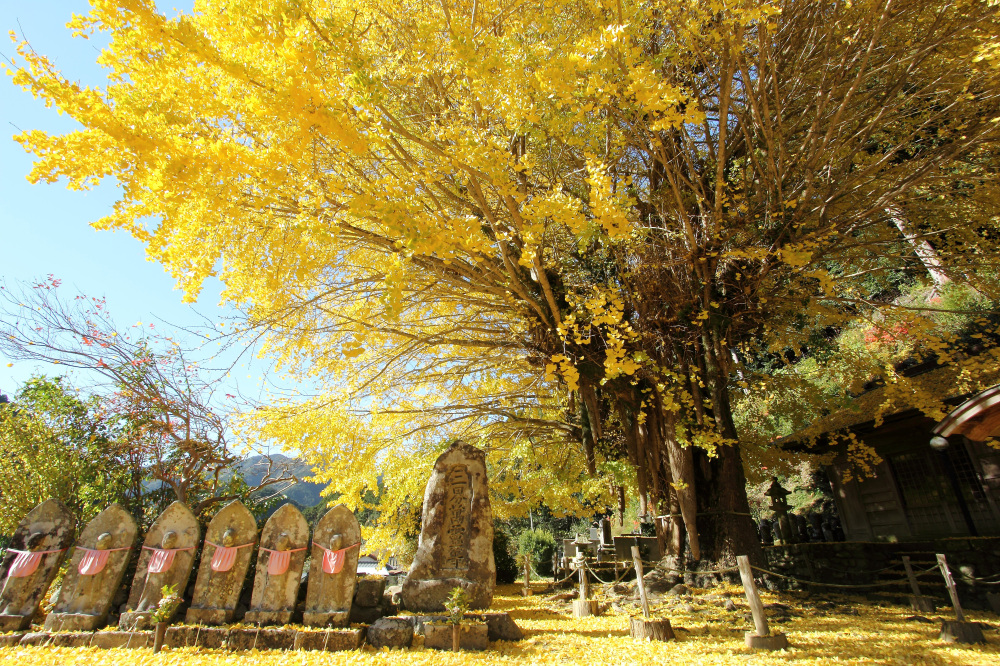
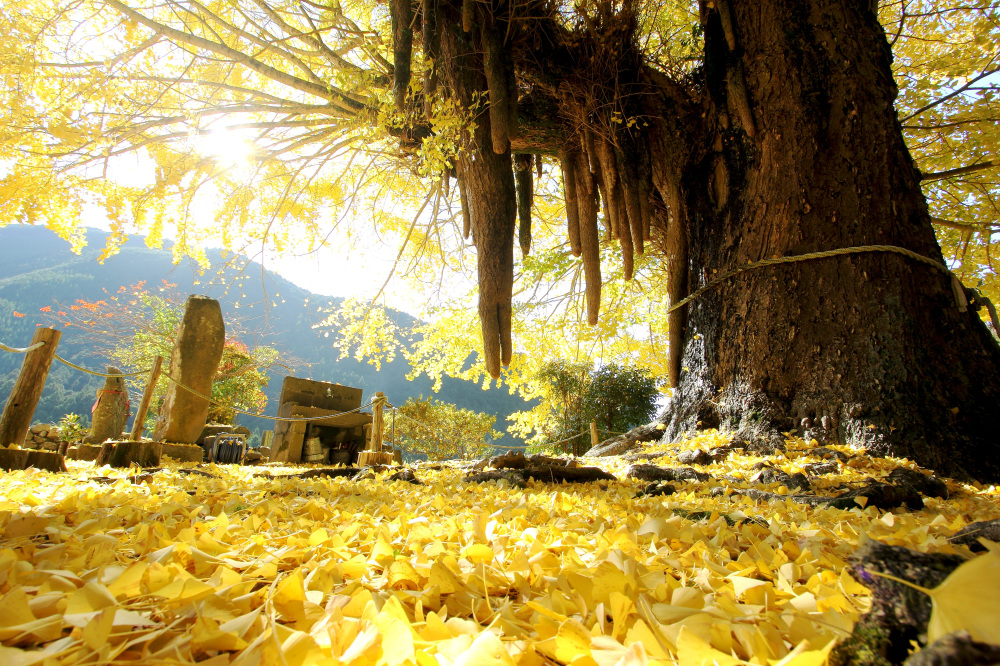
This large gingko tree estimated at 400 years of age grows on the grounds of Kosenji Temple, set atop a small hill against a mountainous backdrop. This monster is 30 meters tall with a circumference of 6 meters, but it is the distinctive knobs that grow from its thick branches which set this tree apart. Folklore has it that during the Edo period (late 18th century), a doctor named Kusaka Shunsai stopped the tree from being logged after the spirit of the gingko came to him in a dream. The village then enjoyed bumper crops and knobs resembling mothers’ bosoms grew on the tree. As more and more worshippers came to make prayers to the tree for safe childbirth, it came to be called “Kosenji Temple’s Child-Giving Gingko Tree”. Come the autumn, the coverage of golden leaves across the branches and on the ground beneath inspires a sense of blessing. Make this spiritual power spot your next foliage destination.


Ichimai-iwa Monolith Roadside Station
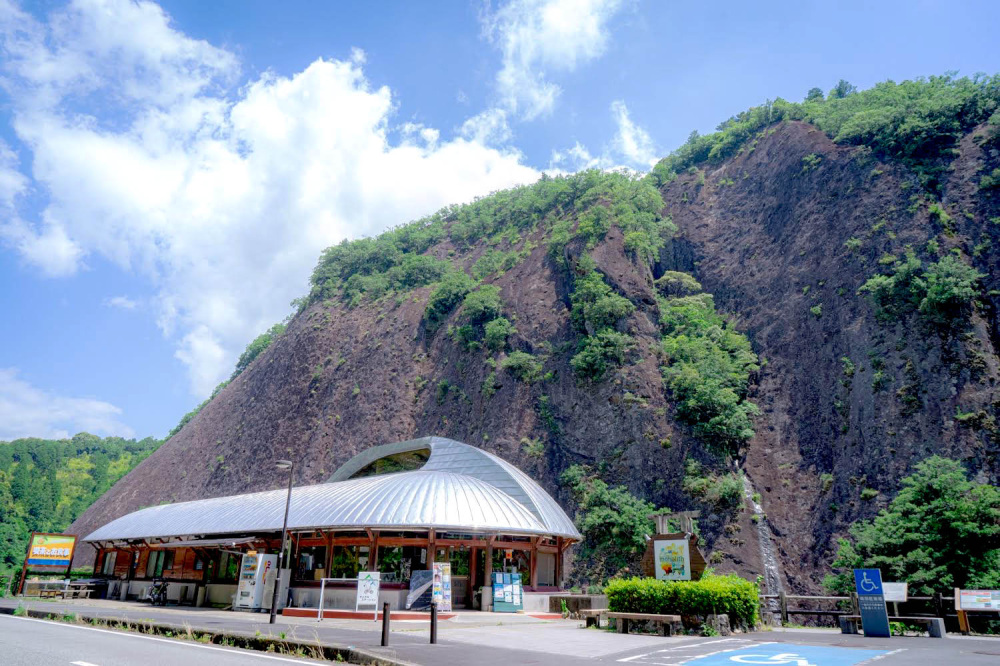
The Ichimai-iwa Monolith, a nationally designated Natural Monument, sits right in front of this roadside station, making it a stunningly scenic stop. In addition to a restaurant and produce market, this is also an activities hub for Kozagawa offering outdoor gear rental. Inside, large windows overlook the giant rock and the river, giving visitors spectacular views close enough to make out the texture of the rockface as they enjoy coffee or a meal. The top pick here would be the house specialty venison and wild boar dishes. The menu has plenty of curries, hamburgers and other options that offer an easy introduction to game meats for first-timers. As the foliage season in late autumn and early winter coincides with the best season for game, do not miss the chance to try it here.