Kumano Kodo Rules & Etiquette
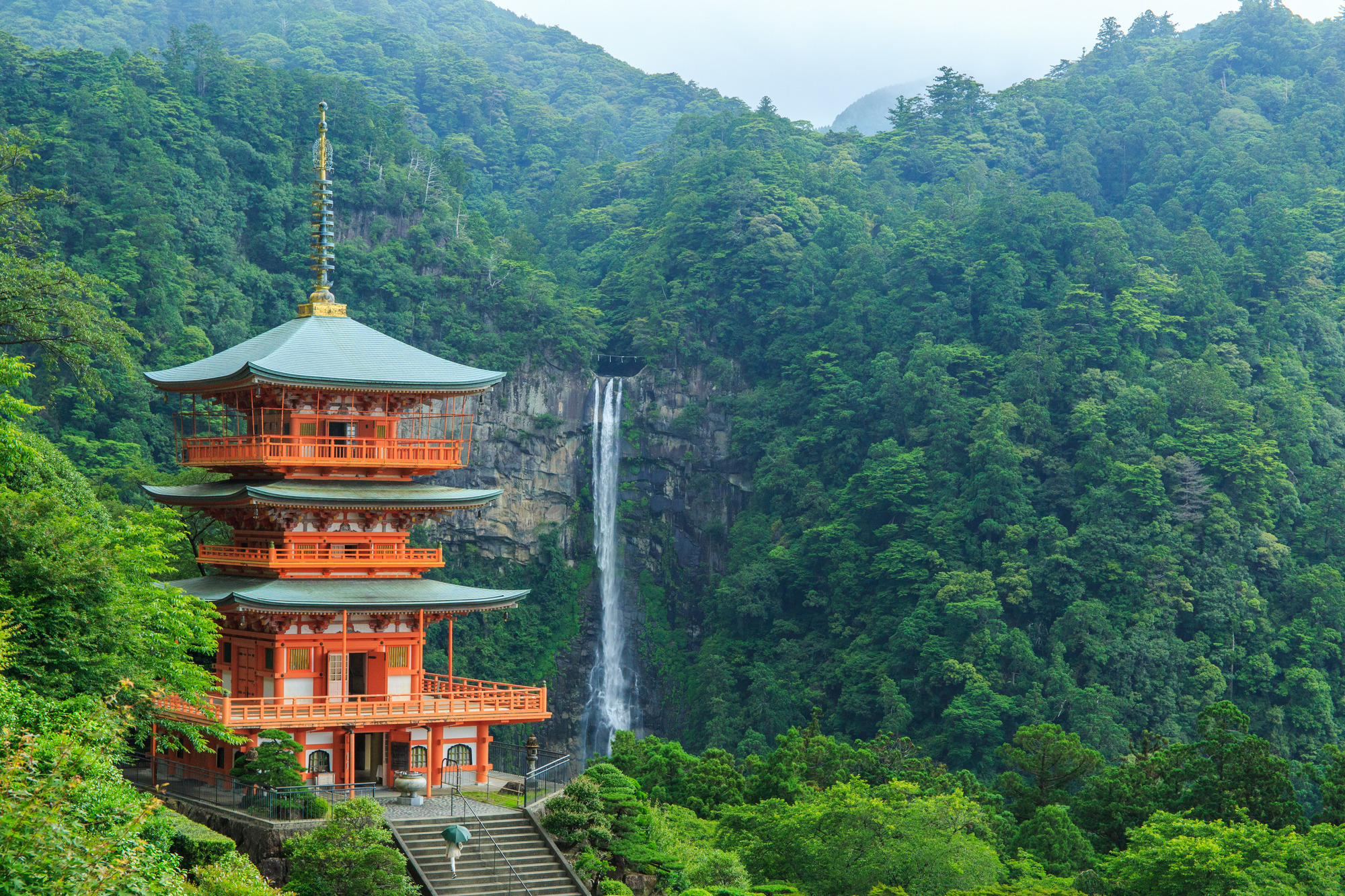
The UNESCO World Heritage Site “Sacred Sites and Pilgrimage Routes in the Kii Mountain Range” refers to Kumano Sanzan, which originated in the worship of nature, Yoshino and Omine, consisting of sacred sites of Shugendo, a belief combining Buddhism, Shintoism and ancient mountain worship, and Koyasan, the complex established by Buddhist monk Kukai (Kobo Daishi), and the pilgrimage routes (known locally as the Kumano Kodo) that connect them.. The environment, and the local peoples sacred relationship with it, has been listed as a cultural heritage because it symbolizes the spirit of Japan, which has been passed down through the generations as worship of the deities that dwell in the mountains and forests as a form of reverence for nature and the universe.
However, the landscape, local community and ecology will not endure without adherence to certain rules and etiquette from visitors. To preserve this invaluable heritage for future generations, and support sustainable tourism, please be sensitive to your surroundings while walking this isolated, sacred route. We kindly ask you to be part of the solution and not the cause.
Sacred Site for Millennia
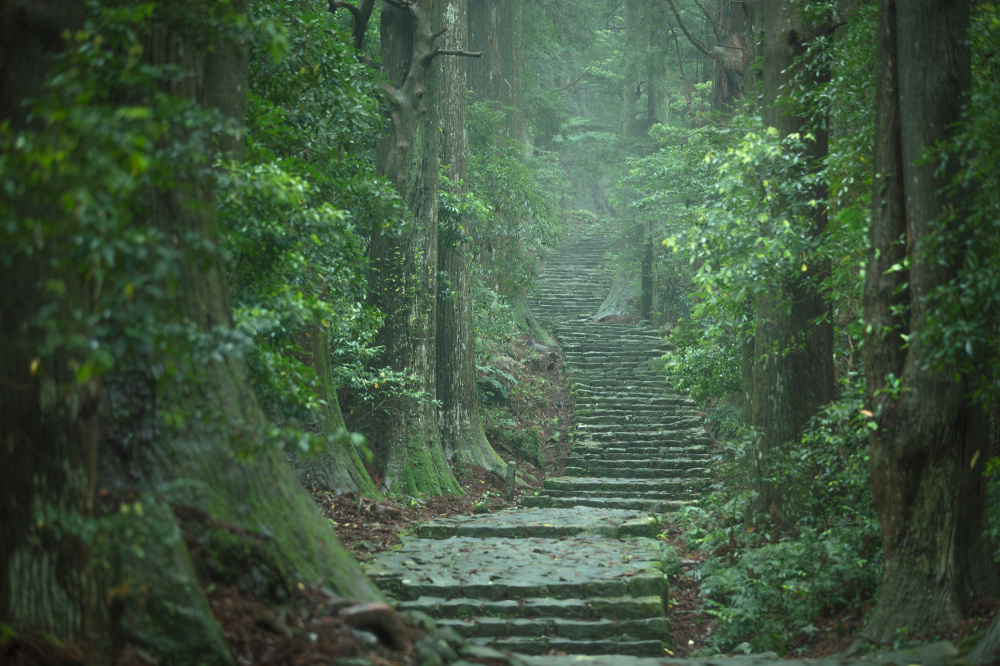
The Kumano Kodo has been a pilgrimage route since ancient times. Around the 10th century AD, the imperial family and aristocrats began to make the Kumano pilgrimage, when people would seek salvation through rigorous aesthetic practices. In the 16th century, the phrase “Seven times to Ise, three times to Kumano” emerged as more people began to visit Kumano regardless of class or status. It was at this time that it became known as “the pilgrimage of ants”, such was the sight of countless pilgrims in an endless line on the route.
The Kumano Kodo now attracts pilgrims from around the globe and is a vital location of cultural and historical heritage. When visiting, it is very important to respect the beliefs of our forebears and follow the rules. The Kumano Kodo is not just a tourist destination or hiking path, it is a route to walk in prayer and gratitude, resonating deeply within us, closely connected to the local community.
Planning is Essential
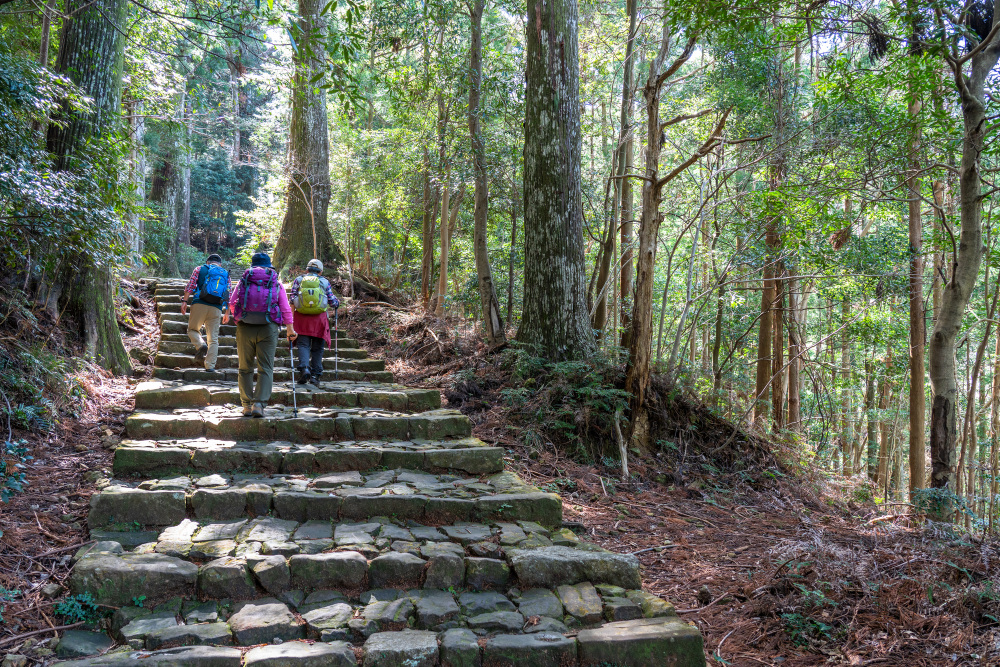
The Kumano Kodo is network of mountain trails with routes for advanced multi-day treks for experiences hikers and highlight walks for beginners. It is essential to pick a route that matches your physical ability and schedule. Detailed planning will make for a safer and more enjoyable visit.
NOTE: A multi-day trek on the Kumano Kodo is a challenging mountain experience and not appropriate for beginners.
Main Planning Points:
● Route difficultly (elevation change and trail type)
● Walking distance and time (many people underestimate the difficulty)
● Climate (weather varies greatly with the seasons)
● Transportation times (mountain busses are limited)
● Prebooked accommodations (walking up to accommodations is not culturally appropriate)
● Prebooked daily luggage shuttle (organizing onsite may not always be possible)
● Review information on official websites (do NOT rely solely on SNS content to avoid misinformation)
Creatures to be Wary of:
● Japanese Pit Viper (Mamushi)
● Asian Giant Hornet (Suzumebachi)
● Asiatic Bear (Tsukinowaguma)
● Giant Centipede (Mukade)
Toilets
● Toilets are limited on the Kumano Kodo so review locations on locally made maps, and plan rest stops accordingly.
Proper preparation is the key to a safe and enjoyable pilgrimage, without disturbing the local community.
Seasons & Weather
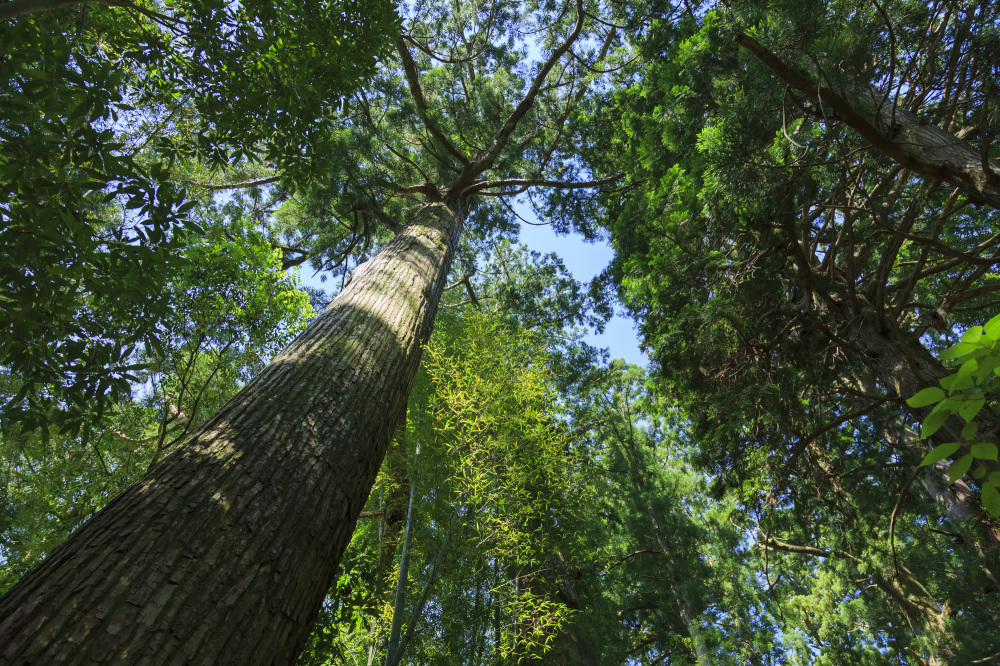
All four seasons are beautiful on the Kumano Kodo. The most popular seasons for walking in terms of weather are spring and autumn. The beauty of nature is on full display in spring under the fresh green foliage and in autumn’s changing colors. But the Kumano Kodo Nakehchi route is open year-round. Whenever you choose to walk, you must be aware of the weather.
Rain
Be prepared for rain any time of the year. On rainy days the paths become wet and slippery. If you are unsure of the conditions and your abilities it is best to skip the walk and use public transportation.
Daylight
During late fall, winter, and early spring, nightfall is early, getting dark in the steep valleys where villages are located. Check the daylight hours for the period you are walking, and plan to arrive at your destination before it gets dark. Leaving early to arrive between 15:00 to 17:00 is a good timeframe to aim for. Always carry a light source for emergency situations and avoid walking in the dark.
Heat
When on the trail in the heat of summer, take care to prevent heatstroke by drinking water frequently even when you do not feel thirsty, and make regular rest stops.
What to Pack
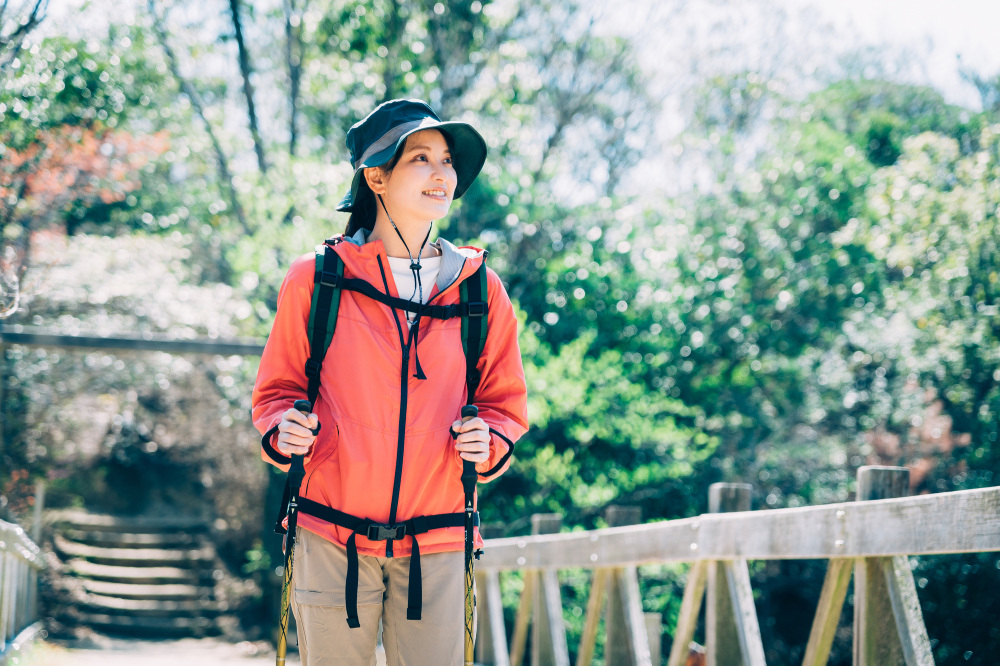


Being prepared with clothing, shoes and gear is essential for a safe and enjoyable pilgrimage. What you need will vary with the duration and extent of your walk. The following is a general list of recommended items.
Clothing
● Easy to walk in clothes, even on easier sections
● Long sleeve shirts and pants minimize exposing bare skin to the sun’s rays and bugs (such as ticks, bees and horseflies).
● Wear stretchy and quick drying fabrics. Avoid cotton
● Dress in layers, especially in the colder months
Footwear
● Sturdy, worn in footwear such as hiking boots, or walking shoes.
Gear
● Day pack. (with rain cover) to leave your hands free.
● First-aid Kit. Including blister prevention and treatment aids.
● Map. Paper copies are available at information centers. Do not only rely on your phone!
● Rainwear. The area has high rainfall. A folding umbrella is convenient.
● Light Source. Such as headlamp or flashlight.
● Sun Protection. Hat, sunscreen, sunglasses, etc.
● Liquids. Have enough water, especially in the hotter seasons.
● Snacks. To recharge your energy.
● Cellphone and Battery Charger. A portable wifi router is convenient and can be rented at all international airports.
● Insect Repellent. Especially during the hotter months.
● Collapsible walking poles ※
● Camera
※Walking poles can aid balance and take pressure off the knees.
Column
Trekking Poles Usage
Trekking poles can make walking easier, but they can also damage the trail. When using trekking poles, please affix rubber tips (protectors) to the ends. If you use them without protectors, they damage the ancient cobblestone. Use of shoes with spikes or hard soles can also damage trail surfaces. Double check your equipment and the way you walk to protect the trails.
Protecting Flora & Fauna
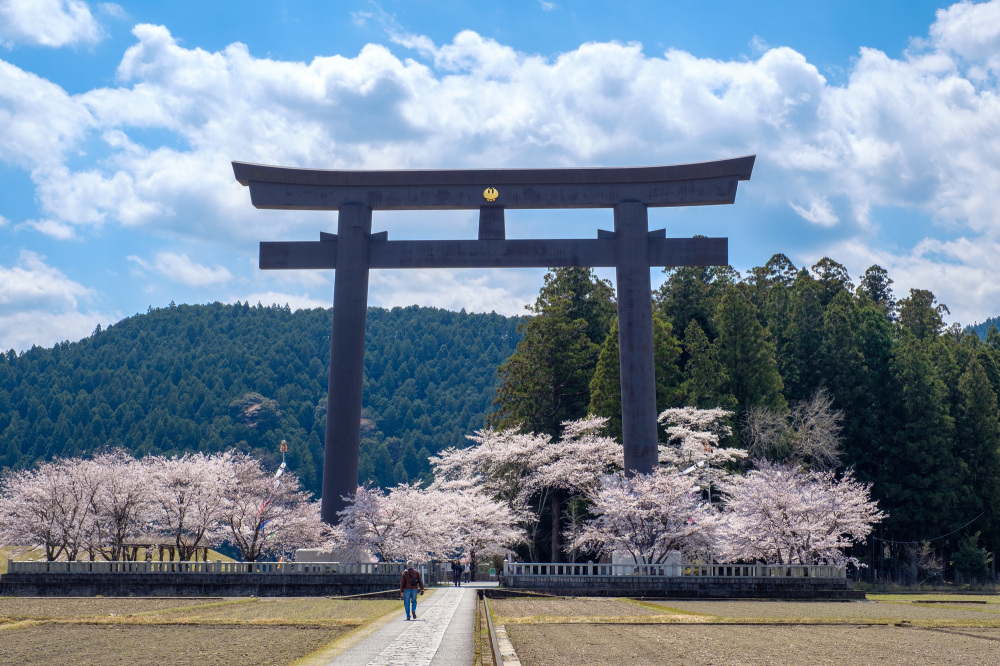
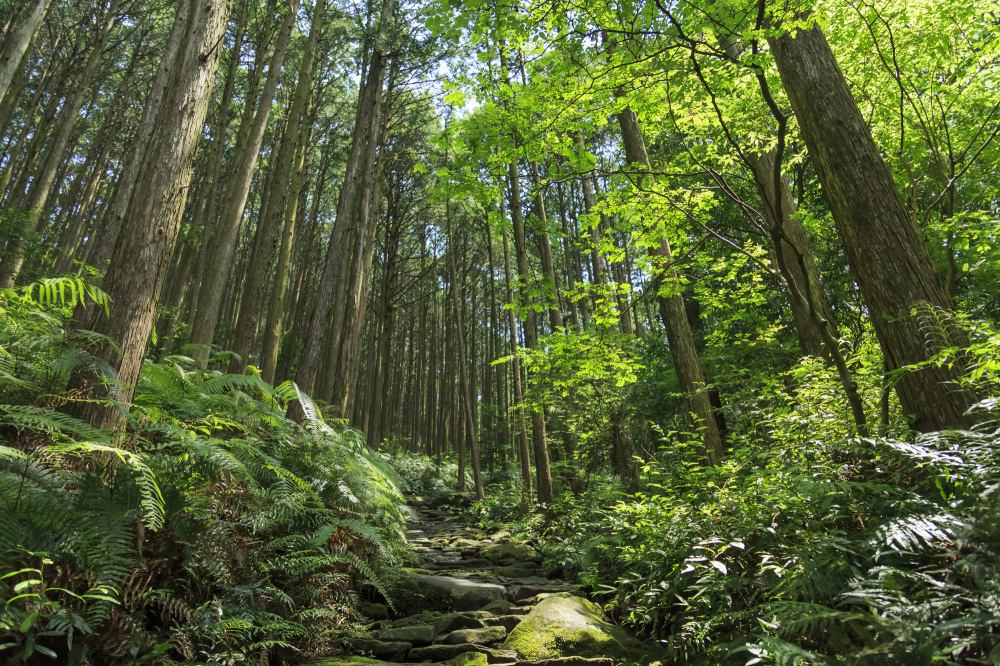
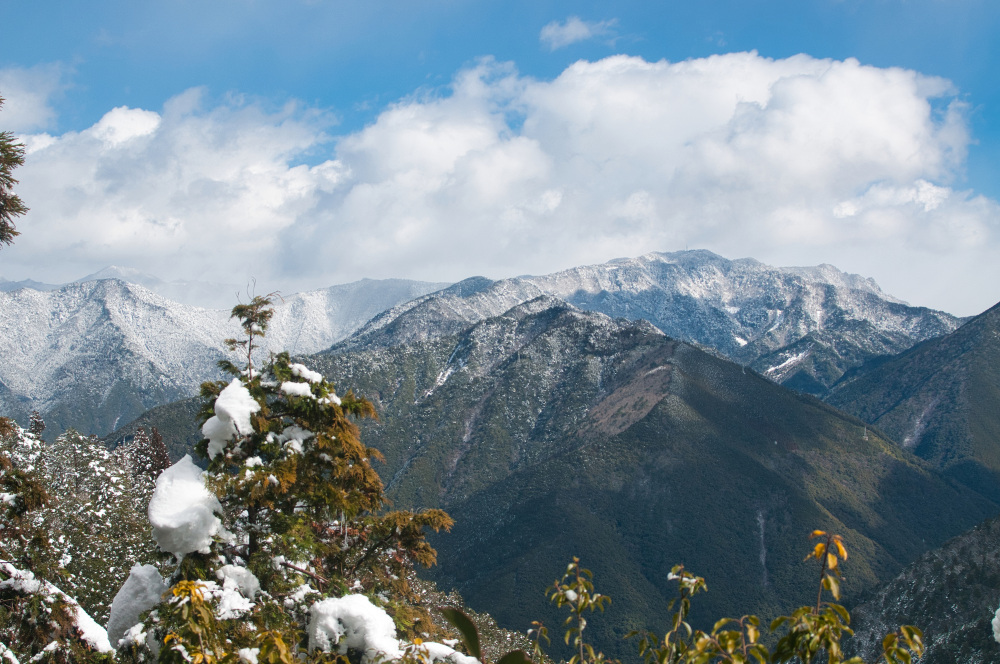

On the Kumano Kodo there are diverse and beautiful flora and fauna. To protect this precious natural environment there are basic guidelines to follow:
● Do not remove or introduce animals or vegetation.
● Stay on the trail.
● Keep routes clean. Carry out all waste. ※
● Be careful of fire. No open fires, dispose of cigarette butts diligently.
※ There are almost no public garbage cans along the Kumano Kodo. Please carry out all garbage. Taking a plastic bag to carry your finished bento lunch box is a practical solution. You can throw it out at your next accommodation.
Column
Photography
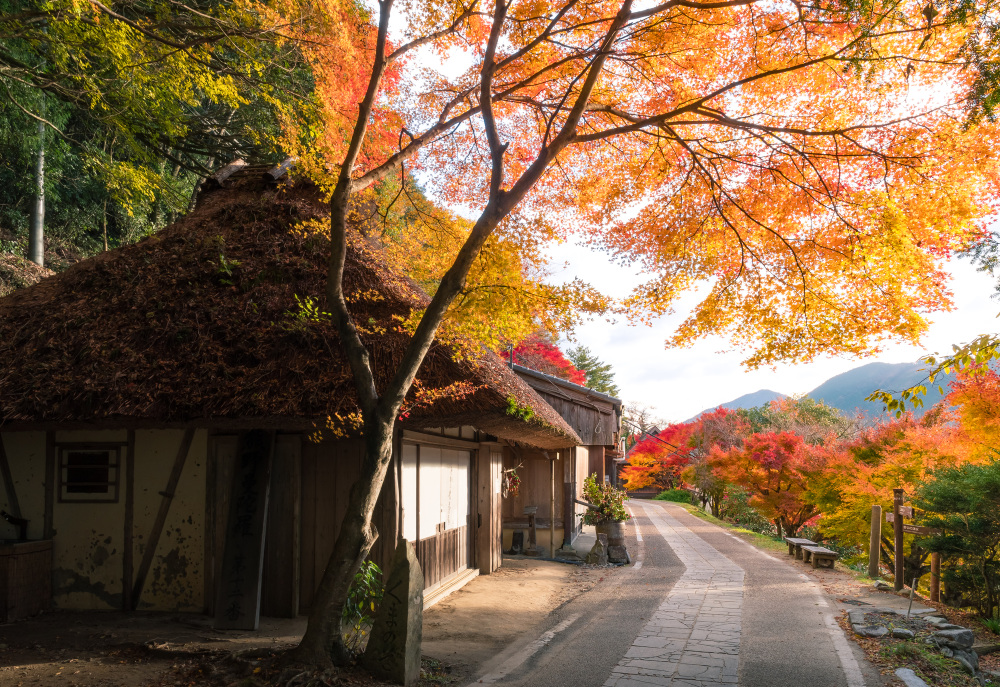
The Kumano Kodo allows full enjoyment of the beauty of the four seasons. In springtime, the cherry blossoms and azaleas bloom, and the colorful trail offers amazing photographic opportunities. In summer, the lush blue-green foliage is on full display and cool mountain streams soothe the soul.
Come autumn, the mountain slopes transform to orange and red, turning the landscape into an expansive work of art. A photo backgrounded by beautiful autumn foliage alone will make your visit worthwhile. In the tranquility of winter, a solemn atmosphere cloaks the rarely snowbound land. This season too brings opportunities for memorable shots.
The Kumano Kodo is replete with seasonal delights. Find the photo spot that is all your own.
Gratitude to Locals

Bringing a spirit of gratitude to your pilgrimage will allow you to have a most pleasant time here. And once you have returned home, you will be able to experience the power of prayer.
It is important to greet the people you encounter. Through communication, there is sharing of mutual goodwill. Express your thanks for the efforts of the local people you meet too for their ongoing guardianship of the trail.
● Be quiet in the early hours in rural communities, and respect locals privacy.
With gratitude, your experience will be richer, and more memorable moments will be created.
Preservation for the Future
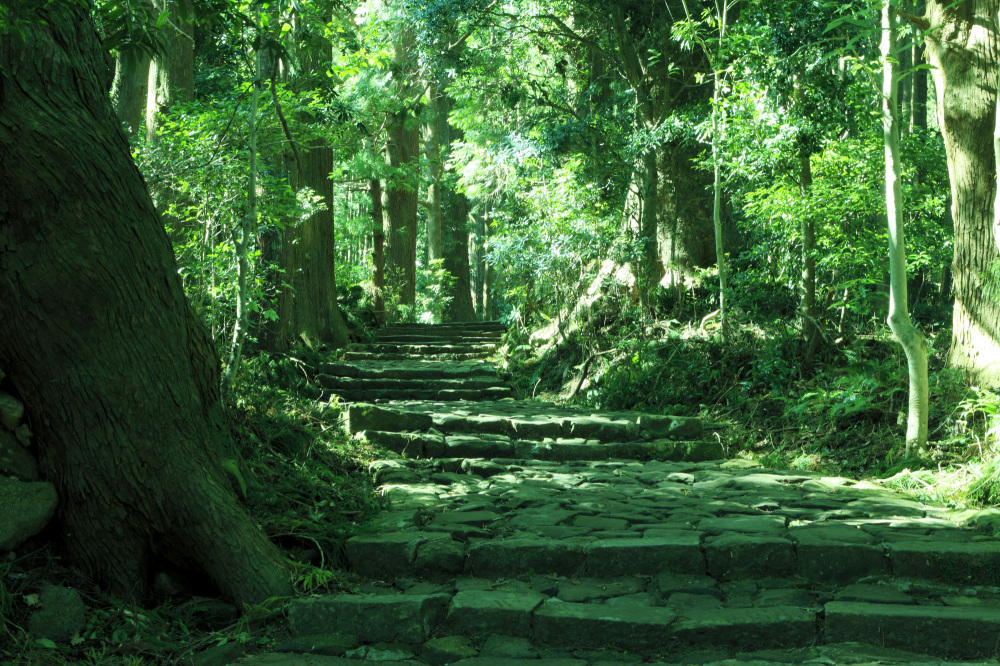
The Kii Mountains where the World Heritage-listed Kumano Kodo is located receive heavy rainfall throughout the year and at times are subject to natural disasters such as typhoons. Therefore, the region’s roads frequently sustain damage.
To preserve this cultural landscape, it is not enough just to protect the cultural properties such as temples and shrines. Maintaining the natural environment in which they sit is essential. The local community is the backbone of the region so please treat the people who live here with respect and dignity. This is their home, please treat it like yours too.
Adhering to the basic rules and etiquette during your visit requires you to understand the importance of preserving the Kumano Kodo for future generations and to put the understanding into practice. The awareness of each one of us has the power to protect the future of the Kumano Kodo: its spiritual culture, environmental legacy and community spirit.