Wakayama Ramen: The History, the Flavor, and 13 Local Favorites
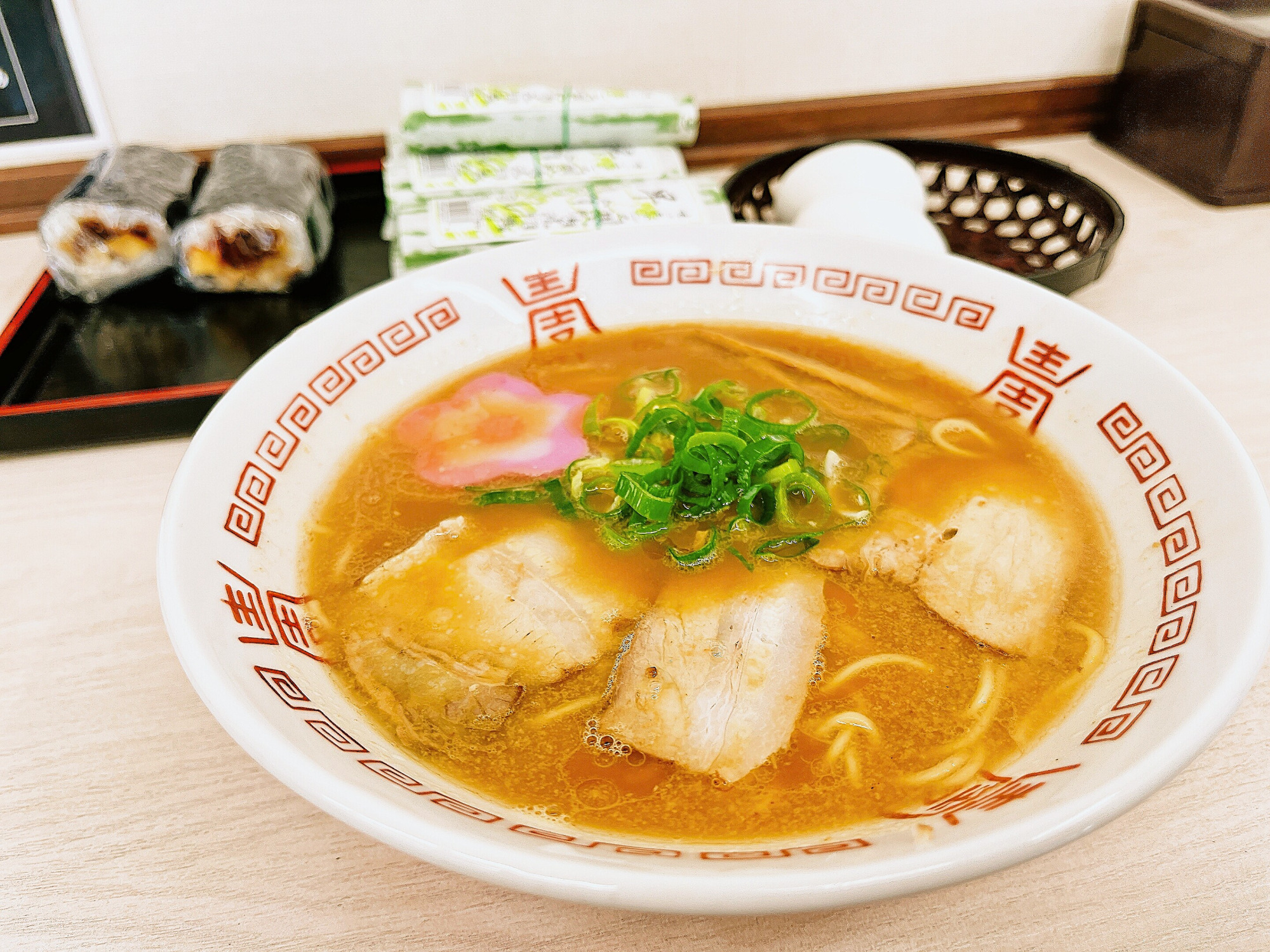
Wakayama ramen is the prefecture’s signature local dish. In Wakayama City, where it was born, and beyond, shops old and new devote great care to getting the flavor just right. Here is how the style came about, what sets it apart, and where to find the best bowls.
How Wakayama Ramen Went National
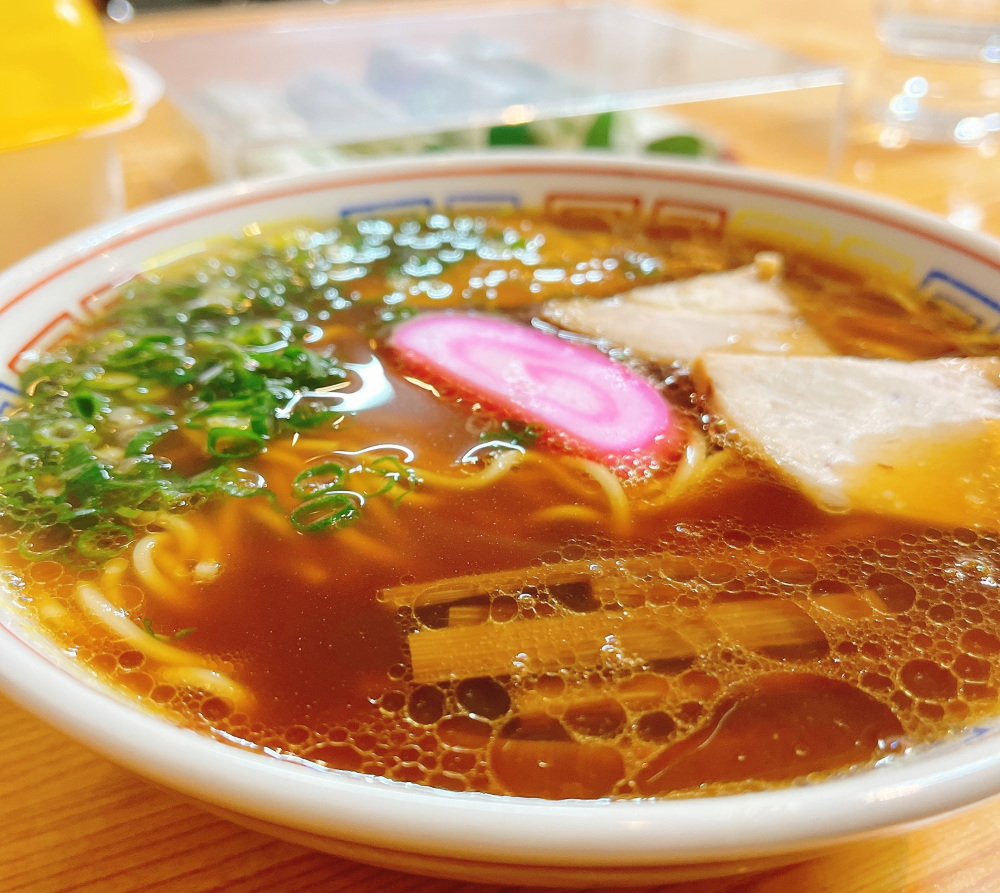
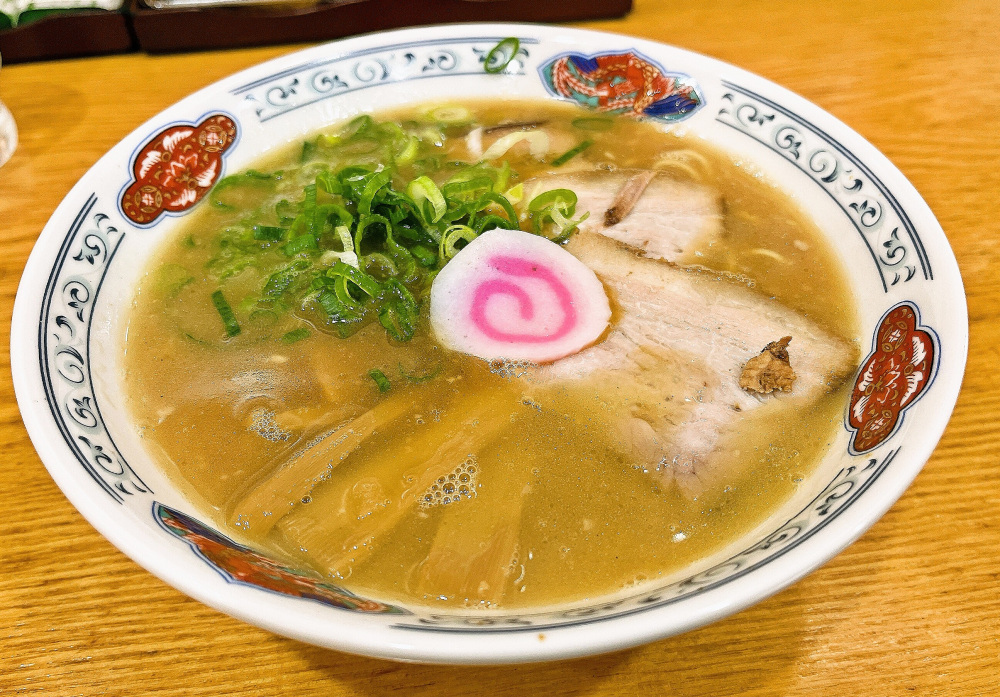
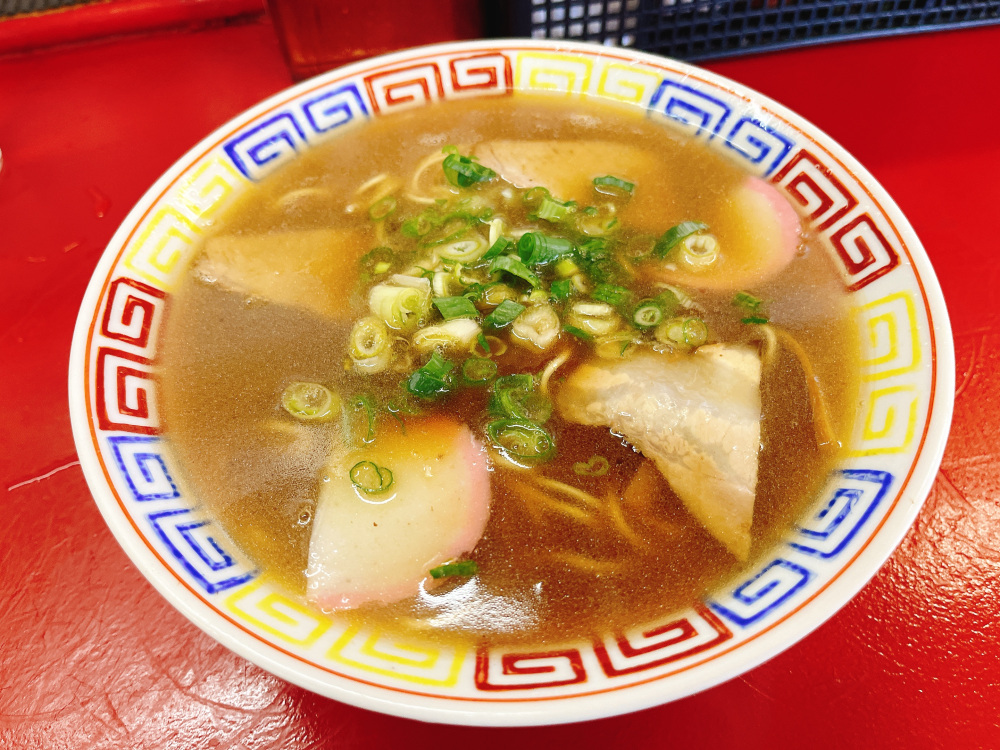
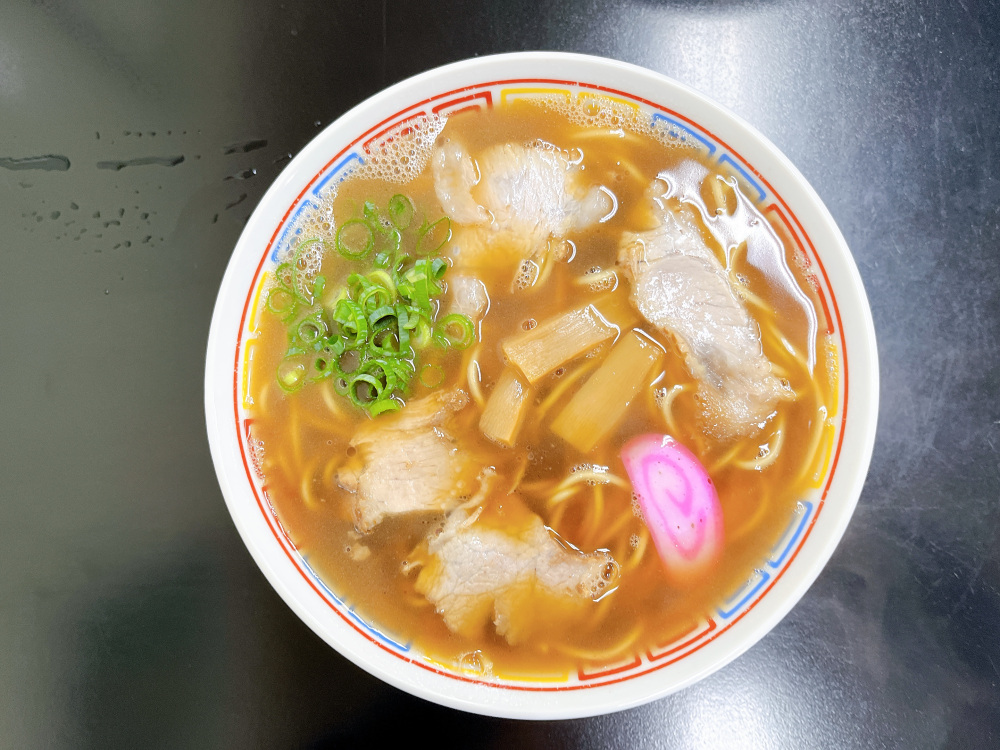
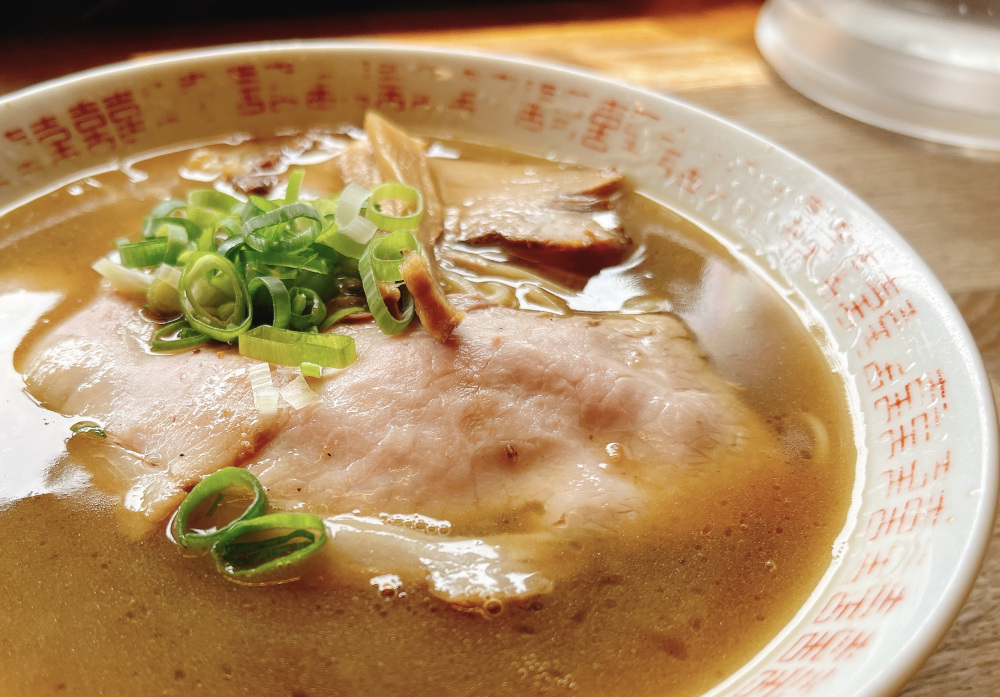
Wakayama ramen is now one of Japan’s well-known regional styles, but the name itself only came into use in the early 1990s. The noodles are thought to go back to the street stalls of the 1930s, and to locals they have always been chuka soba, or simply chuka.
The breakthrough came in January 1998, when the television show TV Champion ran a contest to decide the best ramen in Japan. Ide Shoten, a shop in Wakayama City, took the title, and the media took notice. Ramen was riding high at the time, with the Sapporo, Hakata, Kitakata, and Asahikawa styles all drawing attention, and Wakayama’s version began appearing alongside them.
That October, the Shin-Yokohama Ramen Museum in Kohoku Ward, Yokohama, staged a special Wakayama ramen exhibition that included a stall run by Ide Shoten. Queues of an hour or two formed day after day, people talked, and both the name and the taste of Wakayama ramen reached the rest of the country.
Two Broth Styles
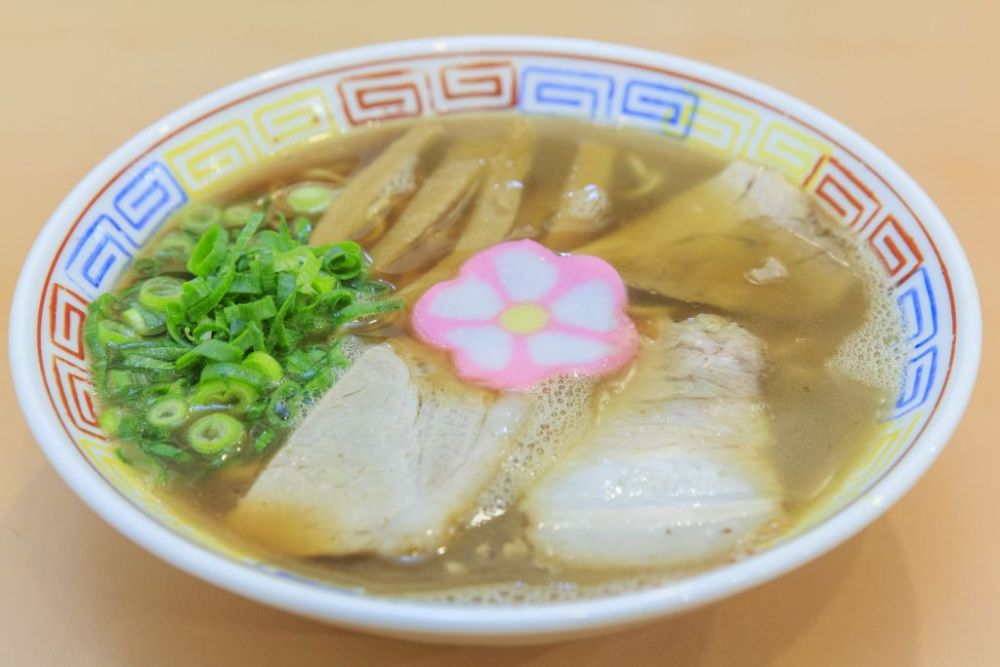
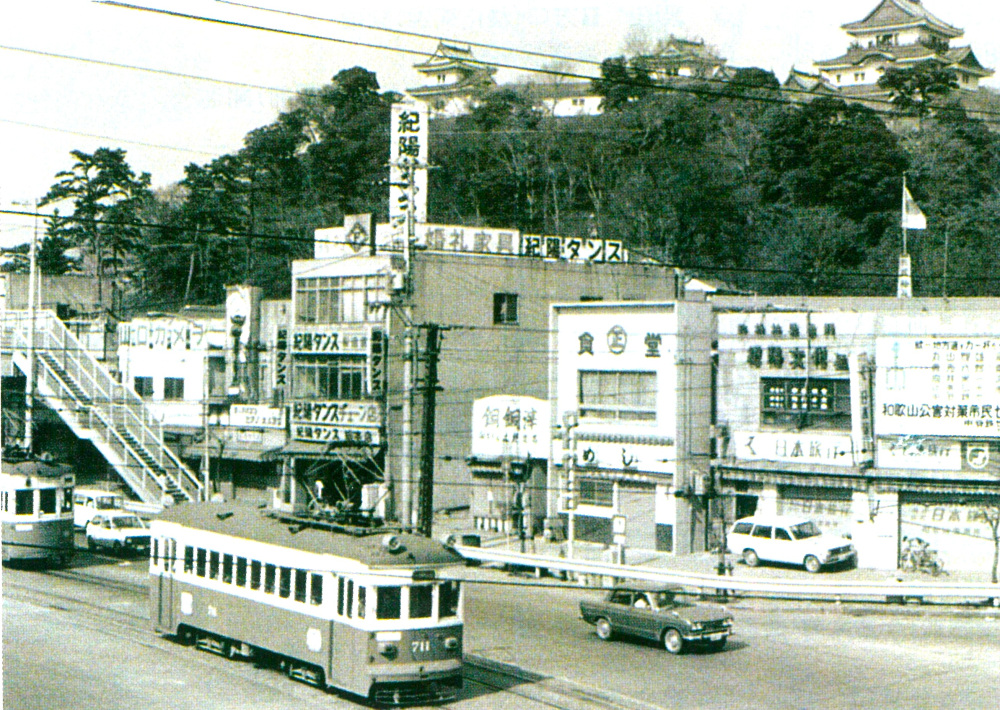
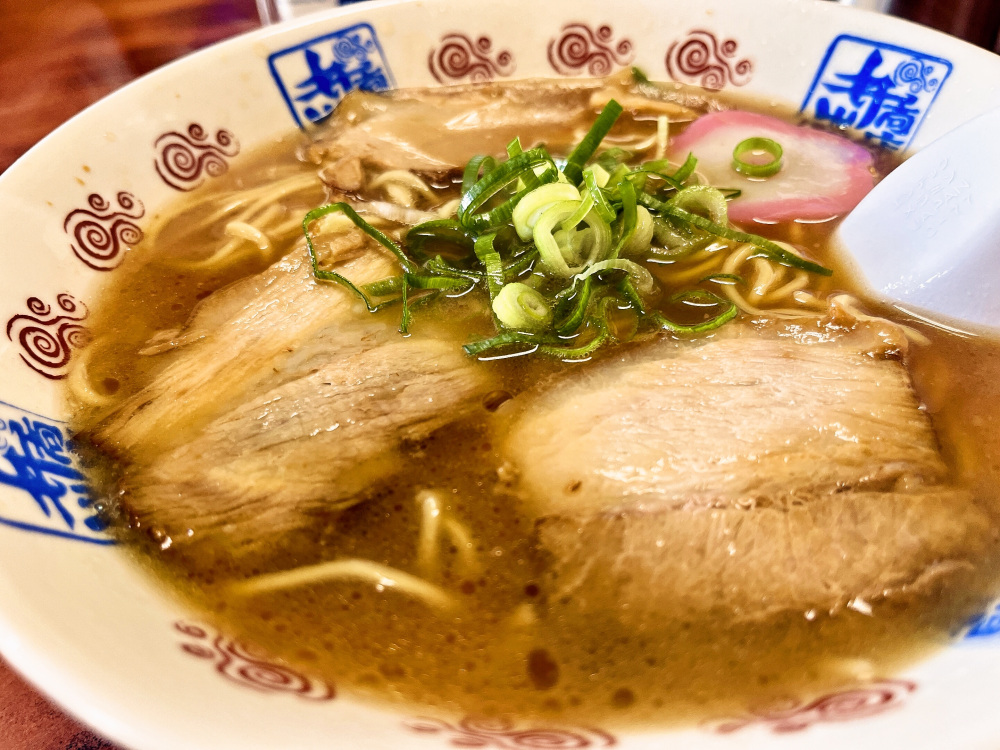
The museum staff who put on that exhibition had been visiting Wakayama since the start of 1998, eating their way around the city. They concluded that its chuka soba could be divided along two lines: Shako-mae and Ide.
●The Shako-mae line
This traces back to Marutaka, which opened as a street stall in Wakayama City in 1940. At first, the broth was made by combining soy sauce with a stock of dried bonito and small dried fish. After the Second World War, Marutaka switched to a tonkotsu pork bone stock, the flavor improved enormously, and the stall took off.
The name comes from the Shako-mae streetcar depot stop (now the Takamatsu-kita stop on the Wakayama Bus network), where cooks who had left that thriving business set up their own stalls. The streetcar line closed in 1971, but several of those stalls live on today, having reopened as restaurants around the city.
Marutaka, Marumiya, Maruyama, and Maruki are usually considered part of this group. Their broths lead with soy sauce and finish clean.
●The Ide line
This one begins with Ide Tsuyako, who ran an ice shop and started selling chuka soba from a stall in 1953. Her early bowls tasted much like everyone else’s and sold poorly, so she went after a richer flavor, cranking up the heat and refining her technique through trial and error. The resulting broth made her stall famous.
Cooks chasing the Ide flavor, along with others who had worked at Ide Shoten, opened places of their own, and the heavy tonkotsu-shoyu style spread with them. Marusan, Masayoshi, Marutaya, and Kusumotoya belong to this group.
*Both lines use soy sauce and pork bone, so the dividing line is not a firm one. Eat your way around and enjoy the differences from shop to shop.
Local Customs
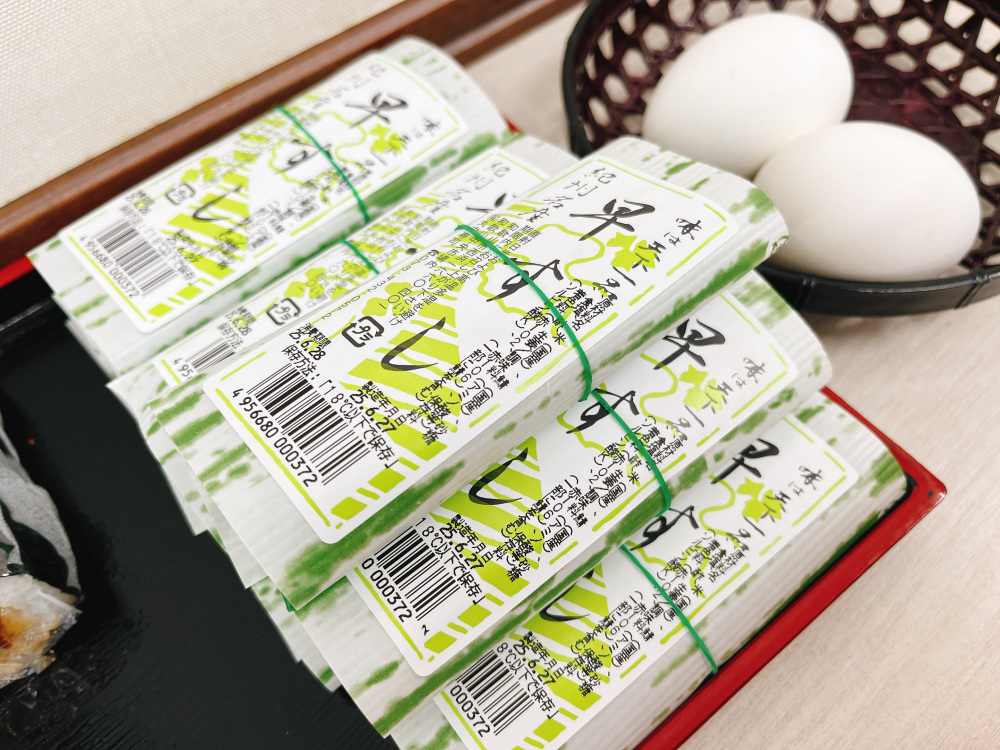
Shops serving Wakayama ramen share a few customs of their own.
1. A portion of noodles is modest, 100 to 120 grams.
2. The broth, by contrast, is generous.
*Wakayama ramen was originally something you ate after a night of drinking.
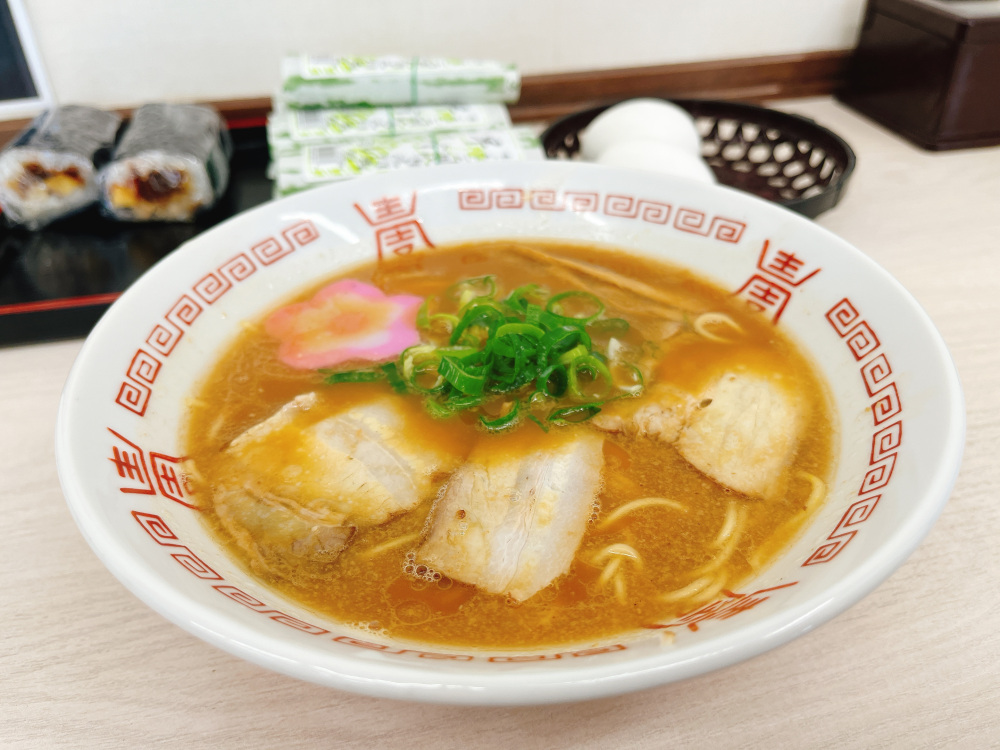
3. Boiled eggs and hayanare-zushi (pressed sushi made with lightly fermented fish) sit out on the table for you to take whenever you like.
*With the noodle portion on the small side, they help round out the meal. Some shops also serve oden, a pot of assorted ingredients simmered in broth.
4. In place of the naruto fish-cake spirals that top ramen elsewhere in Japan, the garnish here is usually kamaboko, a firmer steamed fish cake.
*One explanation is that Wakayama City is a noted kamaboko producer.
Now for where to go!
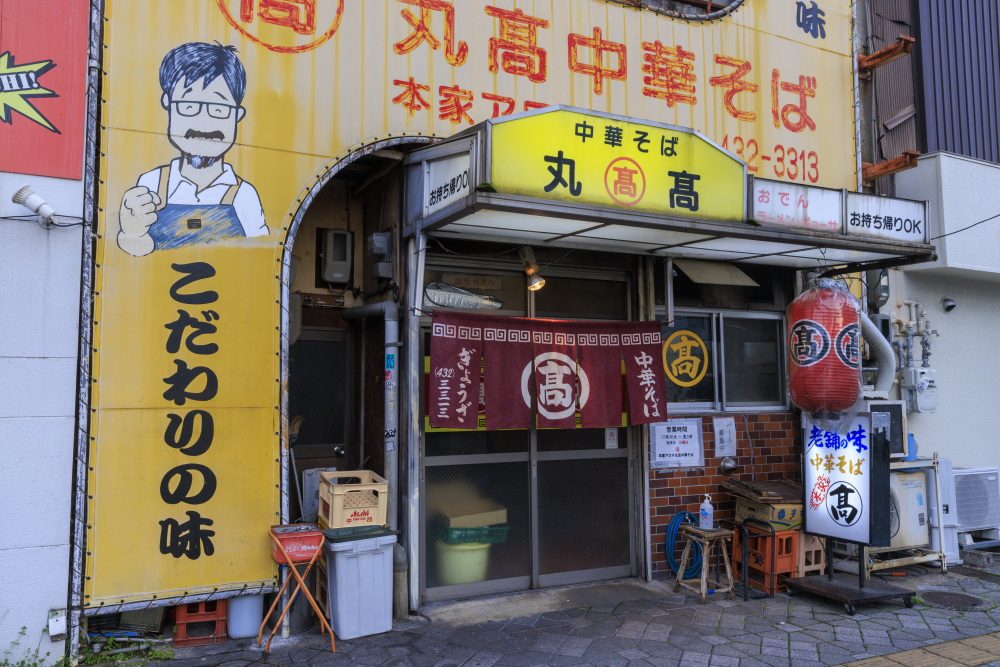
Honke Arochi Marutaka Chuka Soba (Wakayama City)
An Enduring Favorite
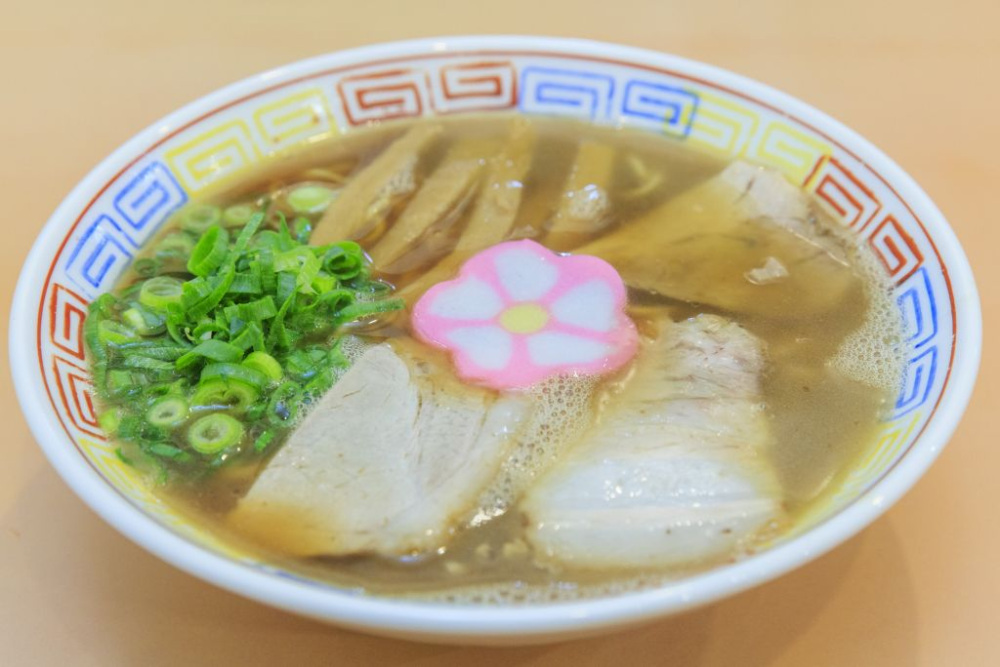
The flavor has not changed since the shop opened in 1940. Pork bones simmered with soy sauce give a broth that tastes rich but finishes clean, and the slow-cooked chashu is excellent. There are also gyoza and oden on the menu.
Address:2-50 Tomoda-cho, Wakayama City, Wakayama Prefecture
Ide Shoten (Wakayama City)
Synonymous with Wakayama Ramen
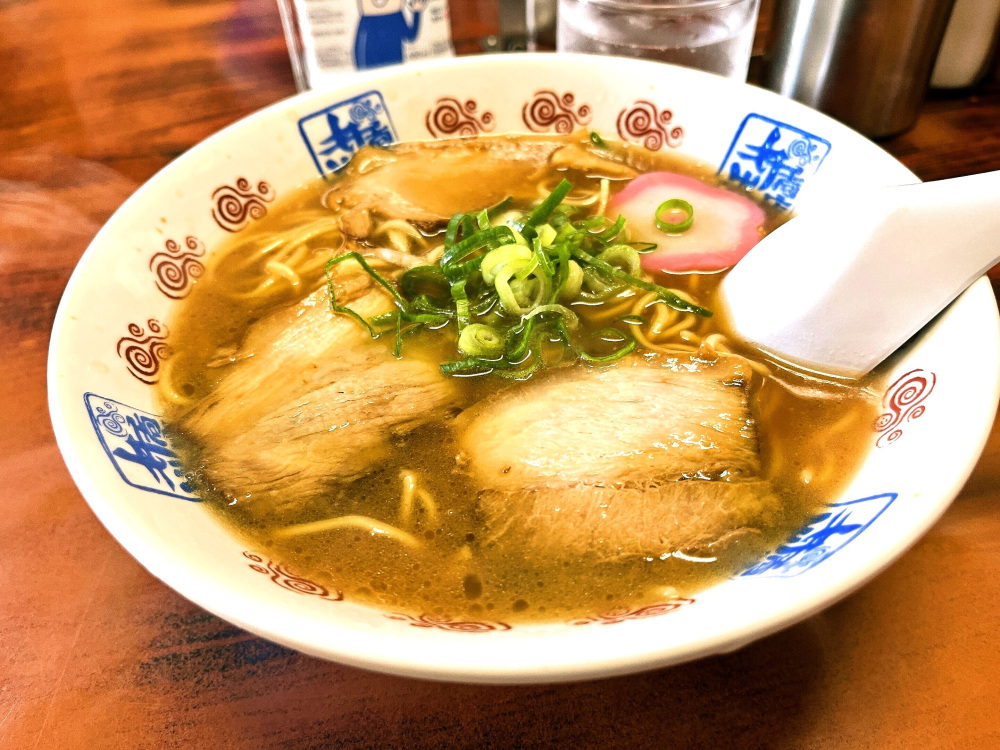
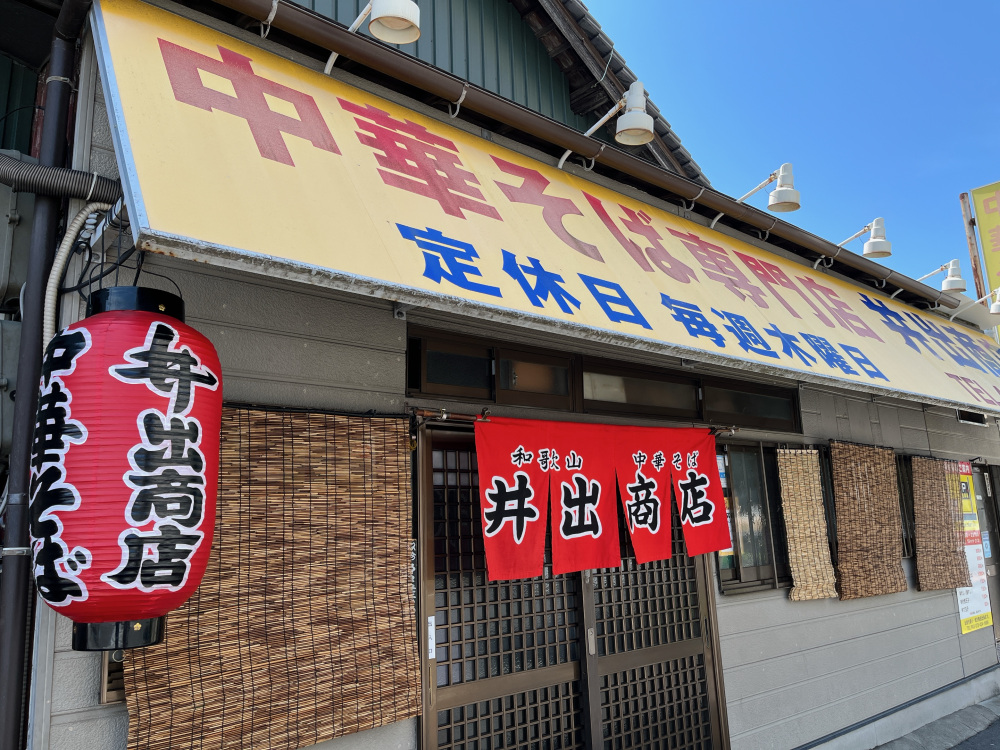
Pork and chicken bones are boiled down over many hours to make a thick, deeply flavored broth. Served with soft, thin noodles and tender chashu, this bowl is Wakayama ramen as most people know it. Signed boards from celebrity customers fill the walls, and a line of travelers forms outside on most days.
Address:4-84 Tanaka-machi, Wakayama City, Wakayama Prefecture
Parking: Available
Maruki Chuka Soba (Wakayama City)
Dark Color, Light Finish
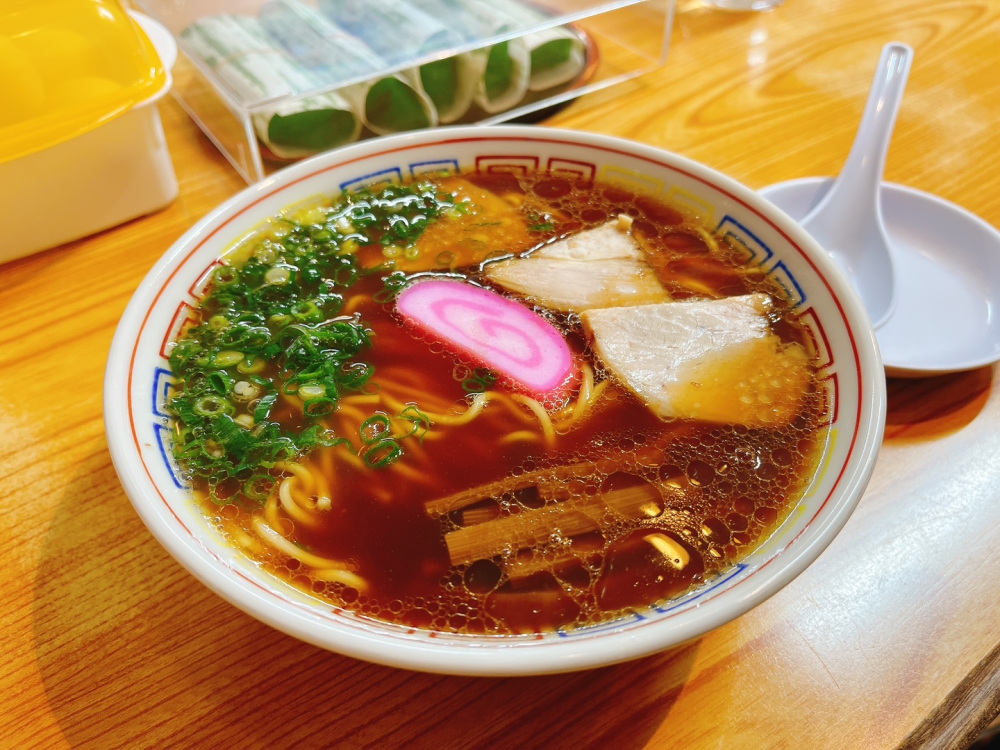
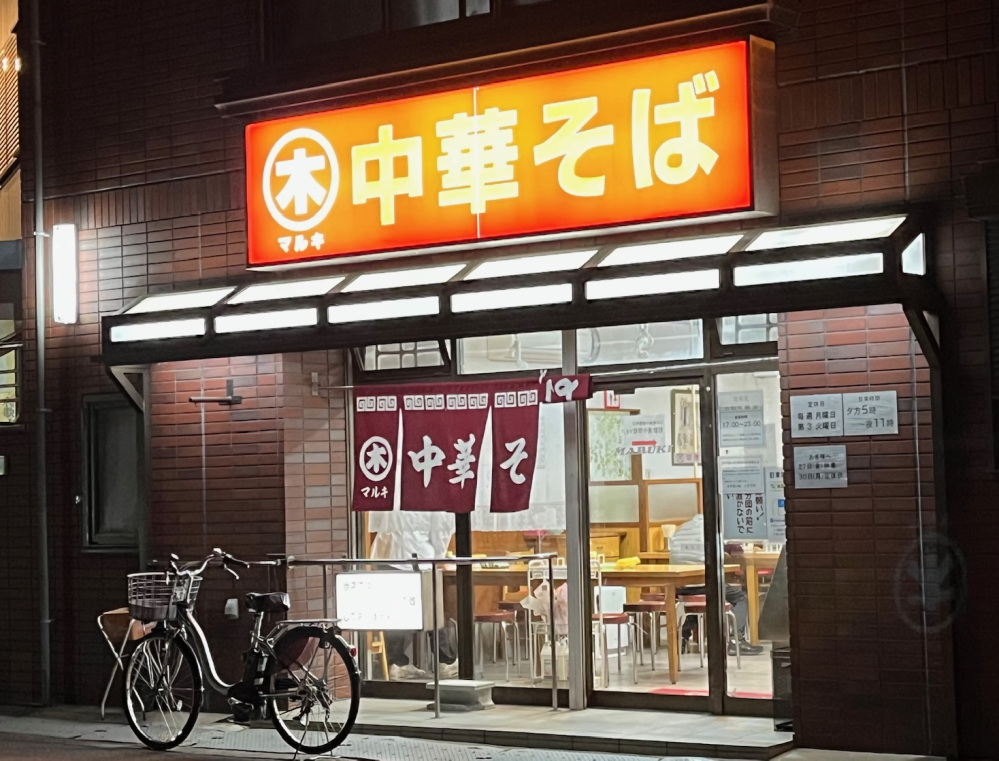
Some 70 years since its start as a street stall, the shop is run by the founder’s grandson, who keeps the traditional flavor intact. Careful preparation of the bones yields a clean broth that goes down easy. The menu runs to three items and no more: chuka soba in a single size, saba-zushi (pressed sushi of fermented mackerel), and eggs.
Address:1-1-3 Wakaura-minami, Wakayama City, Wakayama Prefecture
Parking: Available
Marusan(Wakayama City)
A Wakayama Classic with a Wider Following
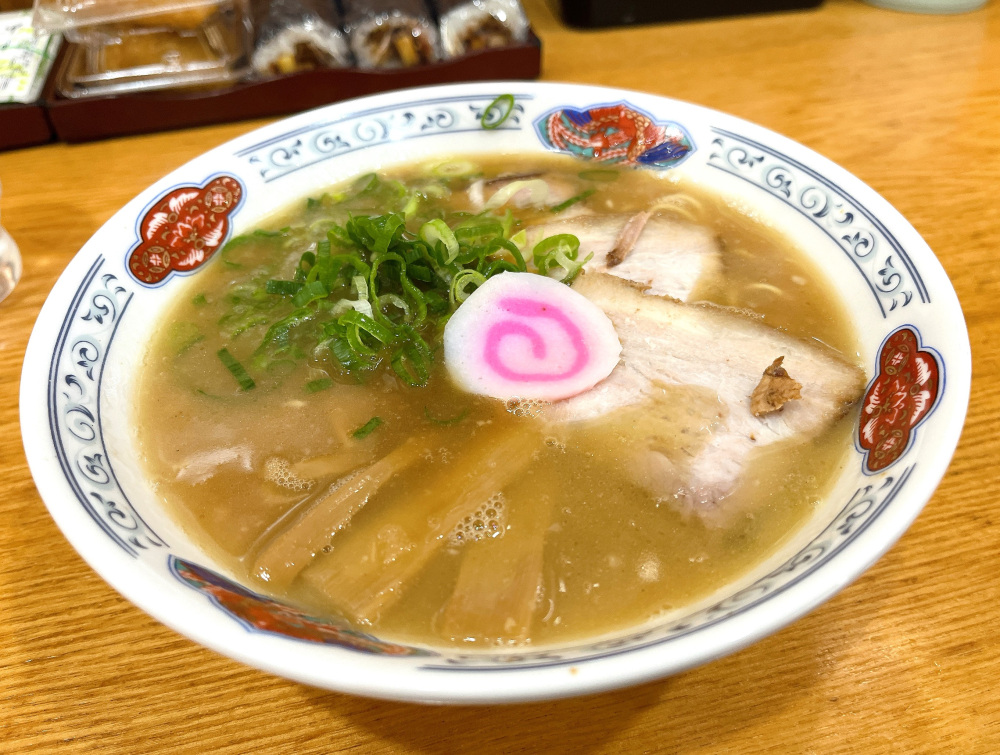
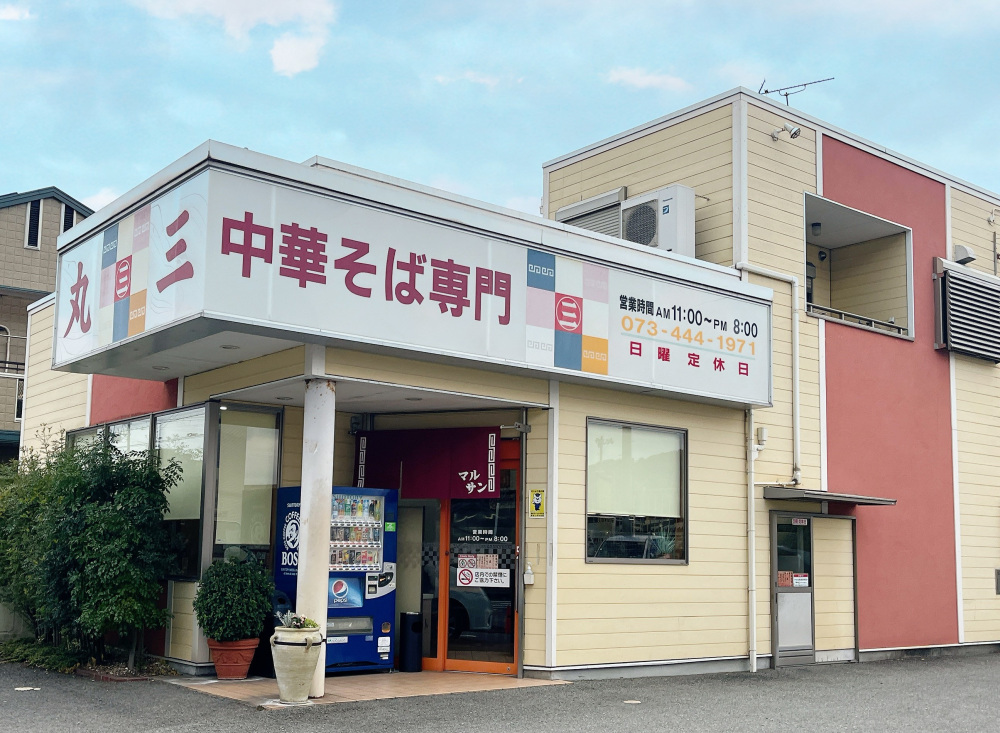
Plenty of customers come from outside Wakayama to eat at Marusan. The tonkotsu-shoyu broth is deep and mellow—just the way it’s meant to taste. Aromatic vegetables go into the pot to keep any porkiness in check, one of several steps the kitchen takes to get the balance right. Thin noodles carry the broth well, and the chashu has just enough fat to match it.
Address:6-2-88 Shioya, Wakayama City, Wakayama Prefecture
Parking: Available
Maruyama Chuka Soba Komatsubara honten (Wakayama City)
A Beautiful Balance of Thin Straight Noodles and Light Broth
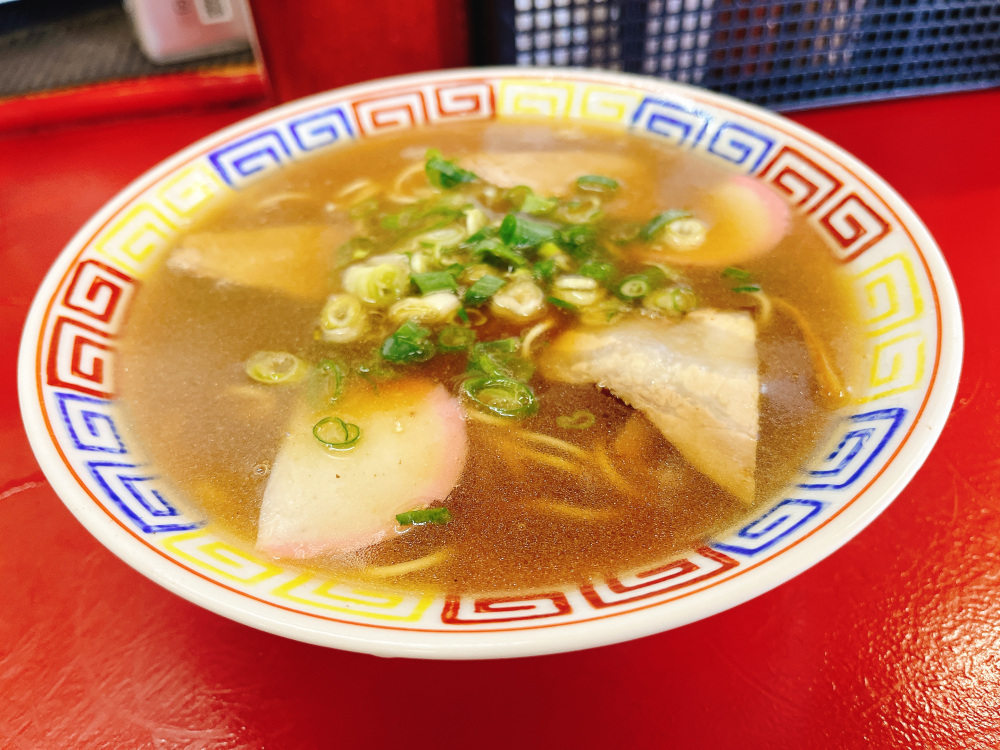
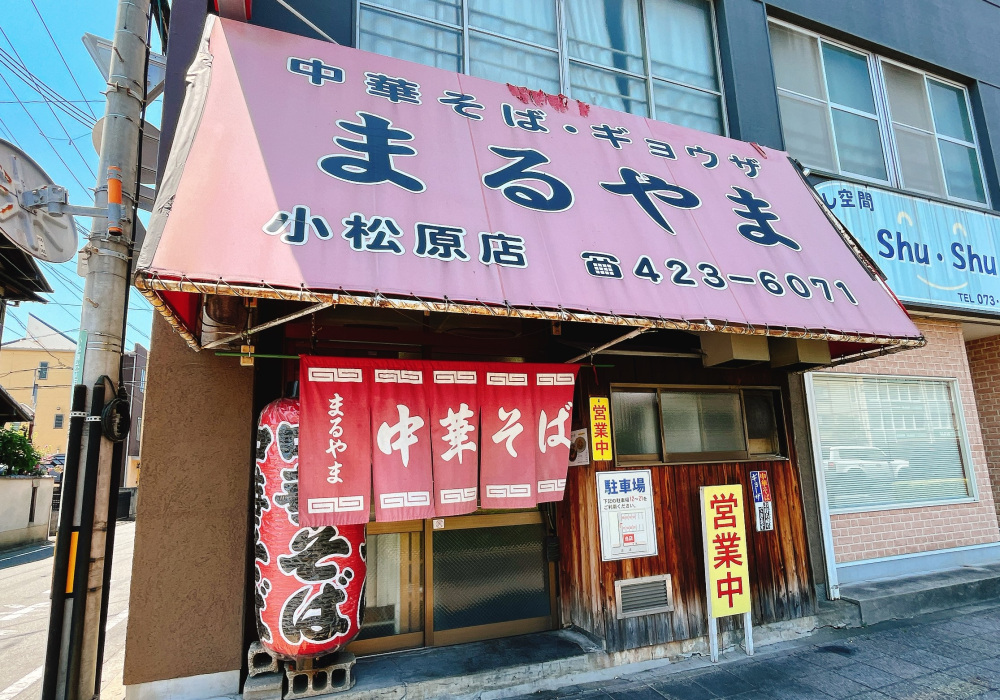
This is another shop that began as a stall, now more than 60 years old, still serving the tonkotsu-shoyu broth it opened with. The color is dark, but the taste is lighter than it looks. Thin straight noodles suit it well, and there is a solid range of sides, such as oden, and set meal options.
Address:6-1-14 Komatsubara, Wakayama City, Wakayama Prefecture
Tel: 073-423-6071
Parking: Available
Chuka Soba Senmonten Masayoshi (Wakayama City)
A Local Favorite, Smooth and Mellow
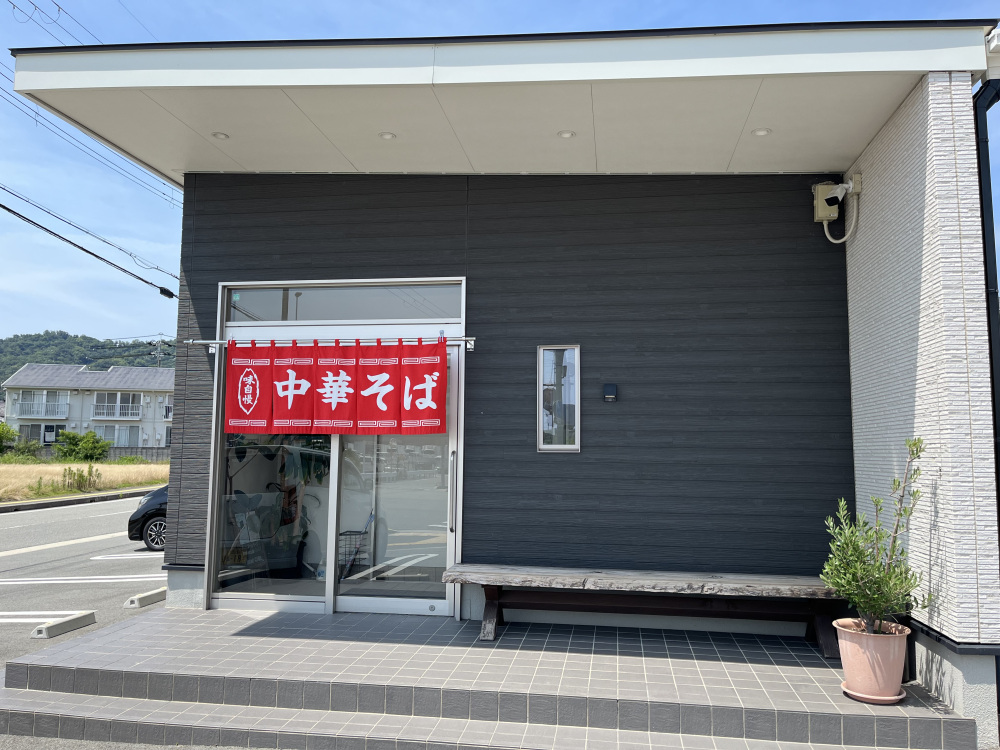
The signature broth is boiled hard for more than 12 hours and comes out dark but mellow, and it has earned the shop a wide following. Chicken bones go in alongside the pork, which the kitchen says draws out a sweetness and keeps the finish clean. One topping option you rarely see elsewhere is a raw egg dropped into the bowl.
Address:612-1 Nogawa, Wakayama City, Wakayama Prefecture
Parking: Available
Moto Shako Mae Marumiya Chuka Soba Honten (Wakayama City)
An Old Hand Serving House-Made Noodles in Rich Broth
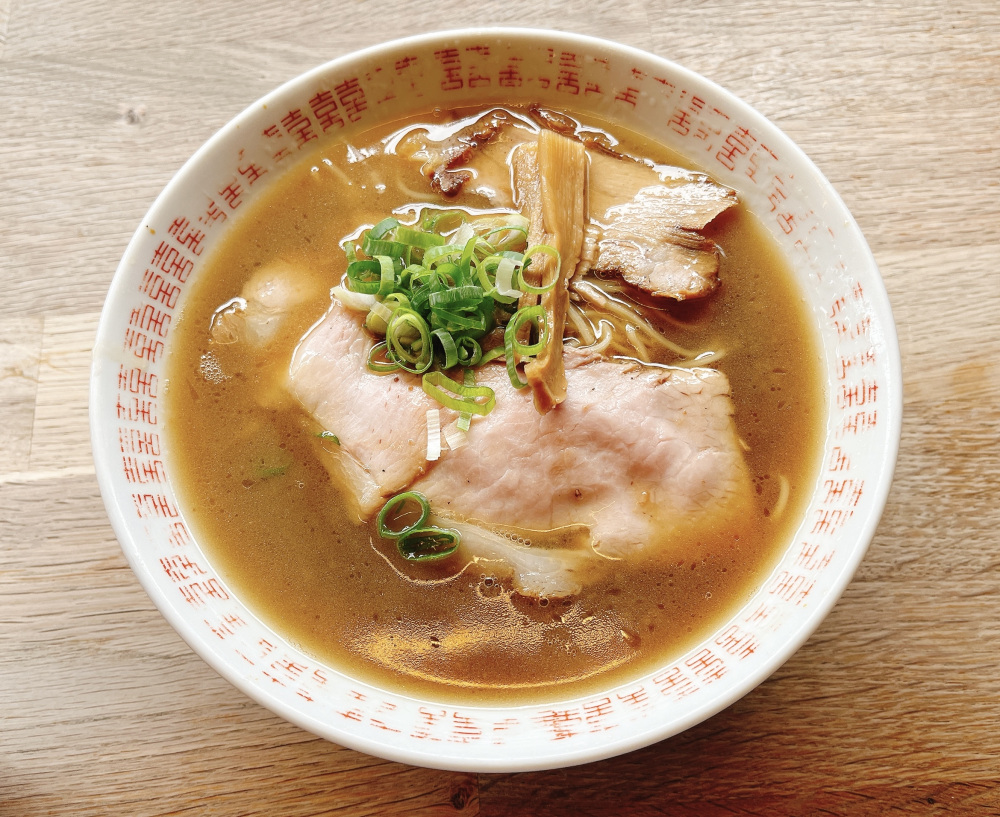
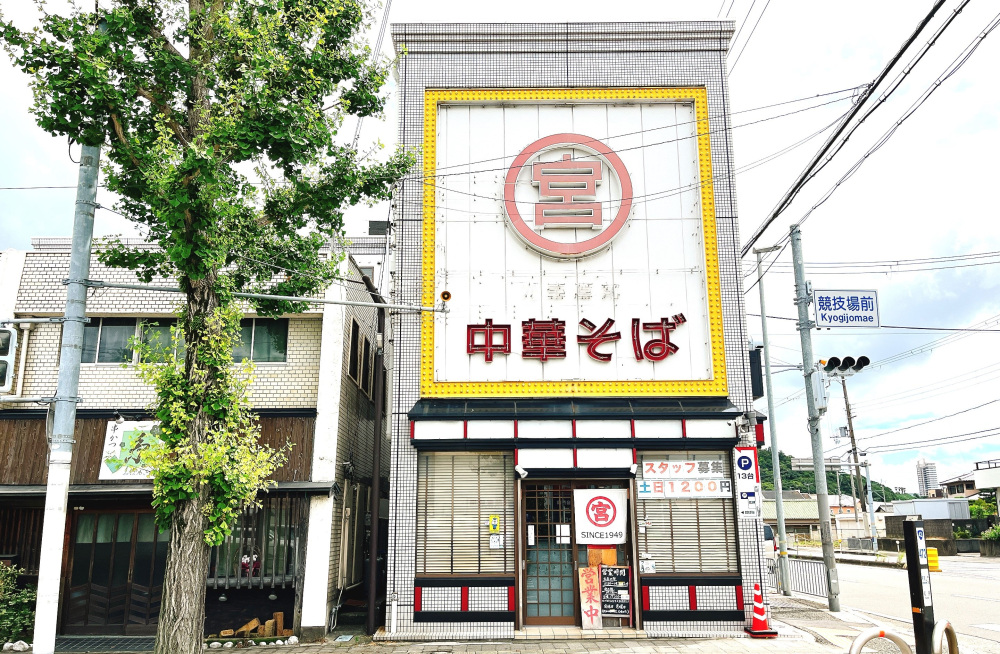
Open since 1949, the shop makes thin noodles in-house from Japanese wheat, which pick up the thick broth for a smooth finish. A long list of Chinese dishes, among them gyoza, fried rice, karaage fried chicken, and sweet-and-sour pork, makes for a great lunch or dinner.
Address:1130-3 Kemi, Wakayama City, Wakayama Prefecture
Parking: Available
Chuka Soba Marutaya (Wakayama City, Iwade City, and Shirahama Town)
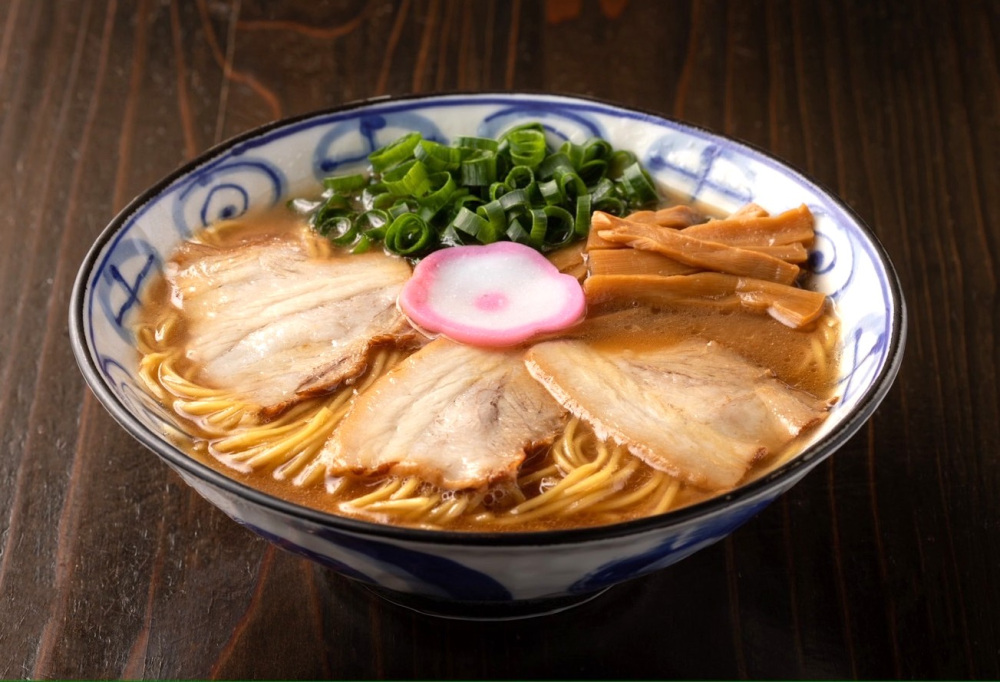
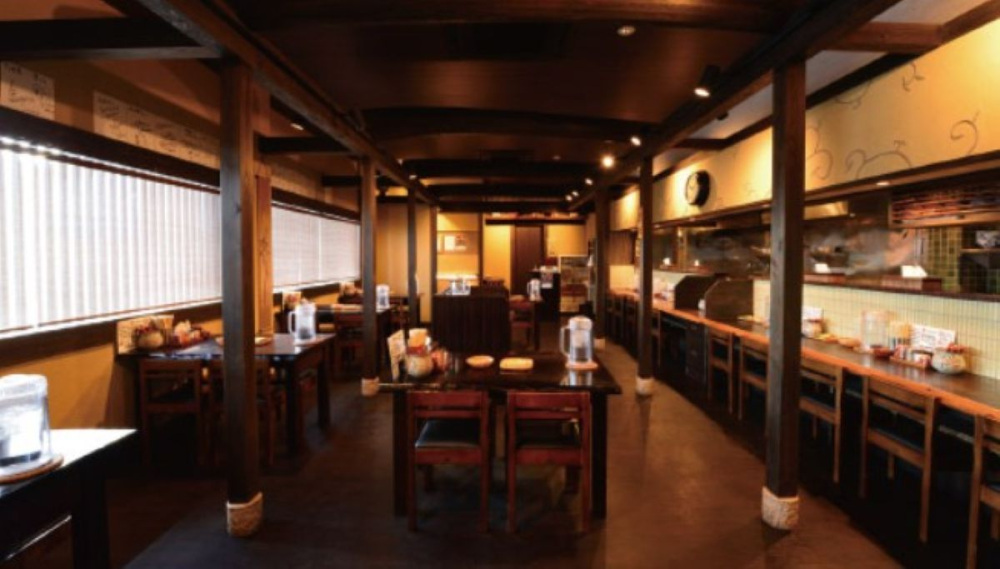
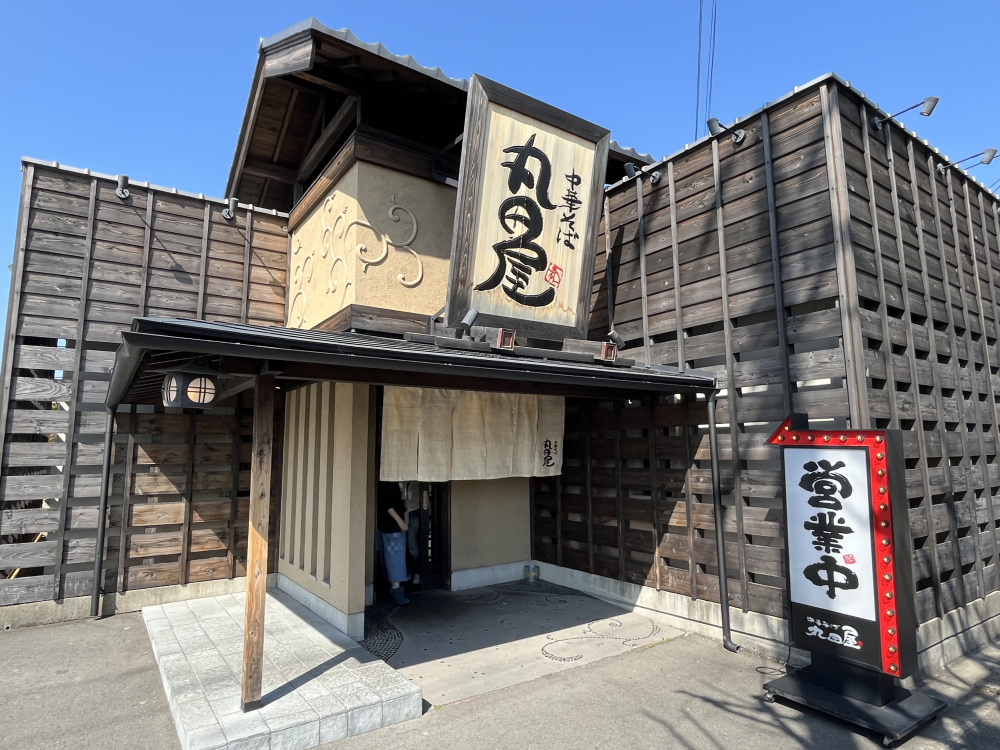
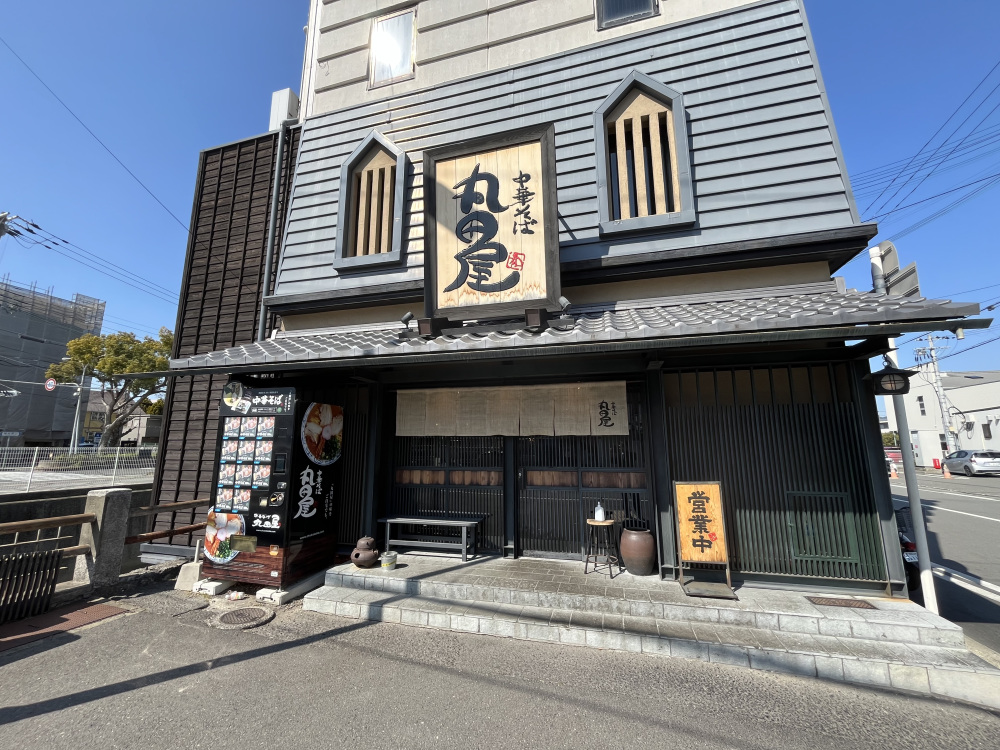
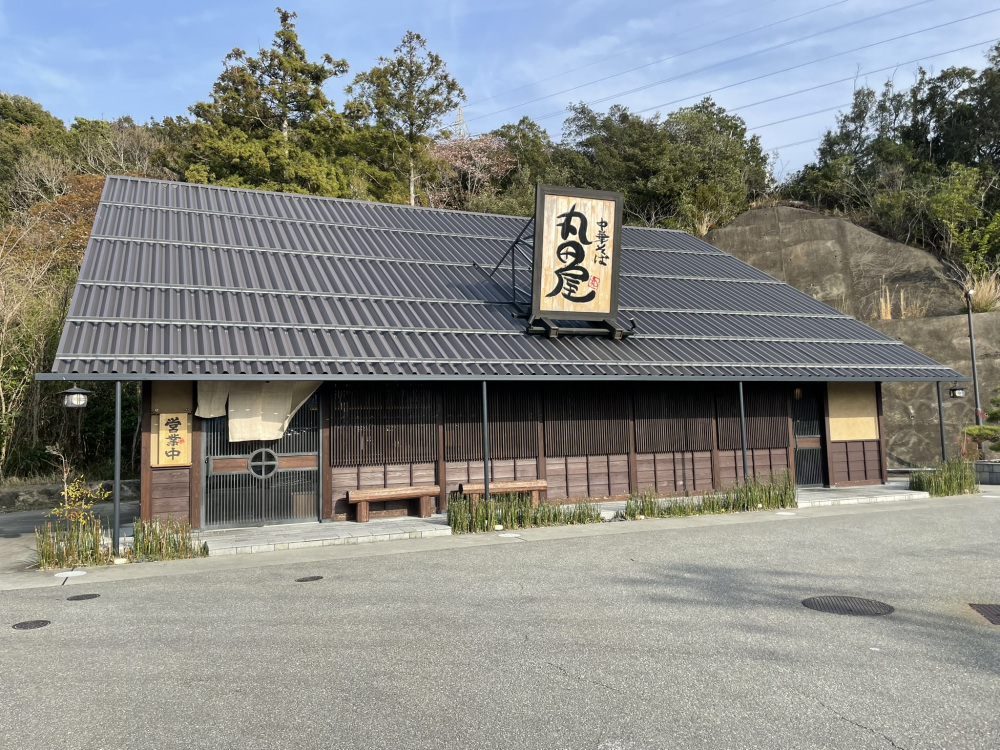
Traditional Flavor in a Contemporary Setting
Marutaya serves traditional Wakayama chuka soba in roomy spaces. Pork and chicken bones simmer for upward of eight hours into a broth that is savory, aromatic, and thick. The medium-thin straight noodles are made to hold it, firm to the bite and smooth going down, and the chashu, cut from three-breed crossbred pork belly, draws praise of its own.
Marutaya Iwade main branch
Address:632-1 Nakakuro, Iwade City, Wakayama Prefecture
Parking: Available
Marutaya Jiromaru branch
Address:76-3 Jiromaru, Wakayama City, Wakayama Prefecture
Parking: Available
Marutaya Burakuri-cho branch
Address:5-35-1 Kitashin, Wakayama City, Wakayama Prefecture
Parking: Available
Marutaya Nanki Shirahama branch
Address:2498-1 Katata, Nishimuro District, Wakayama Prefecture
Parking: Available
Marukyo Chuka Soba (Wakayama City)
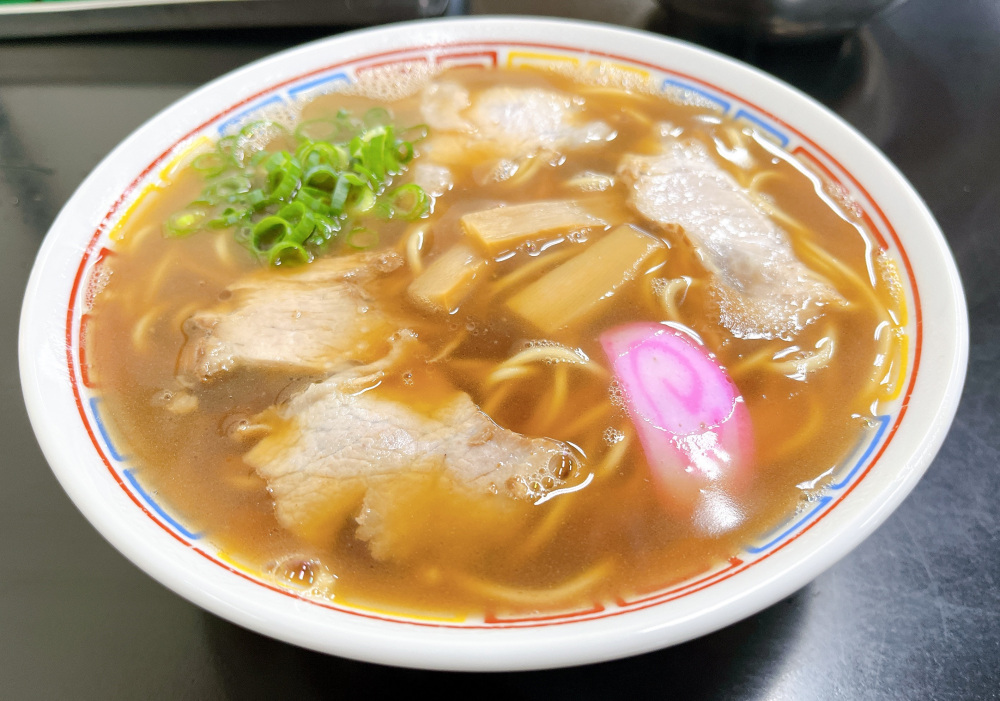
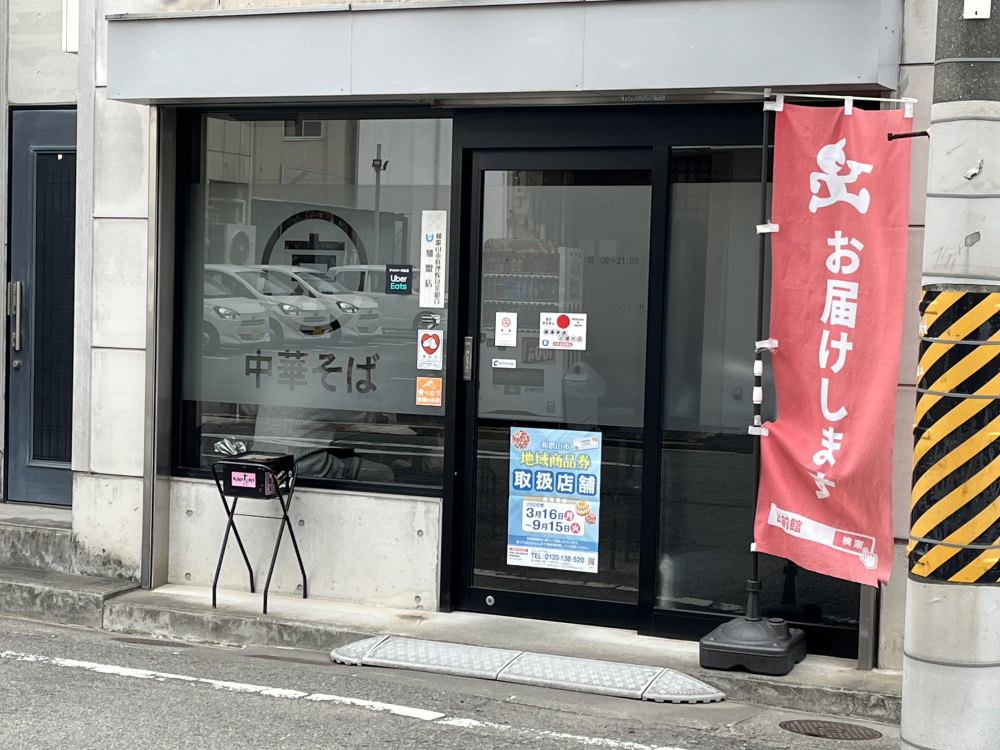
Season the Broth to Your Own Taste
The frontage is modern these days, but the shop has been going for roughly 70 years. Pork bones simmered directly in soy sauce make a thick broth with a pronounced savory depth—the traditional Wakayama ramen flavor. There is extra broth seasoning on the table, so you can adjust the strength to your liking.
Address:120 Saika-machi, Wakayama City, Wakayama Prefecture
Yamatame Shokudo (Wakayama City)
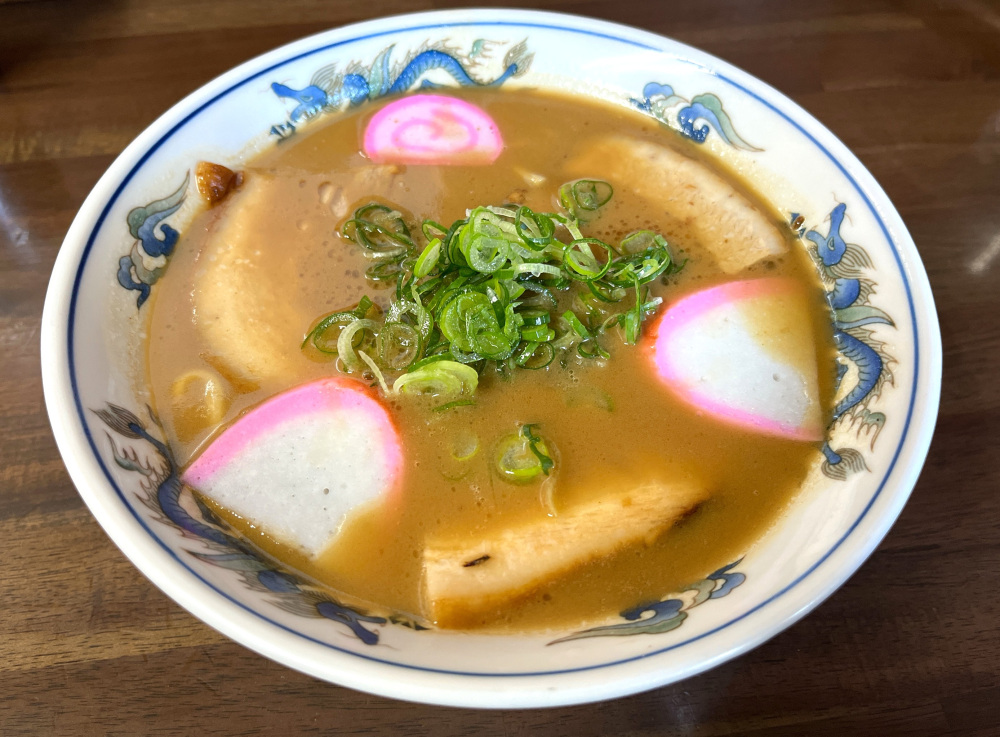
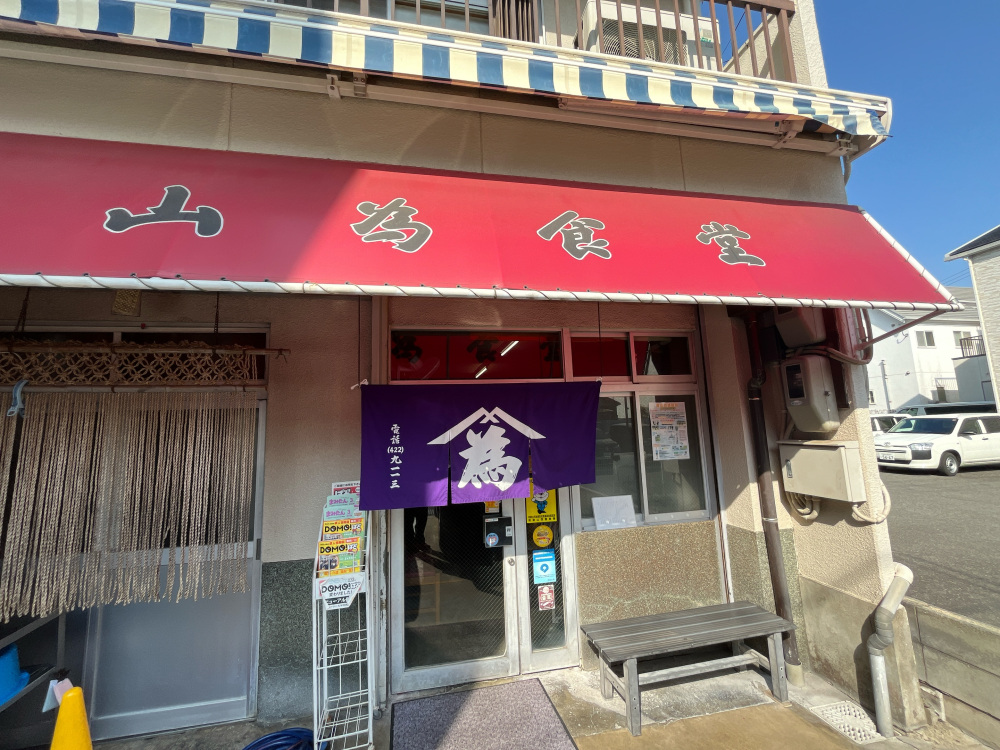
Thick Broth People Keep Coming Back For
This down-to-earth diner is popular for a pork broth with serious body. Selected bones are boiled for hours, and the result pairs beautifully with the slightly thicker noodles. The house chashu is soft and gets high marks too. Order noodles with a side of rice (chuka to raisu). It goes beautifully with that broth, and plenty of customers do just that.
Address:12 Fukumachi, Wakayama City, Wakayama Prefecture
Parking: Available
Wakayama Ramen Marui (Wakayama City)
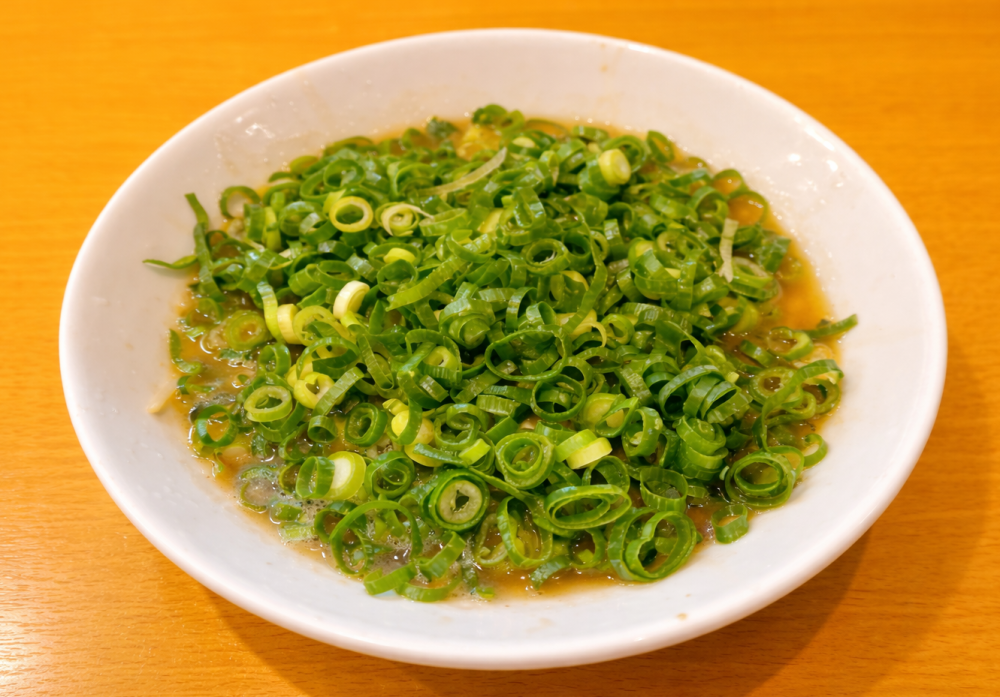
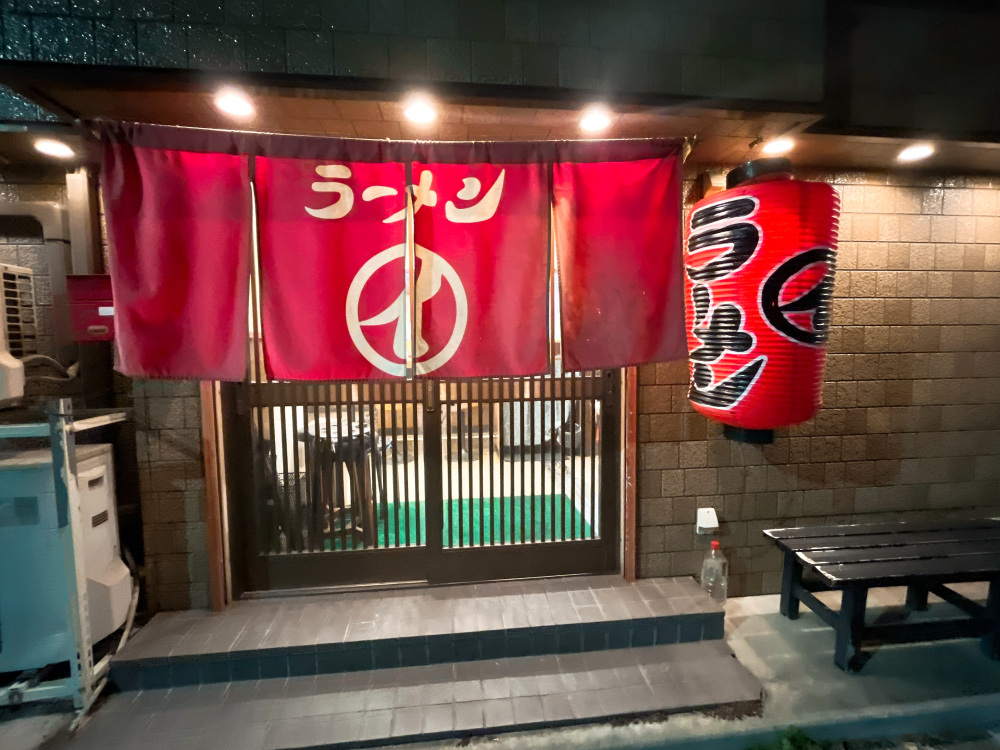
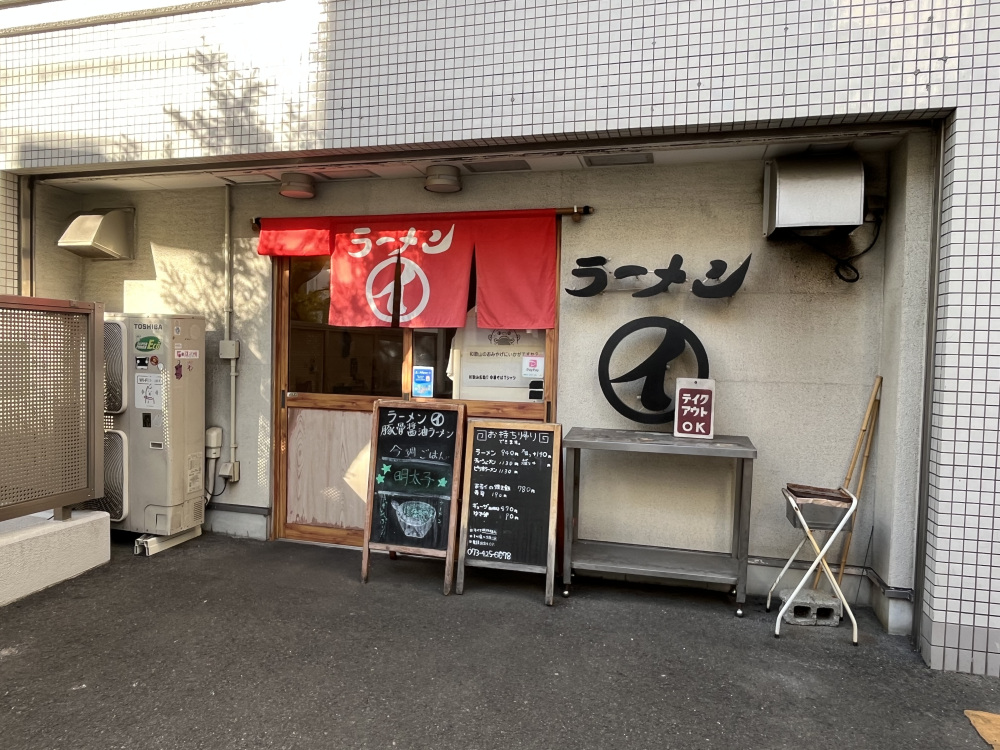
A Mountain of Scallions
The scallions heaped across the surface of the bowl get most of the attention, but underneath sits a thick tonkotsu-shoyu broth made in the established Wakayama style. The broth is rich enough that the scallions never overwhelm it. Crisp and juicy, the scallions sharpen the savory depth of this traditional Wakayama ramen.
Marui Nakanoshima branch (Arochi)
Address:2323 Nakanoshima, Wakayama City, Wakayama Prefecture
Marui Junibancho branch
Address:Le Château Junibancho 1F, 87 Junibancho, Wakayama City, Wakayama Prefecture
Kusumoto Ya (Kainan City)
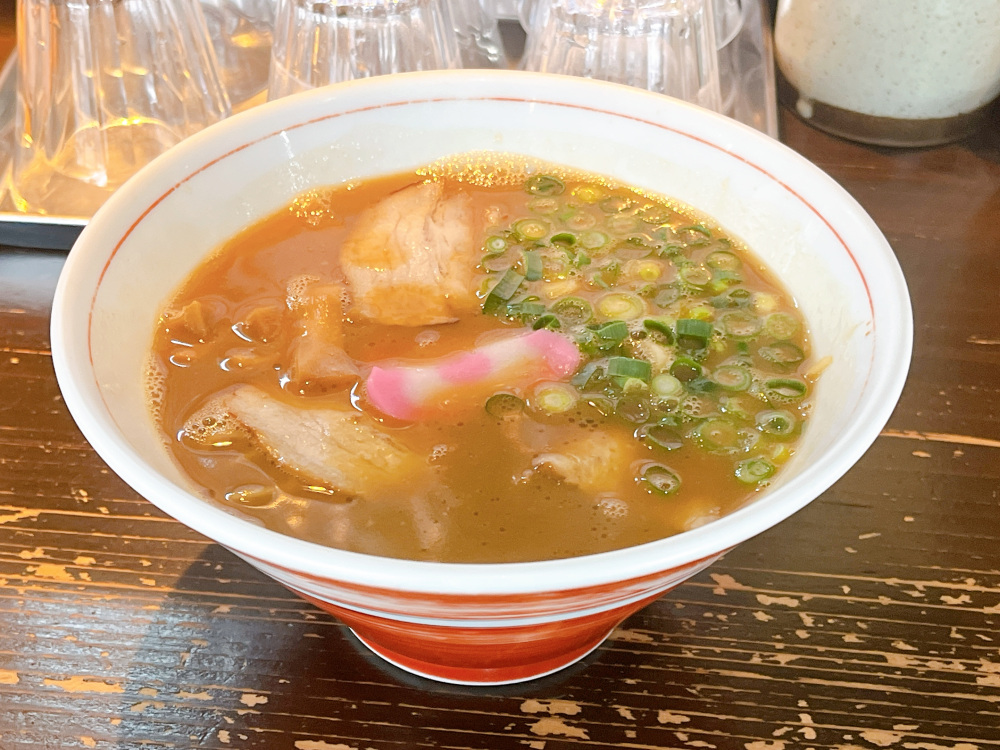
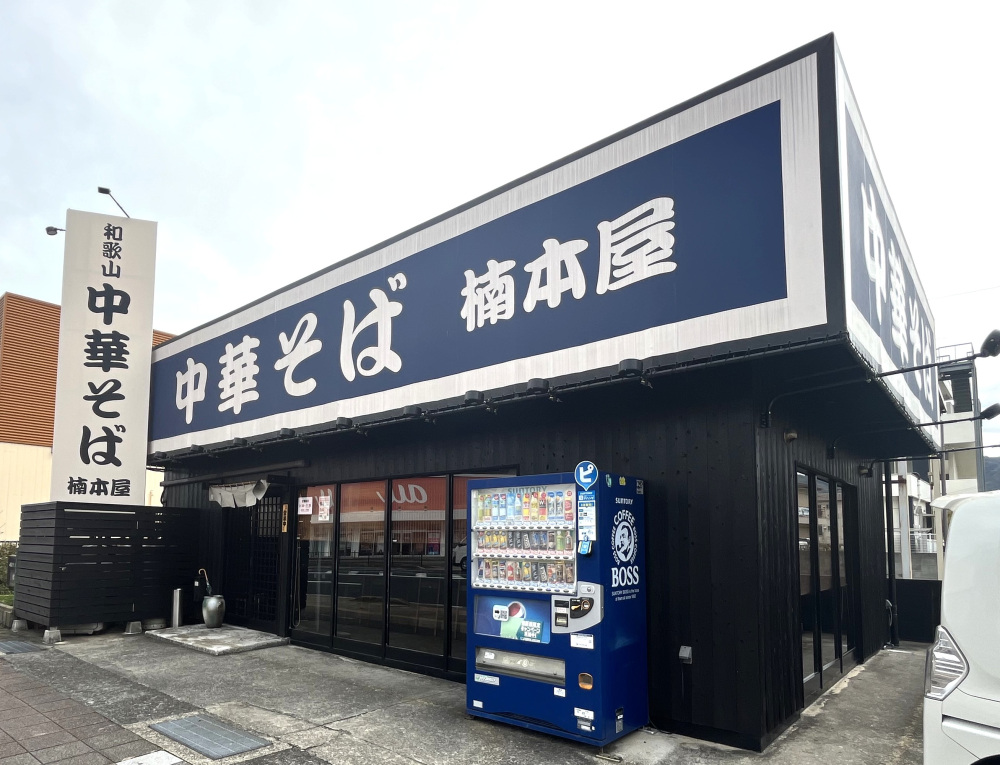
Carefully Crafted Broth, and Thin Noodles That Carry It
The broth starts with Japanese pork knuckle bones and chicken carcasses, cleaned and then simmered for hours, and is finished with Wakayama soy sauce. It’s mellow, the thin noodles pick it up nicely, and the whole bowl goes down smoothly. Go for the negi soba, made in limited numbers each day, with off-cuts of chashu and a mound of scallions.
Address:257-9 Funo, Kainan City, Wakayama Prefecture
Parking: Available
Chuka Soba Hayami (Shingu City)
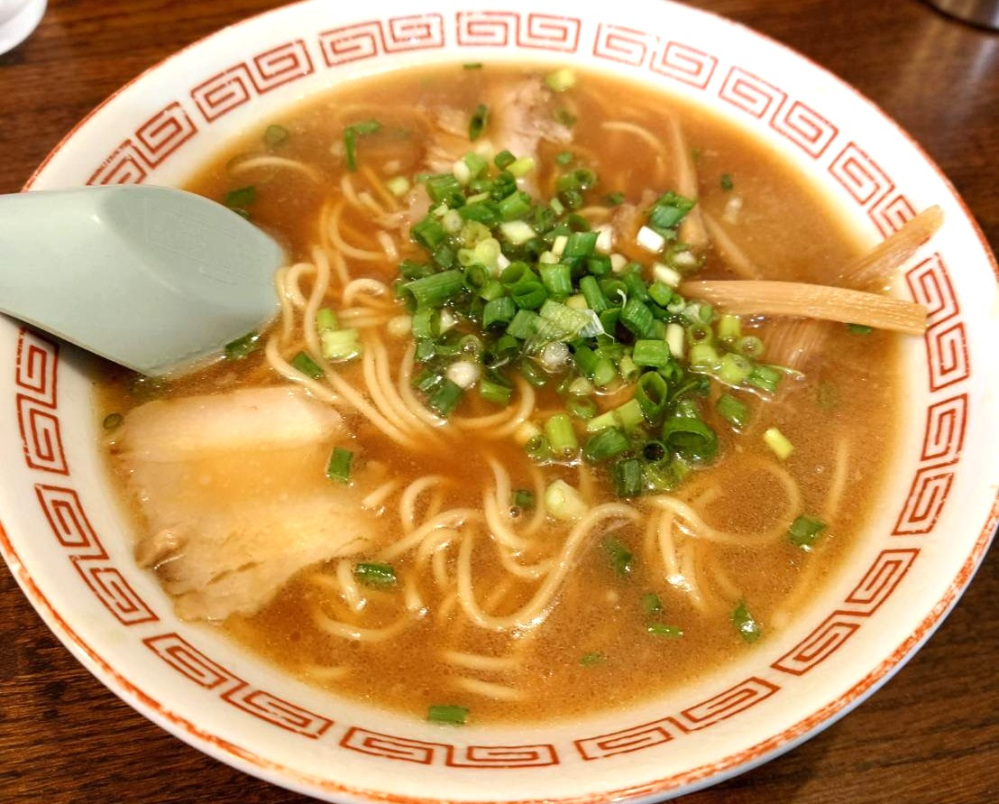
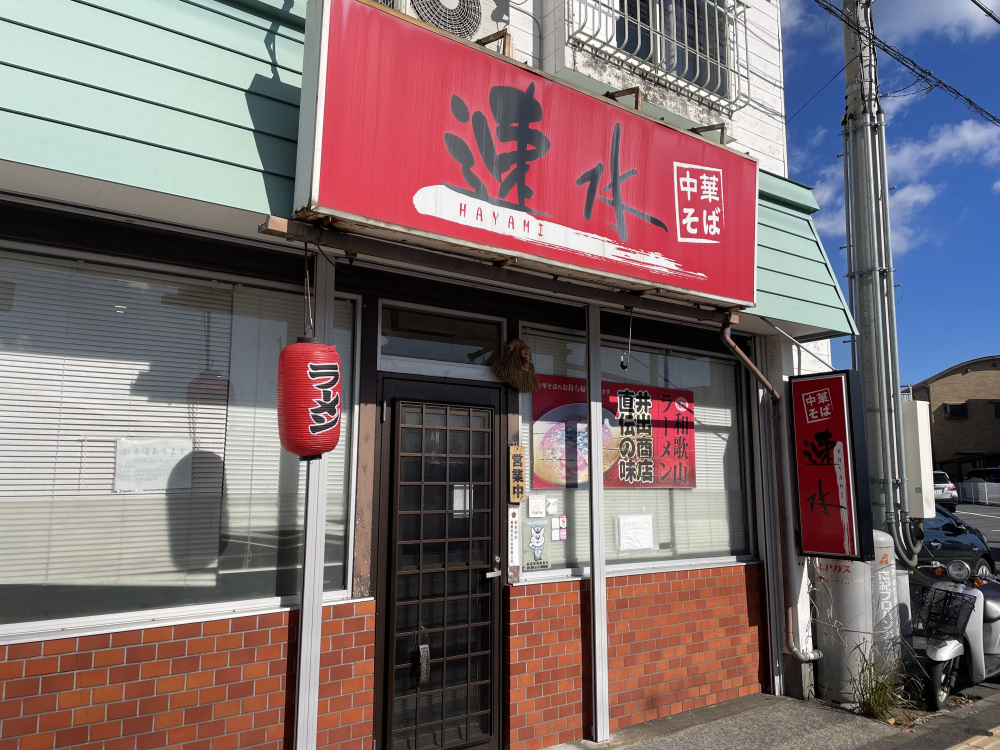
The Ide Shoten Recipe, Made in Shingu
This popular shop serves traditional Wakayama ramen. The tonkotsu-shoyu broth is rich but goes down easy and pairs wonderfully with the thin straight noodles. Order the tokusei chuka soba, topped with chashu made in the special Ide Shoten style.
Address:1-10-47 Midorigaoka, Shingu City, Wakayama Prefecture
Parking: Available
See all the shops on the map
- Honke Arochi Marutaka Chuka Soba
- Ide Shoten
- Maruki Chuka Soba
- Marusan
- Maruyama Chuka Soba Komatsubara honten
- Chuka Soba Senmonten Masayoshi
- Moto Shako Mae Marumiya Chuka Soba Honten
- Marutaya Iwade main branch
- Marutaya Jiromaru branch
- Marutaya Burakuri-cho branch
- Marutaya Nanki Shirahama branch
- Marukyo Chuka Soba
- Yamatame Shokudo
- Marui Nakanoshima branch (Arochi)
- Marui Junibancho branch
- Kusumoto Ya (Kainan City)
- Chuka Soba Hayami (Shingu City)
*GoogleMap is posted using the free tier, which has a limited number of display times. Please note that depending on the situation, there may be periods when you cannot view the site.