[A Birding Journey Through Wakayama]
Wakanoura, the sacred place for waka poetry, is also a paradise for waterbirds.
![[A Birding Journey Through Wakayama]Wakanoura, the sacred place for waka poetry, is also a paradise for waterbirds.](/lsc/upfile/article/0000/0753/753_1_l.jpg)
The May 29, 2026 issue of the travel and lifestyle magazine PAPERSKY (No. 74) features an article introducing Wakayama Prefecture.
The special feature explores the theme of birding.
This article takes readers to the Wakaura area, where history, breathtaking coastal scenery, and fresh local seafood come together. Celebrated in the ancient poetry anthology Manyoshu, Wakaura has long been admired as one of Japan's most scenic coastal landscapes.
This route brings together stunning coastal scenery and streets steeped in history, offering picture-perfect views at every turn. It's the perfect place to take a leisurely stroll with a camera in hand and capture the beauty of Wakaura at your own pace.
South of Wakayama City, Wakanoura spreads out around the tidal flats at the mouth of the Waka River. Celebrated in poetry since the Nara period, this scenic landscape has inspired generations of poetic verse. Today, a whole community of waterbirds call this delta home.
A gathering place for lovers of vocal artistry.
Man’yo poets and waterbirds.
When the tide comes in at Wakanoura,
the flats disappear beneath the sea.
Toward the reed beds,
the cranes cry as they fly.
So wrote Yamabe no Akahito, one of the great poets of the Man’yoshū collections. Appearing and disappearing with the rise and fall of the tide, the tidal flats of Wakanoura change from moment to moment. The scenery captivated Akahito and other influencers of the age (from poets to court nobles), and became the subject of countless popular songs in the form of waka poetry. Today, these same flats attract a very different kind of vocalist.
![Wakanoura spreads out around the tidal flats at the mouth of the Waka River, south of Wakayama City. Its poetic scenery was also depicted by Utagawa Hiroshige in Rokujū-yo-shū Meisho-zue [Famous Views of the Sixty-odd Provinces].](/lsc/upfile/articleDetail/0000/5267/5267_1_m.jpg)
“Look, over there! That’s a Japanese rock thrush. And beside it, a white wagtail. Listen closely. Such a delicate voice, isn’t it? The bird perched on those blocks over there is a buff-bellied pipit. And beyond that, on the sandbar, there’s a grey heron.”
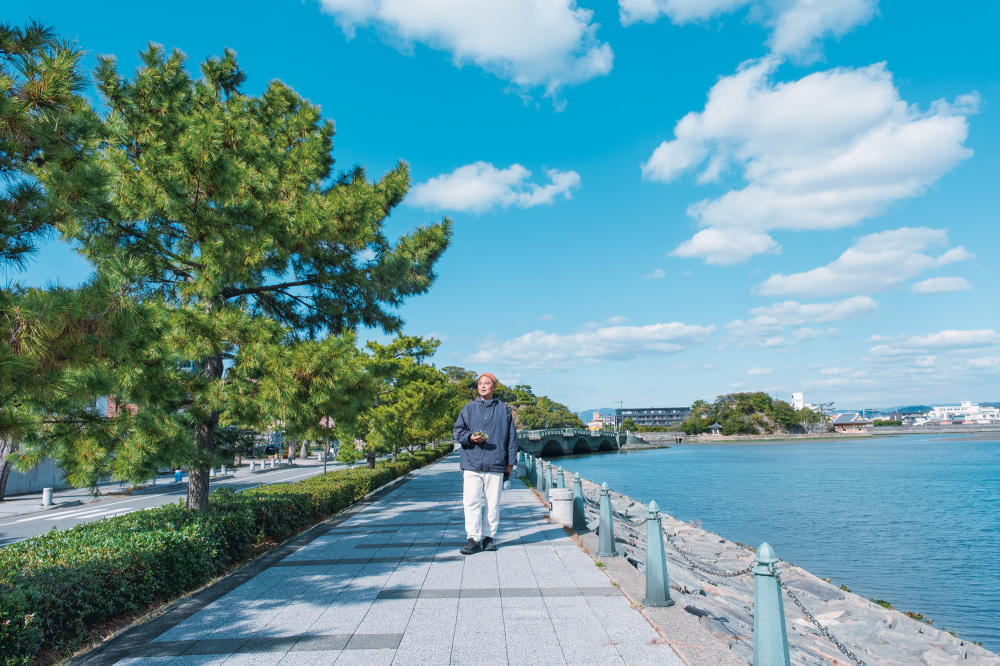
Walking leisurely through the Japanese garden along the beach, binoculars in hand, Mamoru Nakagawa, who has been birdwatching for over 40 years, begins identifying the birds around us one after another.
Where? The brown one? While we are still trying to catch up, Nakagawa’s binoculars have already found another species. Sound creator Nagipan, holding a microphone and recorder in one hand and binoculars in the other, is just as absorbed, peering through the lenses.

Binoculars from West Coast brand" Nocs Provisions" are designed to double as a telephoto lens for smartphones, making them ideal for Birding.
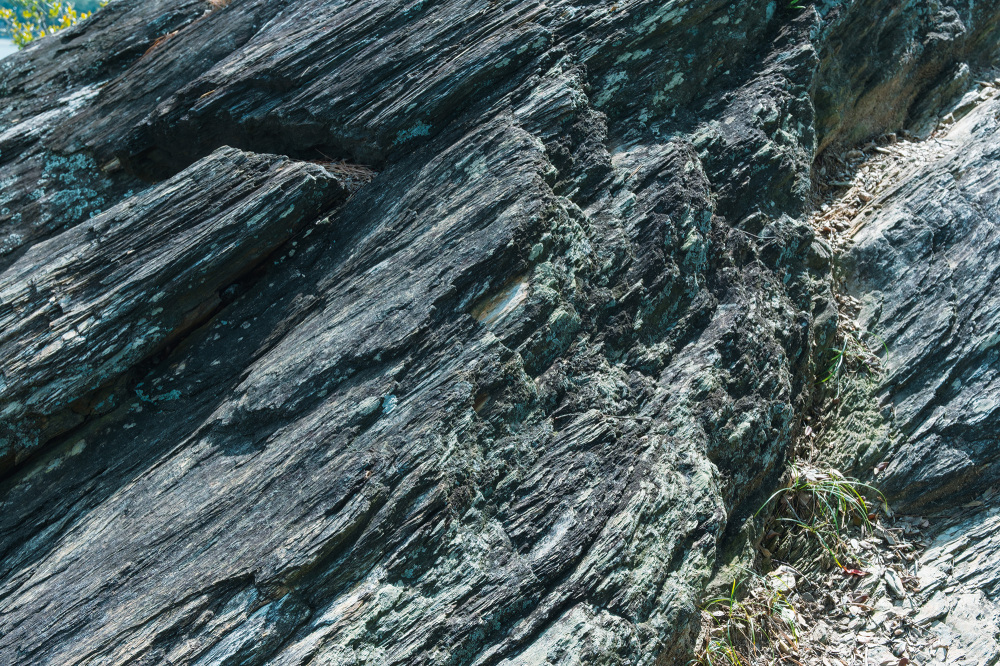
Scenes depicted since the Man’yo era
We begin at Kagamiyama, within the grounds of Tamatsushima Shrine, and Tenkuyama, just behind the shrine. From these small hills, where emperors are said to have stopped without fail on their pilgrimages to Kumano since the Man’yo era, the tidal flats of Wakanoura and the surrounding mountains open into view.
The flats before us are among the largest in the Kinki region, a richly diverse environment where around 300 species live side by side.
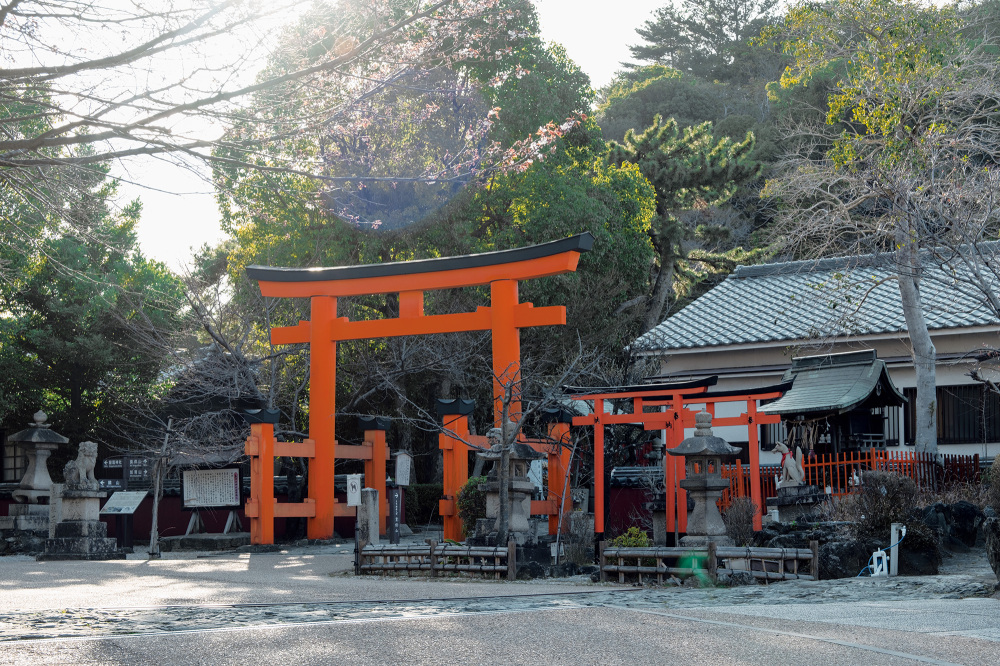
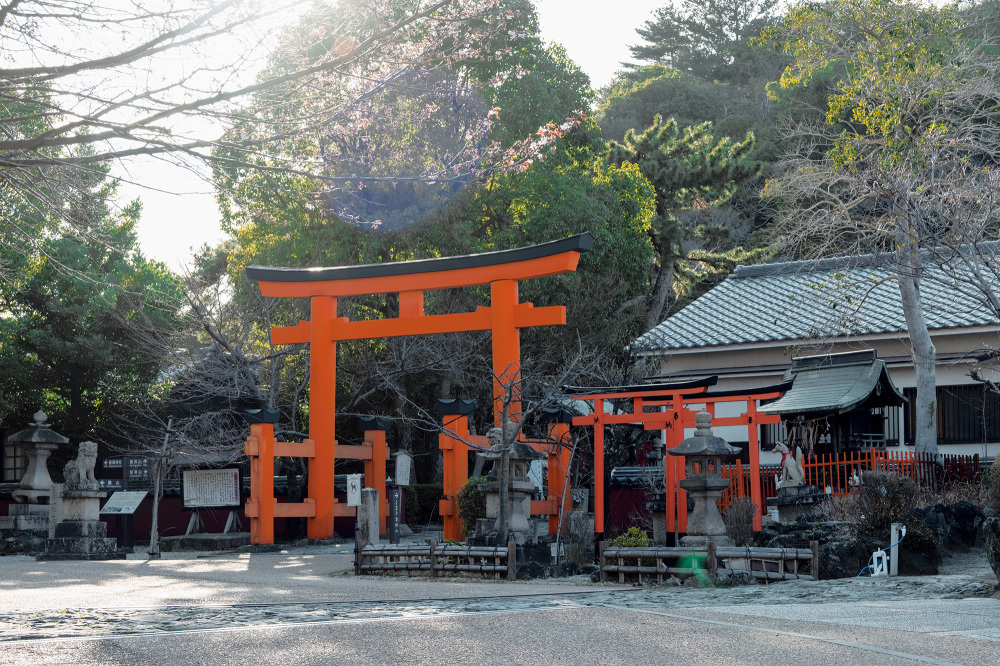
Tamatsushima Shrine, where emperors and court nobles are said to have prayed for skill in waka poetry.
Our guest, Nagipan, moved from Hyogo to a village on the outskirts of Wakayama City two years ago, drawn by the idea of living in an old folk house. One of the best things about his current home, he says, is being able to play music as loudly as he likes without worrying about the neighbors. But that also means living in a place where he can fully enjoy the sounds and rhythms of nature: birds and animals calling nearby, trees rustling in the wind.
As we look out over Wakanoura with Nagipan from Tenkuyama, all kinds of songs begin to rise from the trees around us.
“The clear, hii-yo, hii-yo that carries far is the brown-eared bulbul. The song with that flowing feel is the Japanese white-eye. And that small bii-bii call is the varied tit,” Nakagawa explains.
“I’ve recorded birdsong before, but I never really thought about what the birds behind those voices actually looked like,” Nagipan says. Once he has a pair of binoculars in hand, he seems completely mesmerized by the birds in the lenses.
"ROMA", a bakery with a charming loaf-shaped exterior
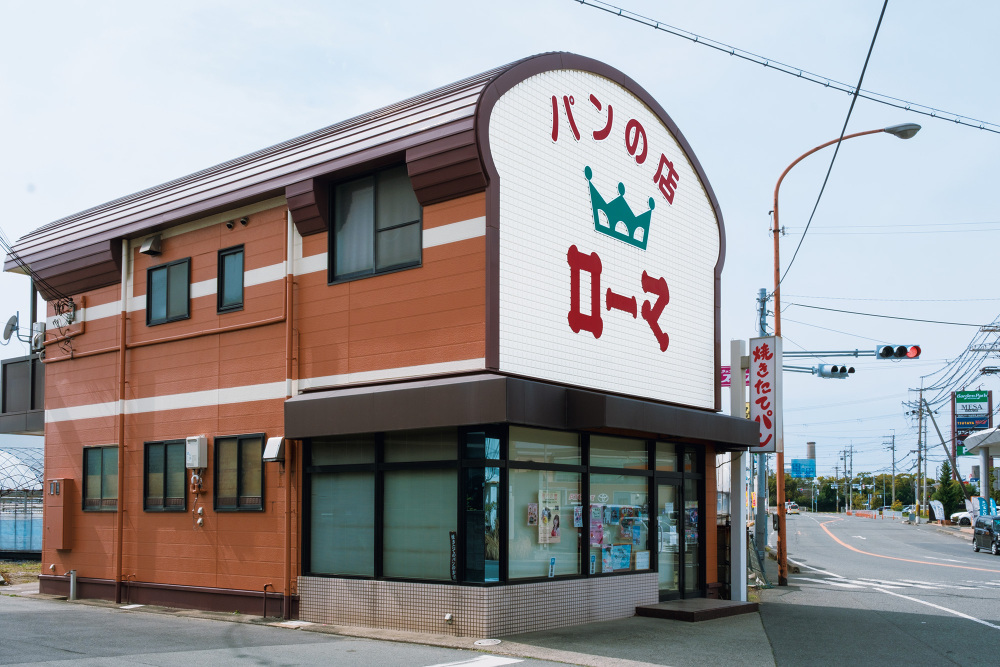

Roma is a bakery with a charming loaf-shaped exterior and a wide selection of savory breads. Worth a stop when looking for a snack on a walk through town.
“Izumiya Pan,” which closed its doors in 1997 to much regret, was nothing short of the “soul bread” of Wakayama Prefecture. “Roma,” which carries on that legacy, recreates the nostalgic flavors that made “Izumiya Pan” so popular. A prime example is the “Fruit Bread,” featuring fluffy, soft dough filled with generous amounts of fresh cream and chunks of mandarin orange and pineapple.
Over 300 kinds of birds in this paradise
We leave the small hill and walk toward the Kankai-kaku pavilion to observe the birds that come to the tidal flats. Though we are only a few hundred meters from Tamatsushima Shrine, the cast of birds changes completely: a pure white great egret, a grey heron, mallards, and a Japanese rock thrush along the shore.
As the tide rises and falls, the flats appearing and disappearing, constantly shifting in form, so do the birds that show themselves and the calls that reach our ears. This is part of what makes Wakanoura so fascinating: visit at low tide and high tide, and you encounter a different world of birds.
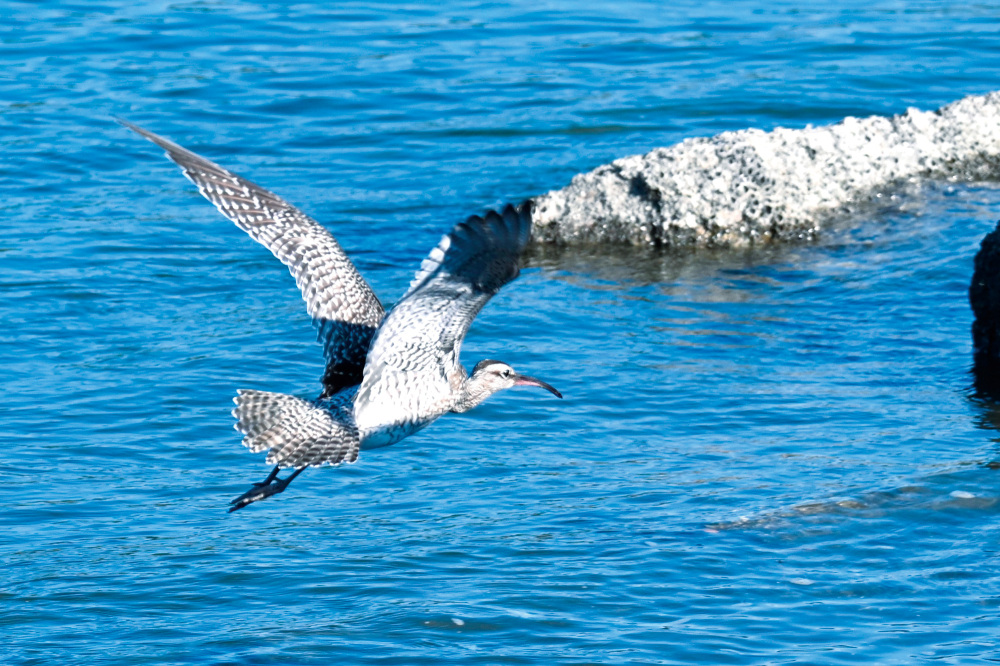
“If you want to observe birds closely, the best thing you can do is understand their behavior and the environment around them. The climate, the geology, the wind, what they eat, how they live, and how they have adapted to this kind of setting. You can find clues to the birds within the nature they inhabit,” says Nakagawa.
“By listening to birdsong and then seeing the birds themselves, I feel like I was able to understand the natural environment around us a little more deeply,” says Nagipan.
The lives of birds are far richer than expected, full of small discoveries and new ways of seeing. Follow us as our birding journey continues across Wakayama, watching, listening, feeling, and describing the charm of birds.
Shuneido, a confectionery shop loved by Wakayama locals


For a sweet loved by Wakayama locals, try the Shu-Paris from Shuneido, founded in 1925. The crisp choux pastry and cream make a perfect contrast.
“Shuneido” was founded in 1925 as a traditional Japanese confectionery shop. The shop’s signature “Chou-Pari” was created by Katsunori Minami, the third-generation owner and pastry chef. In addition to the standard “Chou-Pari,” the lineup includes flavors such as strawberry, matcha, and fresh chocolate.
Takada Kozo Shoten, a shop specializing in traditional Japanese tawashi scrub brushes
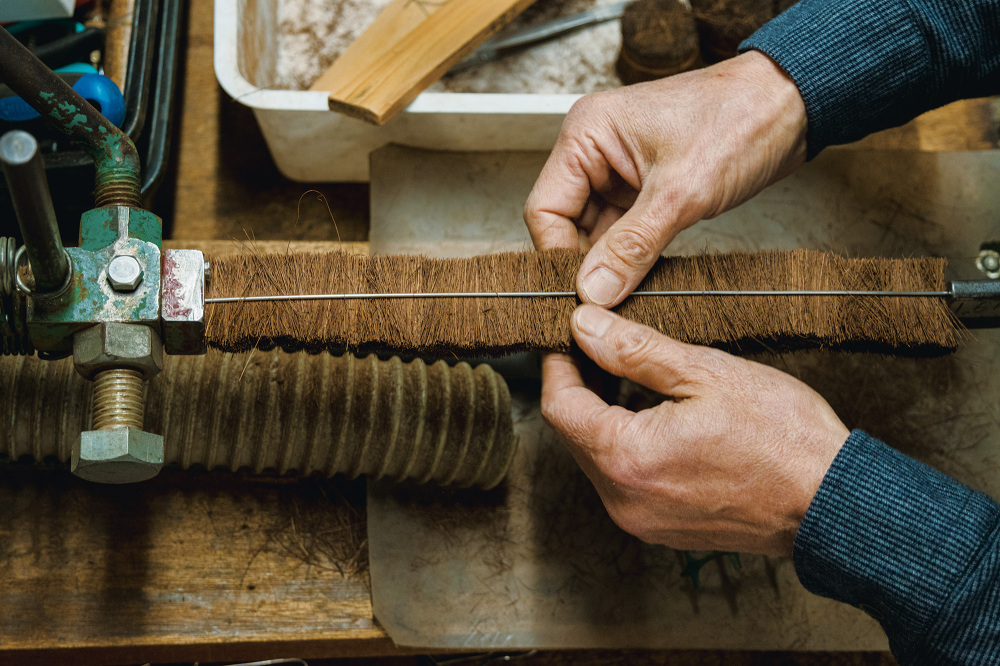
After a walk around Wakanoura, take a short drive to Takada Kozo Shoten, a shop specializing in tawashi scrub brushes. Craftsmen hand-make each brush using carefully selected palm fibers from Japan and abroad.

Born in Hyogo Prefecture. Sound creator. After working under the name MICHEL☆PUNCH, he began releasing music as Nagipan in 2020. In 2024, he relocated his base to Wakayama. This spring, he released the collaborative albums Oka Kiyoshi and Sanmai with trackmaker EVISBEATS, who is also based in Wakayama.
WAKANOURA BIRDS
Aim your visit for low tide
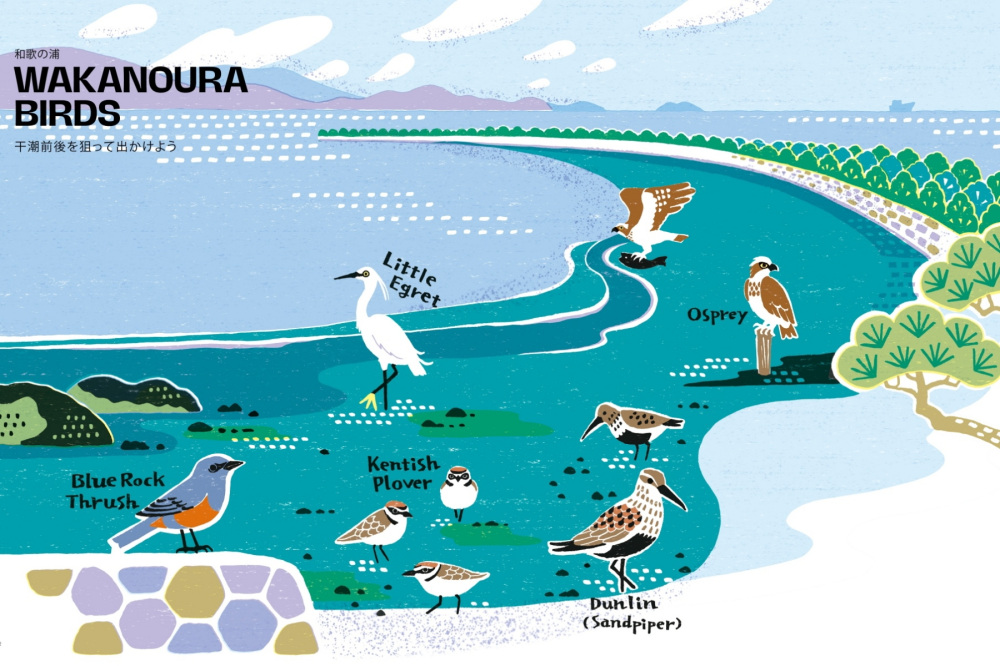
<Listen to the song of the birds>
Little Egret
Sandpiper
Osprey
Use Habitat and Behavior as Your Guide for Identifying
Wakanoura offers tidal flats, shallows, and rocky reefs in one compact area, making it a prime place to spot sandpipers and other shorebirds. Dunlins move in flocks along the water’s edge, while common sandpipers can be seen on rocks and seawalls, bobbing their tails up and down as they go. Grey-tailed tattlers stand out on the rocks with their yellow legs, and whimbrels with their long, curved bills. From small species to large ones, a wide variety of shorebirds make their home here. Aim for the hours around low tide with your binoculars ready.
The Japanese rock thrush lives along warm coastal areas and is often seen on seaside rocks. The male is easy to recognize by its stylish two-tone coloring: blue across the body with a brick-red belly. The female, however, is much more understated, covered in grey-brown feathers. Its Japanese name, isohiyodori, is easy to remember once you break it down: a bird that lives around rocky shores (iso) and looks a little like a bulbul (hiyodori). Another highlight of Wakanoura is the osprey, a coastal bird of prey. You may even see one diving for fish. Since many birds can be observed at close range, paying attention to behavior patterns and flock movements makes the experience even more rewarding.
Route Guide
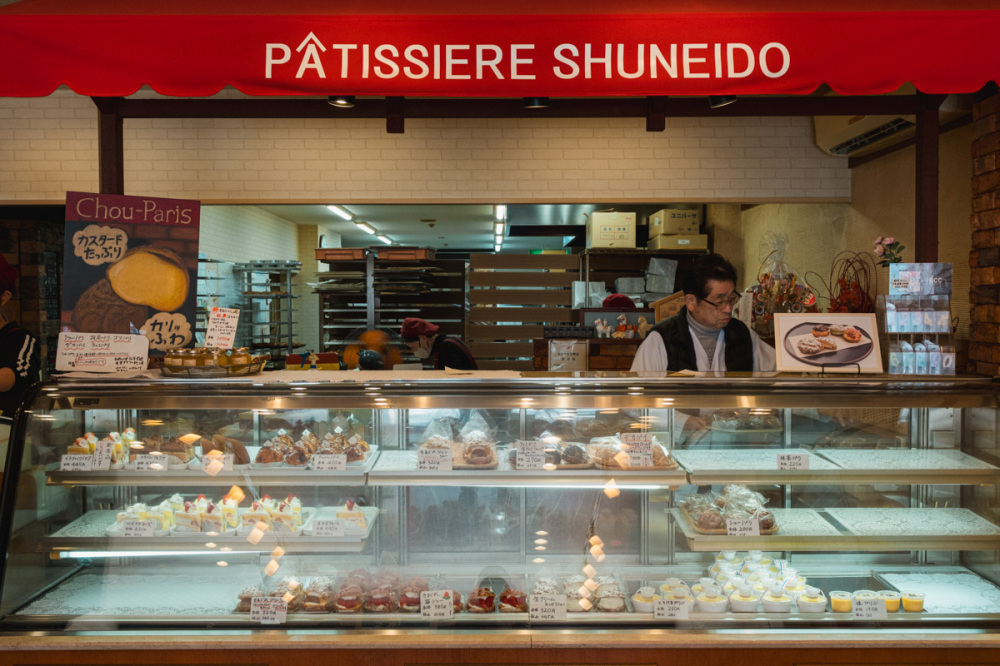
Shuneidou
1-chōme-5-13 Wakauranaka, Wakayama
TEL:073-444-0571

Fresh Bread Roma
1825-3 Minato, Wakayama
TEL:073-455-8133

This feature is produced in collaboration with PAPERSKY No. 74, a travel and lifestyle magazine.

Explore More Things to See and Do Around These Areas
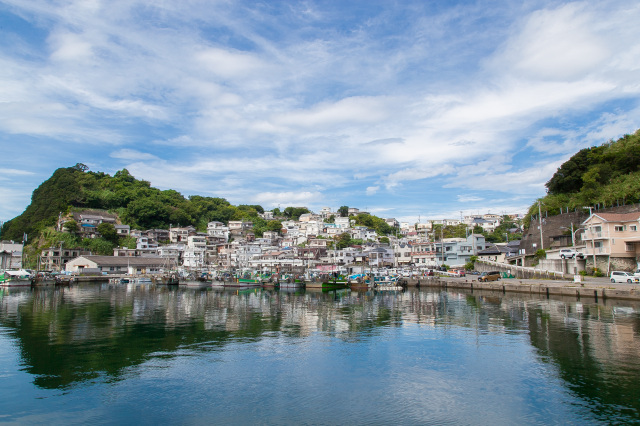
- Information on Nearby Attractions
- View more
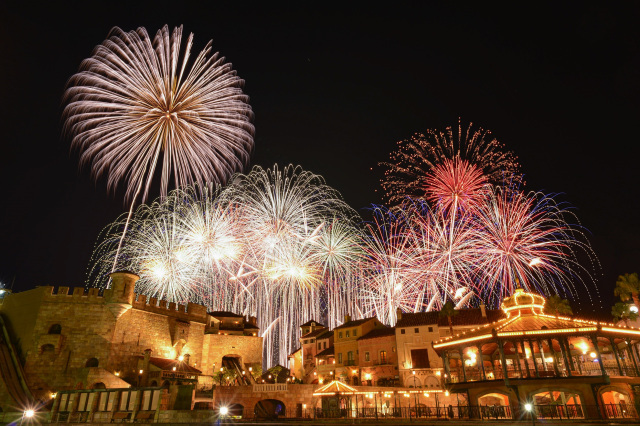
- Nearby Festivals & Events, "Waka-matsuri Festival"
- View more
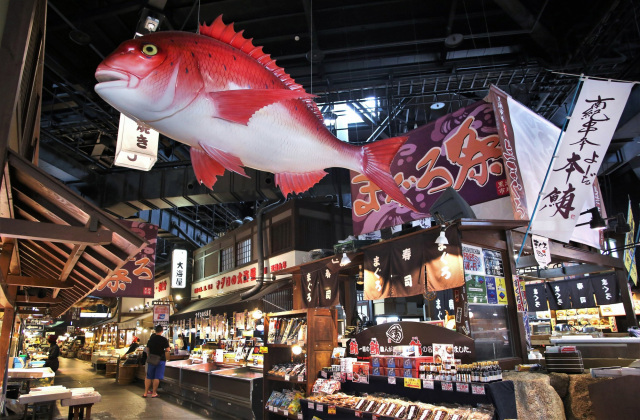
- Introducing the must-see spots around the Wakayama City area! Find a plethora of recommended info, from destinations like Wakayama Castle and Marina City to gourmet cuisine!
- View more
View More Related Articles
- [A Birding Journey Through Wakayama] Aoi Yamada Wings It Through Wakayama
![[A Birding Journey Through Wakayama] Aoi Yamada Wings It Through Wakayama](/lsc/upfile/individual/0000/2951/2951_1_m.jpg)
- View more
- [A Birding Journey Through Wakayama Vol. 1] Discover Birds, Nature, and Local Flavors Along the Kinokawa Cycling Road Birding by mini velo, binoculars in pocket
![[A Birding Journey Through Wakayama Vol. 1] Discover Birds, Nature, and Local Flavors Along the Kinokawa Cycling Road Birding by mini velo, binoculars in pocket](/lsc/upfile/individual/0000/2952/2952_1_m.jpg)
- View more
- [A Birding Journey Through Wakayama] Into the BIRDS WAKAYAMA Forest, Sea, Mountain, Plum Orchard. Four Distinctly Wakayama Landscapes, Seen From Within
![[A Birding Journey Through Wakayama] Into the BIRDS WAKAYAMA Forest, Sea, Mountain, Plum Orchard. Four Distinctly Wakayama Landscapes, Seen From Within](/lsc/upfile/individual/0000/2954/2954_1_m.png)
- View more