Introducing the must-see spots around the Wakayama City area! Find a plethora of recommended info, from destinations like Wakayama Castle and Marina City to gourmet cuisine!
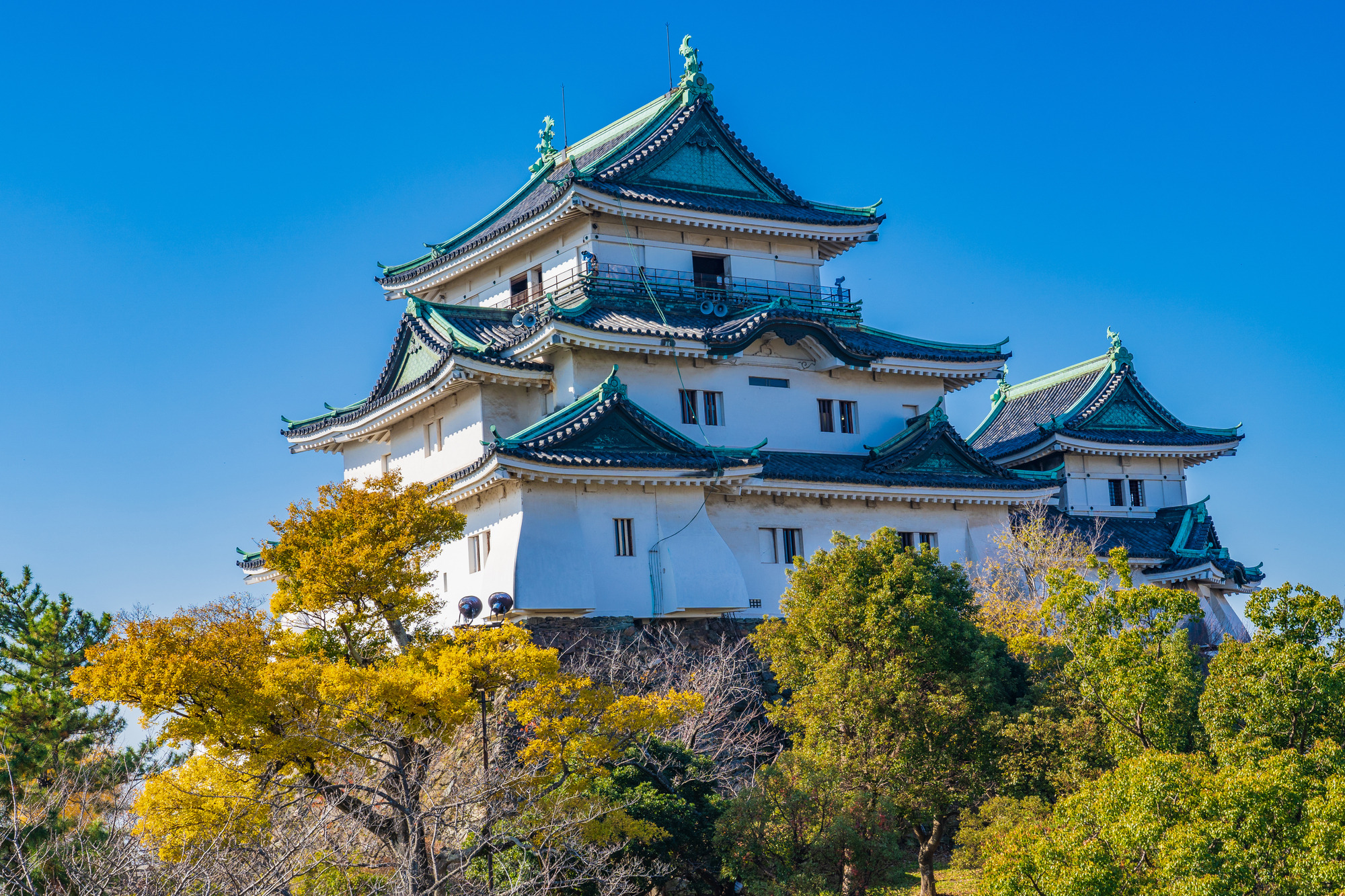
Blessed with the abundant nature of the sea and mountains, the region around Wakayama City offers a sense of history, retaining rich traditional culture and ancient townscapes. It also serves as the gateway to Wakayama Prefecture that continues to develop as an economic and cultural center, just like in the past.
Here we will introduce the many appealing tourist destinations, gourmet options, hot springs, and other activities of the Wakayama City area, at the crossroads of history and modernity.
Let us tell you about the Wakayama City area!
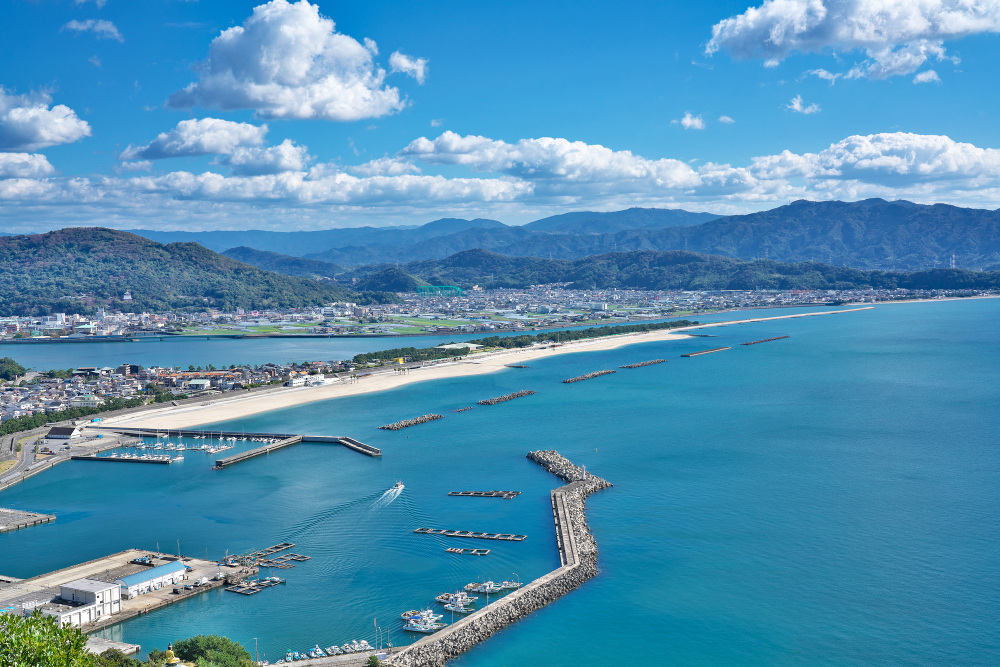
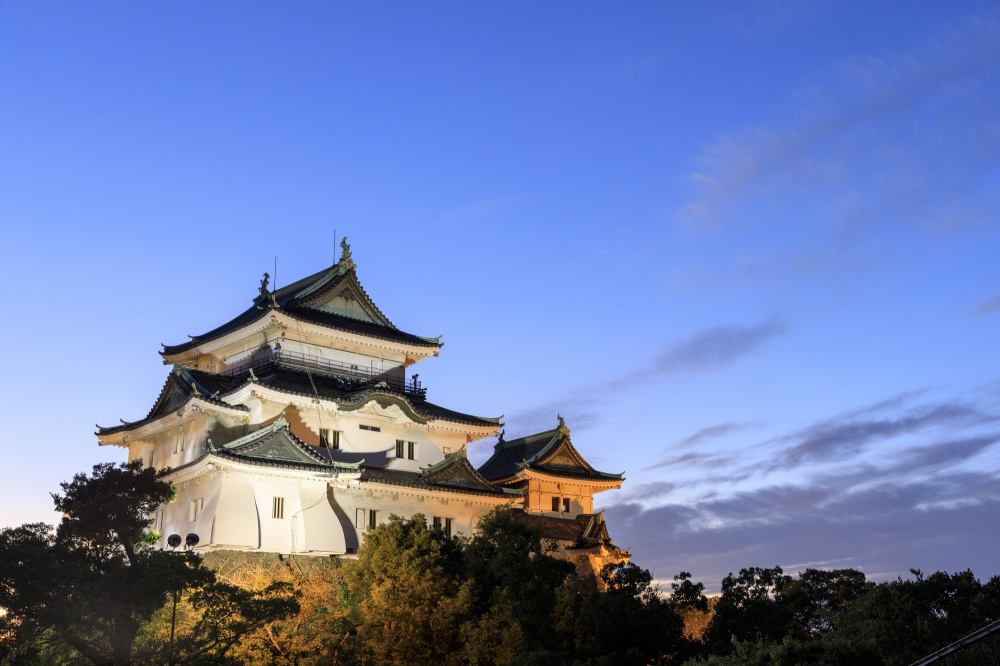


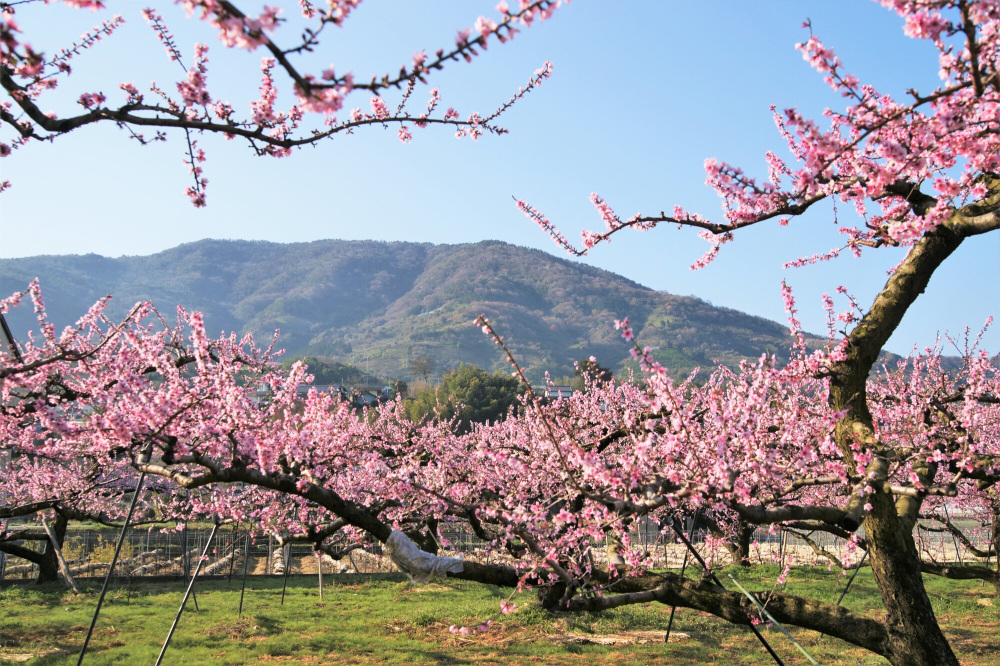
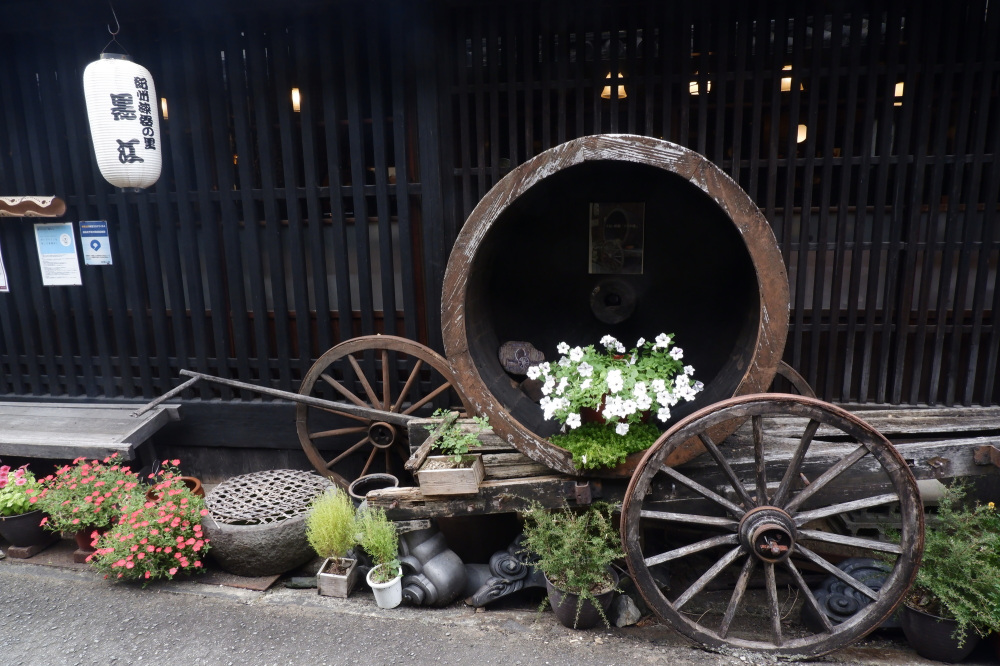
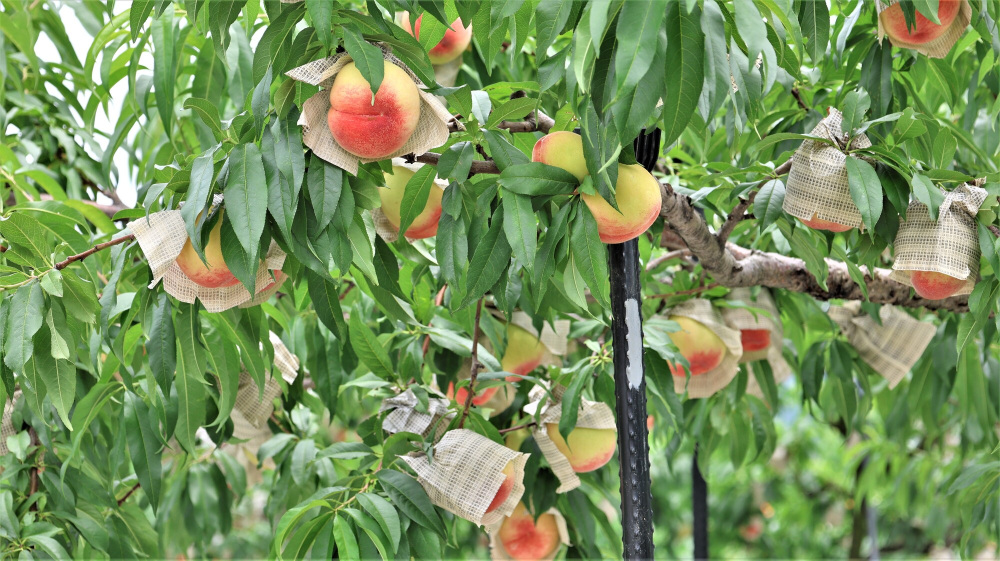
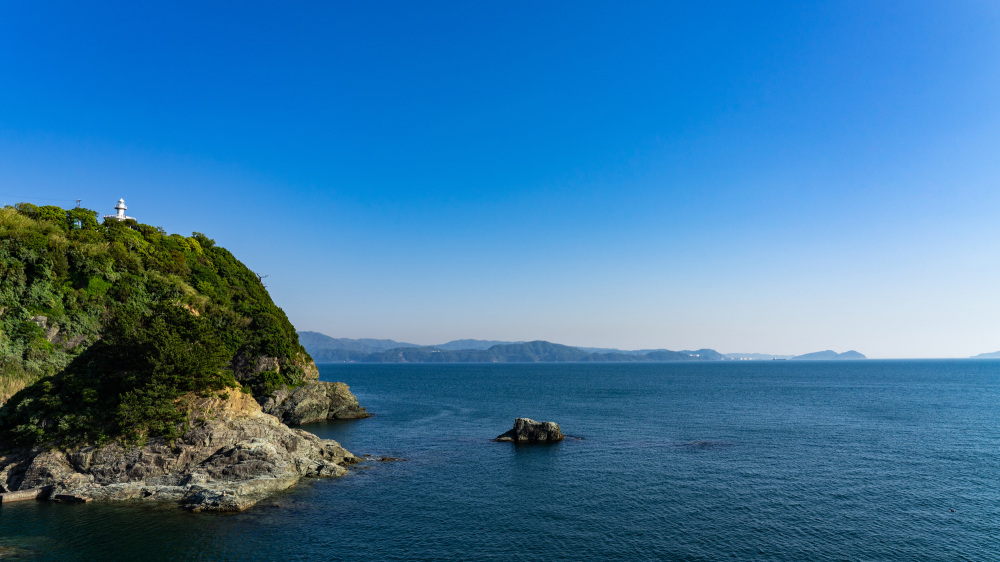
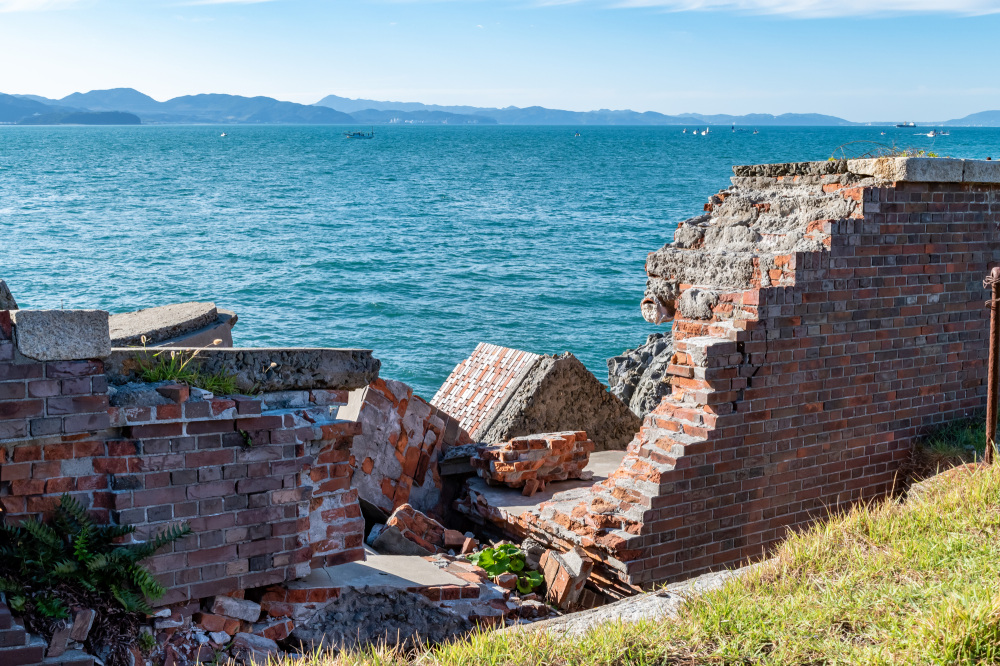
The Wakayama City area comprises the areas of Wakayama City itself, along with Iwade, Kinokawa, and Kainan Cities and Kimino Town. Wakayama City proper, at the center, prospered as the castle town for the Kishu Tokugawa family, one of the three main branches that supported the Tokugawa family that ruled Japan as Shogun warlords for 15 generations over a roughly 260-year period starting in 1603. Highly accessible along the border with Osaka Prefecture, the location is quite convenient at only about 60 minutes by car from Osaka city center, about 60 minutes by express train from Shin Osaka and Namba stations, and only about 35 minutes from Kansai International Airport.
Here you will find such fascinating destinations as Wakayama Castle, the castle of the Kishu Tokugawa family, historical temples such as Kimii-dera Temple and Kokawa-dera Temple, and the beautifully scenic Wakanoura, the place sung about in the Manyoshu, Japan’s oldest collection of Waka songs, which is said to have been compiled in the latter half of the 7th century. There are also plenty of spots attracting buzz at the moment, such as the uninhabited Tomogashima Islands and the cat stationmasters of the Wakayama Electric Railway.
In addition to local cuisine, you can also enjoy a variety of fruits throughout the year in the Kinokawa River basin in Kinokawa City.
Popular destinations in the Wakayama City area
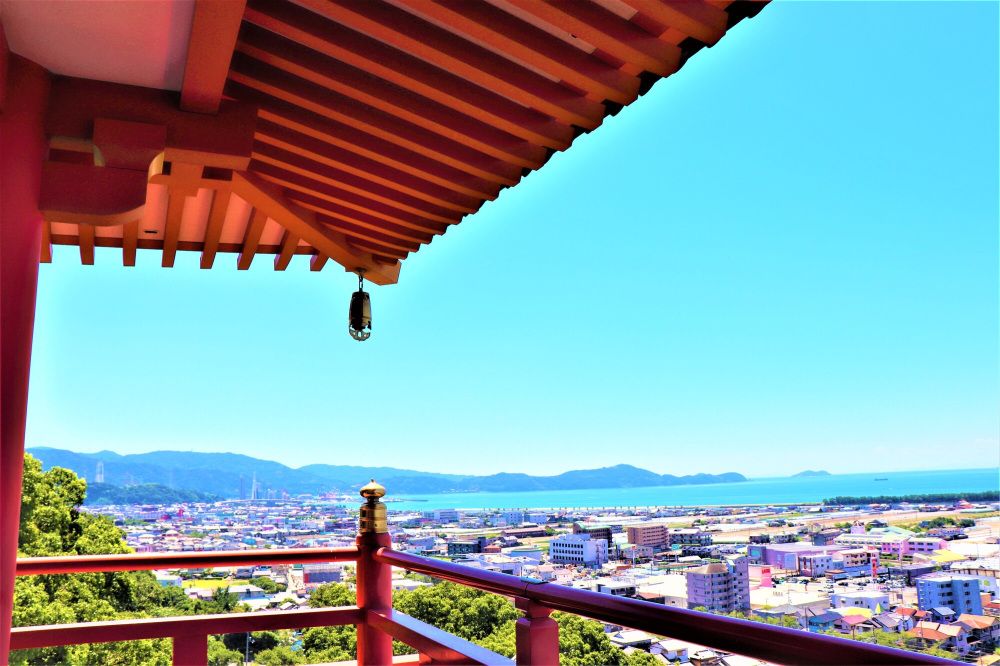
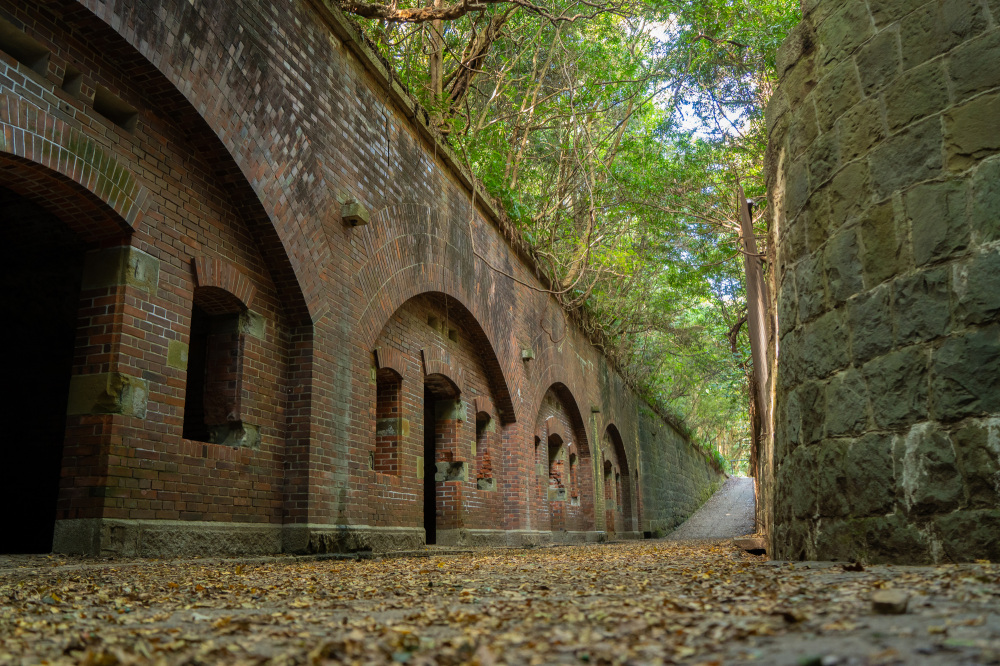


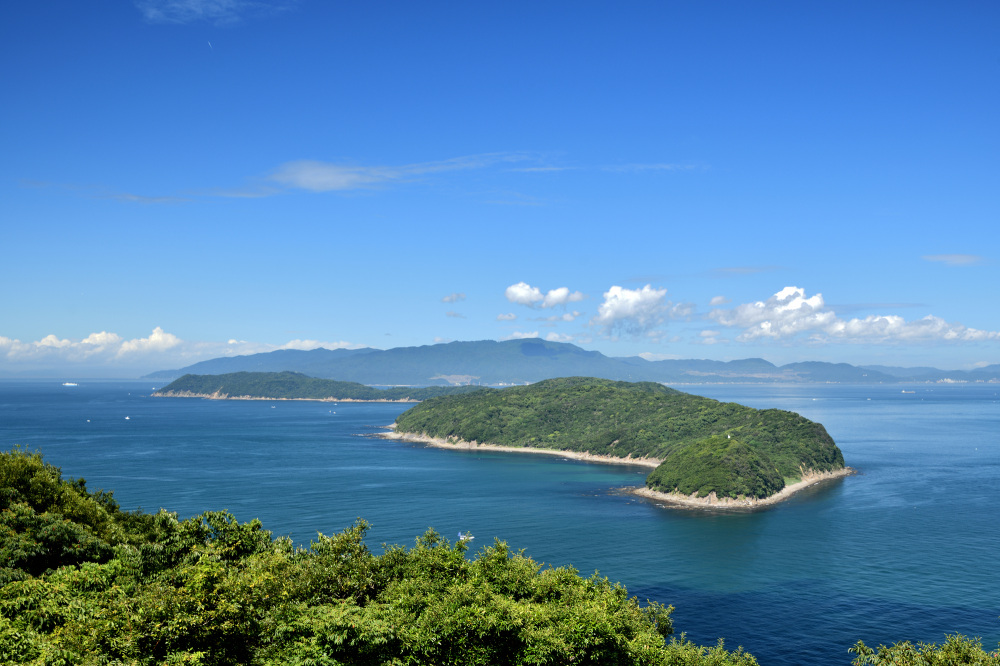
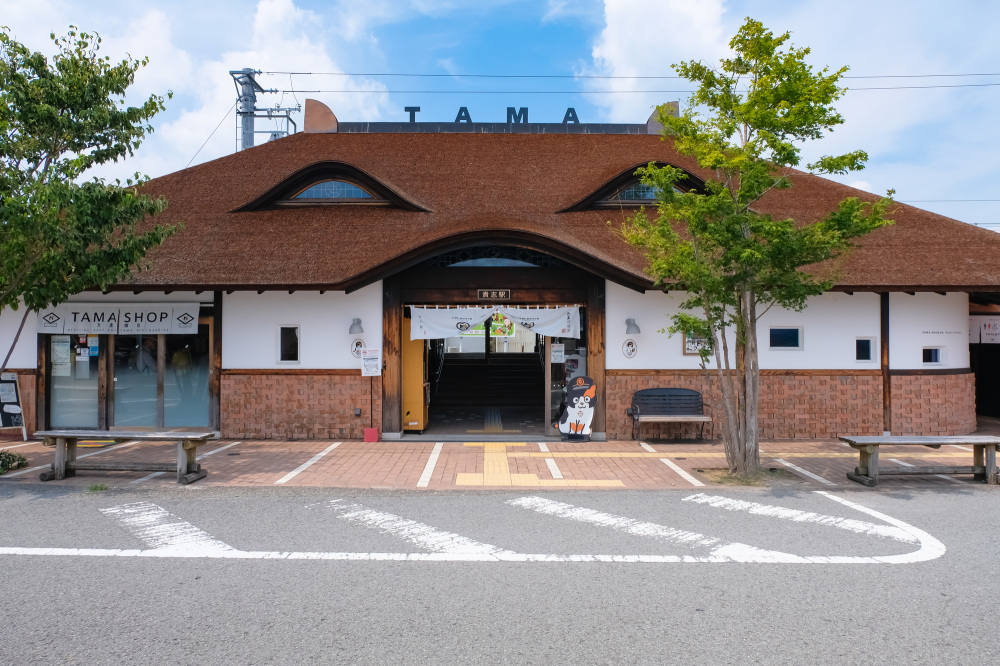
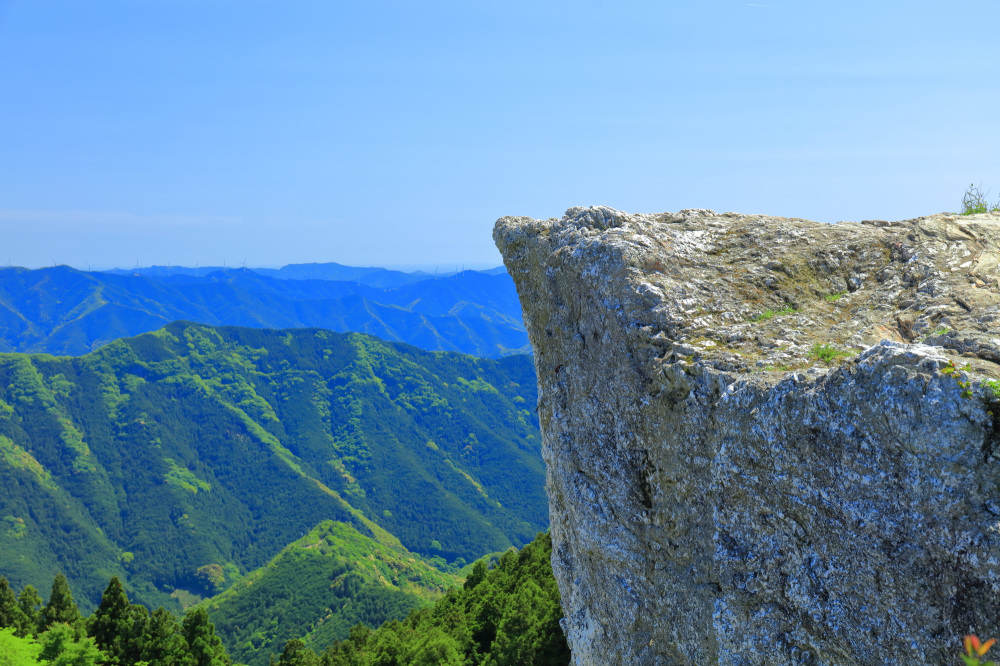
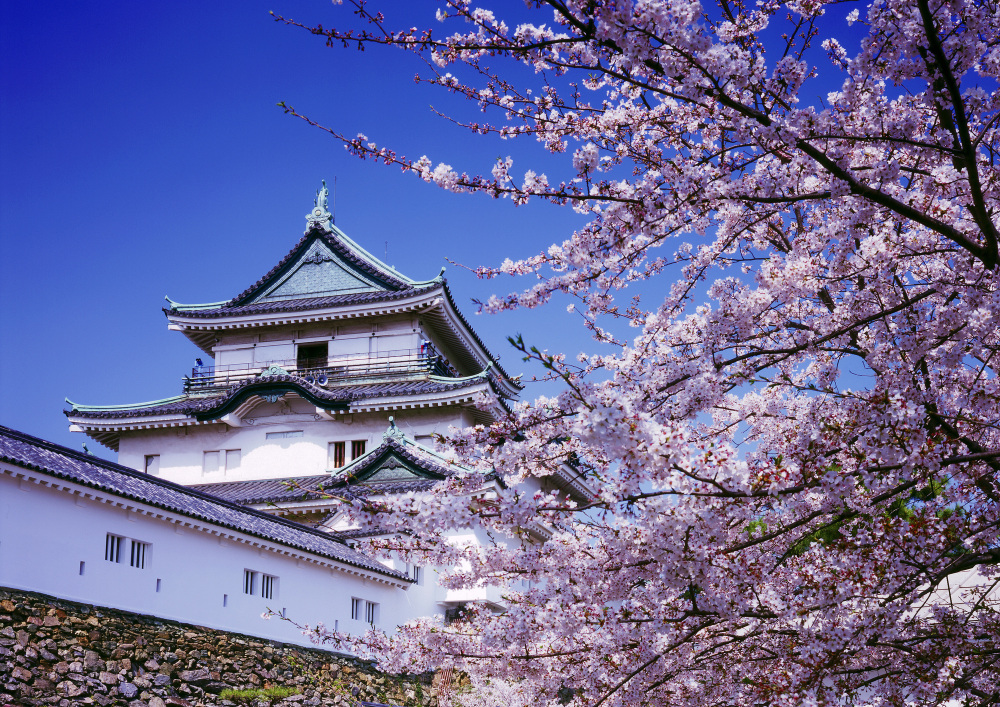
The Wakayama City area is full of things to see, with many beautiful scenic spots and tourist destinations that retain a flair of ancient history
Here we introduce some of the must-see destinations, buzzing attractions, and popular spots that we want you to check out when visiting the area.
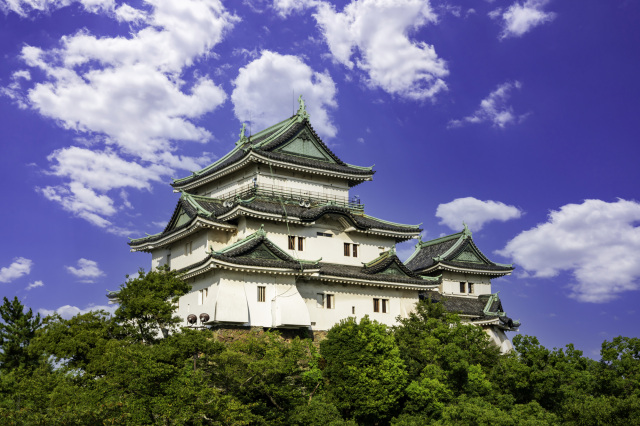
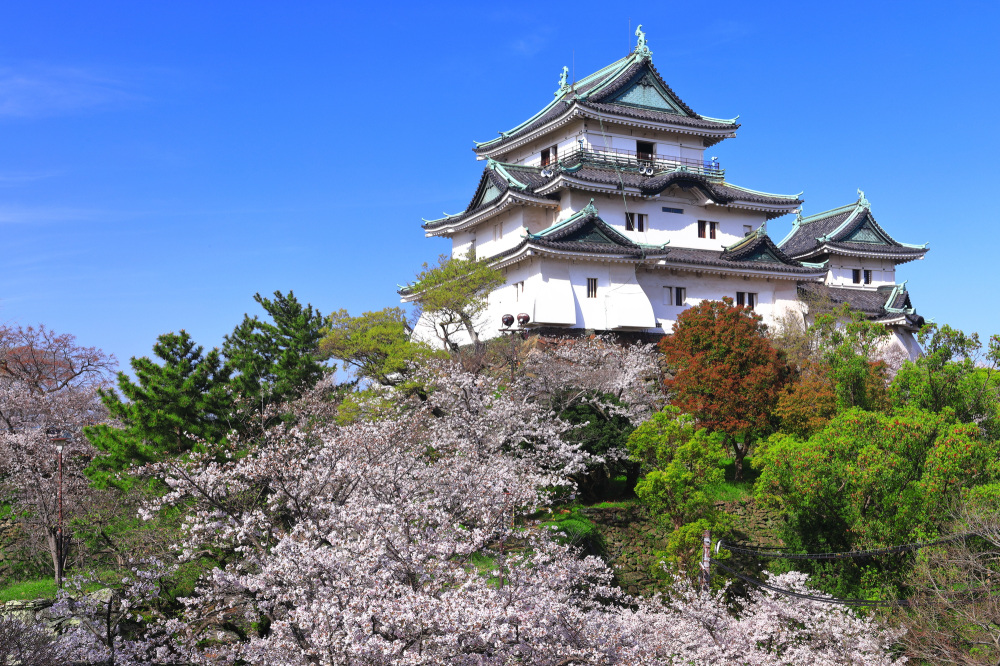
- Wakayama Castle
- Wakayama Castle was built in 1585 under the command of Toyotomi Hideyoshi. In the Edo period it flourished as an important base …
- View more
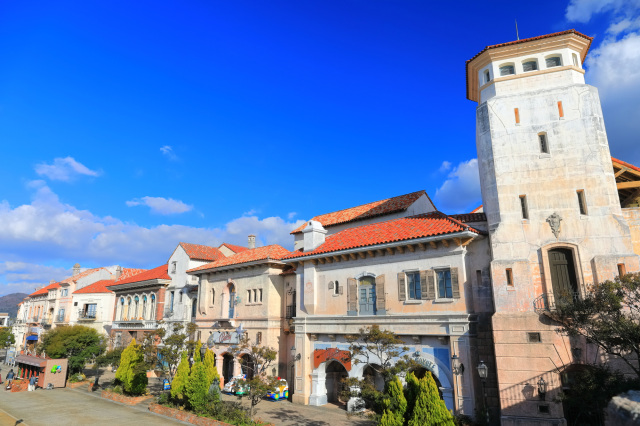
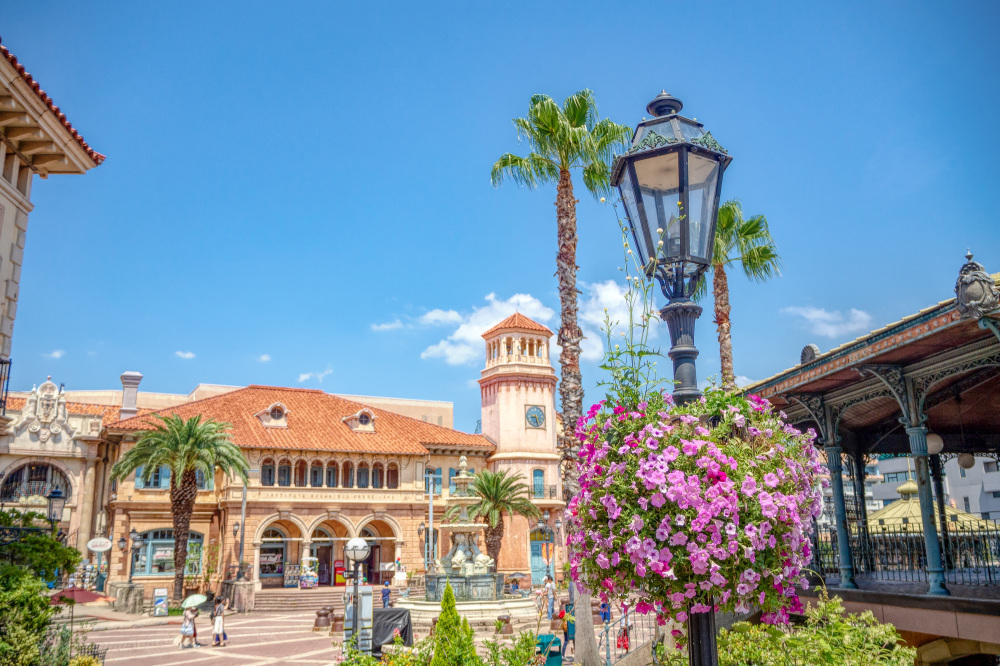
- Wakayama Marina City/Porto Europa
- Wakayama Marina City is a resort island that faces the beautiful Wakaura Bay, and features a series of hotels and onsen. Experie…
- View more
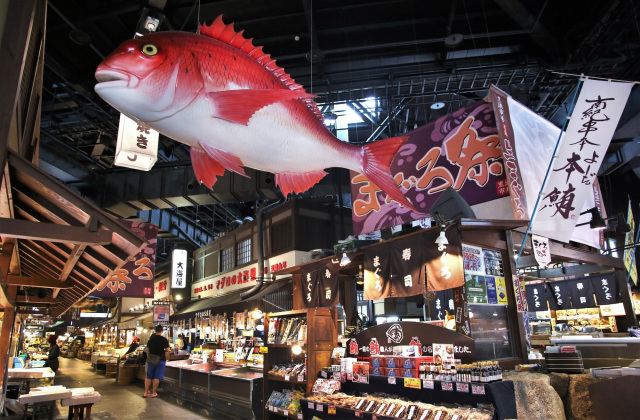
- Kuroshio Market
- Kuroshio Market is located in Marina City, where tuna cutting shows are held three times a day. Watch in awe as a giant tuna is …
- View more
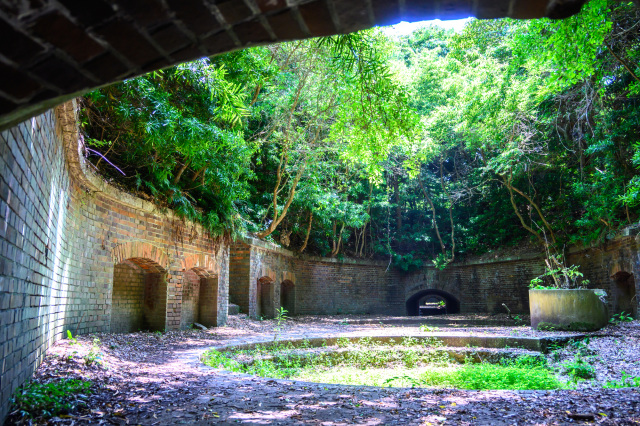
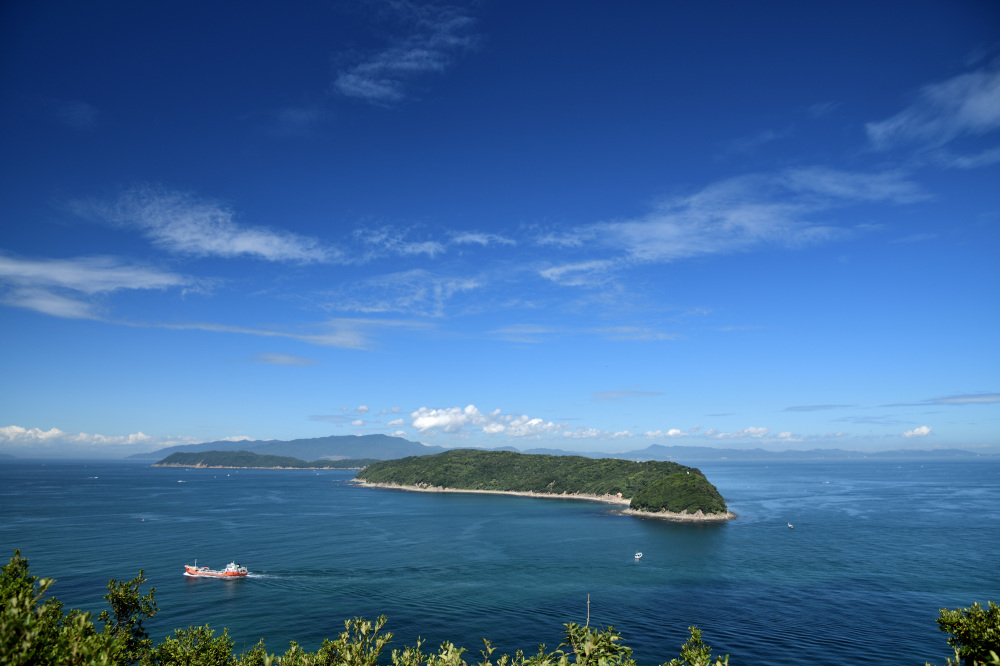
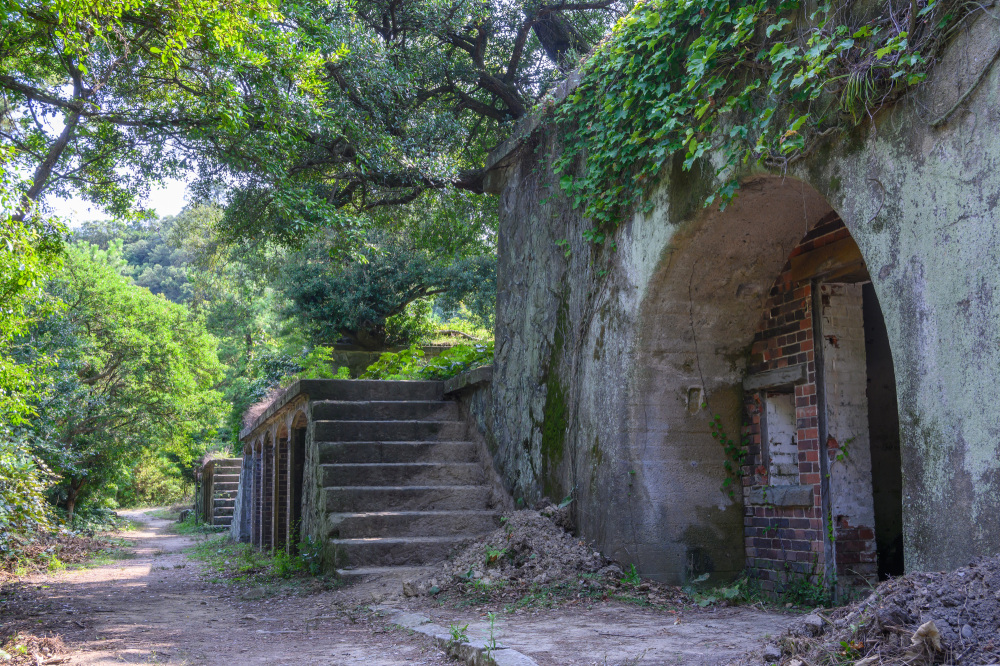
- Tomogashima Islands
- Twenty minutes by ferry from Kada, Tomogashima is a small group of islands off the coast of Wakayama. You can hike, picnic and c…
- View more
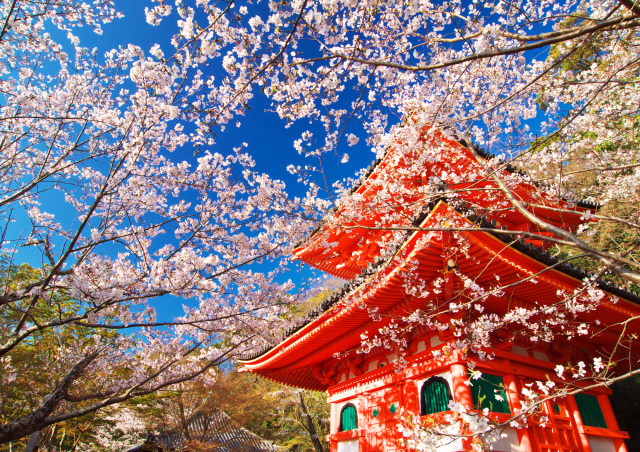
- Kimii-dera Temple
- This temple is said to have been founded by a Chinese monk in the year 770 and was a place to pray for the prosperity of the Tok…
- View more
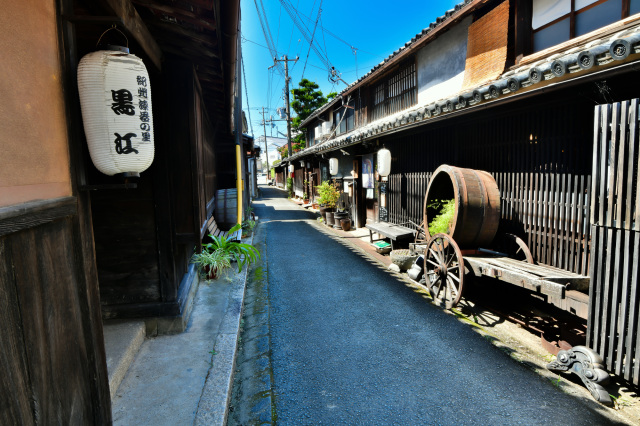
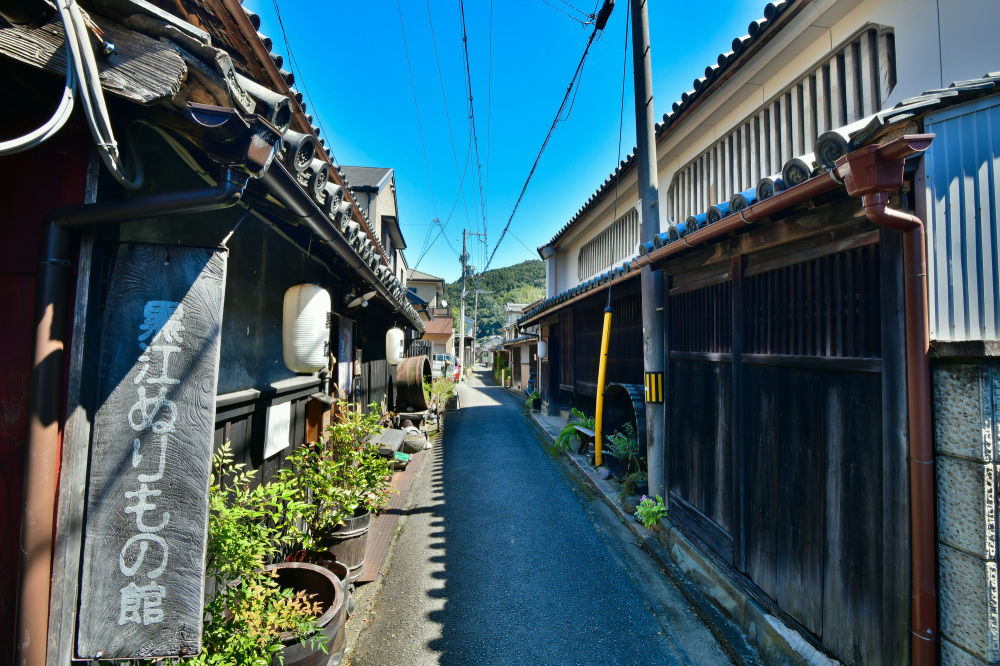
- Kuroe Townscape
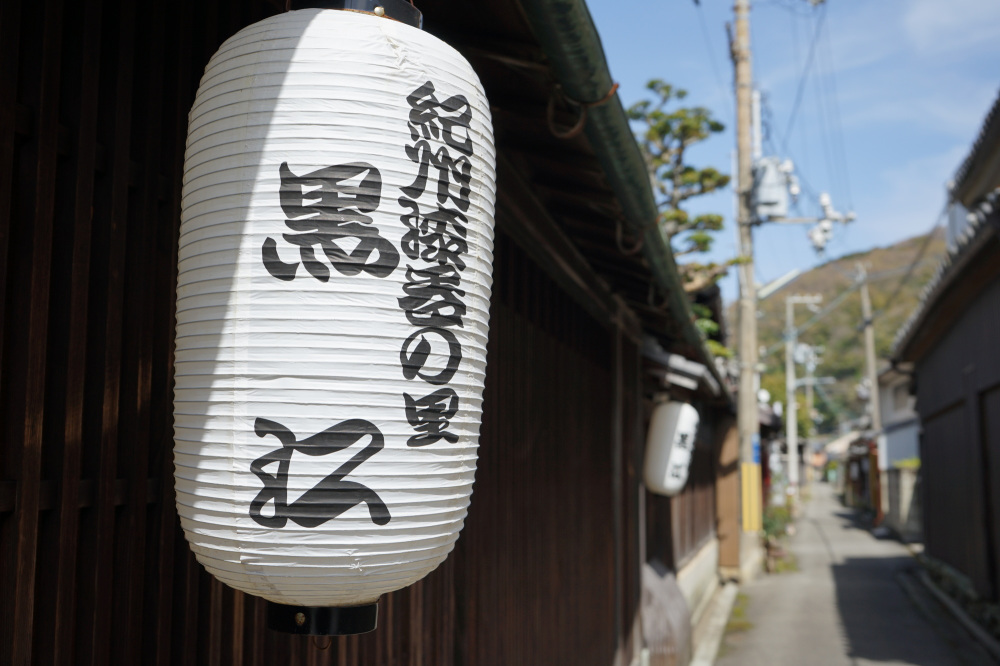
- The Kuroe district of Kainan City is home to Kishu lacquerware, a craft with a history of over 400 years. The region is recognized as one of the four major lacquerware production centers, alongside Aizu, Yamanaka, and Wajima lacquerware. The townscape here retains historical architectural artifacts that echo of times past, such as the plaster walls and the houses latticework using thin wood or bamboo slats arranged at regular intervals, and the townscape itself is arranged in diagonal lines like the teeth of a saw. You can enjoy a stroll through the streets as you breathe in the history, and perhaps visit one of the traditional homes housing a café that incorporates lacquerware, or the Uruwashi-kan which offers lacquerware exhibits and a shop as well.
- View more
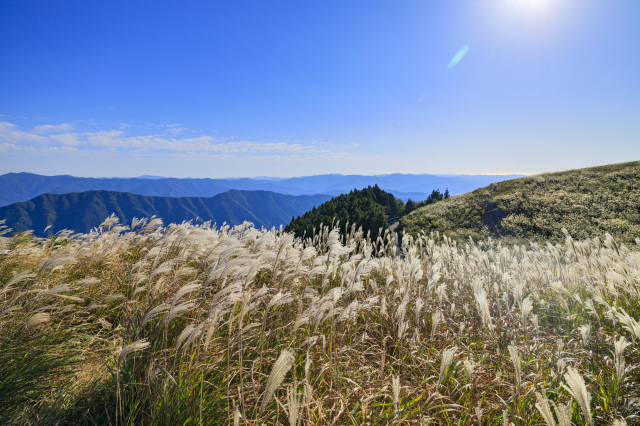
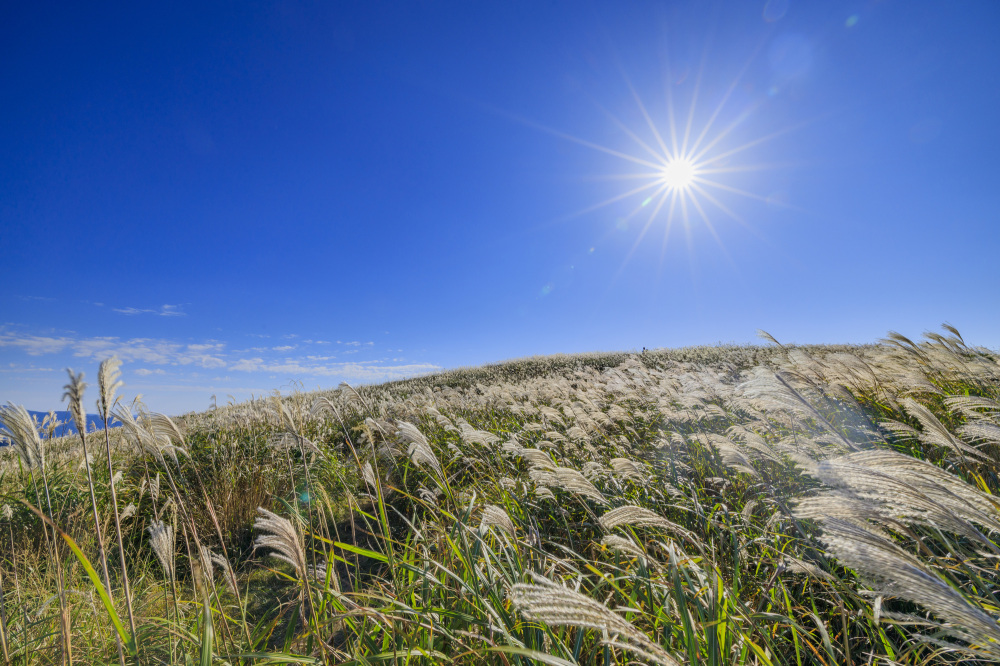
- Oishi-kogen Highland
- Oishi-kogen is a highland area that straddles Kimino and Aridagawa. It is famous for its large expanse of Japanese pampas grass …
- View more
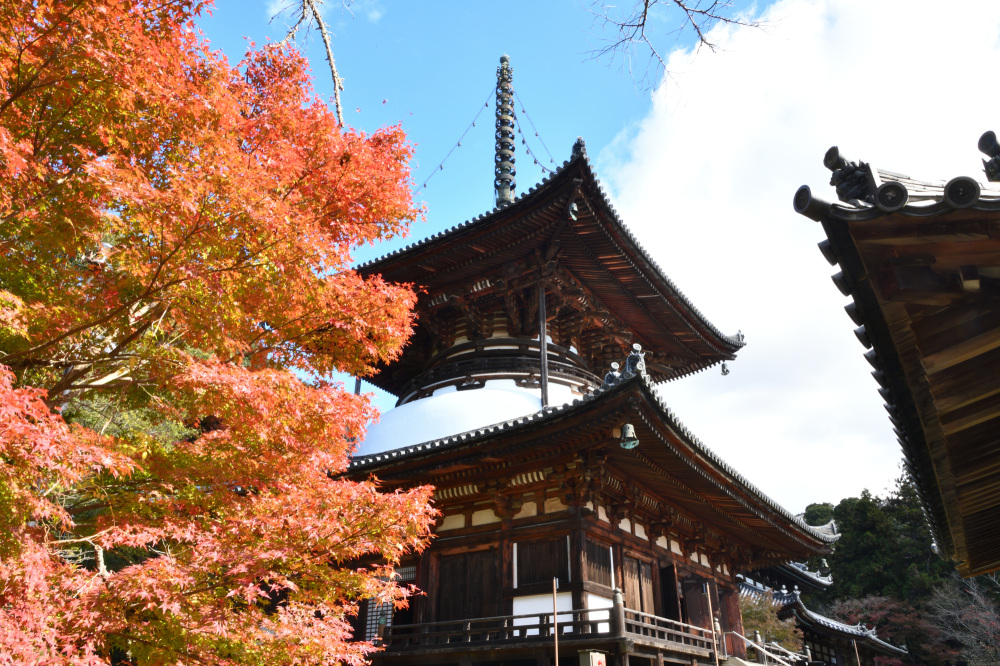
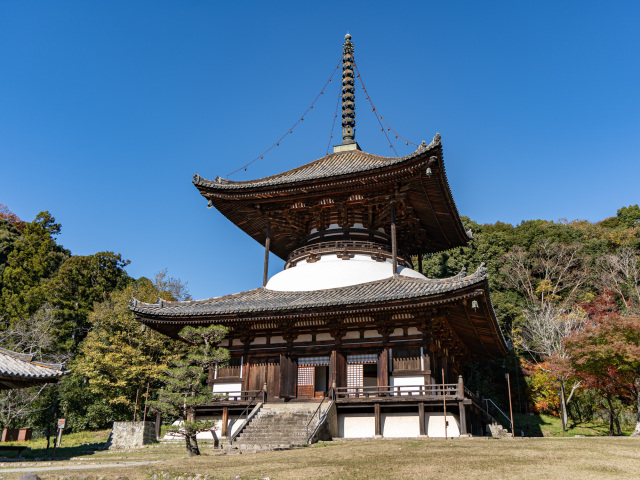
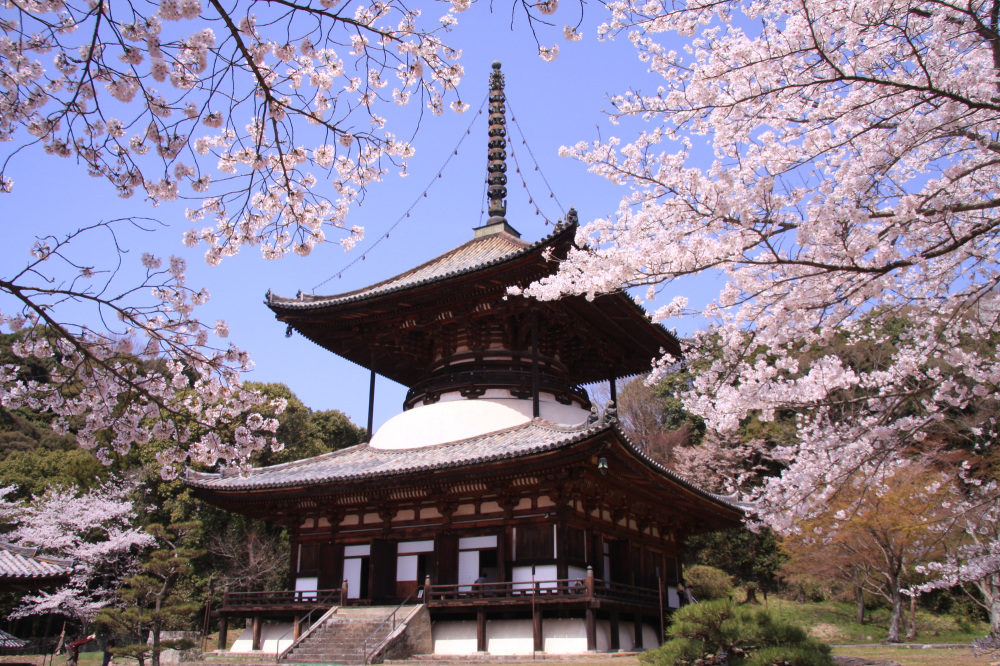
- Negoroji Temple
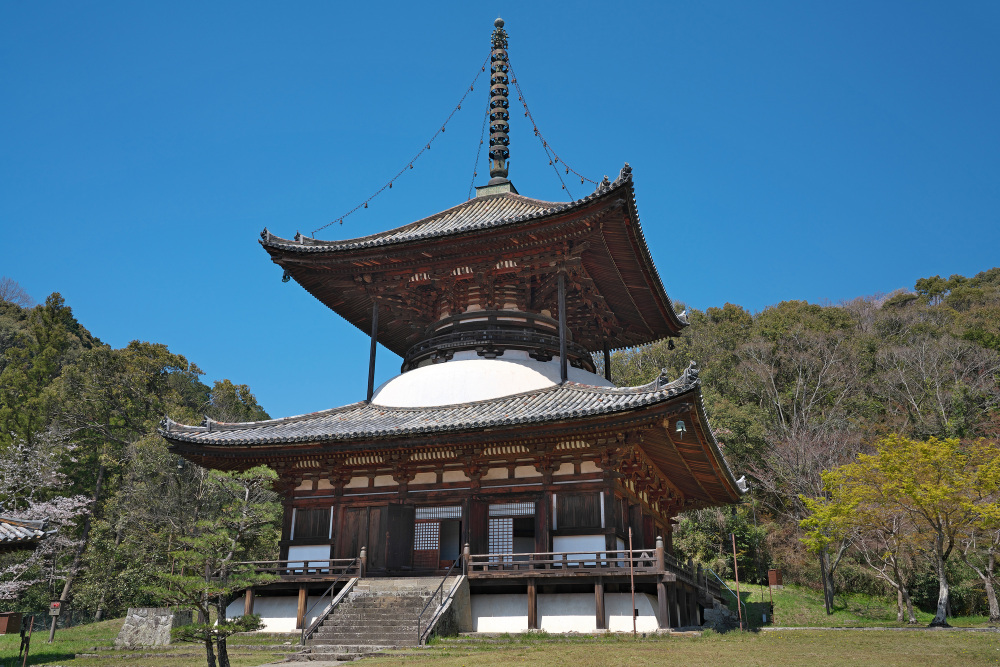
- This ancient temple was founded in the year 1132. It has many things to see, including the largest wooden stupa (a National Trea…
- View more
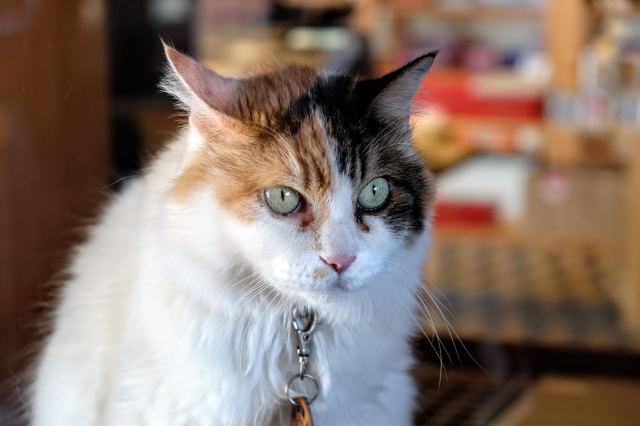
- Ultra Stationmaster Tama (Wakayama Electric Railway)
- Tama is the white, black and brown calico cat appointed station master on the Wakayama Electric Railway Kishigawa Line.Recognize…
- View more
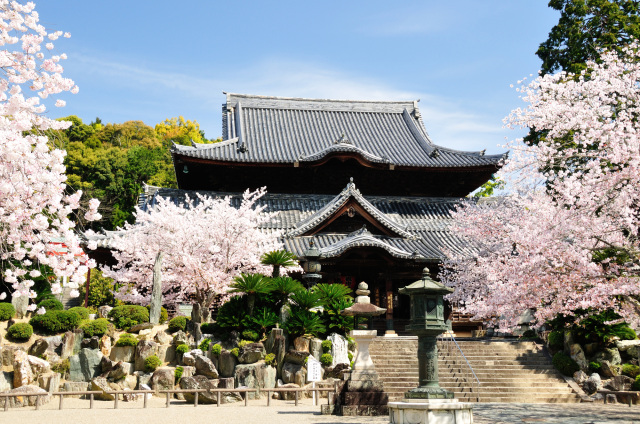
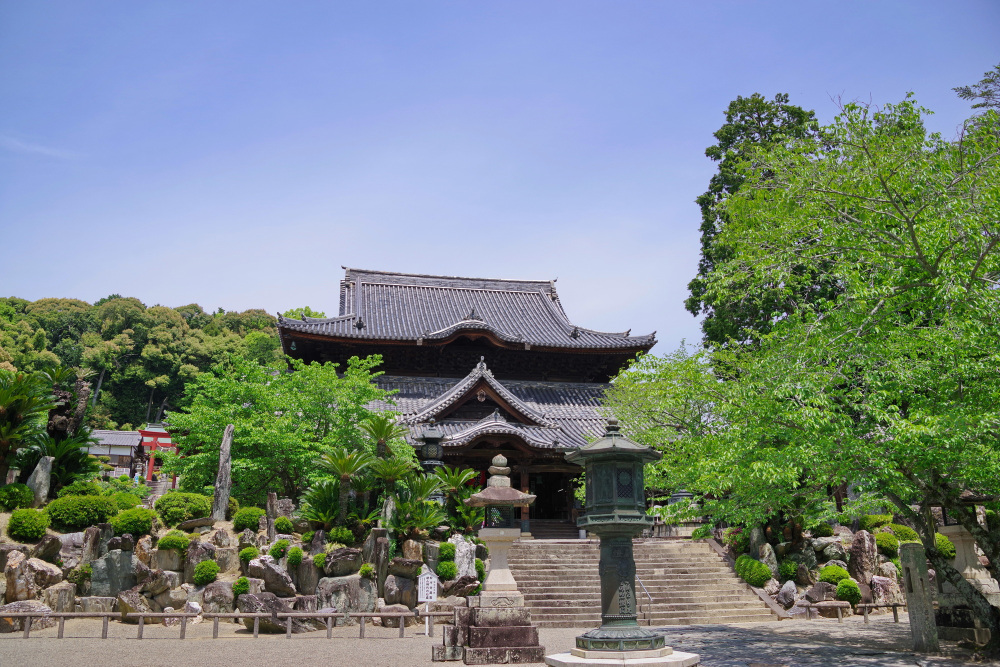
- Kokawa-dera Temple
- A short walk from Kokawa Station, this scenic temple boasts an attractive rock garden and a history which dates back to 770. Alt…
- View more
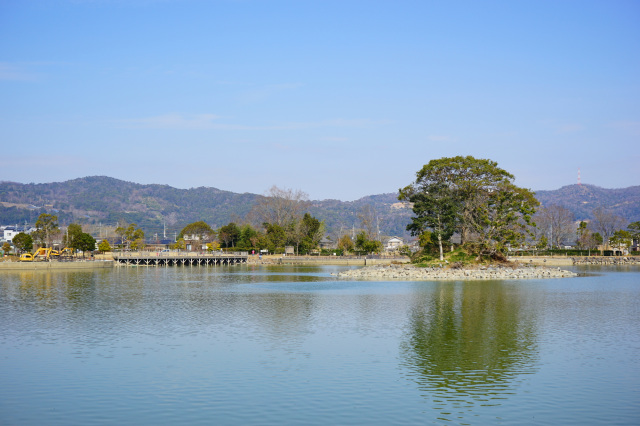
- Hiraike Ryokuchi Park
- Hiraike Lake is one of the largest lakes in Wakayama Prefecture. Known as a paradise for wild birds, including waterfowl and migratory birds, the lake is popular with bird watchers and also features rare water plants. And in the evening, visitors can enjoy the sight of the setting sun reflected beautifully in red on the lake surface. There is an elevated promenade installed around the lake, so we recommend that for taking a walk. There is also a collection of ancient burial sites and burial mounds, known as the Hiraike Lake Kofun Tumulus Cluster located around the park.
- View more
Festivals and events to join throughout the seasons!
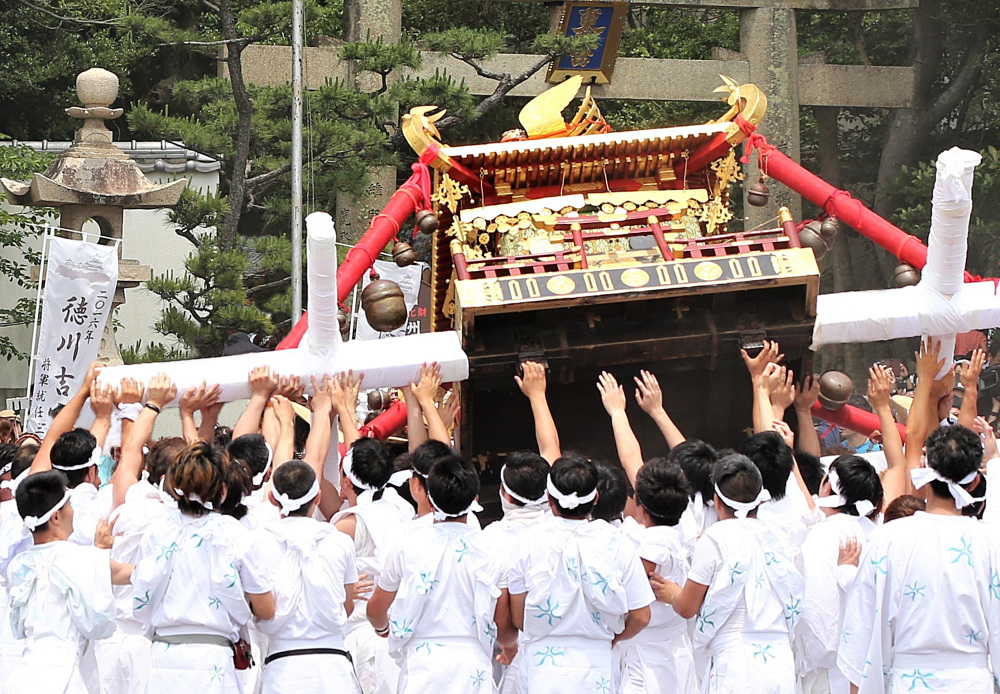
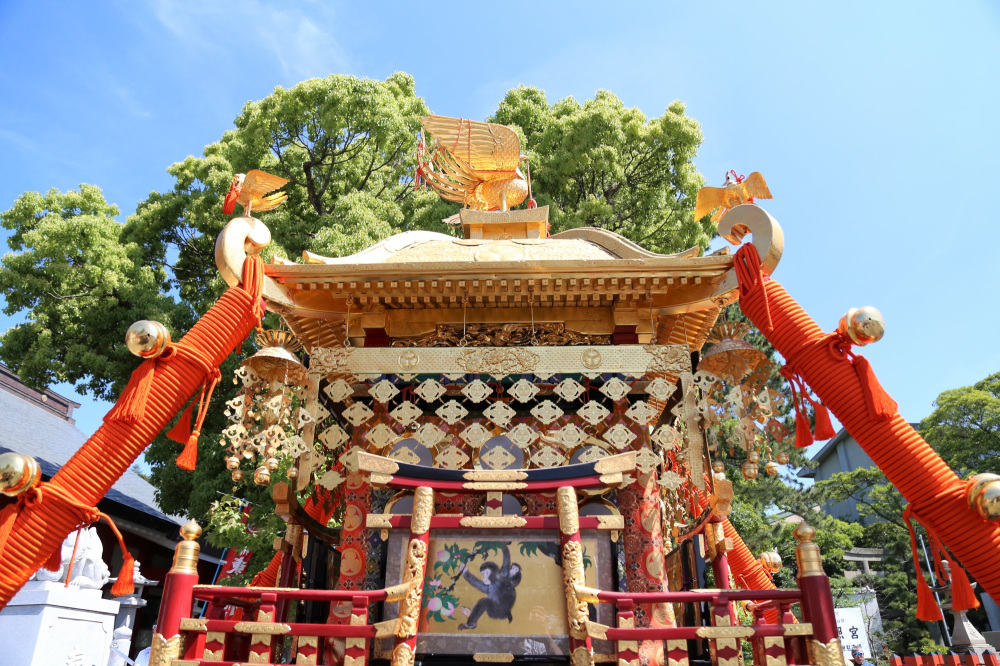
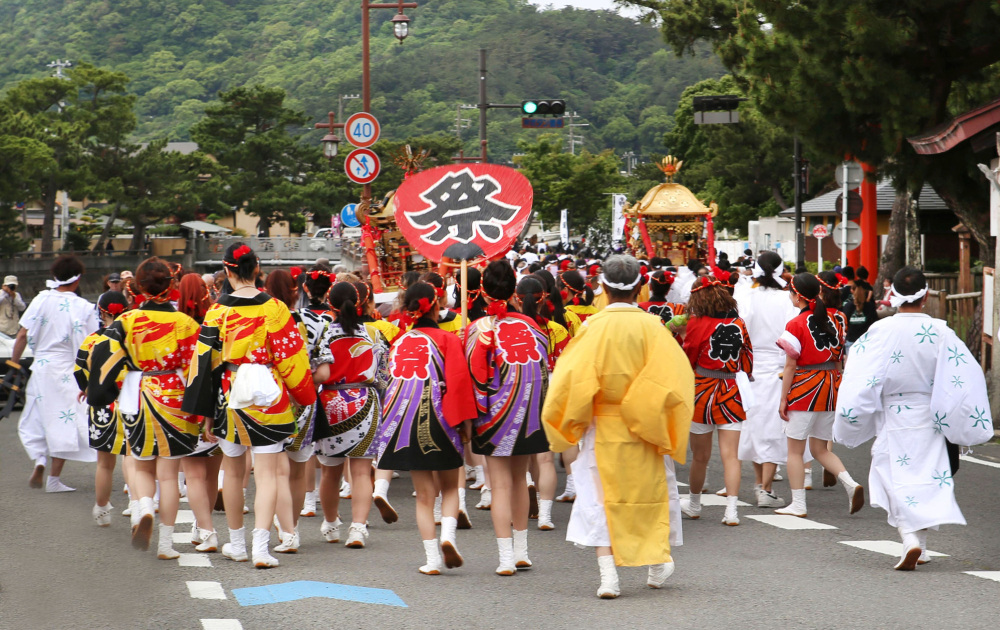
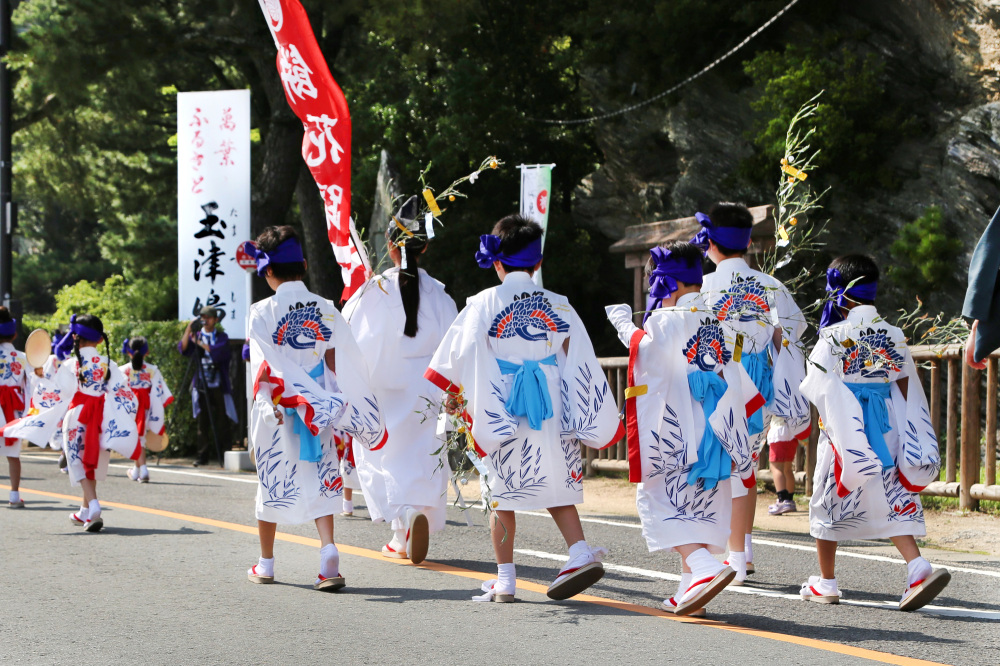
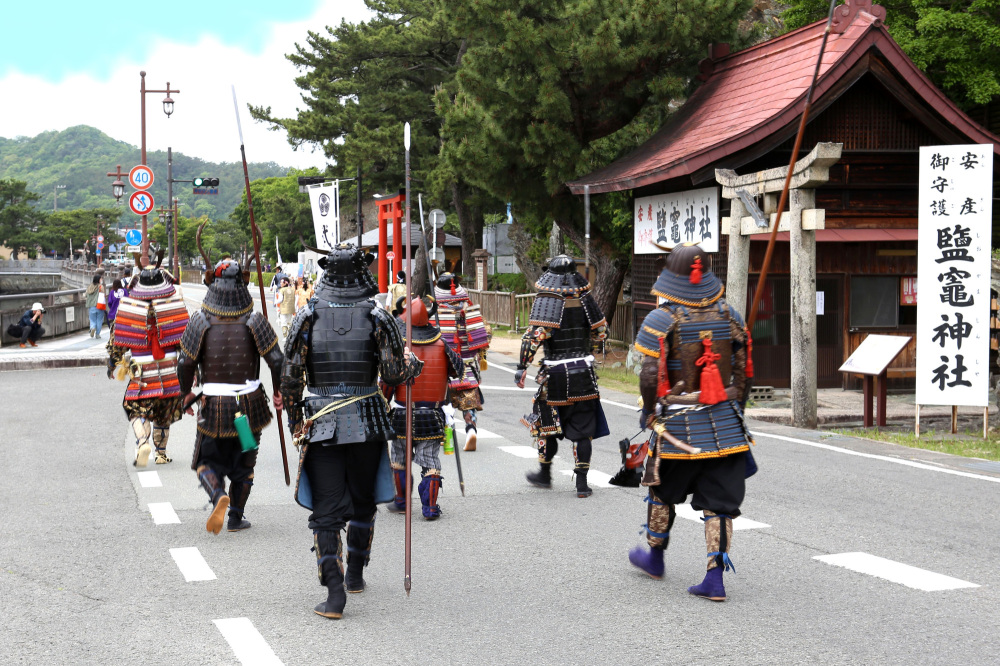
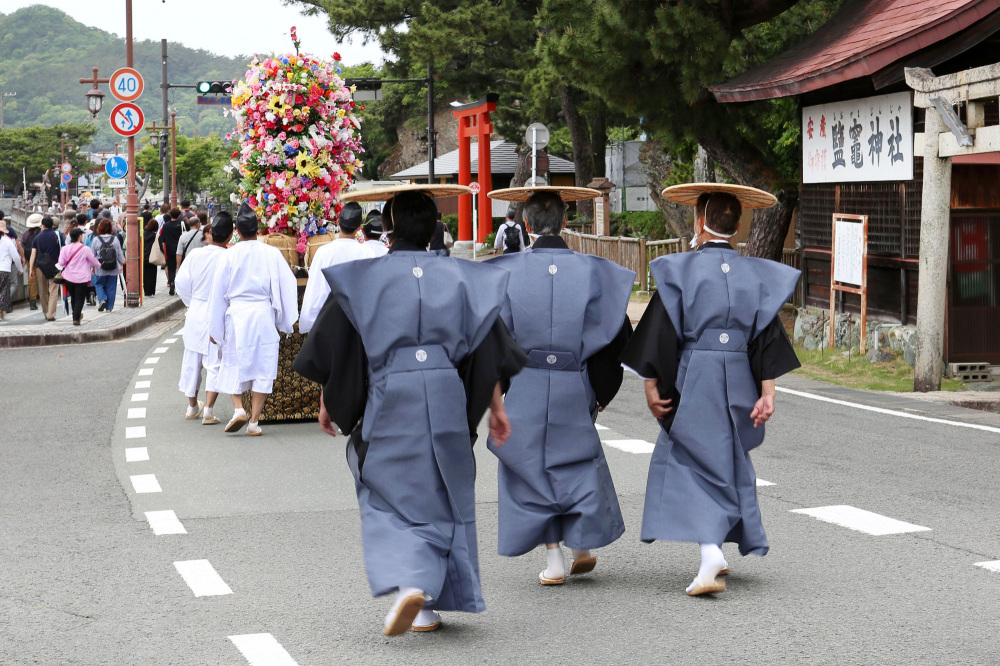
A variety of festivals are held in the Wakayama City area, including festivals with a long history and more modern festivals held to invigorate the community. Here we will introduce four festivals of particular interest. These include the traditional Waka-matsuri and Kokawa-matsuri festivals that feature a parade of portable shrines and Danjiri floats, the Kishu Yosakoi Festival where children and adults dance ‘til they drop, and the Kishu Lacquerware Festival (Kishu Shikki Matsuri) featuring the traditional craft of lacquerware.
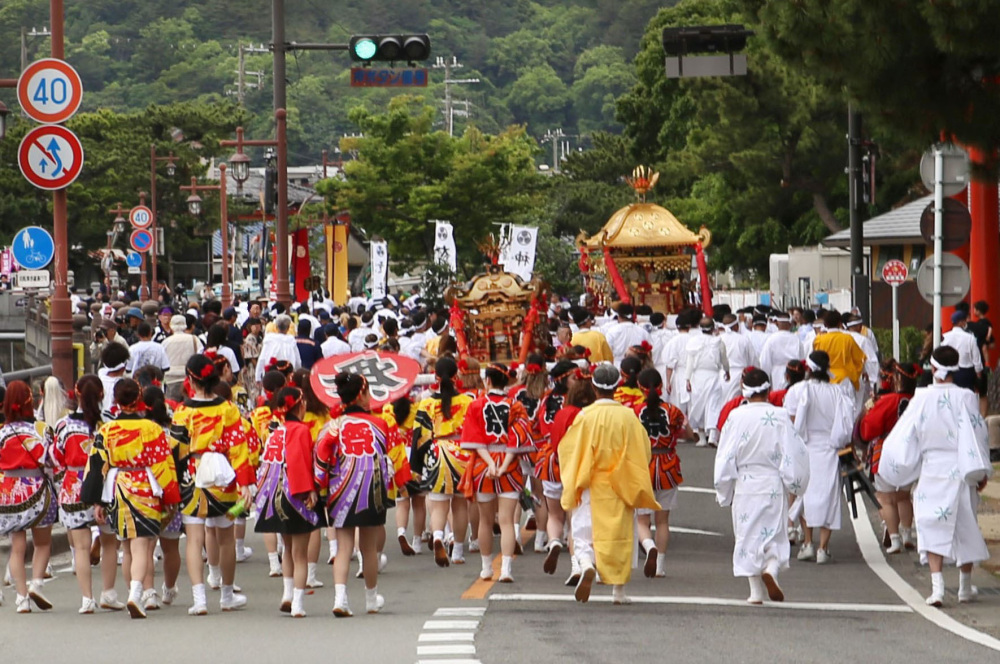
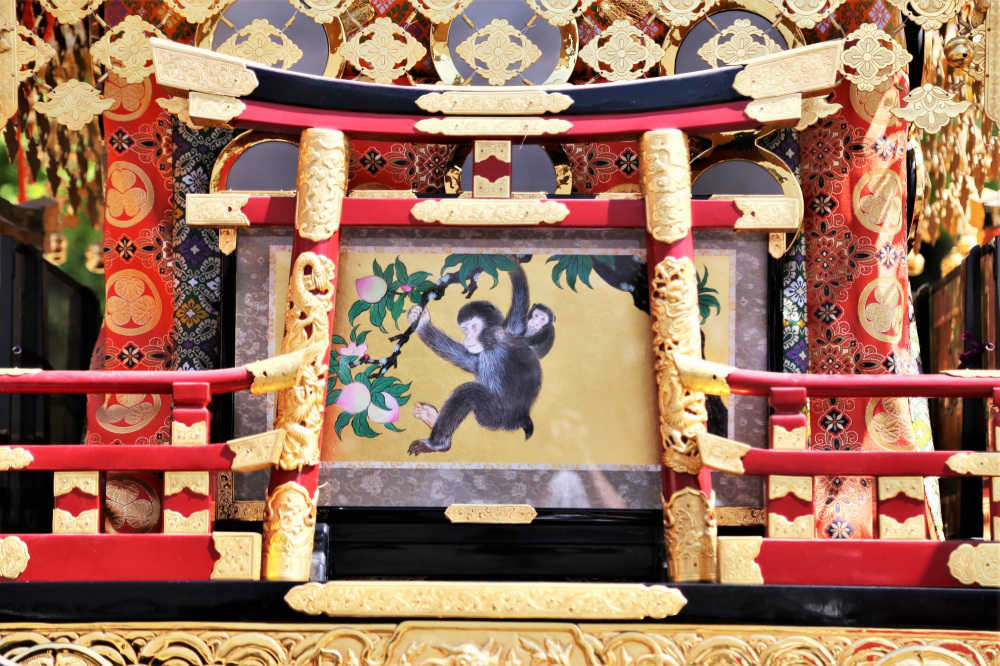
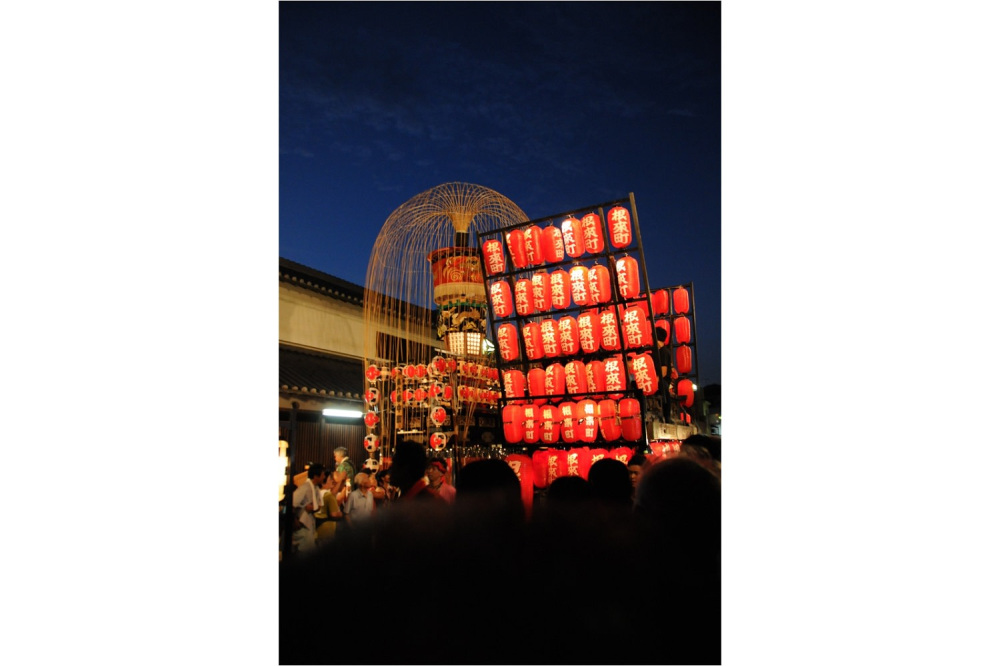
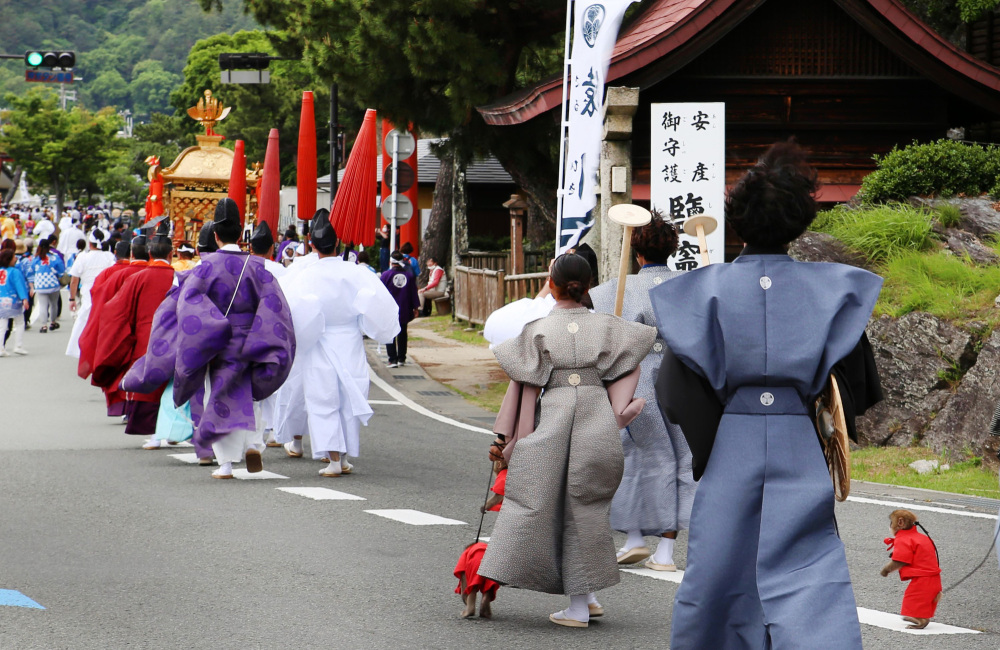
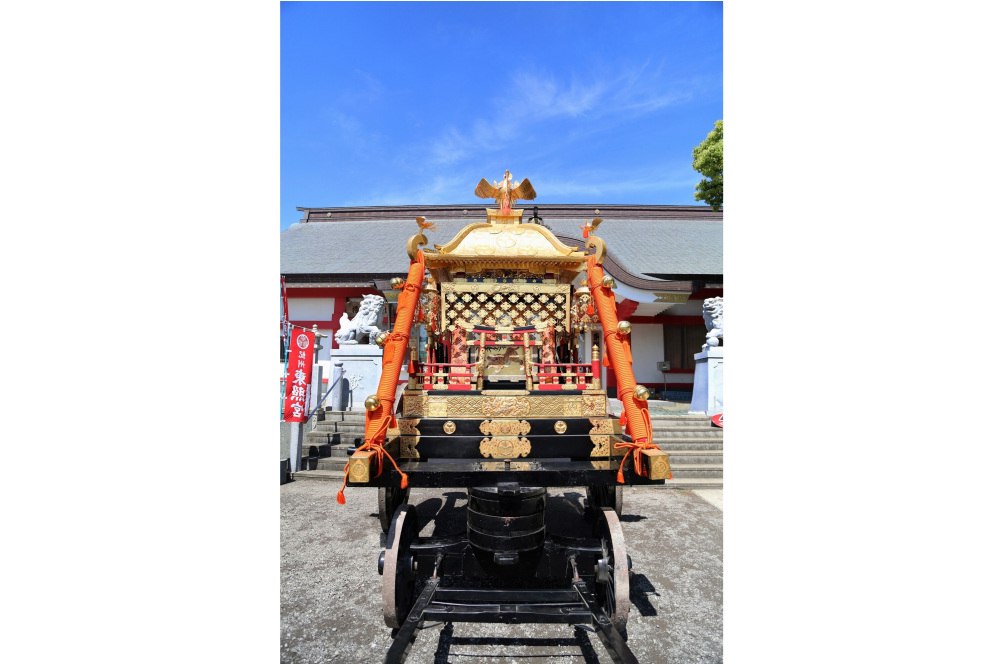
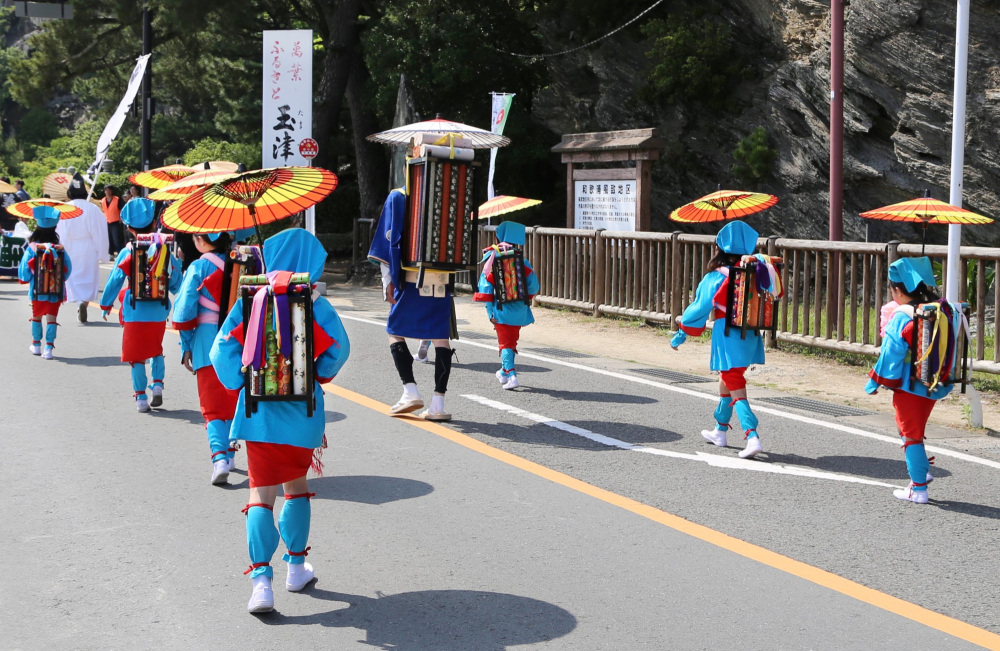
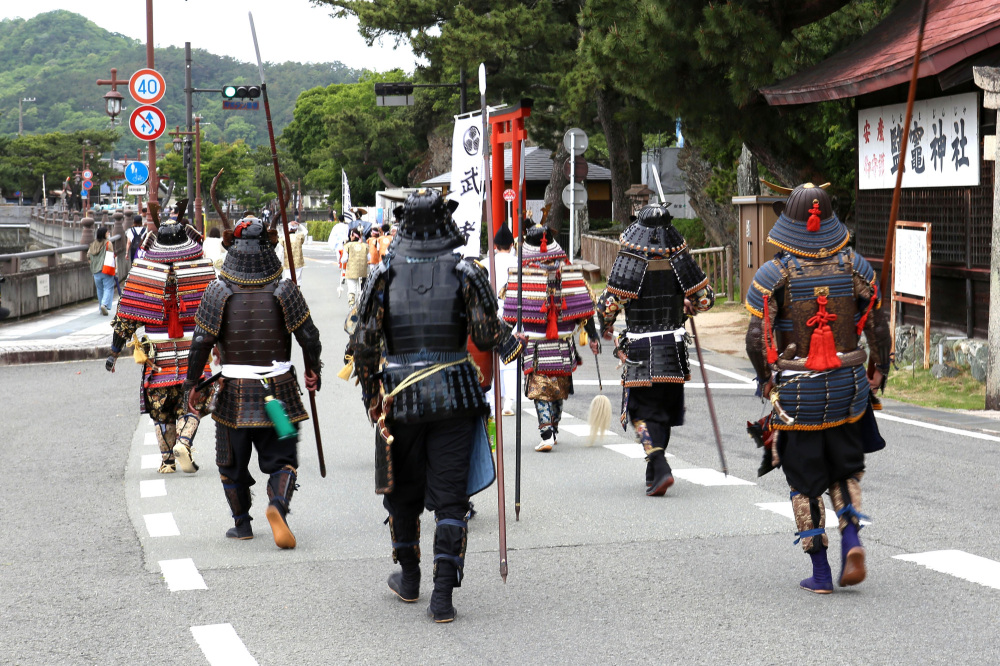
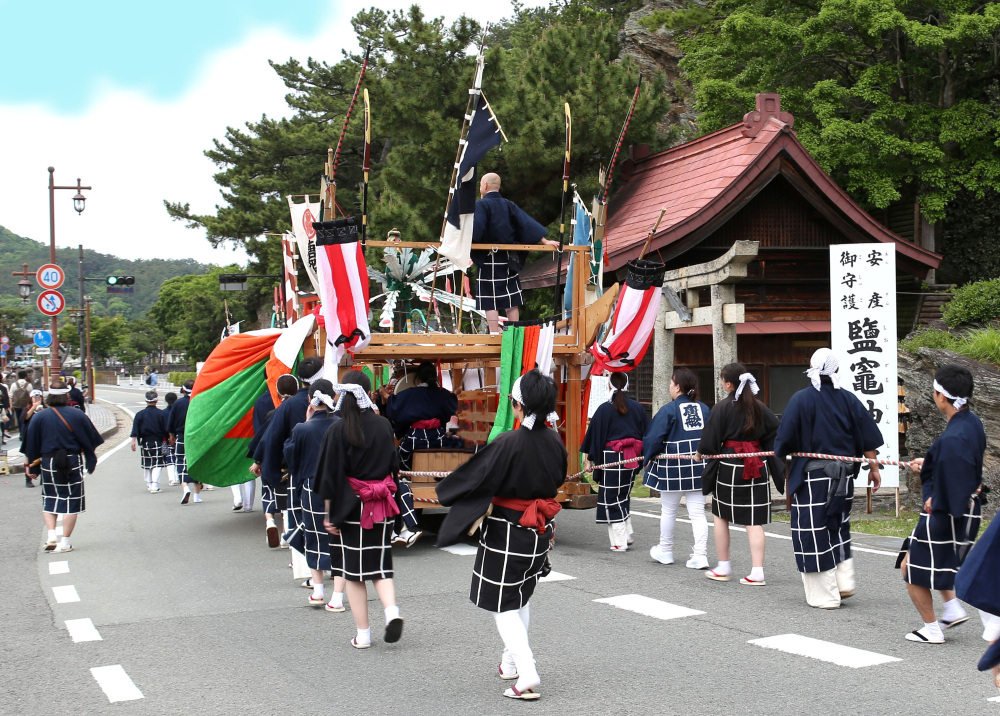
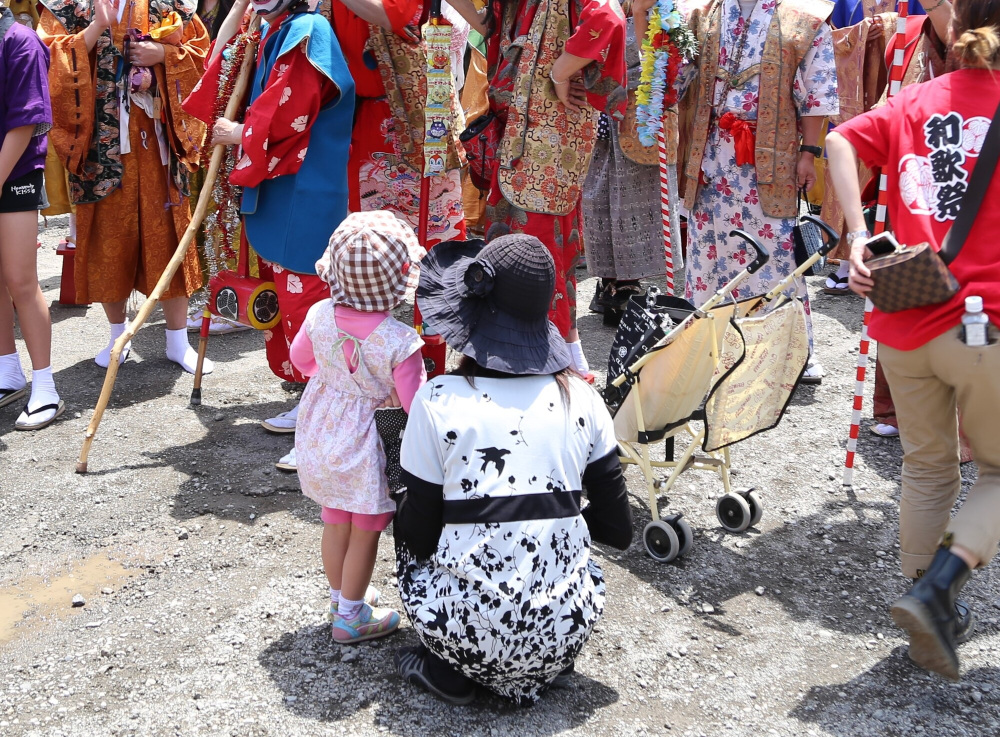

Waka-matsuri Festival (Wakayama City), Kokawa-matsuri Festival (Kinokawa City)
Along with the Tanabe-matsuri Festival, the Waka-matsuri Festival and Kokawa-matsuri Festival are loved as the three major Kishu festivals, with the Waka-matsuri Festival held in Wakayama City and the Kokawa-maturi Festival held in Kinokawa City.
The Waka-matsuri Festival is held every year in May at Kishu Tosho-gu Shrine , and the festival has over 400 years of history after beginning in 1622 . The festival is said to have been started by Yorinobu Tokugawa, first lord of the Kishu Tokugawa family, to commemorate his father, Ieyasu, the first Tokugawa Shogun. The highlights of the festival include a number of traditional sights including the Mikoshi Oroshi , or the majestic descent of the portable shrines down the steep steps of the shrine, as well as a Togyo parade featuring traditional performing arts such as Japanese Taiko drums and other performances. The sight of the participants in their colorful garb as they parade through Wakanoura is like traveling back in time to the period when the festival was first started.
The Kokawa-matsuri Festival is a festival held at Kokawa Ubusuna Shrine on the last Saturday and Sunday of July each year. Danjiri floats with glittering decorations are lined up on the night of the first day of the festival for a parade along Kokawa Tonmaka Street. Then, on day 2, the main day of the festival, a parade of children’s Danjiri floats is held. There is also a Togyoshiki procession of over 400 participants held once every two years, featuring children on horses dressed as warriors and other members dressed in formal Samurai Kamishimo kimonos.

Odorunya - Kishu Yosakoi Festival (Wakayama City)
Hosted by a private organization, the Odorunya - Kishu Yosakoi Festival is a festival created and managed by the public, with the support of numerous volunteers, based on a concept of participation, exchange, and joy.
The festival draws numerous dance teams not only from within Wakayama Prefecture, but from places such as Osaka as well. The impressive Yosakoi dancing, with the performers in colorful costumes, brings unending excitement to the venue. This is a major event that also attracts countless tourists every year.
Traditionally held around late July, it has been shifted to November during the autumn in recent years.
Kishu Lacquerware Festival (Kainan City)
This festival is held on the first Saturday and Sunday of November every year in the Kuroe district of Kainan City, the home of Kishu lacquerware and one of the four main lacquerware production regions in Japan. Local wholesalers line up their tents at the festival offering visitors a chance to purchase their wares. Meanwhile, at the Uruwashi-kan located in the district, visitors can participate in a Maki-e Hands-on Experience where they can decorate trays or lunch boxes, or a mini four-wheel competition featuring Kishu lacquerware cups. This event is a great opportunity to experience the depth and appeal of Kishu lacquerware.
Activities to move your body and maximize your enjoyment!


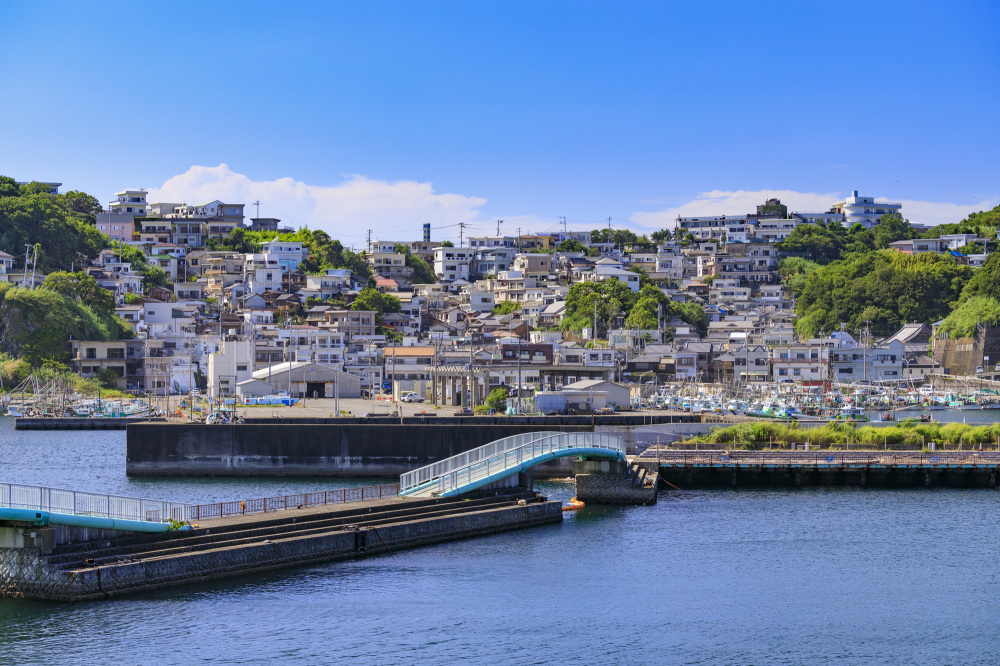

There are numerous activities to enjoy in this area, whether Wakayama or Kainan Cities on the coast, or Kimino Town in the mountains, including everything from marine sports to hiking.
Here we have selected a few of the activities we recommend from among them in the Wakayama City area, featuring the leading traditional crafts of Wakayama, as well as other popular destinations.
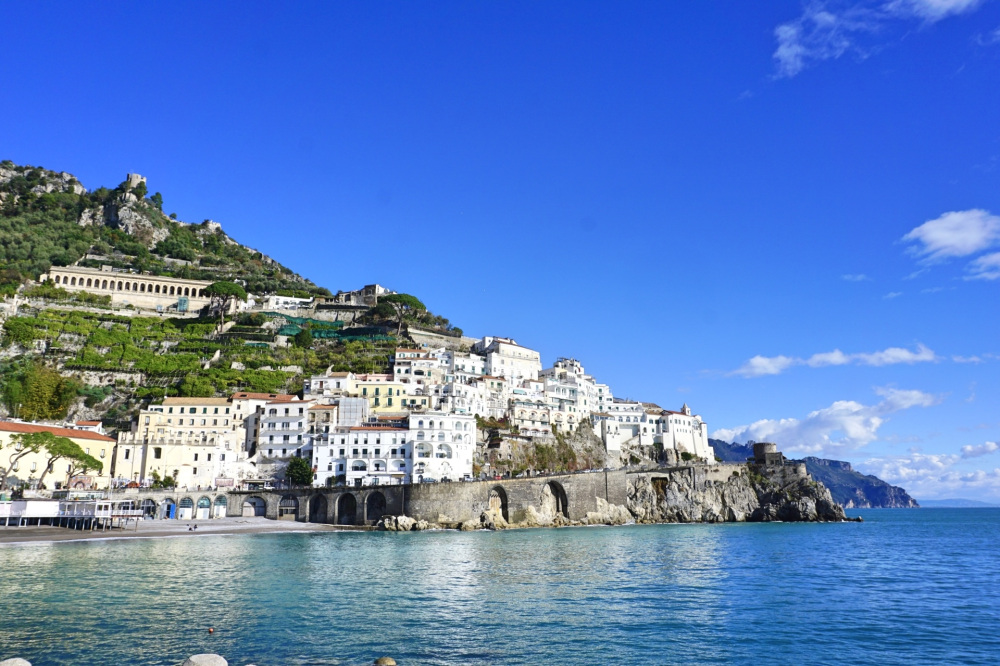
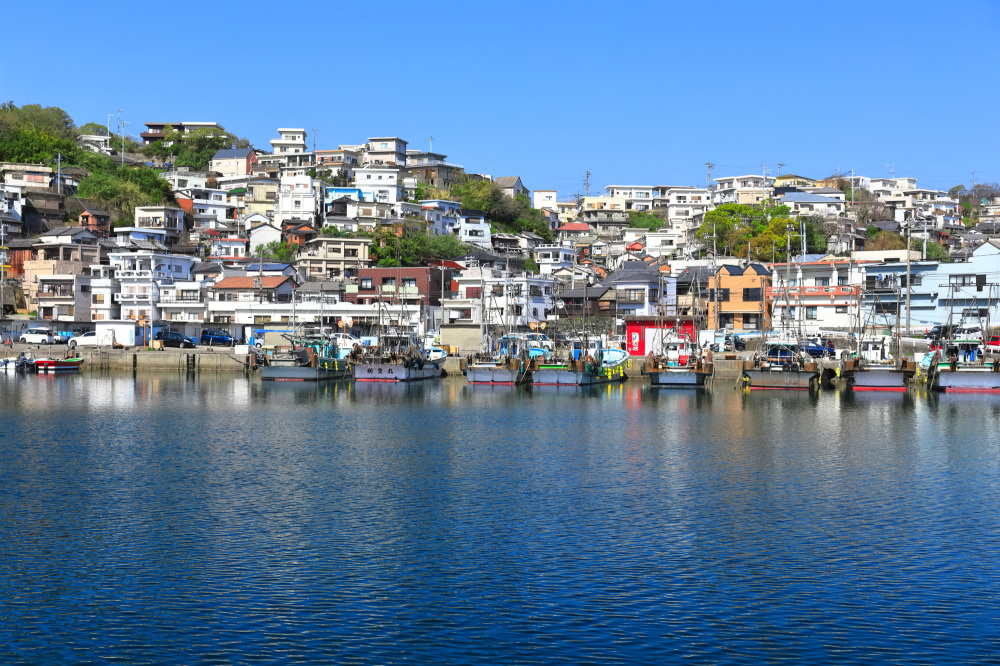
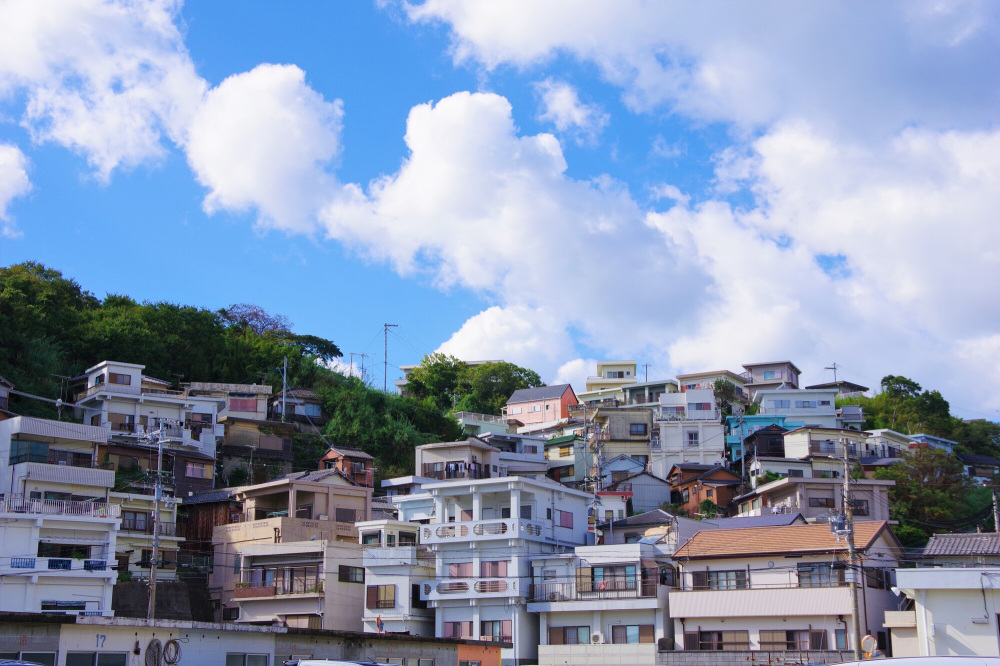
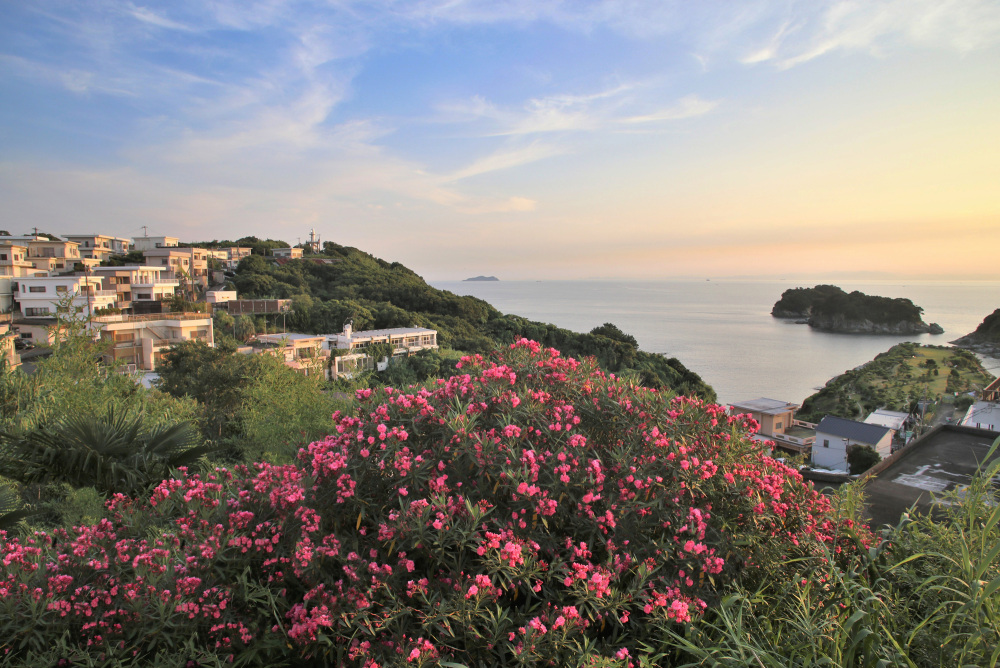
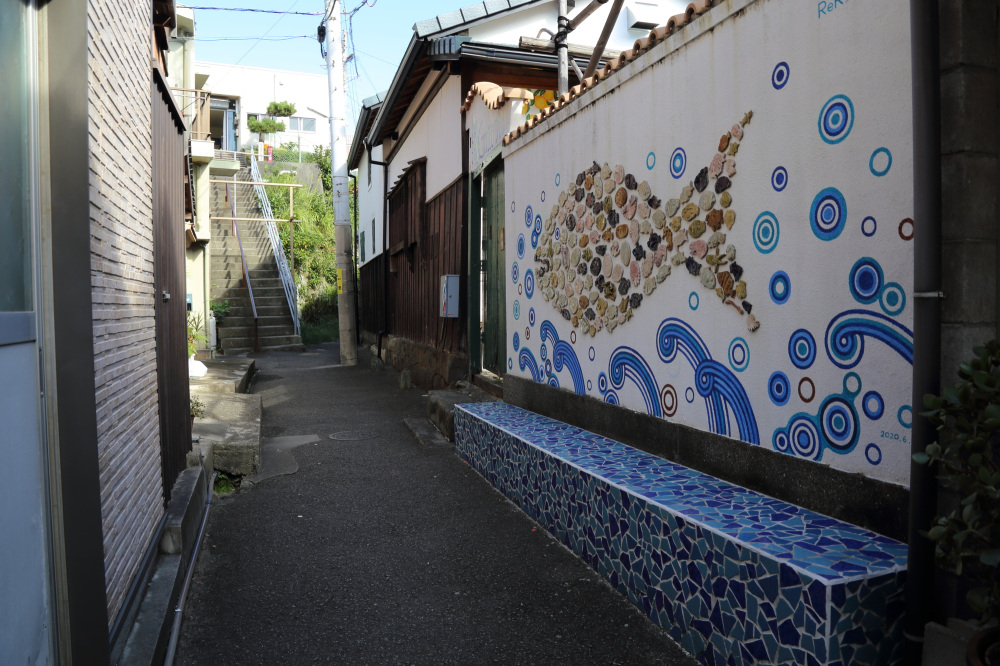
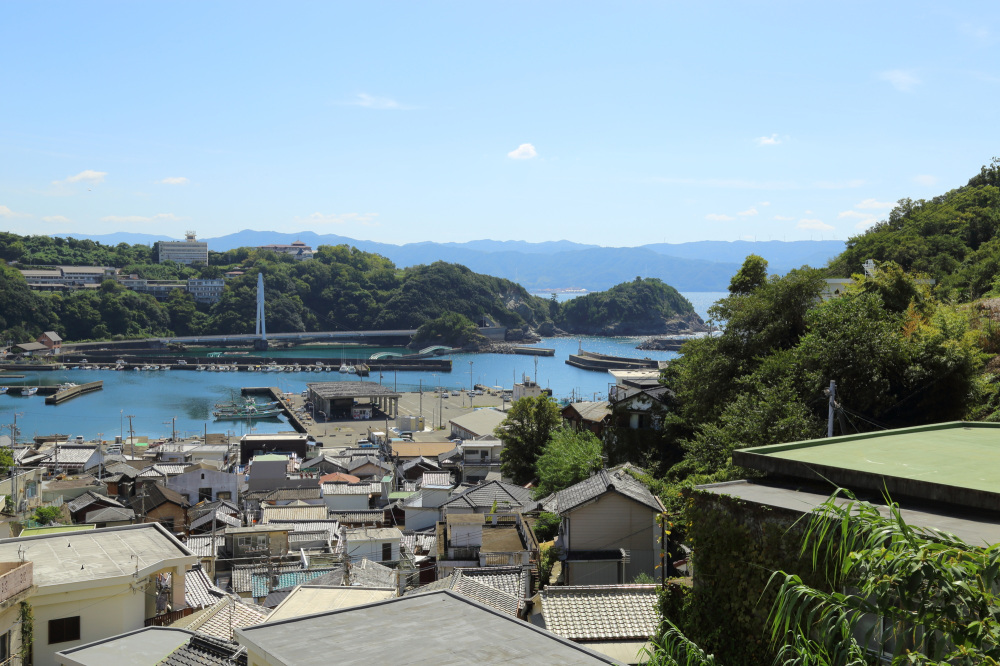

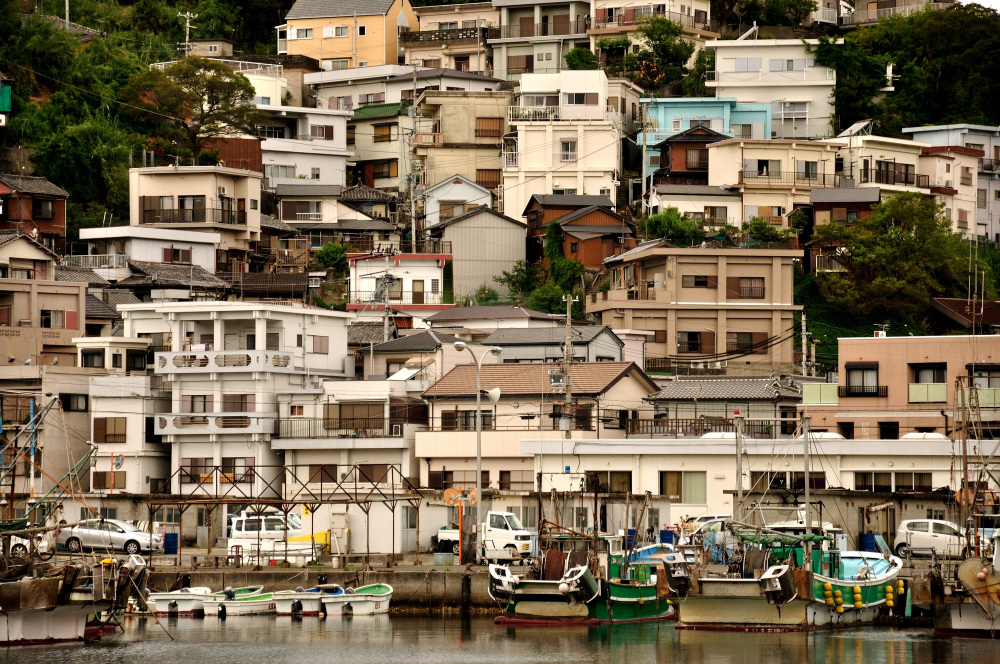
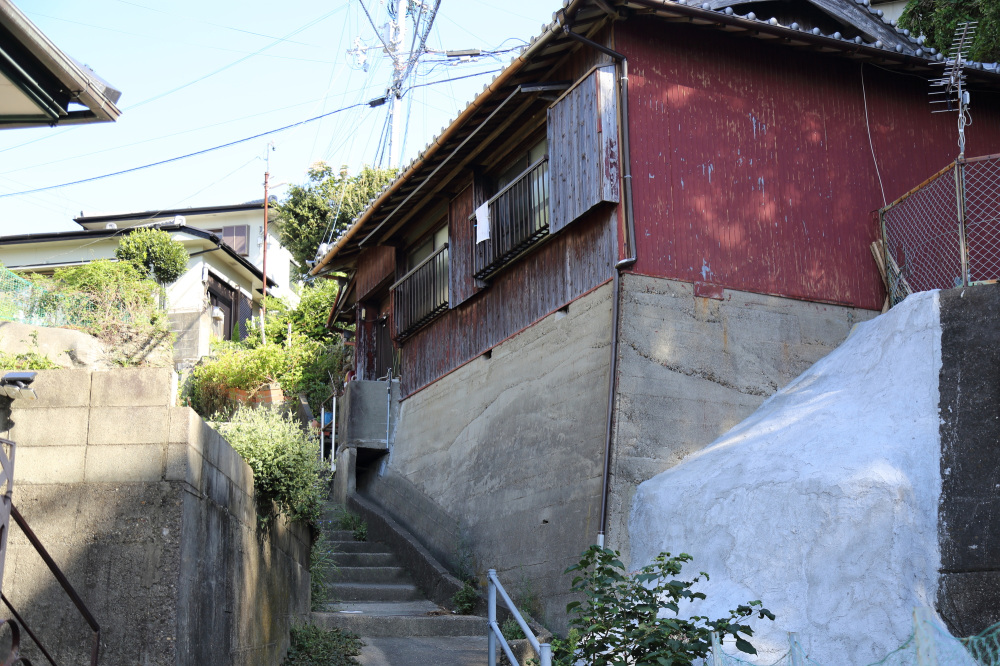
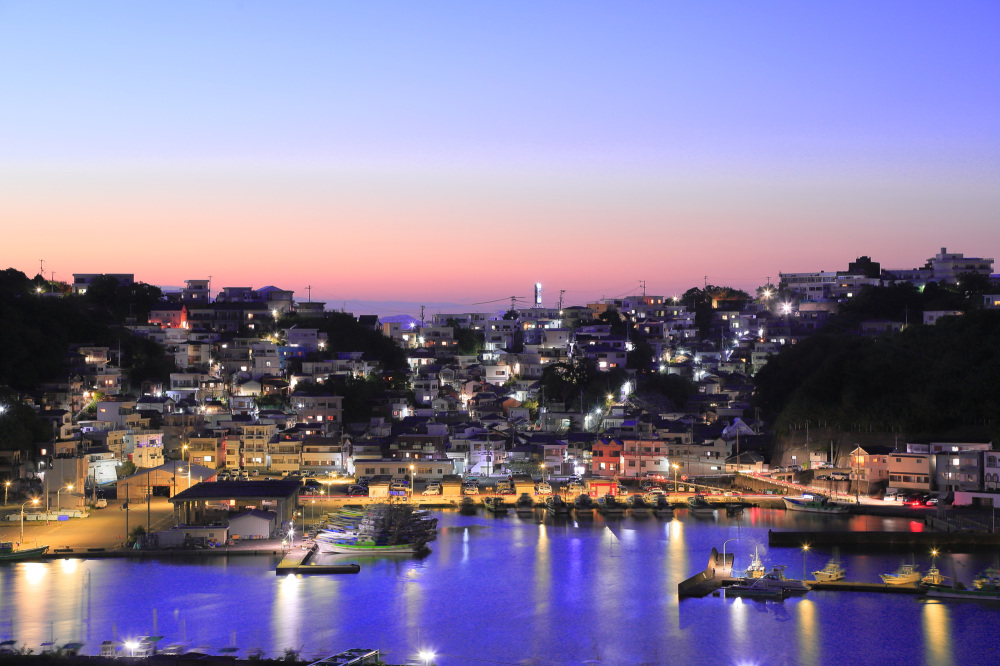
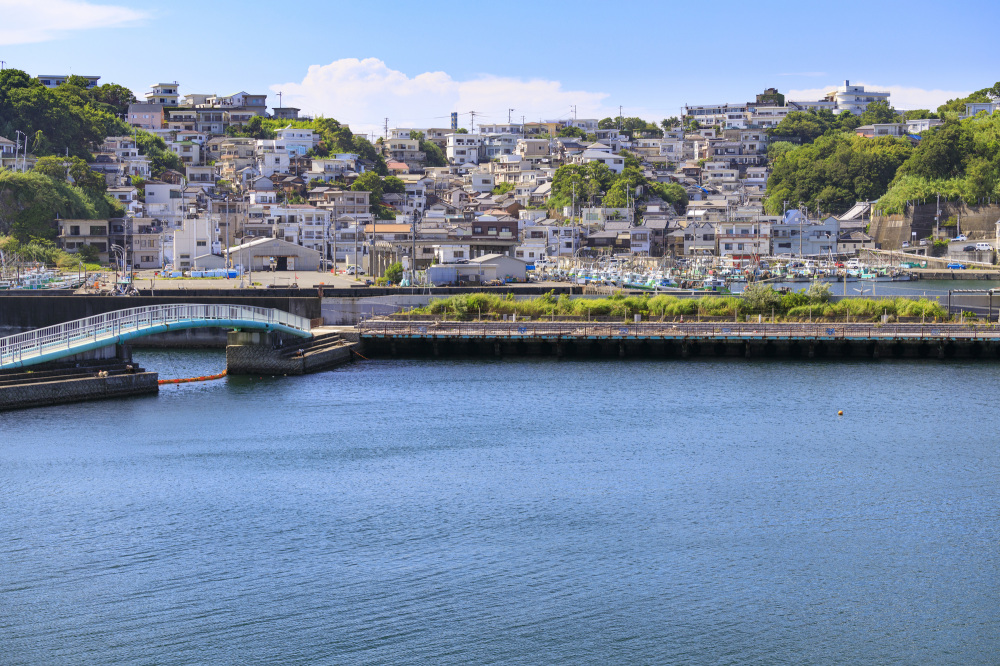
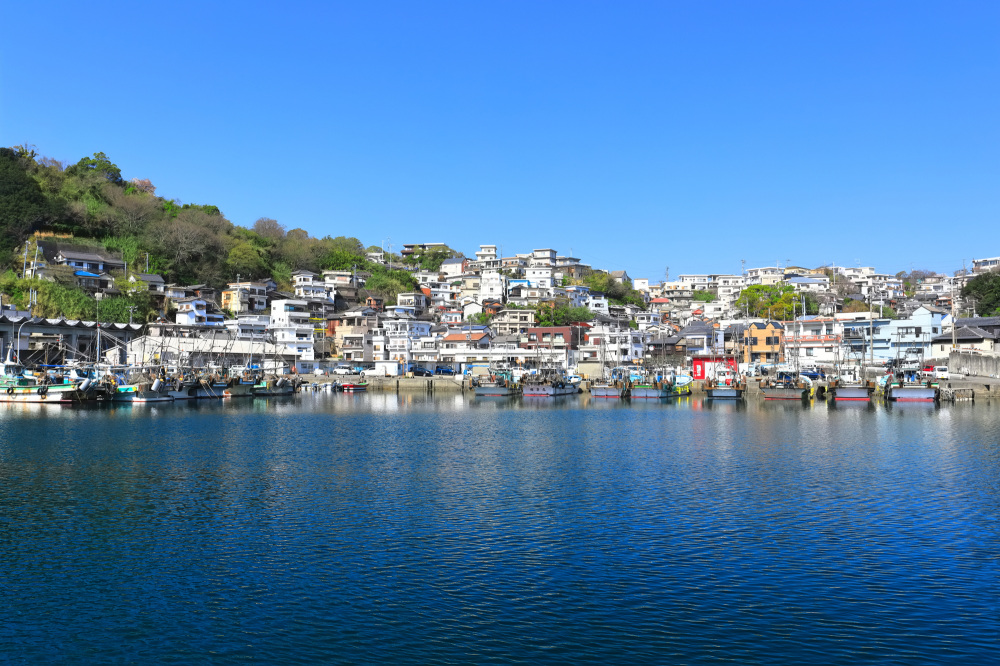
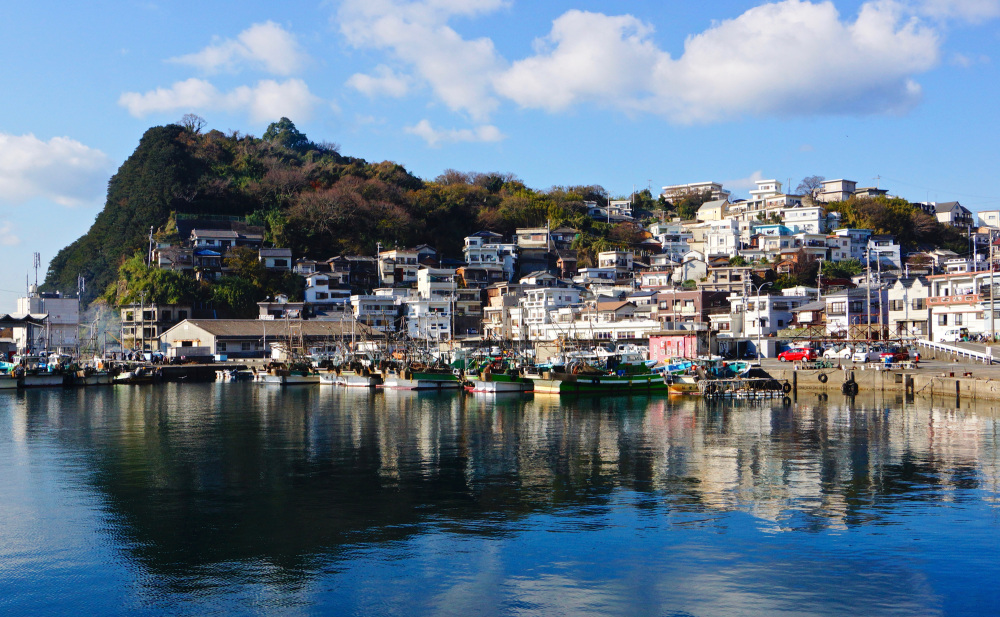
Walking around Saikazaki, known as the Amalfi of Japan
Saikazaki is a small fishing village sung about in the Manyoshu, the oldest Waka poem collection in Japan, as Saika-no-ura and Ama-no-Tomoshibi. The village is known as the Amalfi of Japan for the unique landscape featuring houses concentrated on the slopes that looks similar to the World Heritage Amalfi coast in Italy. The back allies that form a complicated network of narrow streets and stairways make a perfect place for taking walks. Come and experience the lifestyle and culture of a fishing village that may even feel nostalgic to some.
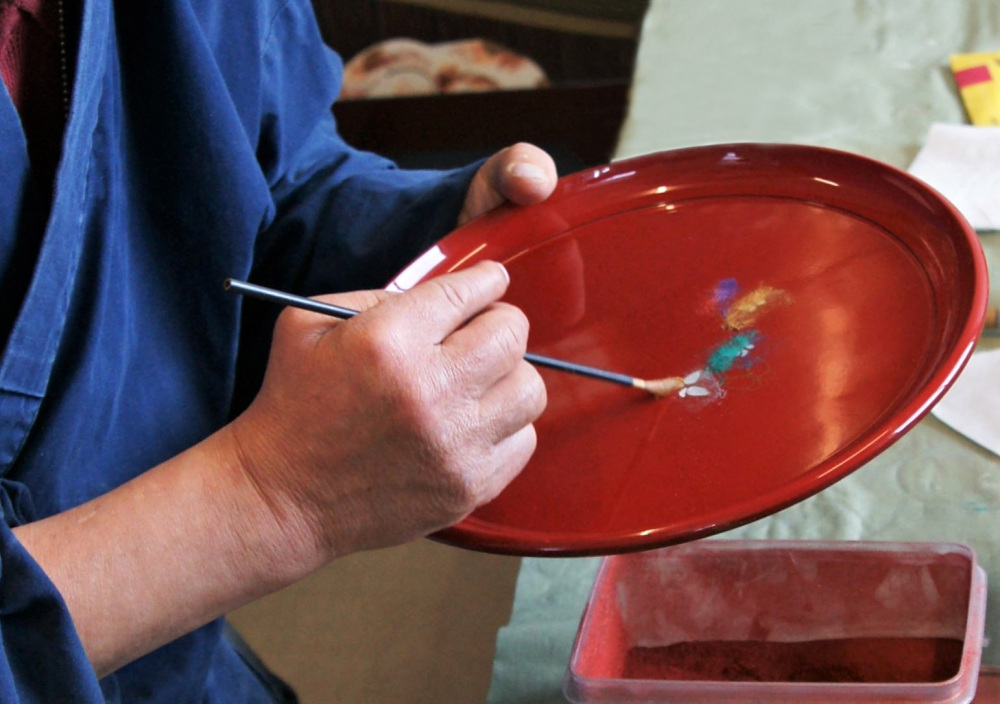
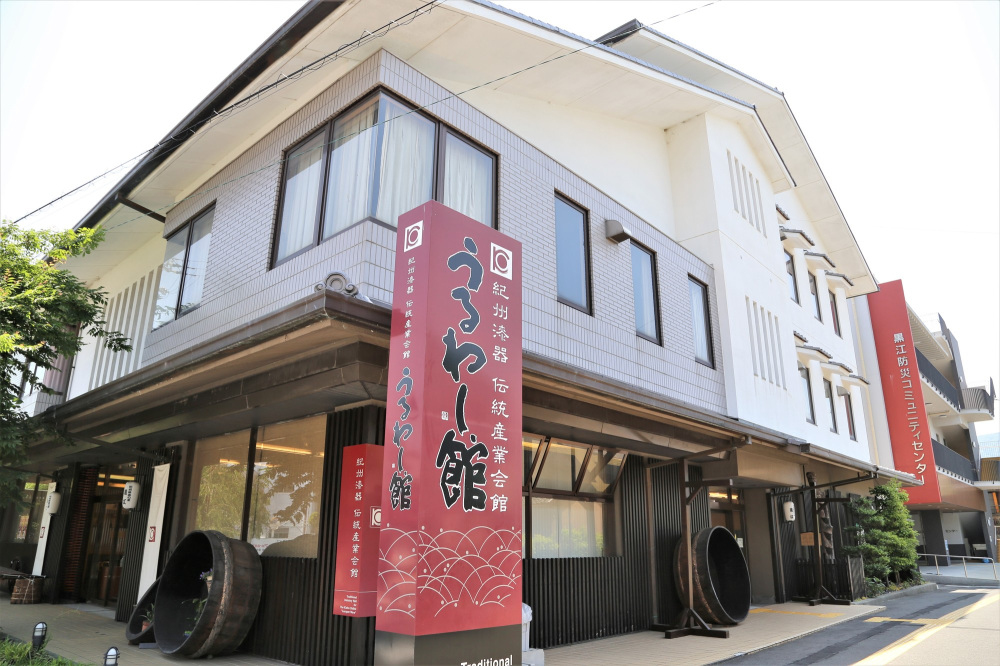
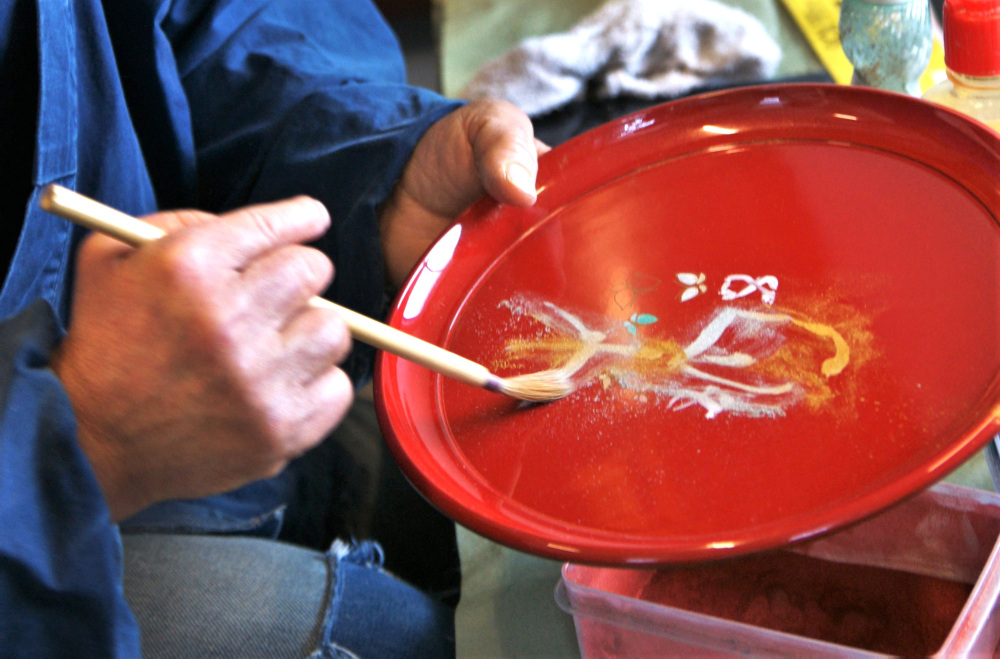
Kishu Lacquerware Maki-e Hands-on Experience
Kishu lacquerware boasts a history of over 400 years and comes from a region that is recognized as one of the four major lacquerware production centers, alongside Aizu, Yamanaka, and Wajima lacquerware.
Visitors to the Uruwashi-kan, located in the Kuroe district of Kainan City, the home of Kishu lacquerware, can join a lacquerware Maki-e Hands-on Experience.
Participants apply a paint according to the underlying sketch, and then color the piece by applying powdered pigments over that. The instructor will provide a detailed explanation, so even beginners can join without concern.
* Reservations required in advance. Please refer to the website below for dates and other details.


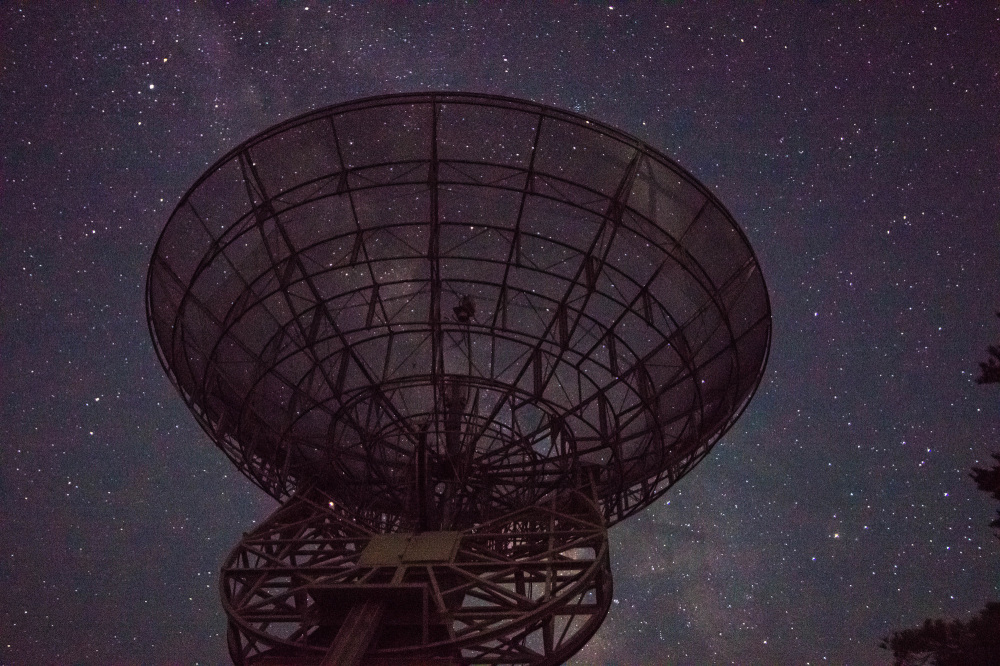
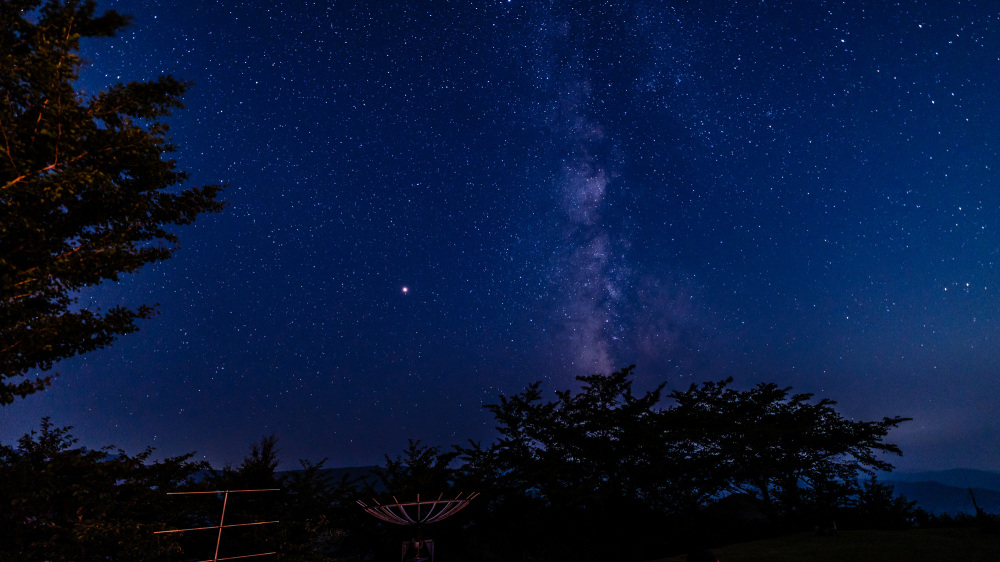
Stargazing
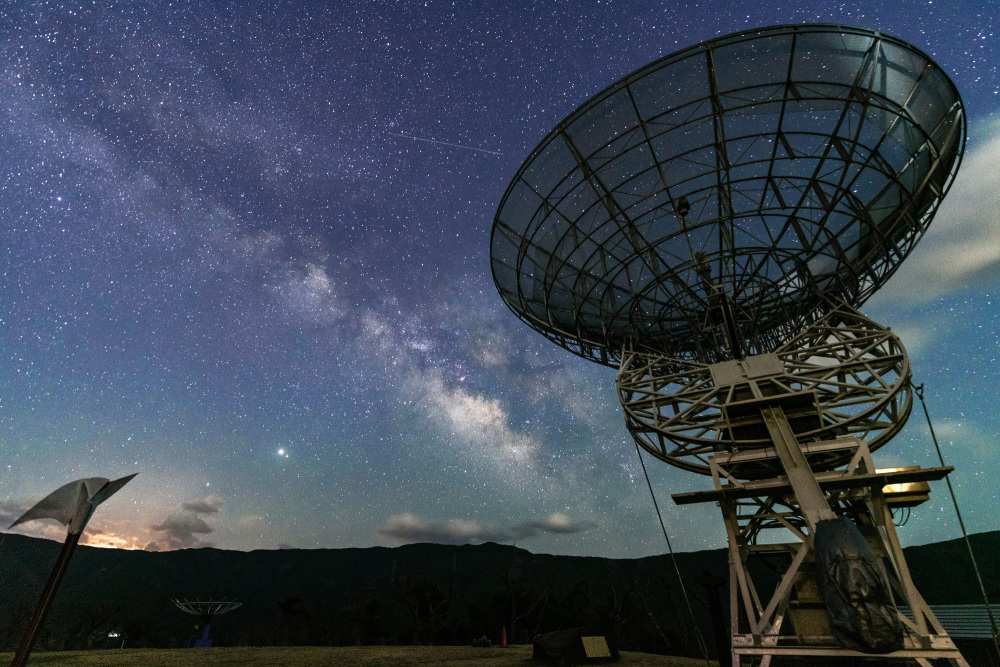
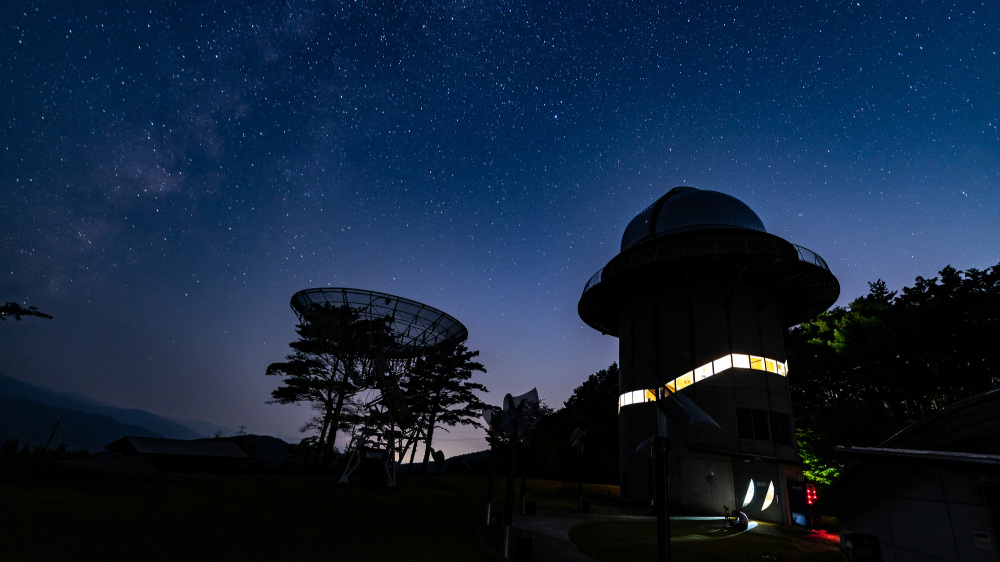
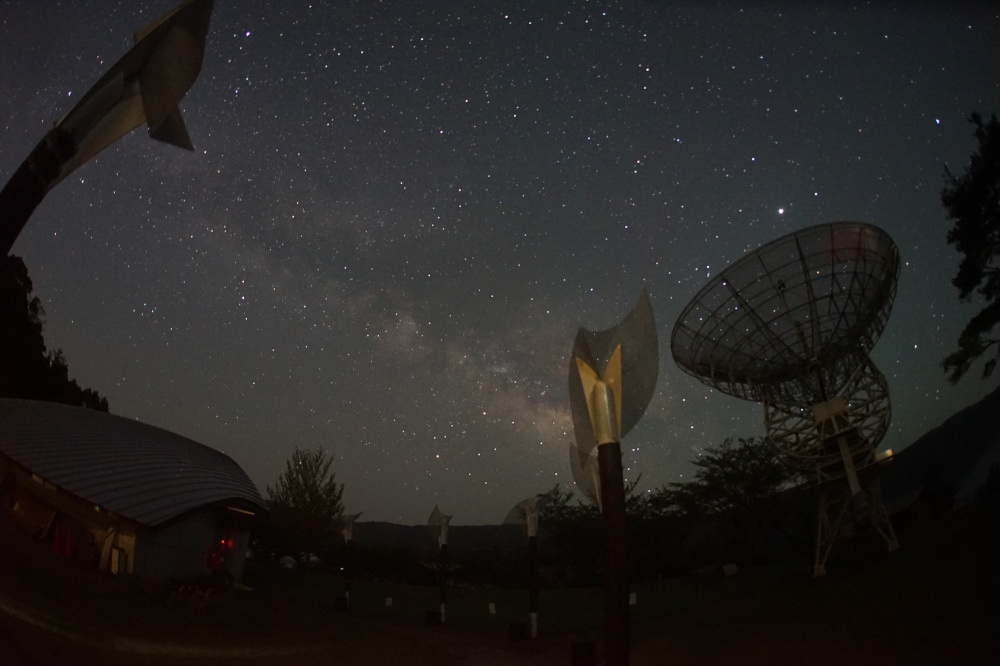
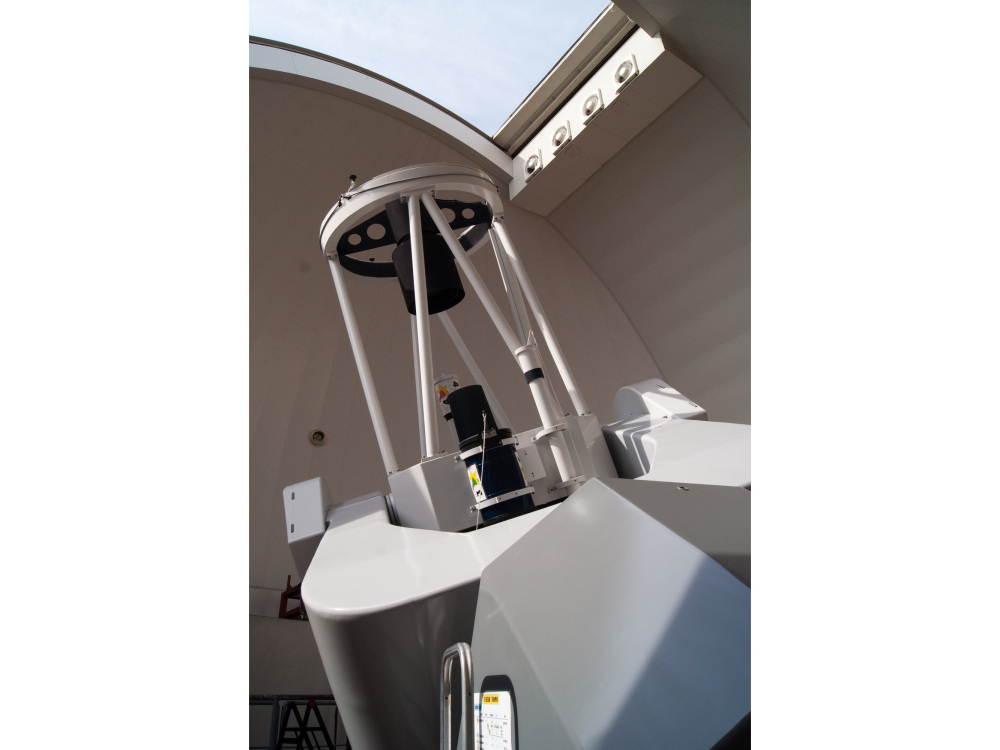
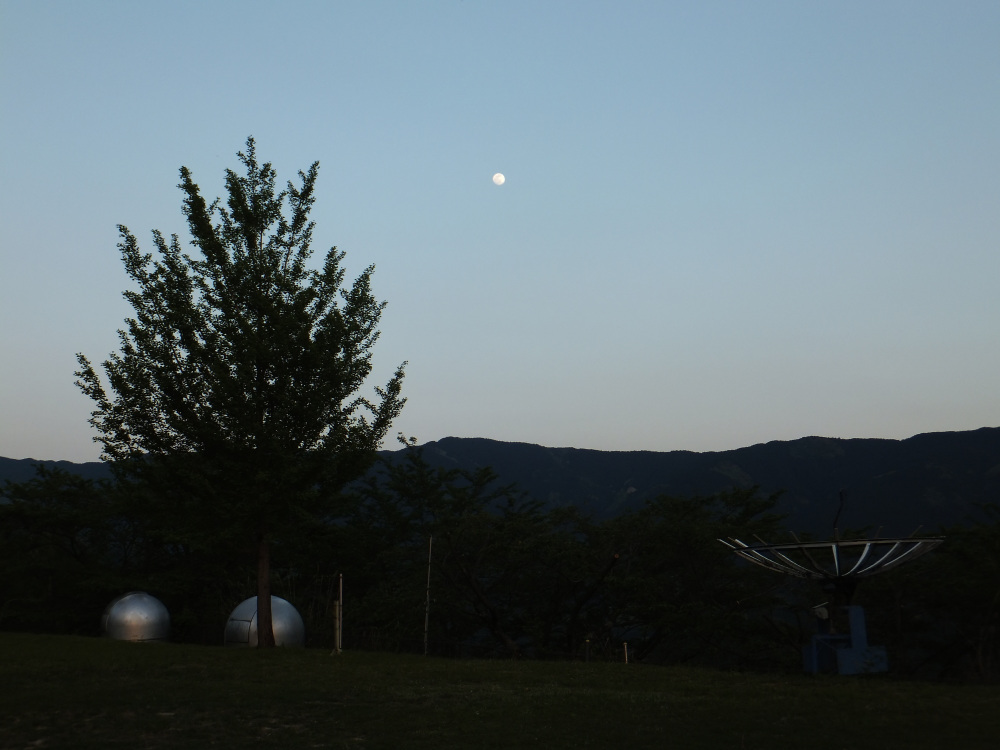
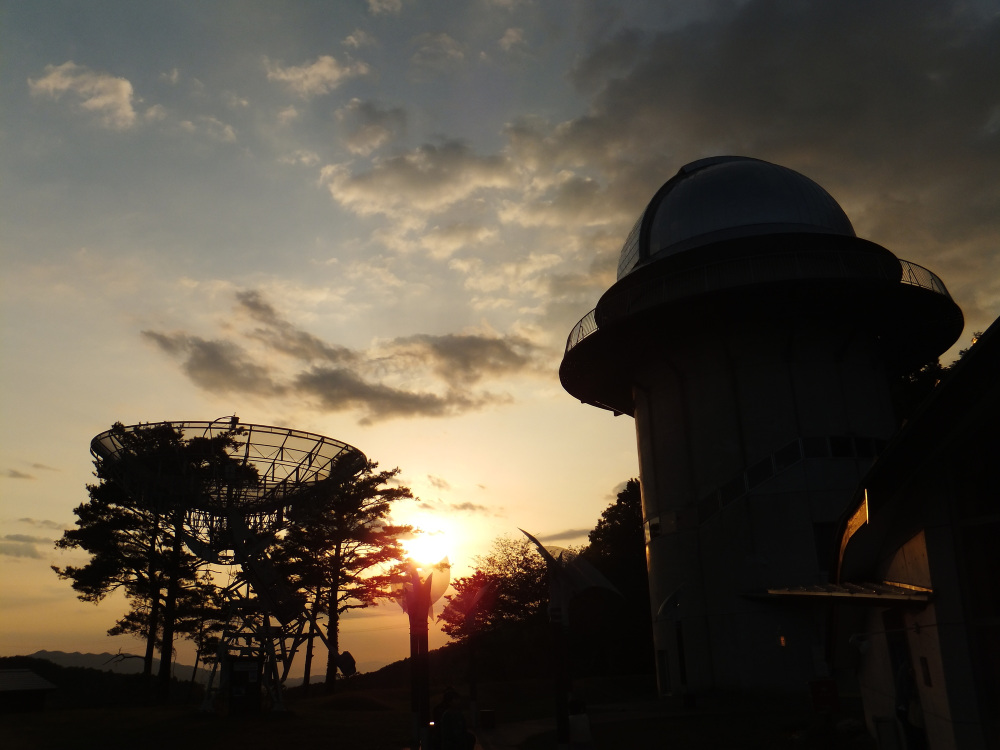
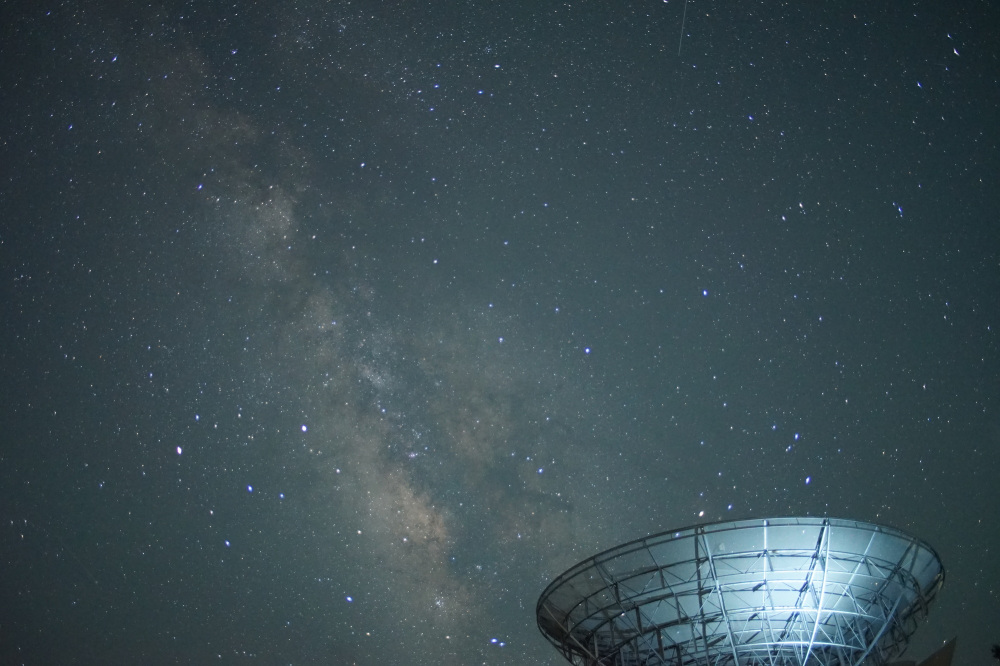
At night, Kimino Town sits beneath the wide-open starry sky. We particularly recommend taking the stargazing tour at the Misato Observatory, a miraculous stargazing spot in Kimino where you can see the Milky Way with the naked eye.
First, you simply look up at the starry sky with your own eyes. Then you get to experience a bit of astronomical observation with the largest telescope in the prefecture. Enjoy a clear picture of constellations, nebulae, and craters on the moon accompanied by an explanation from an astronomer. Don’t worry if the weather is rainy or cloudy when you visit however, because you can also enjoy a tour of the large-scale telescope, an experimental show, and the planetarium.
* Reservations required in advance. Refer to the website below for details.
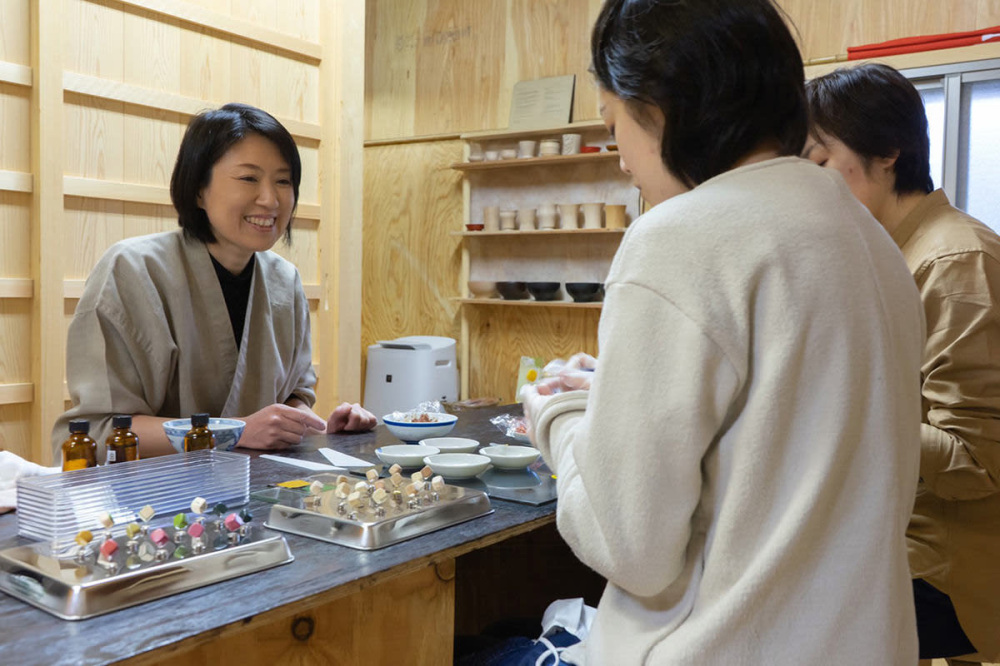
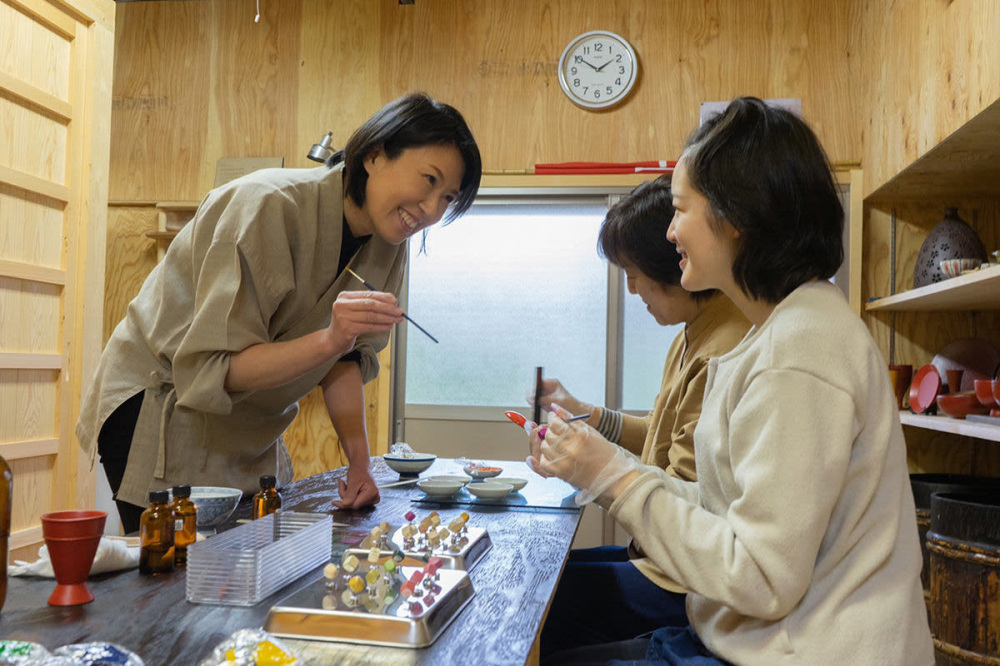
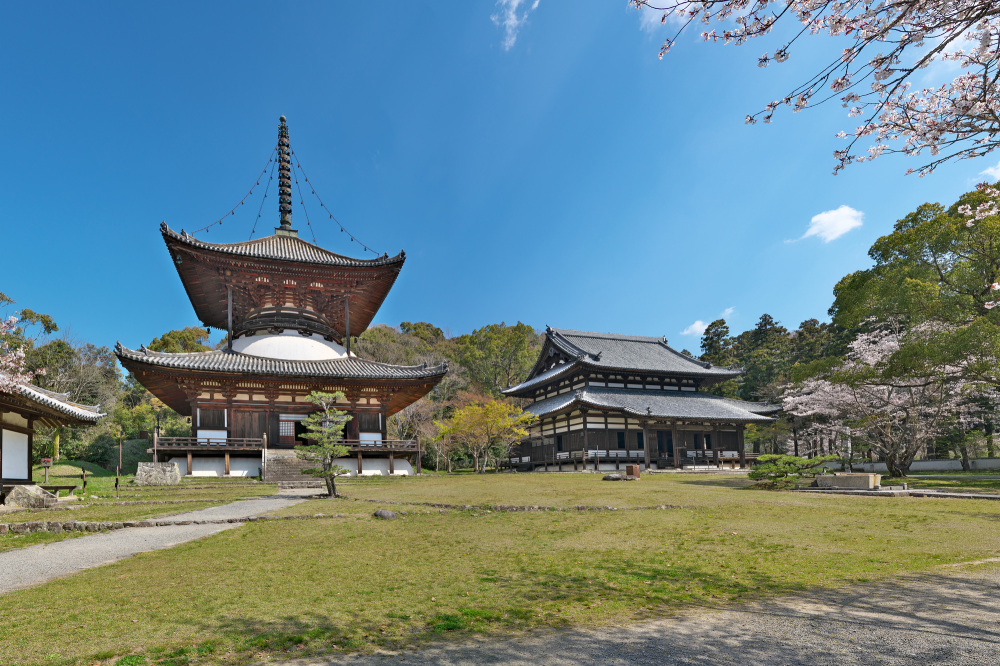
Negoro-nuri (Negoro lacquerware) workshop
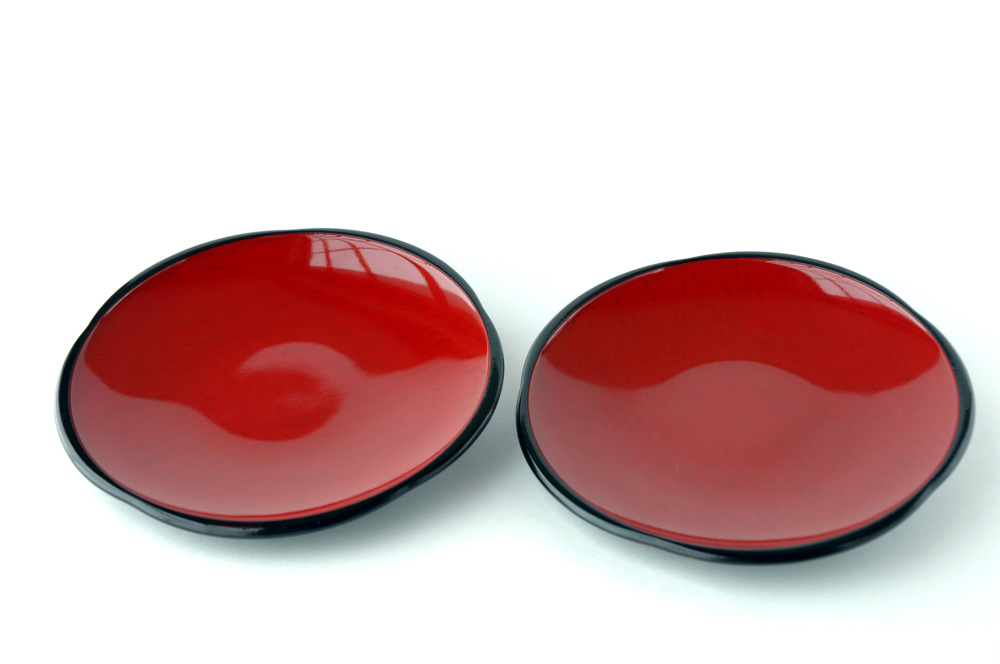
Negoro lacquerware, or Negoro-nuri, is formed by layering black and red lacquer over a hard, sturdy, and durable wooden base. Visitors to Hatsune Kobo, a Negoro-nuri workshop on the grounds of the Negoroji Temple in Iwade City, can try their hand at making authentic Negoro-nuri spoons and chopsticks using real lacquer. The craftsman will provide a detailed explanation, so even beginners can join and have fun without concern. The completed items will be shipped to you at a later date once the lacquer dries completely. So we invite you to experience the appeal of a true traditional craft.

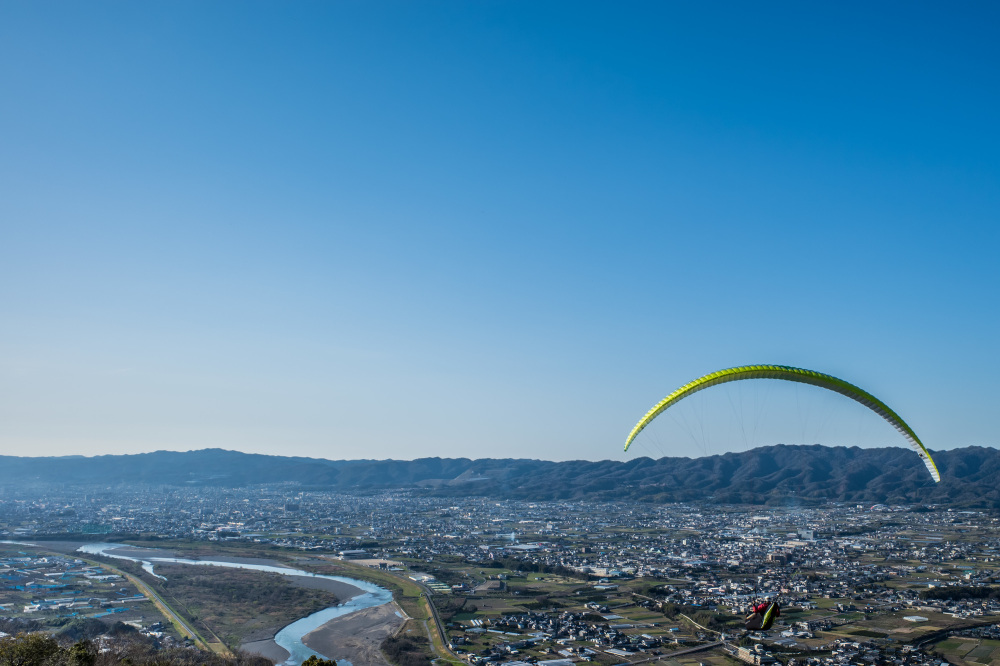
Paragliding Experience
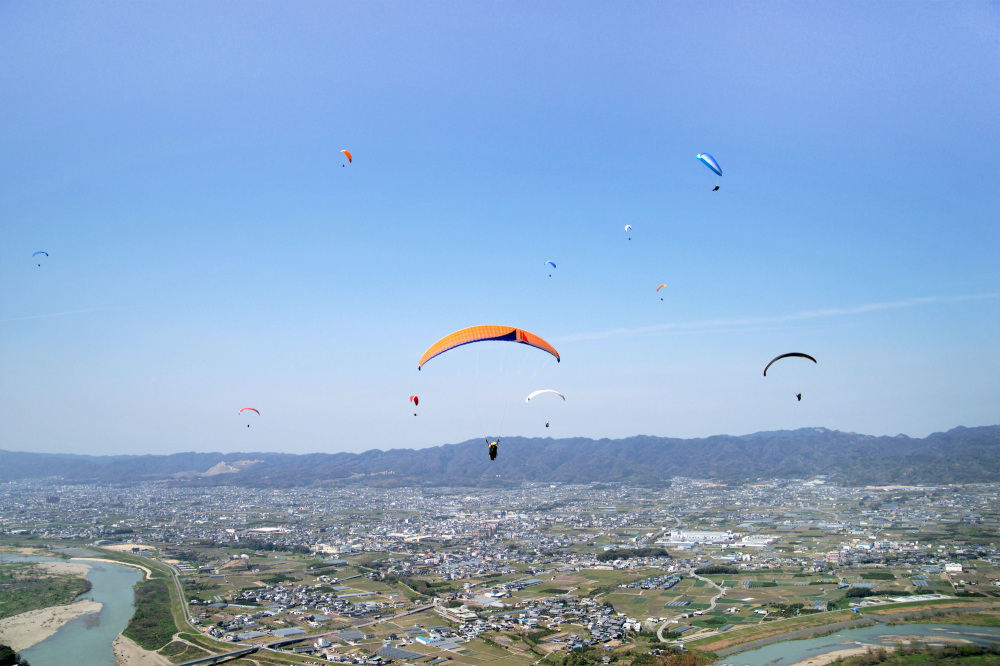
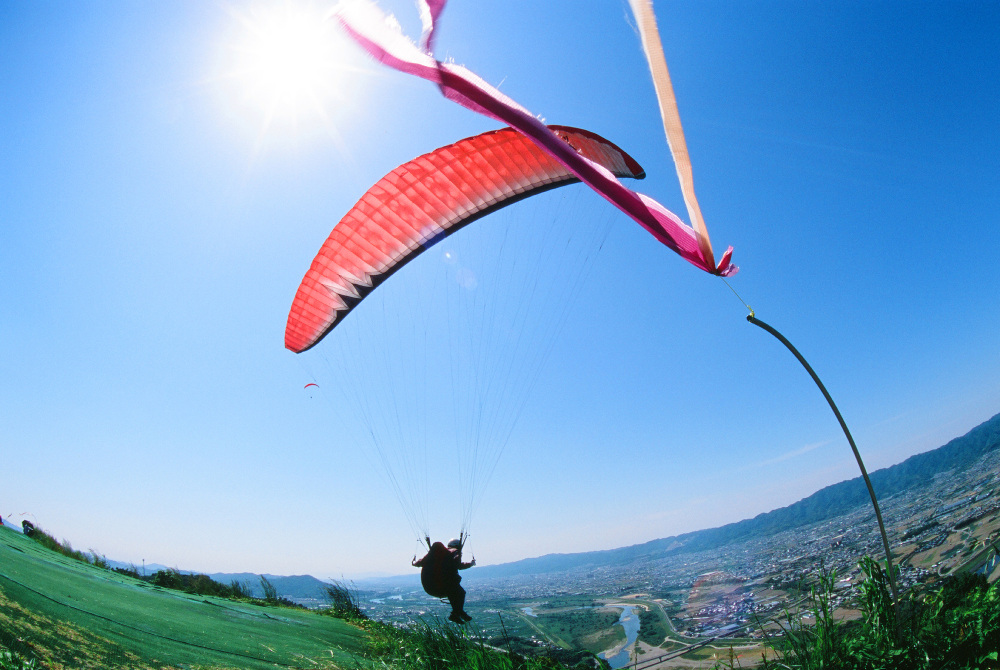
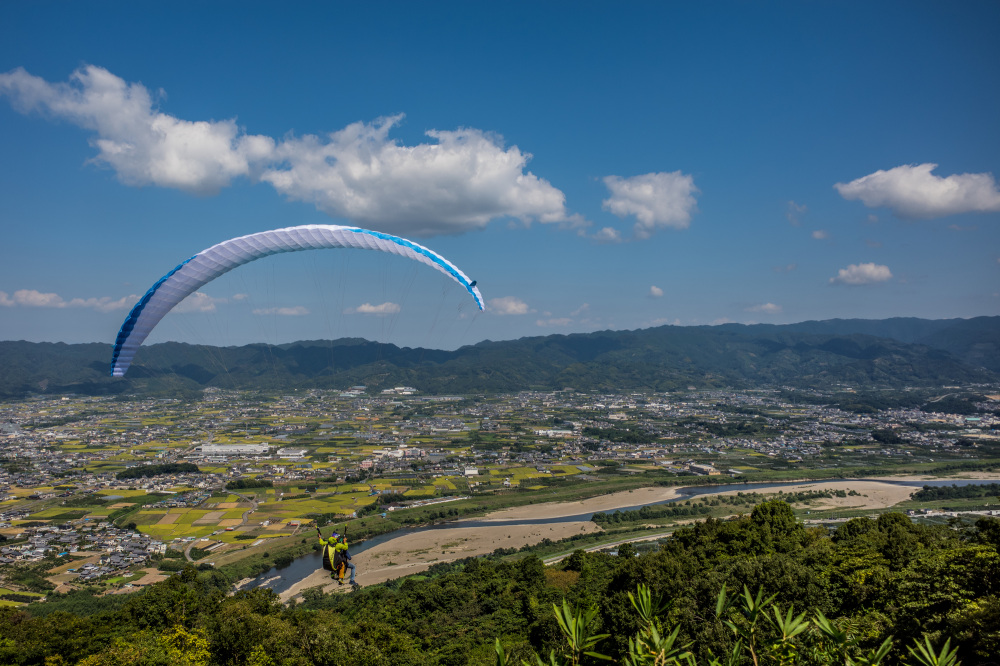
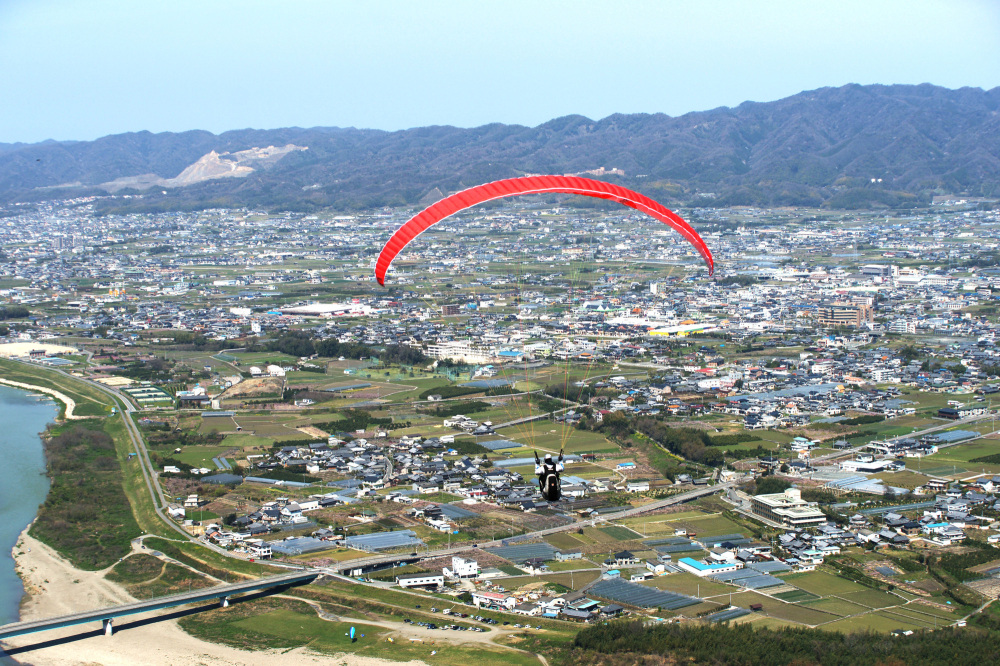
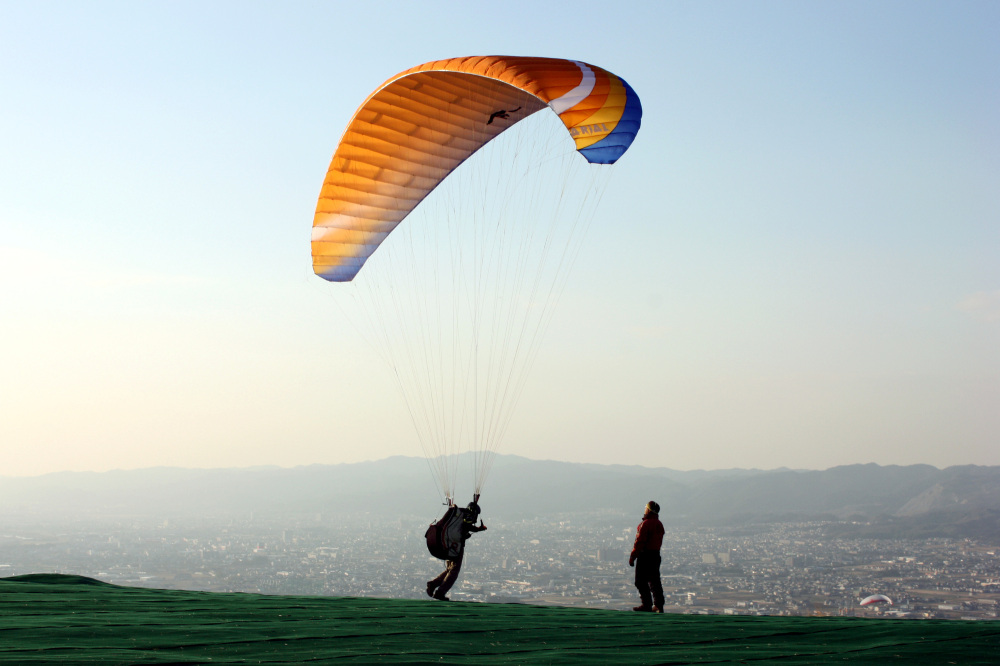
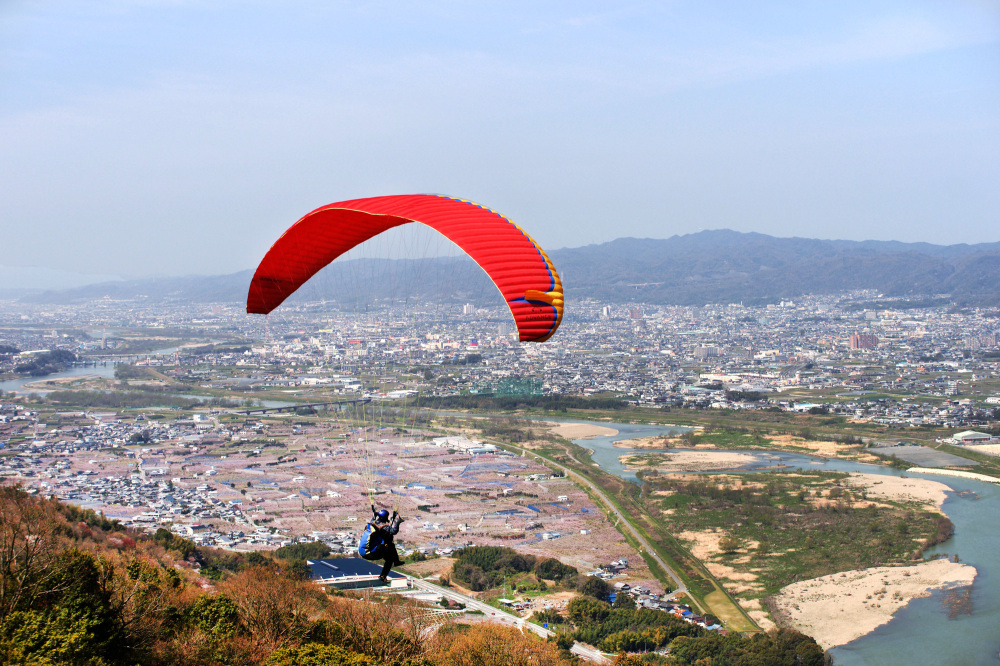
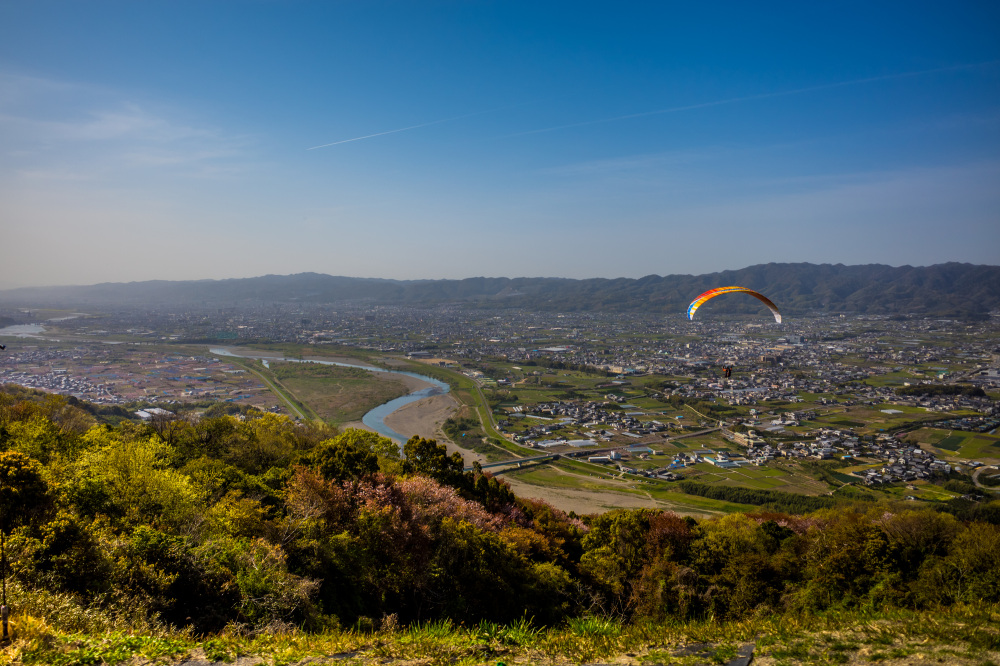
Kinokawa City has its own takeoff base for paragliders and hang gliders. The landing site is located along the riverbed toward the middle section of the Kinokawa River, and with its location close to Osaka, is considered one of the best flight areas in Japan. There is even a tandem workshop where you fly in a paraglider made for two with an instructor, making this aerial sport easily accessible for beginners. So take a stroll through the sky as you look down on the scenic beauty of the streets of Kinokawa.
You deserve a reward: dining and gifts


Blessed with a warm climate, rich soil, and beautiful seas, the Wakayama City area is home to plenty of delicious things to eat. Here we introduce our recommended delicacies that we want you to try, from leading local dishes to options that are rising in popularity. And many of them will surely make great gifts.
- Wakayama Ramen
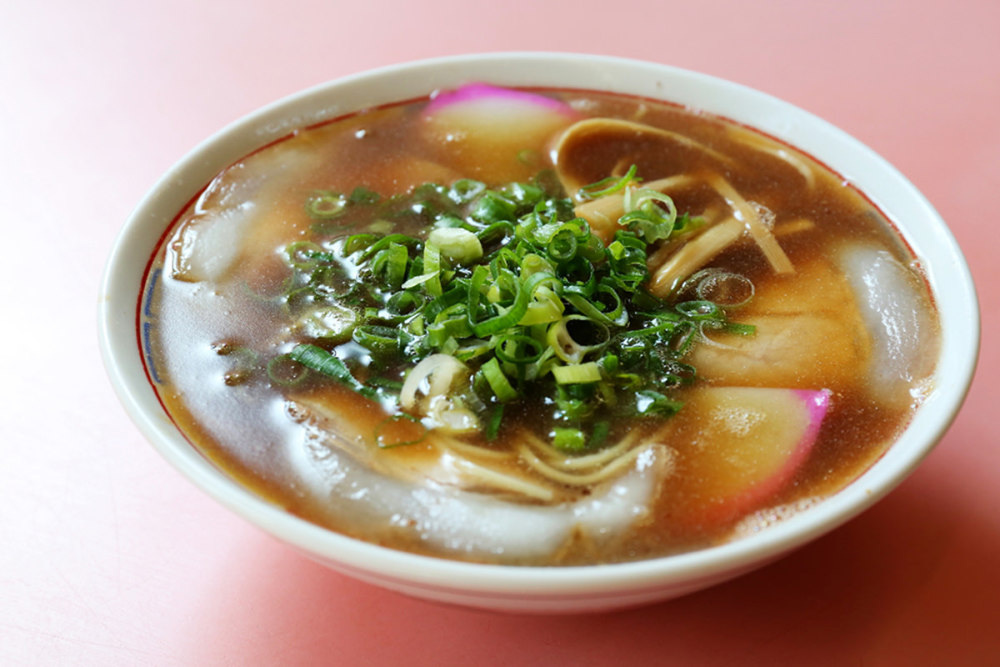
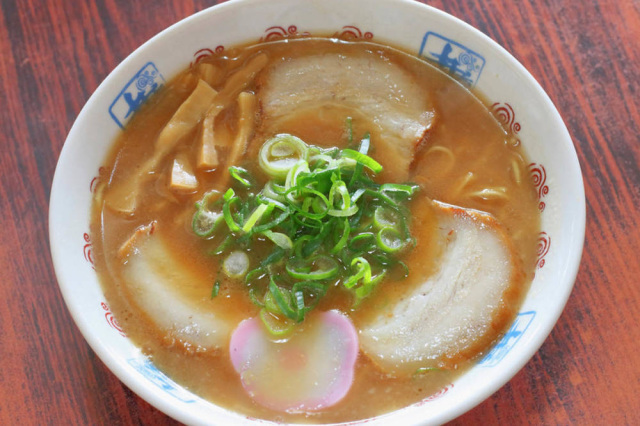
- Wakayama ramen, currently rising in popularity throughout Japan, began at a food stall here in Wakayama City. Also commonly known as chuka-soba (or Chinese noodles), it is known for its thin noodles in a soy sauce or pork bone soy sauce based soup. In the central area of Wakayama City you can find venerable restaurants that have been loved for years, unique places with particular tastes, and popular restaurants with lines out the door. Two items that go great with your Wakayama ramen are Hayazushi, or pressed sushi with vinegared fish such as mackerel, and boiled egg (called Yude-Tamago in Japanese). So make sure to try them together.
- View more
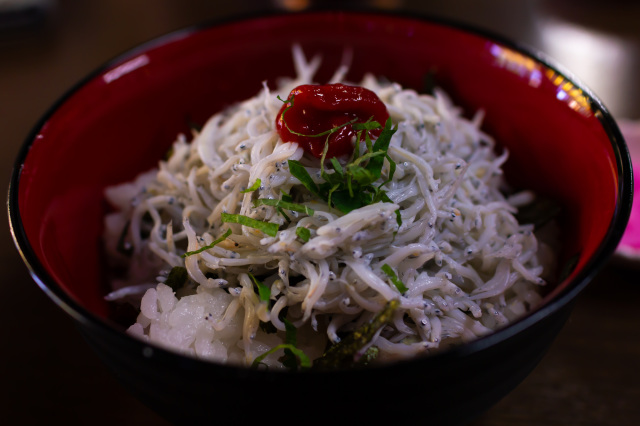
- Whitebait
- The Kii Channel area of Wakayama is a famous fishing ground for whitebait, known as Shirasu in Japanese, and Wakaura Bay off Wakayama City is no exception. Known as Wakashirasu, the whitebait caught in the mineral-rich waters of Wakaura Bay are known for their whiteness when steamed, and are best caught in the spring and autumn seasons. Raw shirasu and Kama-age (steamed and reduced) shirasu are luxuries that can only be enjoyed here where they are caught. There are many ways to enjoy the whitebait, rather in a rice bowl, vinegared, or with soy sauce and grated Daikon radish.
- View more
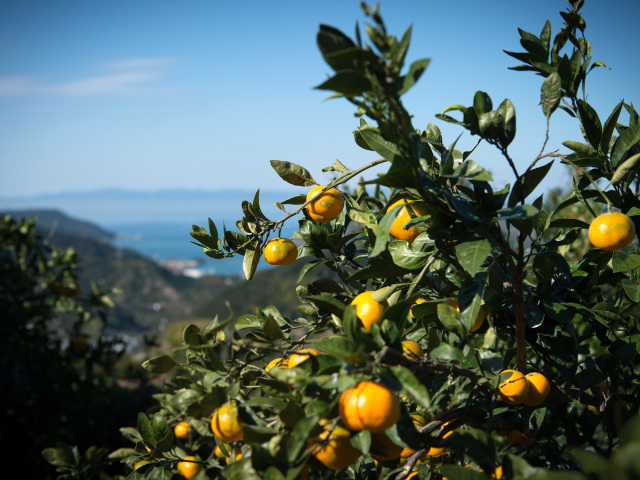
- Kuradashi mandarin oranges and loquats
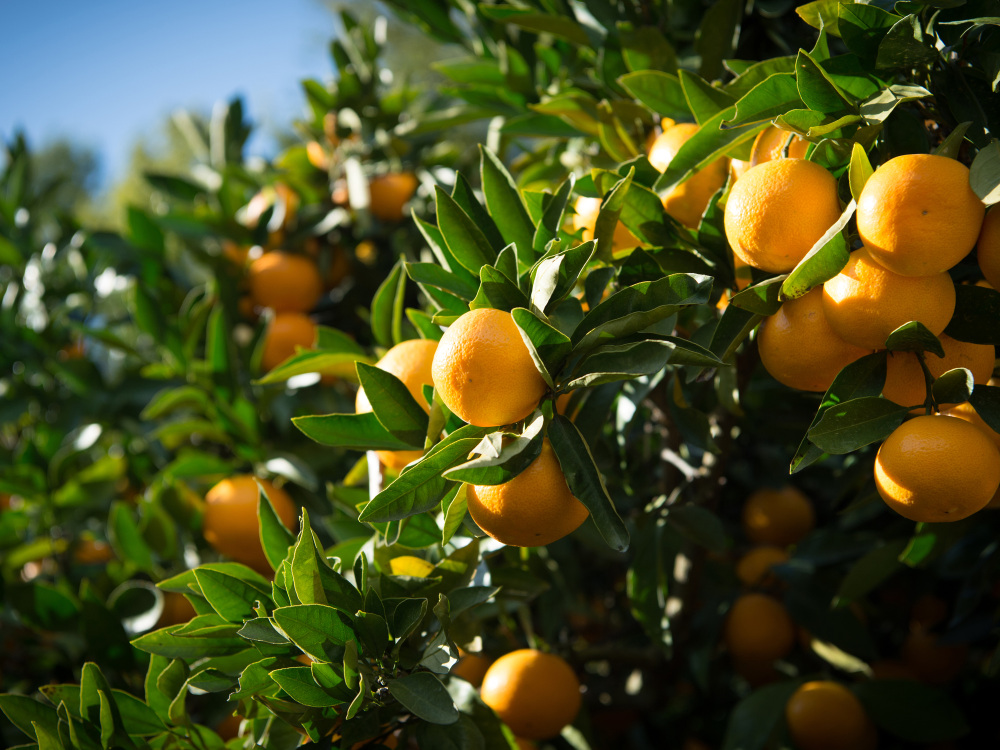
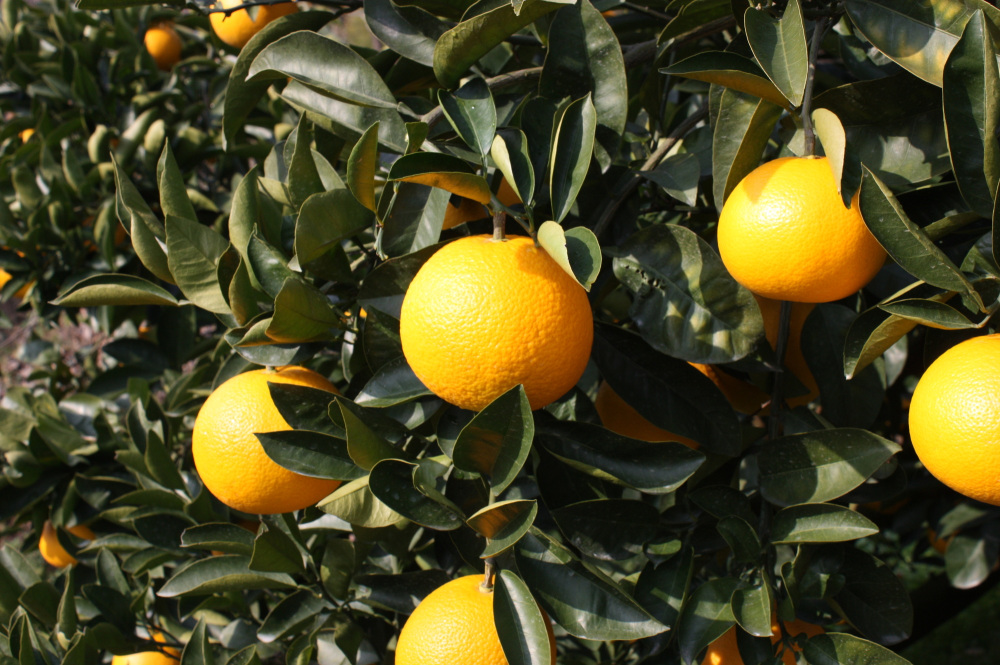
- The Shimotsu district of Kainan City is said to be the birthplace of mandarin oranges, or Mikan, in Japanese, and boasts one of the highest yields in the country. It is also known as a production region for Kuradashi Mikan, or Kuradashi mandarin oranges, a type of aged mandarin orange that is harvested in December and then stored and aged in an earthen-walled granary until shipment. Kuradashi Mikan are popular for their smooth sweetness that results from a reduction in tartness and an increase in sweet taste. Meanwhile, loquats are grown on the steeper slopes in the area, and the abundant sunlight and good water drainage result in a harvest of juicy, fragrant loquats.
- View more
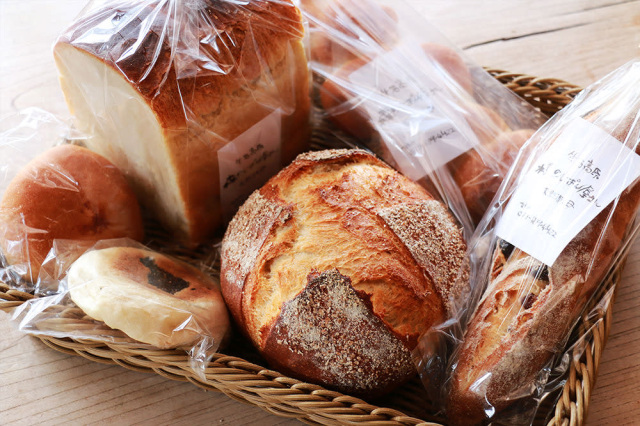
- Breads and sweets
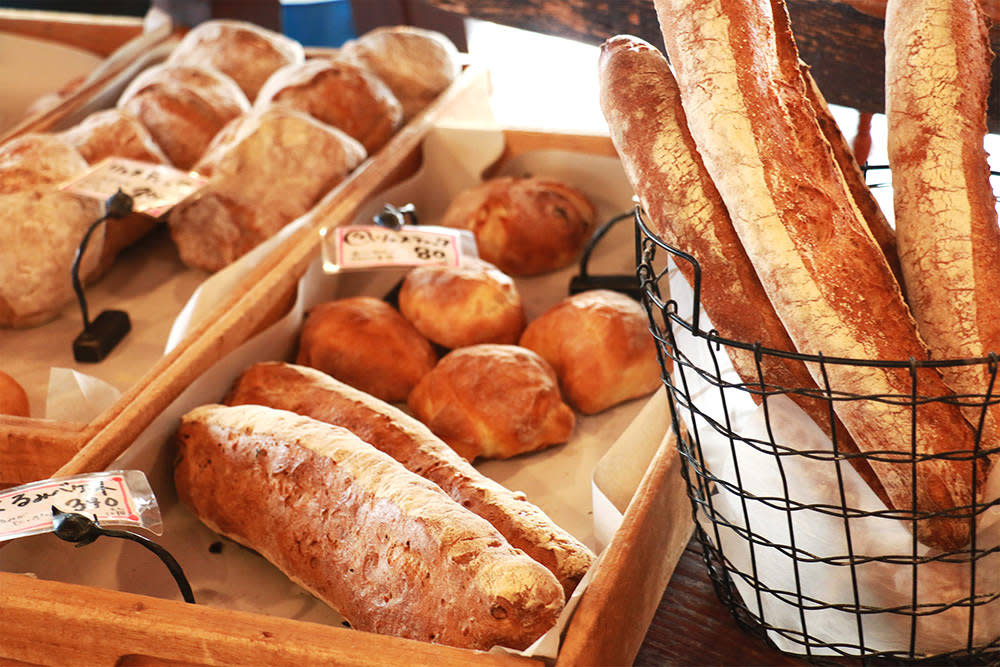
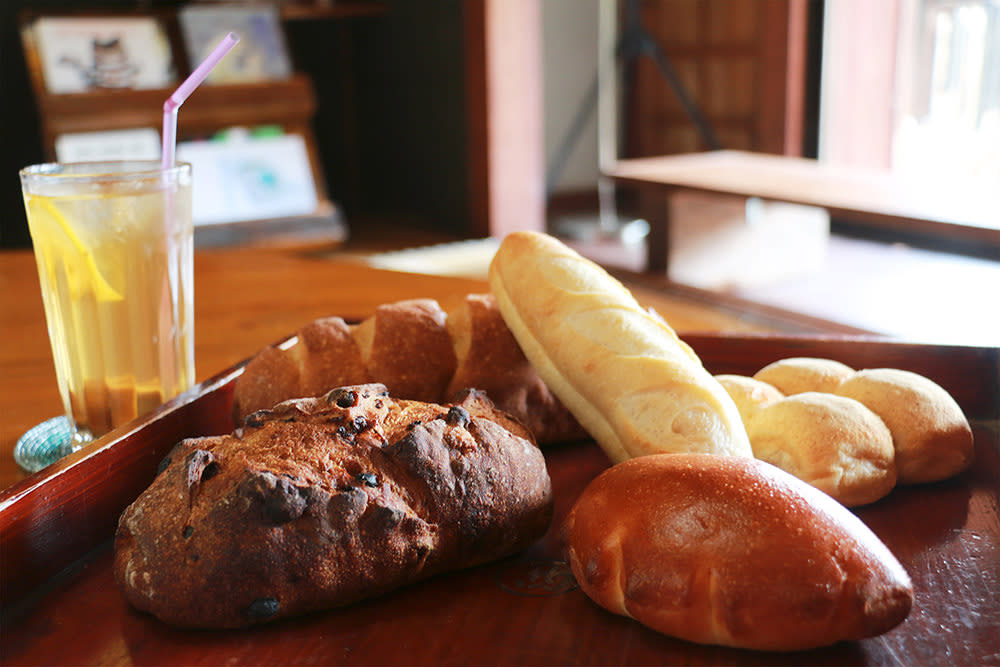
- Kimino Town is considered a hidden home of gourmet dining, with numerous attractive cafes and restaurants dotted among the surrounding mountain greenery and abundant pure waters. This includes a number of very popular bakeries as well! There are even bakeries with lines out the door with shoppers who come all the way up the mountains just to buy the bread made with the pure Kimino waters and selected ingredients. The surrounding area also includes the Oishi-kogen Highland and hot springs, making it a great area for a drive. Why not head out to encounter beautiful scenery and delicious foods?
- View more
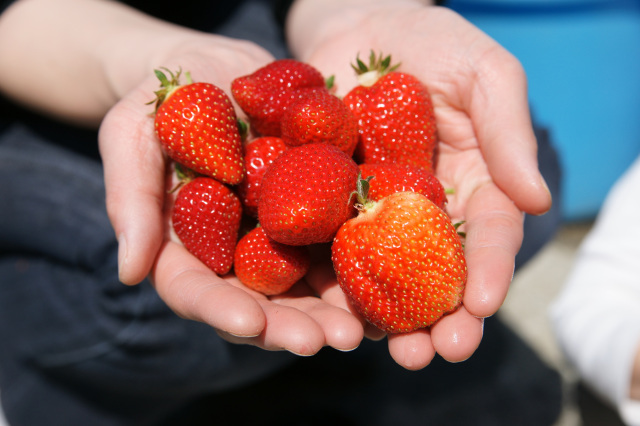
- Strawberries, peaches, persimmons
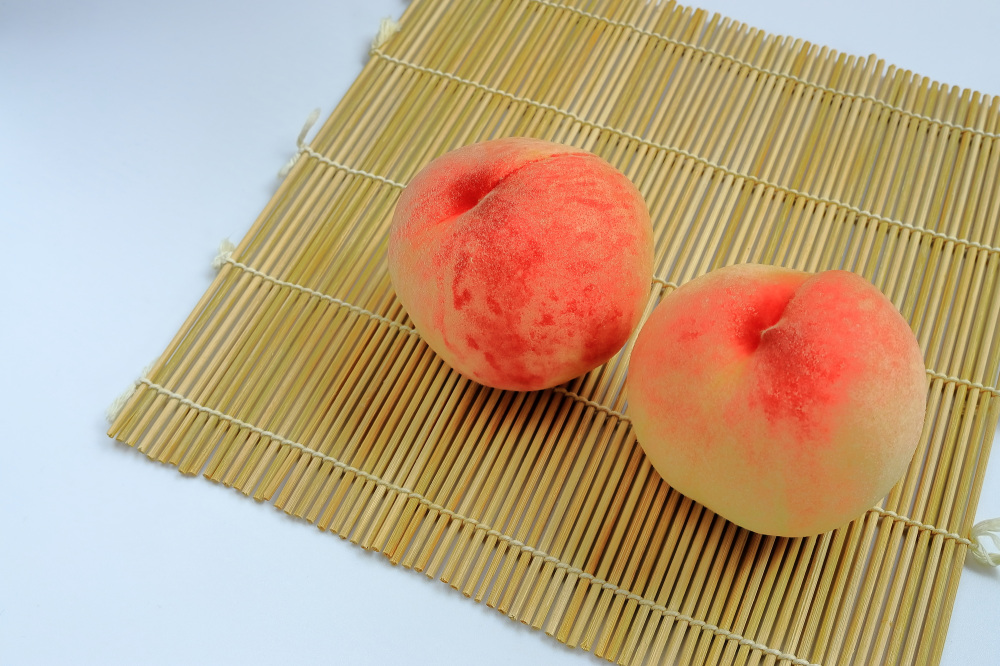
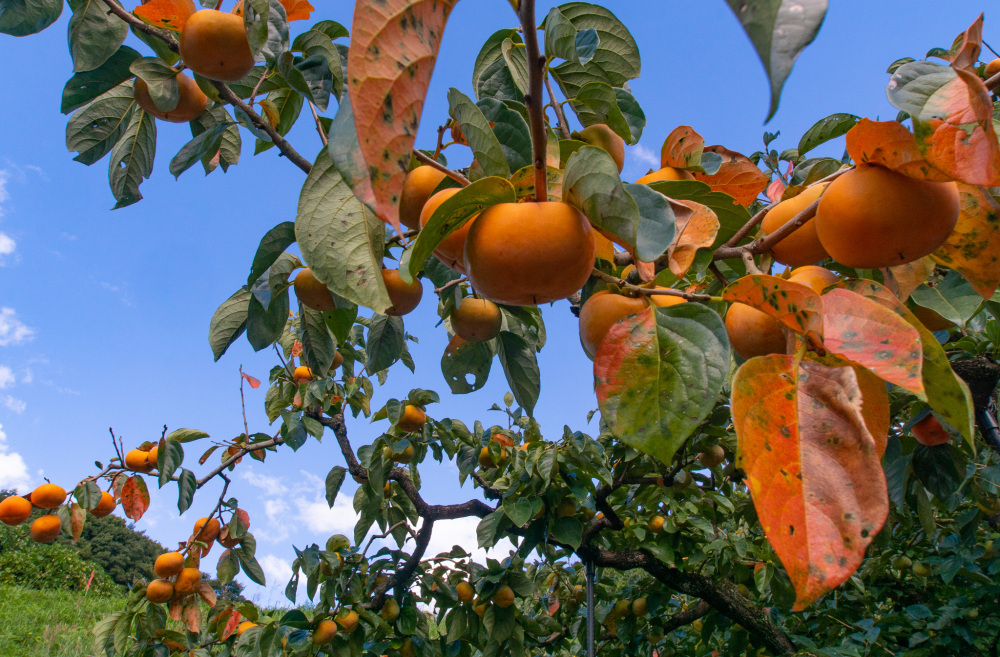
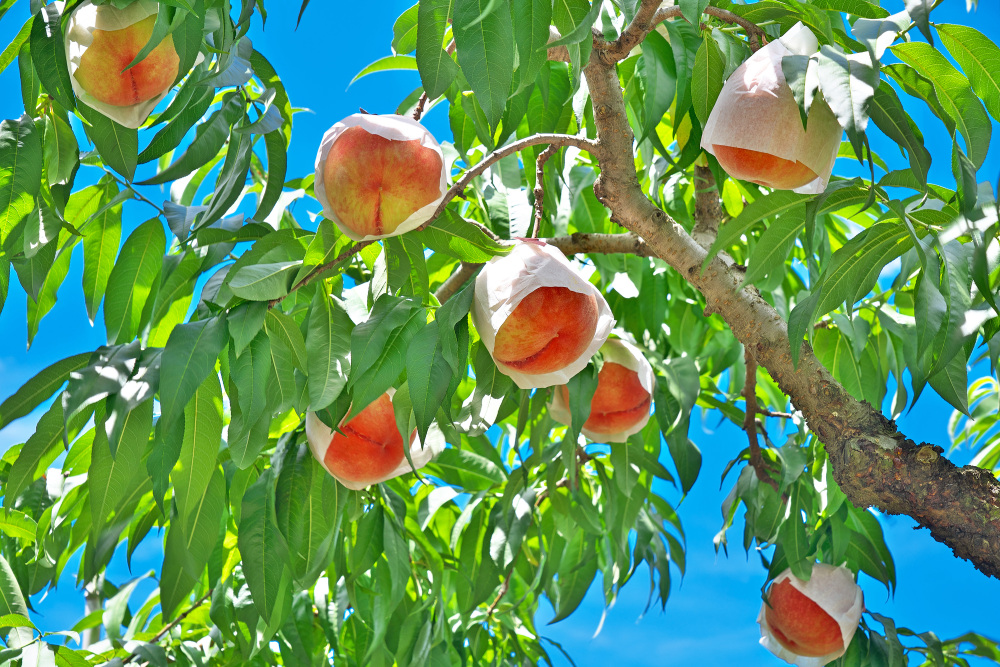
- Kinokawa City, blessed with a warm climate and soil enriched by the Kinokawa river basin, is a veritable kingdom of fruit production, including strawberries, peaches, and persimmons. The sweet, juicy fruits available here are quite popular, including the Marihime strawberry, a strawberry native to Wakayama, and the Arakawa no Momo, a peach featuring a rich fragrance. Fruit picking, where you pick your own strawberries or peaches, is popular here as well.
The master’s skill shines through traditional crafts
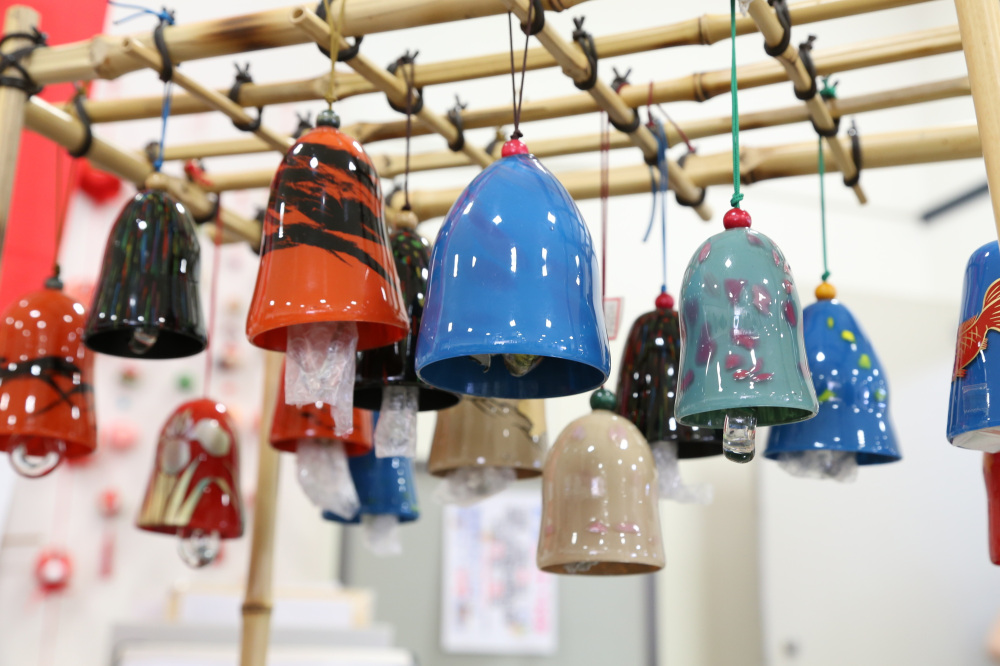
Traditional crafts, passed down carefully over generations from ancient times, can be exquisite works that represent Wakayama and through which the skills of the master craftsmen shine.
We invite you to experience the appeals of these traditional crafts.
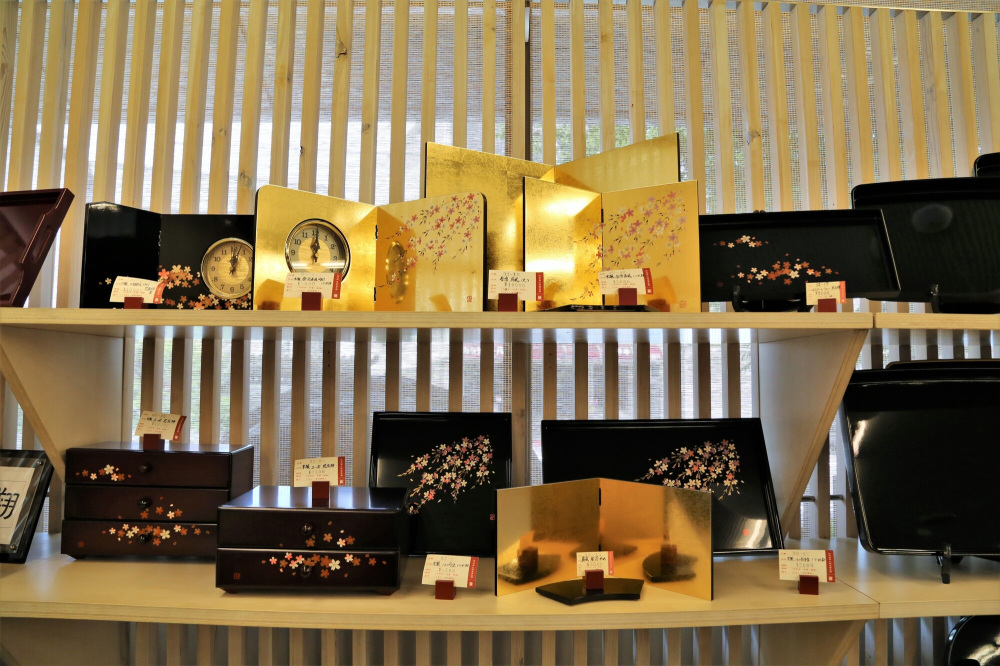
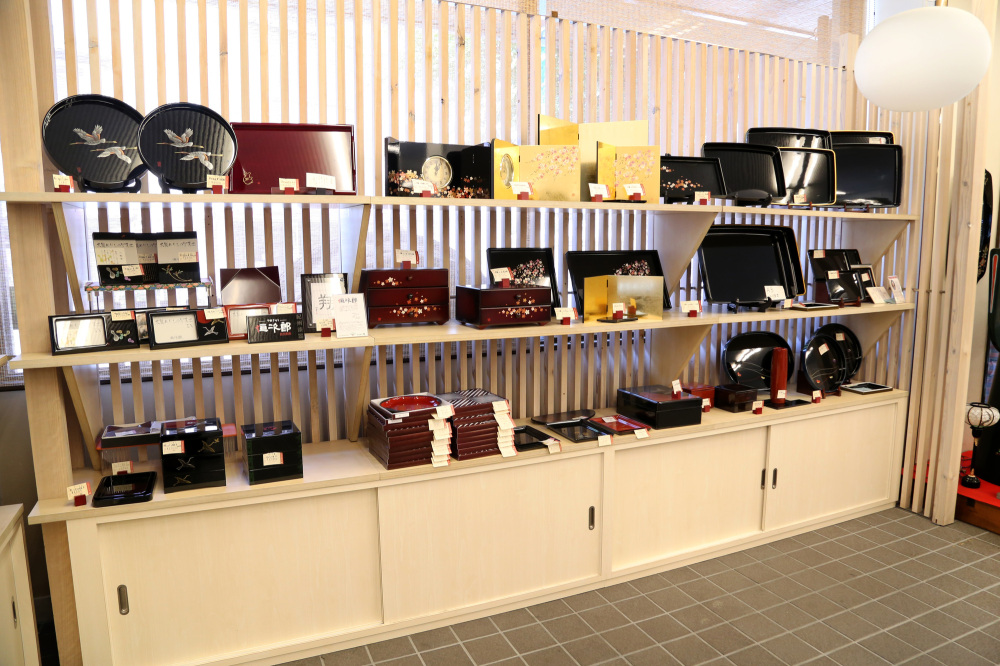

Kishu lacquerware
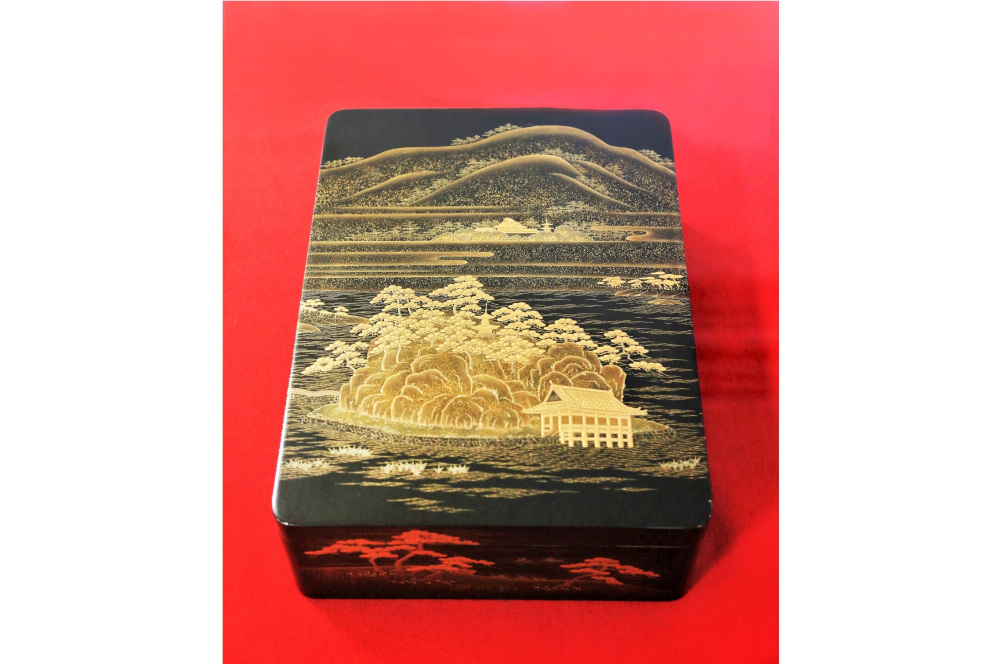
Considered one of the four main production regions for lacquerware, alongside Aizu, Yamanaka, and Wajima lacquerware, Kishu lacquerware boasts a history of over 400 years, and is produced primarily in the Kuroe district of Kainan City, known as the home of Kishu lacquerware. Developed under the protection of the Kishu clan, over time, the style adopted the inclusion of decorative elements applied with gold and colored lacquers. Designated as an official traditional craft in 1978, it is one of the leading traditional industries of Wakayama Prefecture.
Kishu Tansu
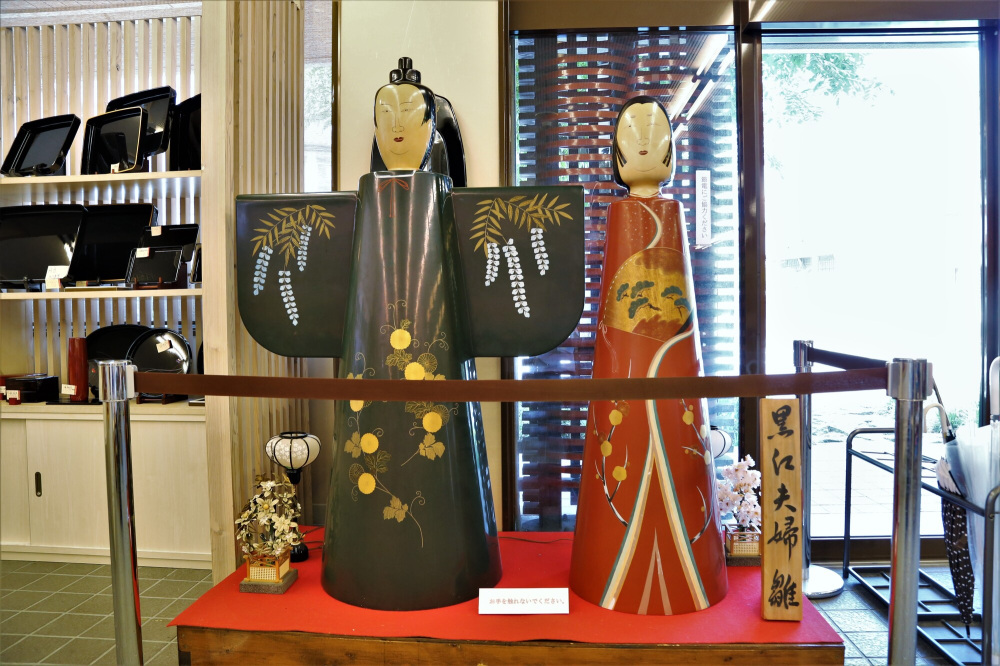
Kishu Tansu is another traditional craft representative of Wakayama. Furniture production began here in Wakayama City, at the mouth of the Kinokawa River, due to the concentration of both high-quality wood and craftsmen after the wood was cut from the mountains and carried down the river. The wood of the princess tree (Paulownia tomentosa) is known for its beautiful white grain and resistance to fire, moisture, and insects, making it perfect for furniture used to store clothing and other important property given Japan’s humid climate. The chests handcrafted by skilled artisans are very airtight, and are typically passed down as high-quality heirloom chests.
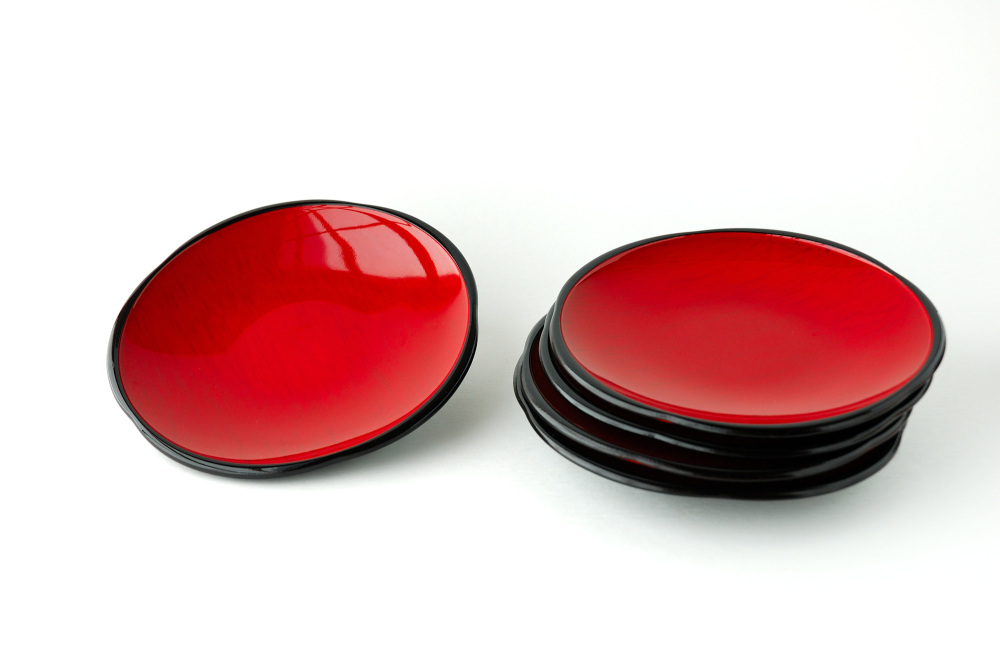
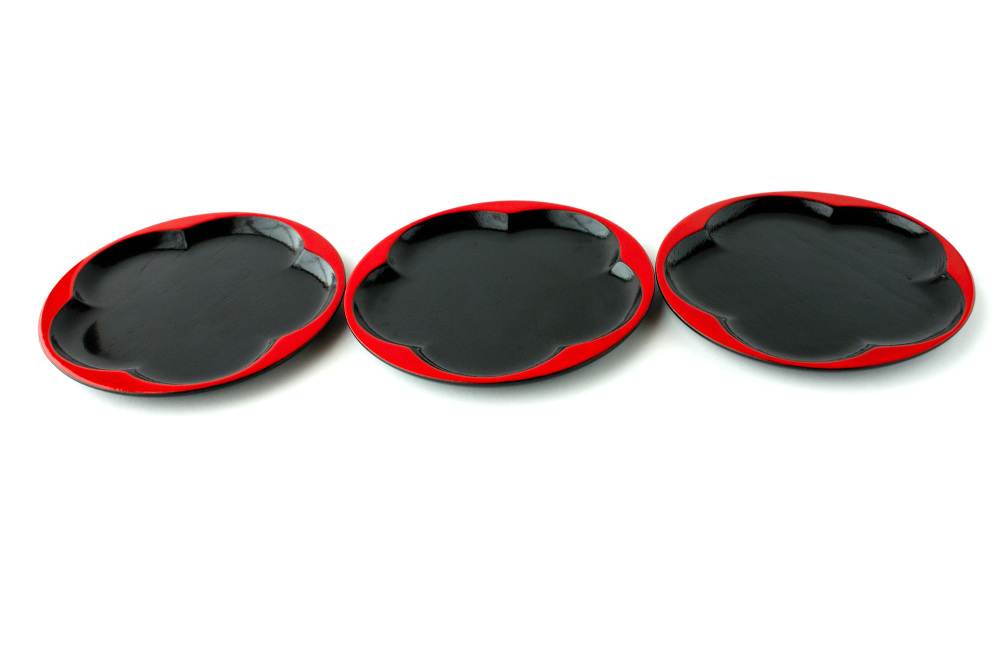
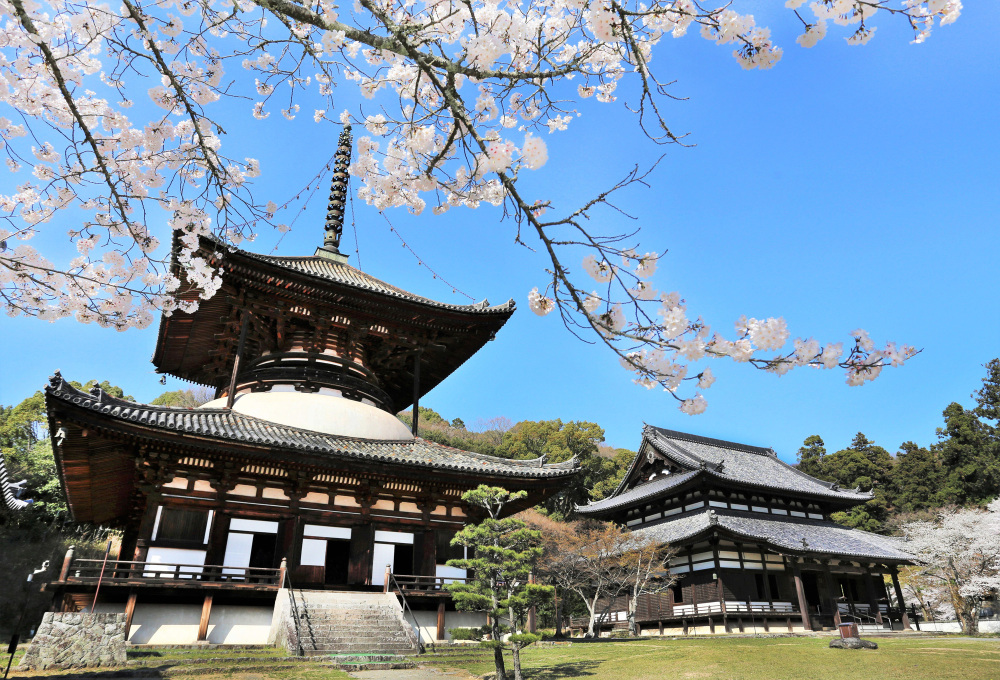
Negoroji Temple Negoro-nuri Lacquerware
The Negoro-nuri style of lacquerware is said to have started when the monks of Negoroji Temple began making lacquerware for daily use during the Kamakura period at around the end of the 12th century. In 2000, Negoroji Temple gave permission to Sadamu Kawada, a scholar of Negoro-nuri, and Shinzan Ikenoue, a Negoro-nuri craftsman, to recover the art of Negoro-nuri after a period of over 415 years. Negoro-nuri pieces, crafted by layering black and red lacquer over a base of sturdy, durable wood, are masterworks that exhibit more beauty the more they are used. The artform was designated as a traditional local craft by Wakayama Prefecture in 2007 under the name Negoroji Temple Negoro-nuri.
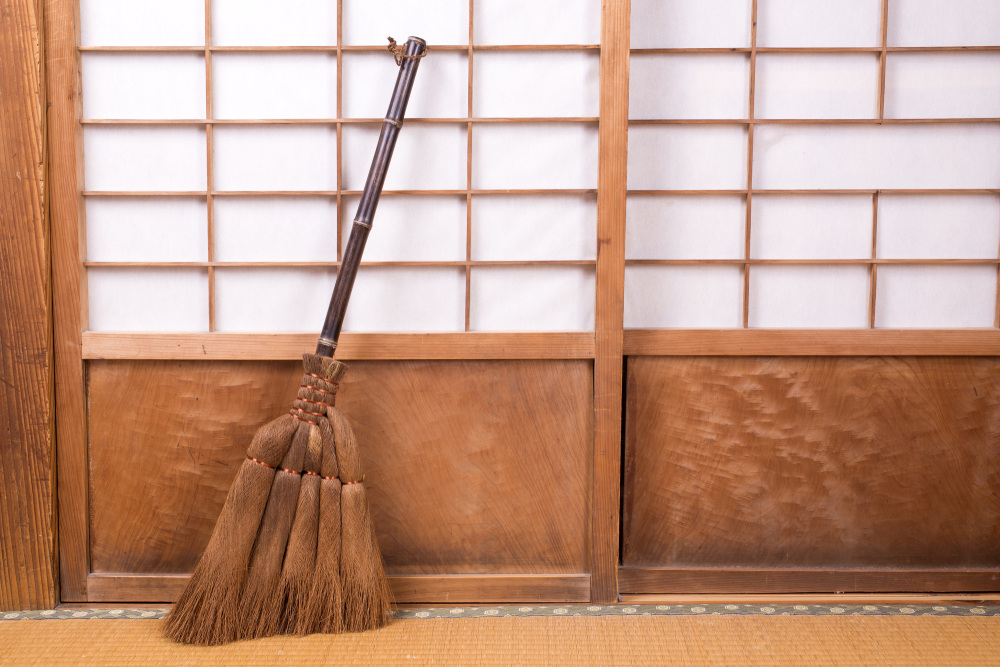
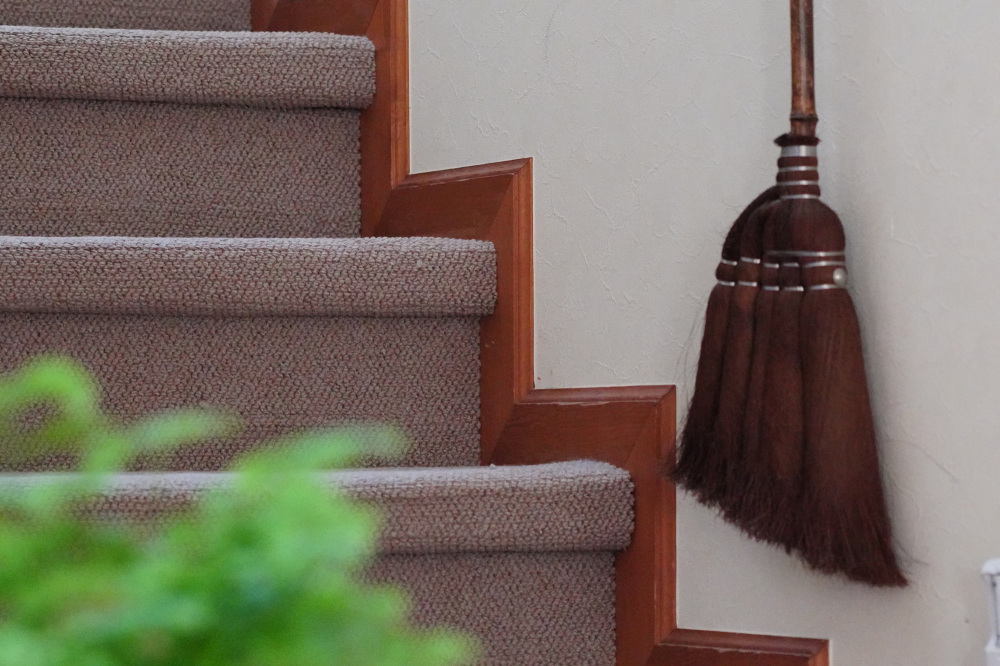
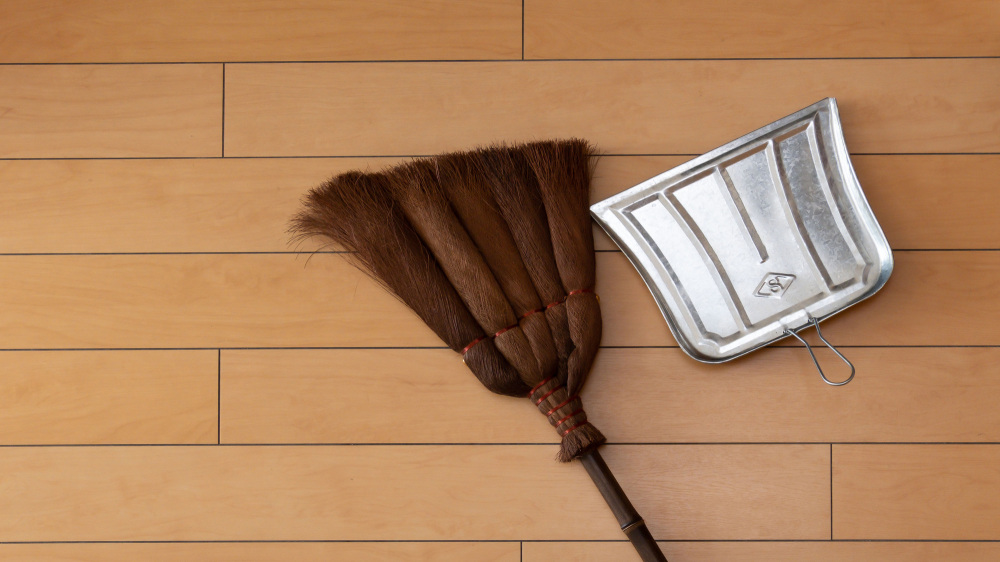
Shuro brooms
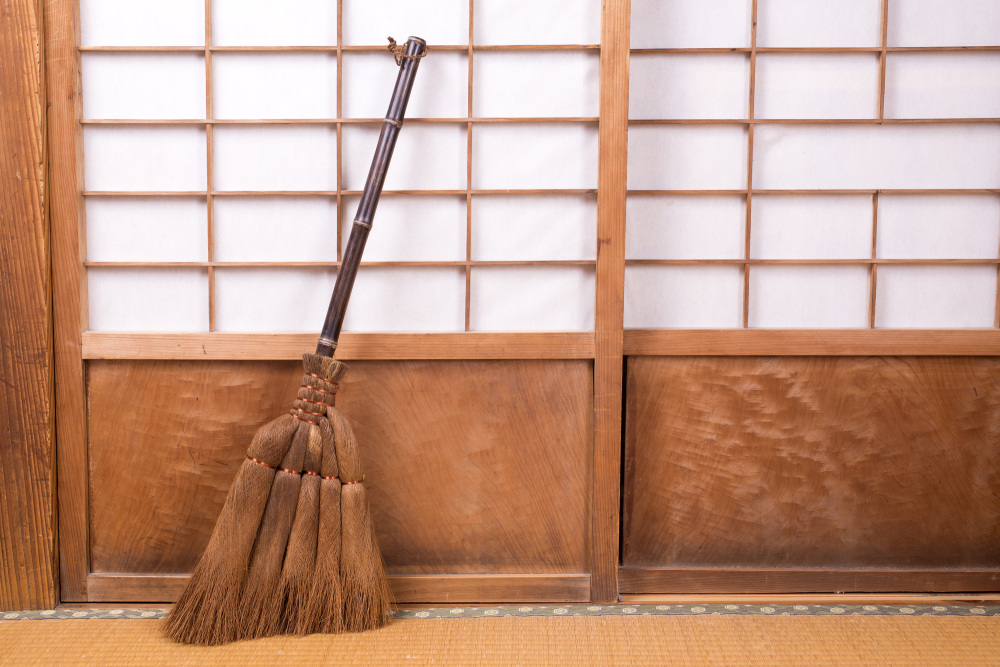
These brooms were made using the bark of the indigenous Trachycarpus palm starting around the year 1800, towards the end of the Edo period, in the mountains of the Nogamidani district in Kimino Town. The fibers of the bark of the Trachycarpus are known to be fine but tough, resistant to decay, and for lasting many years. The shuro brooms, handmade by a craftsman painstakingly one by one, are soft but flexible and a joy to sweep with. The craft is designated as a traditional local craft by Wakayama Prefecture.
Relax at a hot spring
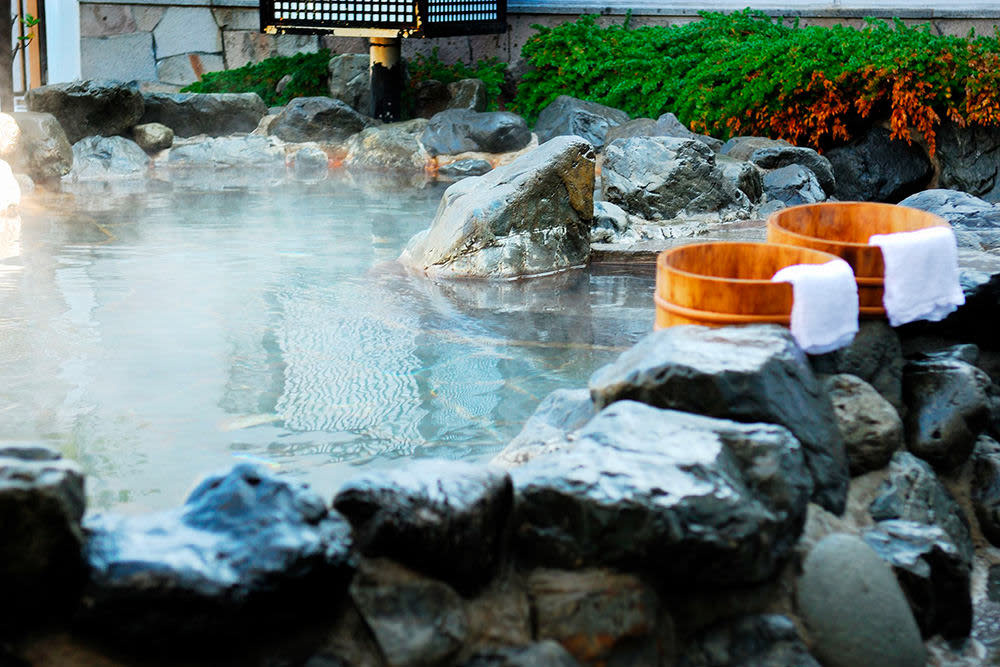
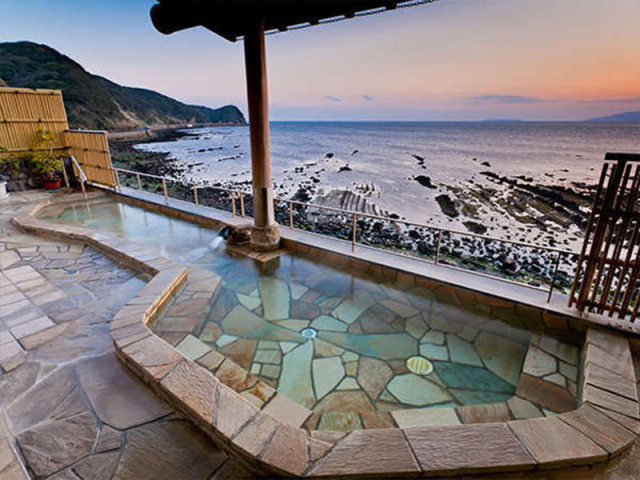
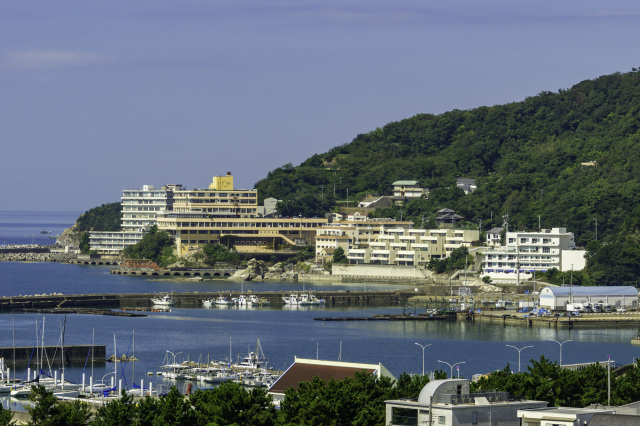
Here are some recommended hot springs in the Wakayama City area, with everything from hot springs offering beautiful ocean views to hot springs with unique waters! Due to the great access and proximity to Osaka, visitors here can even enjoy hot spring day-trips without spending the night.
- Hanayama Onsen Yakushi-no-Yu
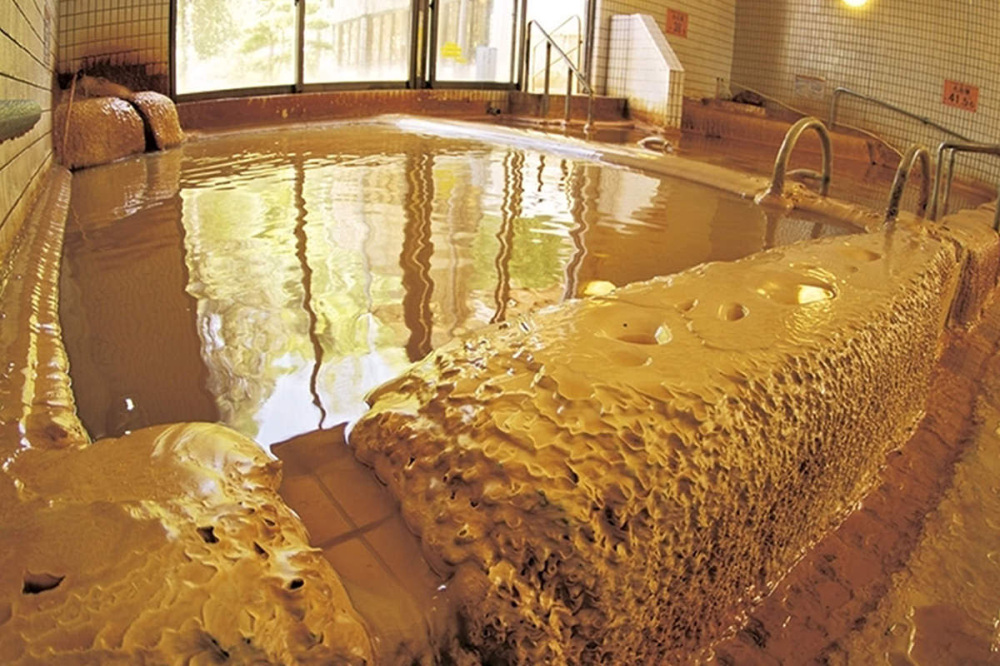
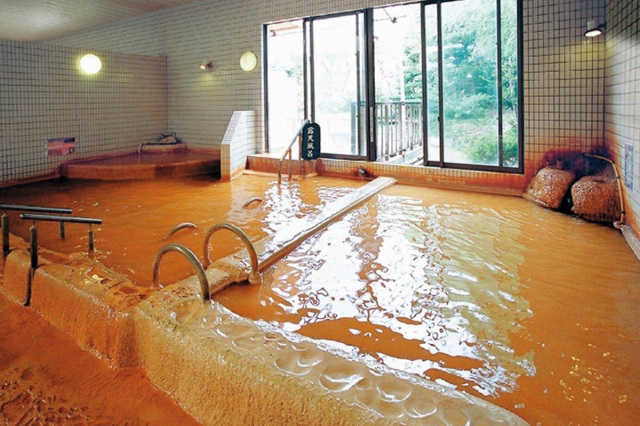
- The highly concentrated and naturally carbonated waters of this hot spring are so full of iron and minerals that crystals form in the bath, and it is said to be the only cloudy-watered hot spring in the Kansai region. Highly concentrated carbonated waters are said to be very good for the skin, apparently helping to beautify it. The baths here include a 100% free-flowing source water bath, a low temperature bath, a sauna, and an outdoor bath, together offering you a chance to fully enjoy yourself. *Baths are also available for use on a day-trip basis.
- View more
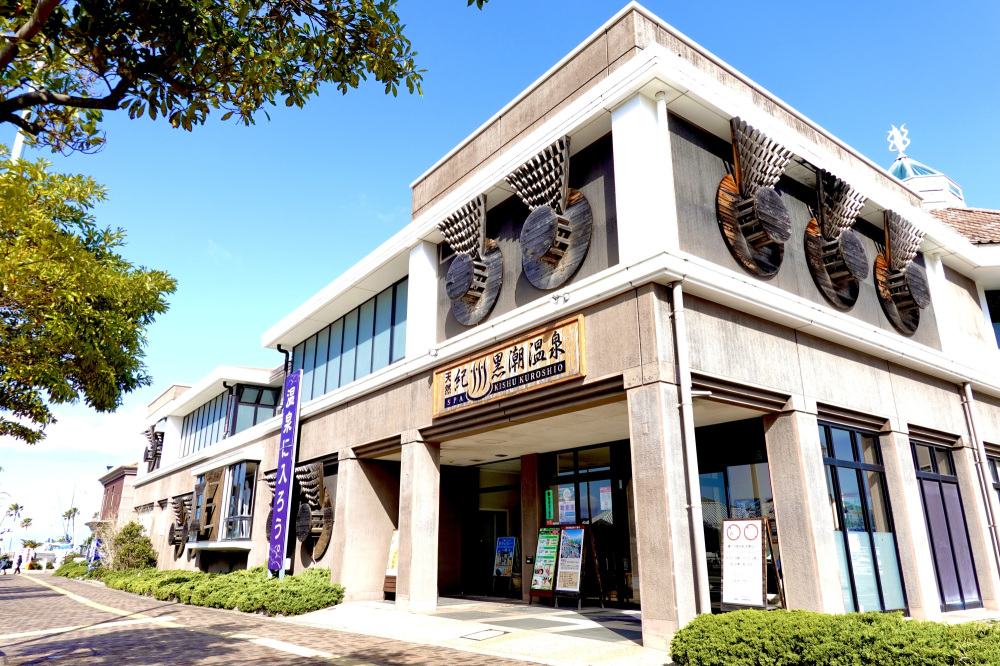
- Kishu Kuroshio Onsen: Wakayama Marina City
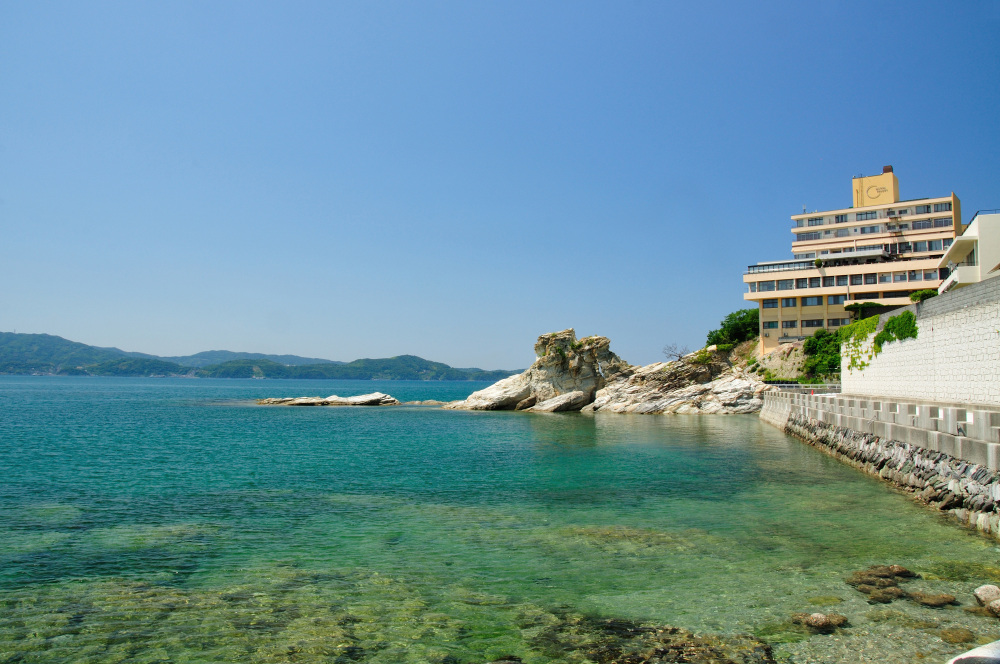
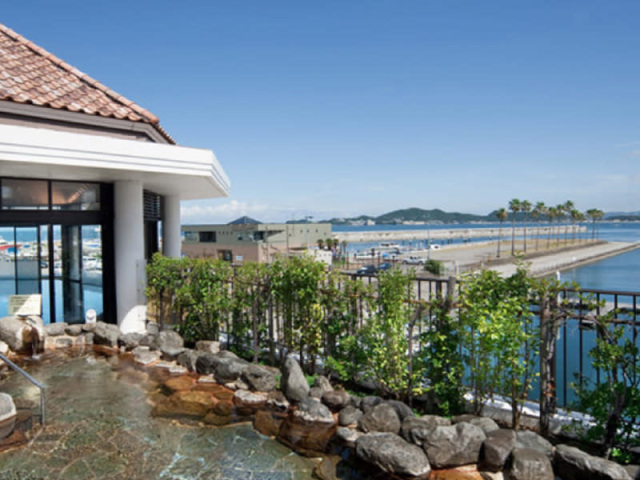
- This hot spring is located inside Wakayama Marina City. It has a refreshing water quality and sinks into skin well to warm your body from the inside out. Panoramic views of the ocean can be seen from the rotenburo (open air baths) and large baths, and a wide variety of other options are also available including saunas and body care.
- View more
- Wakayama Kada Onsen Seaside Hotel Kadakaigetsu
- View more
- Wakanoura Onsen MANPA-RESORT
- View more
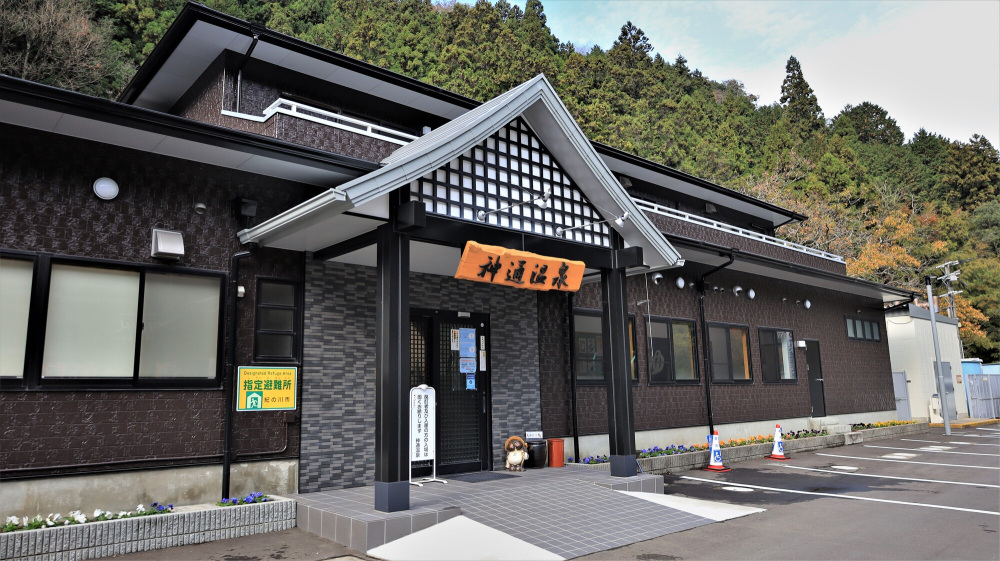
- Jinzuu Hot Spring
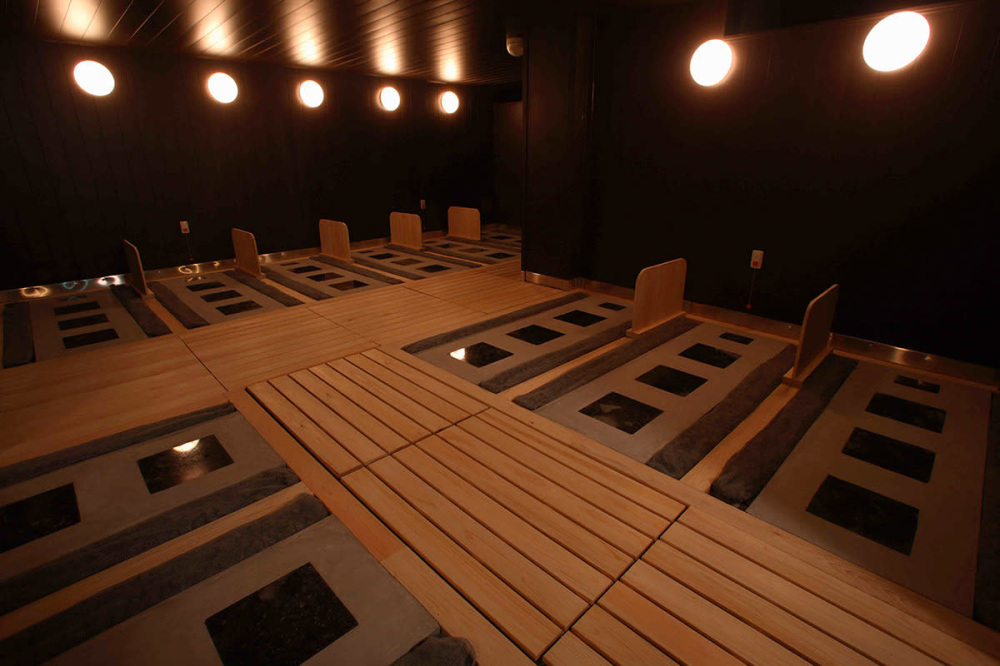
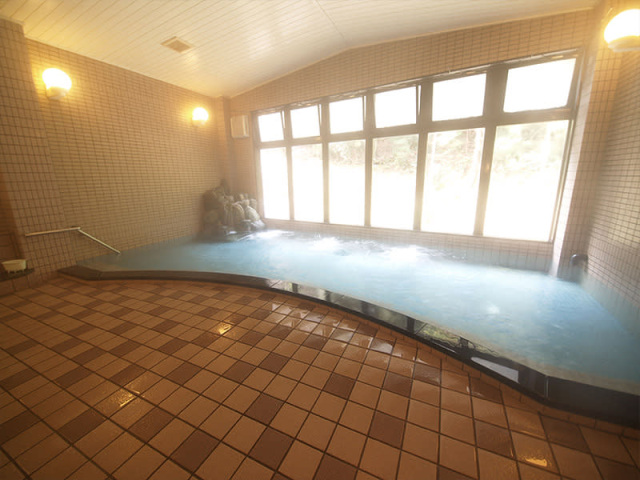
- This natural hot spring, located in the mountains of Kinokawa City on the border with Osaka, offers highly alkaline waters, something rare in Japan. Visitors here can also observe a strange phenomenon by which the waters grow darker or lighter in color depending on high or low tide and the Earth’s rotation. The advantages of the waters include an osmotic sterilizing effect, excellent heat and moisture retention properties, and benefits for both beautiful skin and health. The facilities also include a barrel sauna and a restaurant, and visitors can also enjoy a private barbecue on the terrace from early summer through autumn (reservations only). *This is a day-trip only hot spring, so accommodations are not offered.
- View more
Model Courses for the Area



The Wakayama City area offers you an opportunity to interact with traditional culture passed down over generations and travel through historic townscapes, temples, and shrines. Here we offer model courses that will ensure you enjoy the area to the fullest. Feel free to refer to them when preparing your own itinerary.
Accessing and traveling through the area
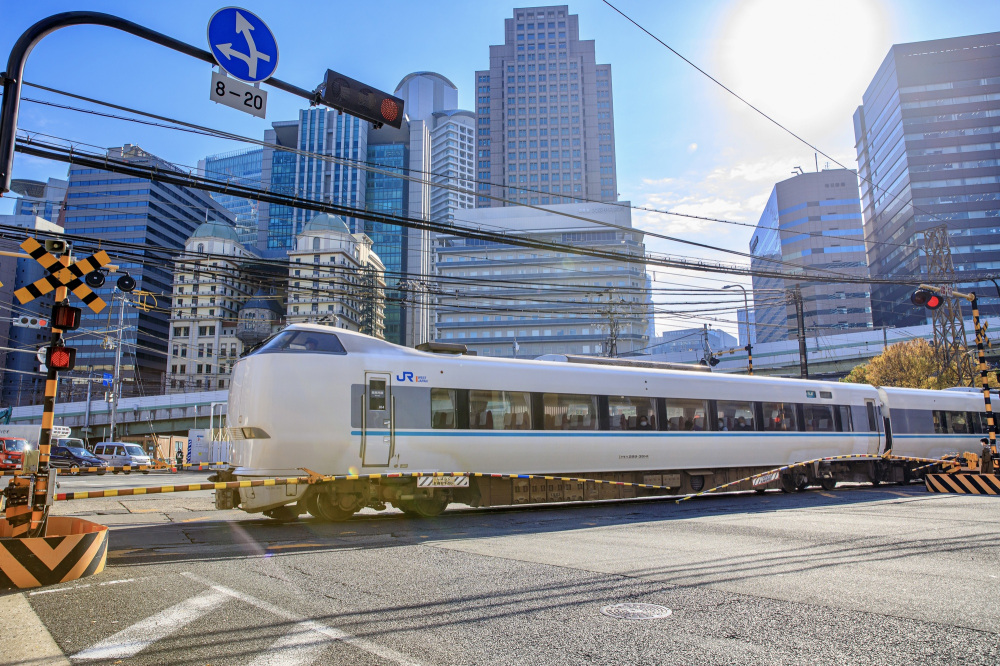
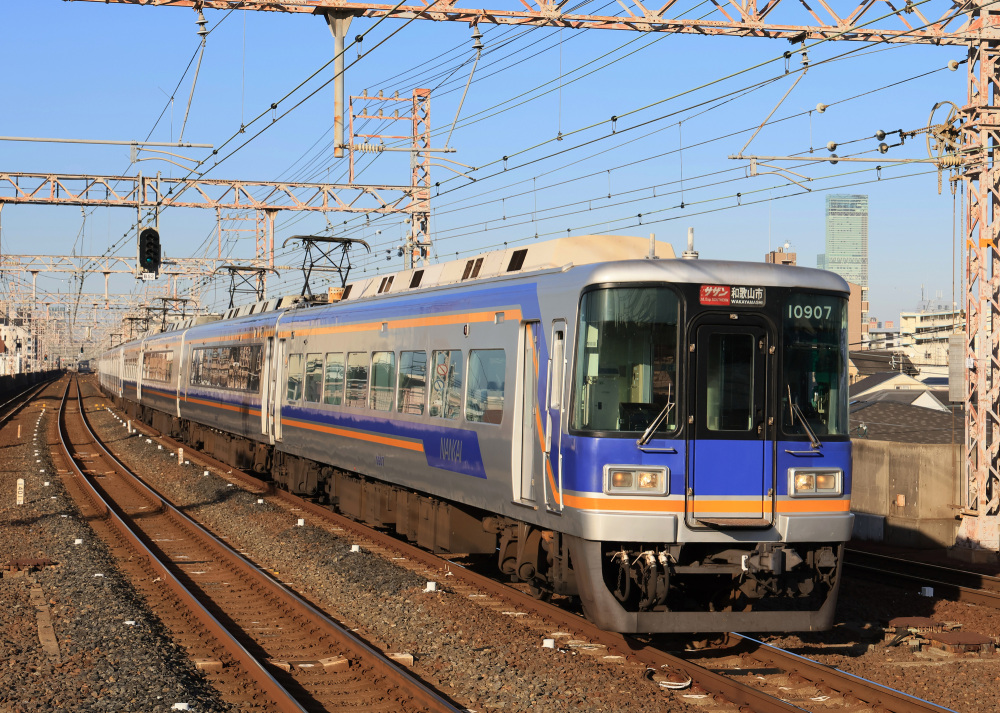
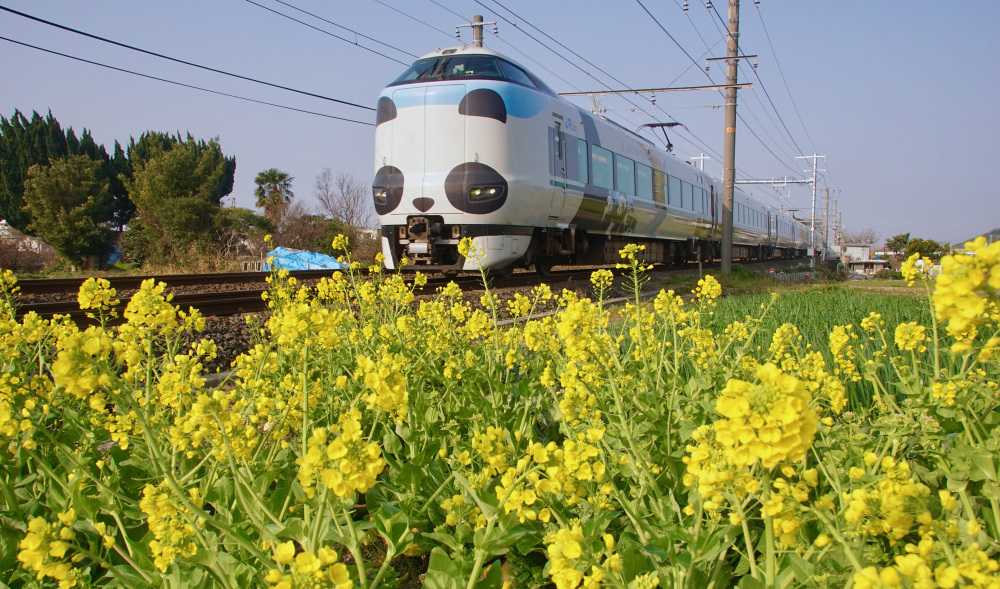
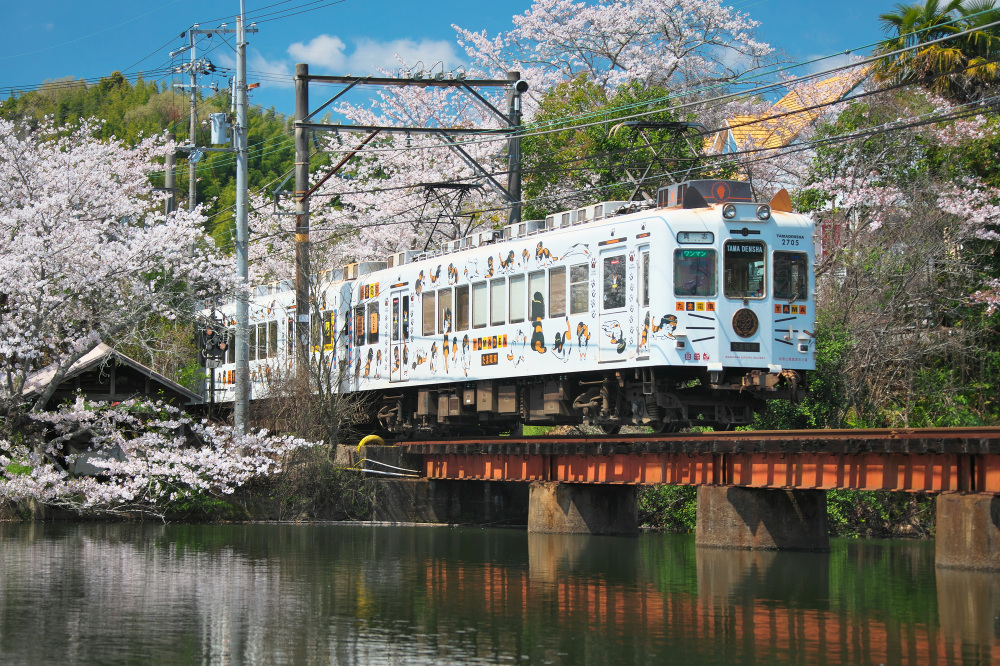
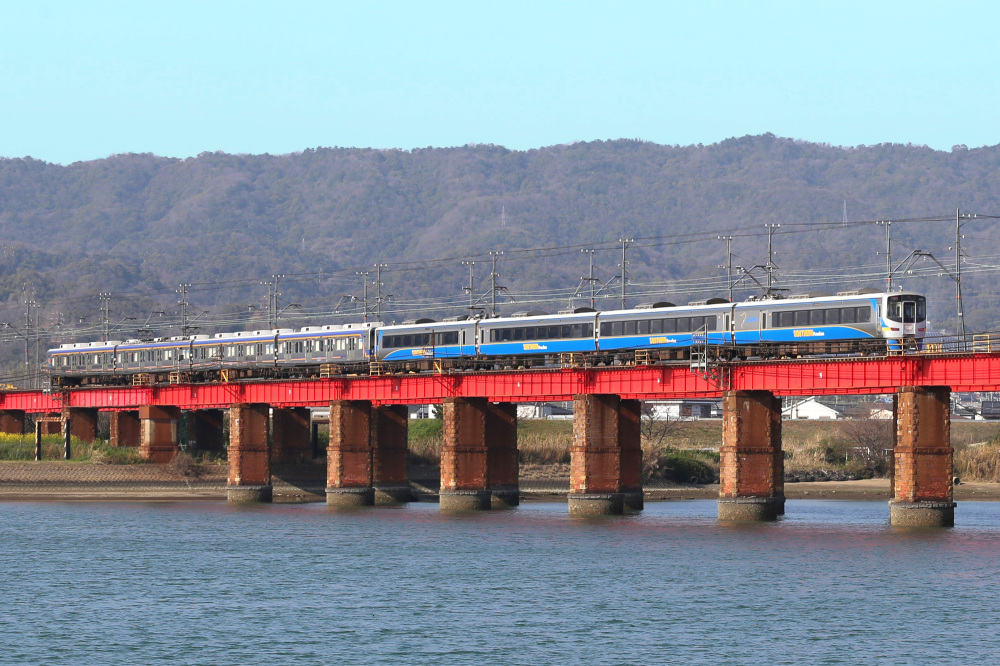
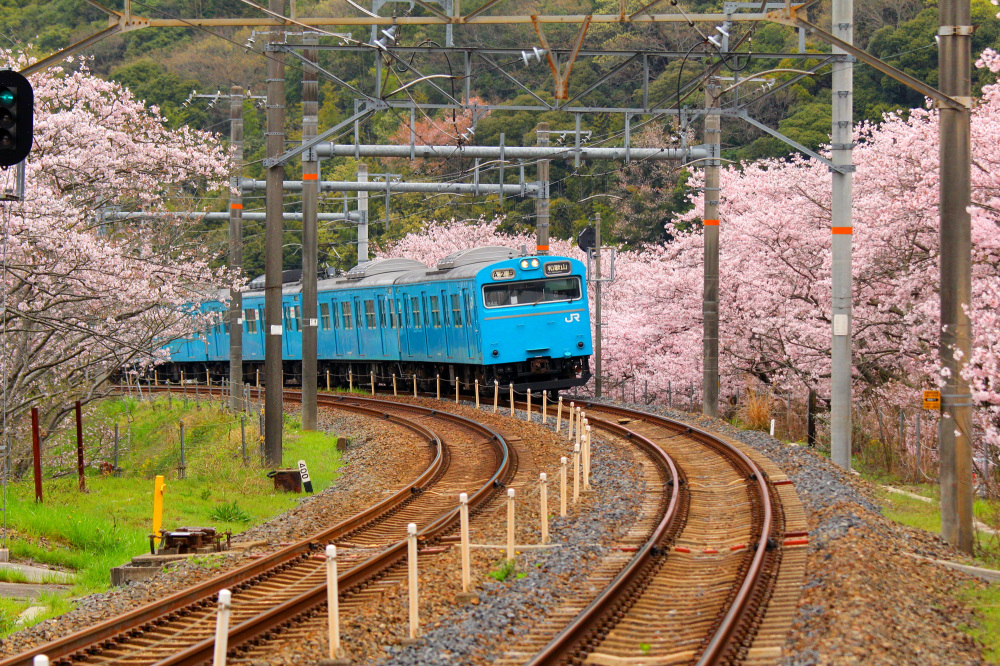
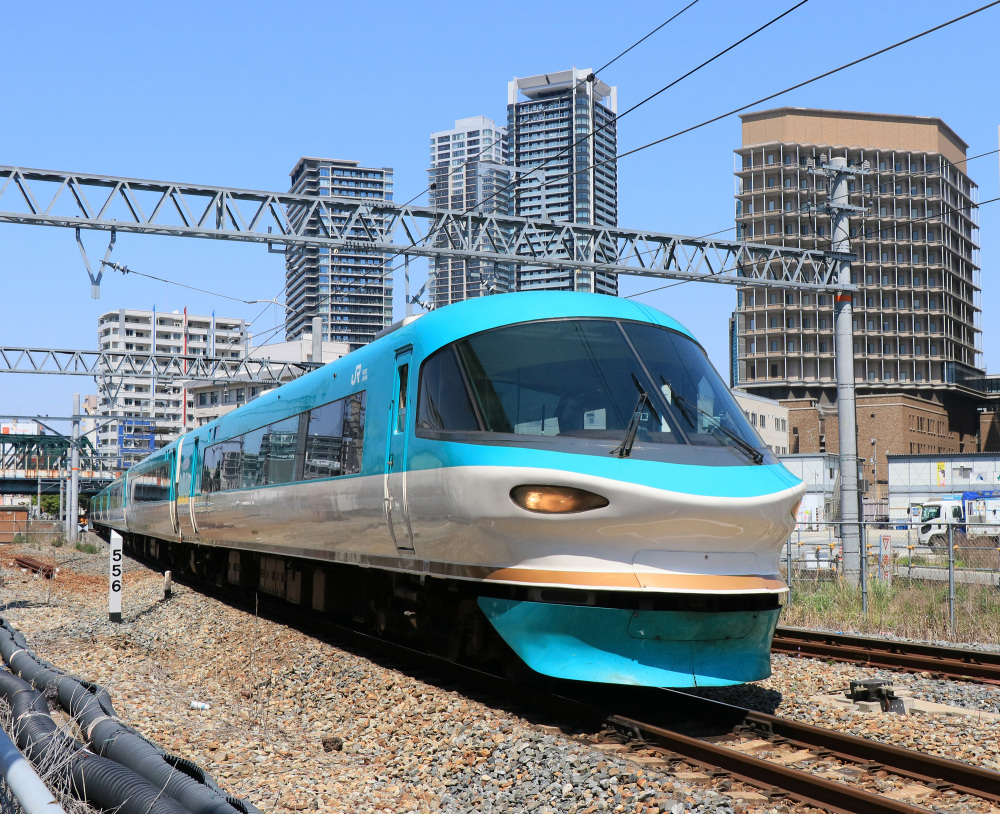
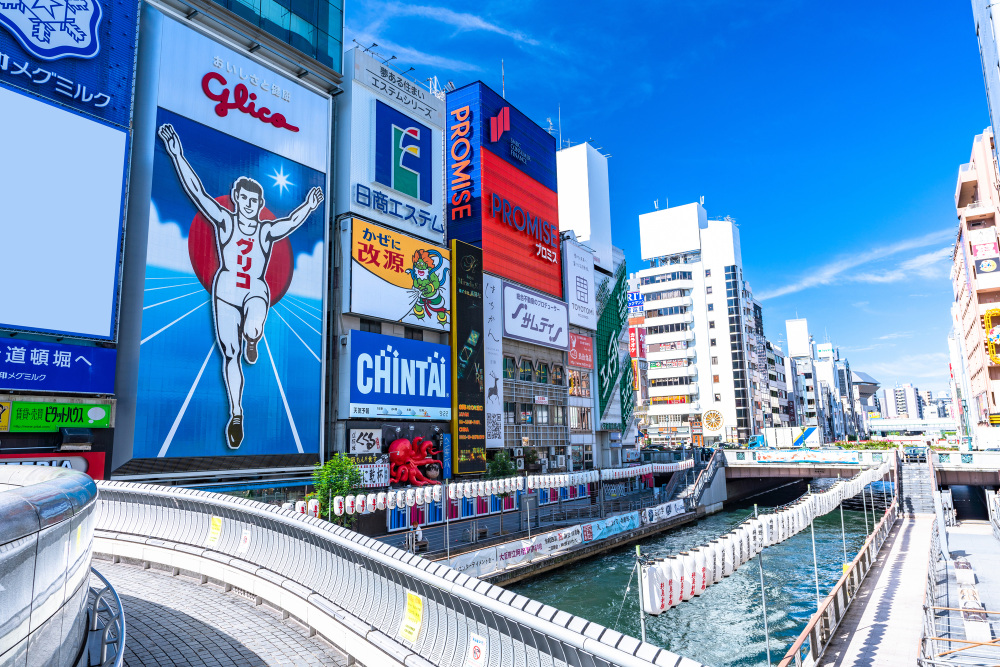
The Wakayama City area is highly accessible at only about an hour by car or train from Osaka City. Its proximity to the Kansai International Airport also makes it quite convenient.
Here we show you the main ways to access the greater Wakayama City area from Osaka City and Kansai International Airport.
(1) By train
[From Osaka City to Wakayama City]
・JR Shin-Osaka Station > Kuroshio Express (JR Hanwa Line) approximately 1 hour > JR Wakayama Station
・JR Shin-Osaka Station > Osaka Metro (Midosuji Line) approximately 25 minutes > Namba Station > Limited Express Southern (Nankai Main Line) approximately 1 hour > Nankai Wakayamashi Station
[From Kansai International Airport to Wakayama City]
・JR Line > Kansai-Airport Express approximately 10 minutes > Hineno Station > JR Hanwa Line approximately 25 min > JR Wakayama Station
・Nankai Line > Airport Line approximately 9 minutes > Izumisano Station > Nankai Main Line approximately 28 minutes > Nankai Wakayamashi Station
[From Wakayama City to the surrounding area]
・Iwade City: Take the JR Wakayama Line from JR Wakayama Station
・Kainan City: Take the JR Kisei Line from JR Wakayama Station
・Kinokawa City: Take the JR Wakayama Line or the Wakayama Electric Railway Kishigawa Line from JR Wakayama Station
・Kimino Town: Take the JR Kisei Line from JR Wakayama Station and get off at Kainan Station. Then take the Daijyu Orange Bus. Or, take the Wakayama Electric Railway Kishigawa Line from JR Wakayama Station and get off at Kishi Station and take a taxi.
(2) By Car
[From Osaka City to Wakayama City]
・Wakayama City: Approximately 60 minutes to Wakayama IC on the Hanwa Expressway
・Iwade City: Approximately 30 minutes to the Sennan IC on the Hanwa Expressway, then approximately 20 minutes via the Sennan-Iwade Prefectural Road from the Sennan IC.
・Kainan City: Approximately 60 minutes to Kainan-Higashi IC or Kainan IC on the Hanwa Expressway
・Kinokawa City: Approximately 60 minutes via the Hanwa Expressway to Wakayama Junction, then the Keinawa Expressway to Kinokawa IC or Kinokawa East IC. Alternatively, approximately 30 minutes to Sennan IC on the Hanwa Expressway, then approximately 25 minutes via the Sennan-Iwade Prefectural Road from Sennan IC.
・Kimino Town: Approximately 60 minutes to Kainan-Higashi IC on the Hanwa Expressway, then approximately 20 minutes via National Route 370 from Kainan-Higashi IC. Alternatively, approximately 30 minutes to Sennan IC on the Hanwa Expressway, then approximately 50 minutes via the Sennan-Iwade Prefectural Road and the Iwade-Nogami Prefectural Road from Sennan IC.
[From Kansai International Airport to Wakayama City]
・Approximately 30 minutes via Kansai Airport Expressway Izumisano Junction to Hanwa Expressway Wakayama IC.
Map for the list of destinations
- Wakayama Castle
- Wakayama Marina City/Porto Europa
- Kuroshio Market
- Tomogashima Islands
- Kimii-dera Temple
- Kuroe Townscape
- Oishi-kogen Highland
- Negoroji Temple
- Ultra Stationmaster Tama (Wakayama Electric Railway)
- Kokawa-dera Temple
- Hiraike Ryokuchi Park
- Hanayama Onsen Yakushi-no-Yu
- Kishu Kuroshio Onsen: Wakayama Marina City
- Wakayama Kada Onsen Seaside Hotel Kadakaigetsu
- Wakanoura Onsen MANPA-RESORT
- Jinzuu Hot Spring
*GoogleMap is posted using the free tier, which has a limited number of display times. Please note that depending on the situation, there may be periods when you cannot view the site.