[A Birding Journey Through Wakayama]
KOYASAN RYUJIN
Fights, Courtship, and All the Drama of Bird Life
![[A Birding Journey Through Wakayama]KOYASAN RYUJINFights, Courtship, and All the Drama of Bird Life](/lsc/upfile/article/0000/0755/755_1_l.jpg)
The May 29, 2026 issue of the travel and lifestyle magazine PAPERSKY (No. 74) features an article introducing Wakayama Prefecture.
The special feature explores the theme of birding.
The Koya-Ryujin area featured in this article is a captivating destination known for its sacred World Heritage sites with over 1,200 years of history, historic temple lodgings, and abundant natural beauty.
In the rolling mountains that form the so-called “roof” of the Kii Peninsula, wild birds put on a vivid show. Follow as we trace through beautiful beech forests, using all five senses.
Birds get down on the deciduous dance floor
With the Kii Mountains covering around 80 percent of its land, Wakayama has long been known as Ki no Kuni, the “land of trees,” (a natural pun) blessed with deep mountains and rich forests. Its warm, humid climate has also supported a thriving forestry culture since ancient times, and around 60 percent of the prefecture’s forests are planted cedar and hinoki cypress. In other words, much of Wakayama’s forest does not shed its leaves.
After Wakanoura, with its open tidal flats, and the Kumano Kodo Nakahechi, with its mysterious conifer forests, our third birding spot is the forest around Mt. Gomadan, where natural deciduous trees spread across the mountainside. According to Susumu Nakamura, head of the Wakayama branch of the Wild Bird Society of Japan, it is a “birdwatching spot recommended to everyone, from beginners to veterans.”
Located south of sacred Koyasan, Mt. Gomadan rises to 1,372 meters, making it the second-highest mountain in Wakayama after Ryujin-dake. Its name comes from a legend that claims the military commander Taira no Koremori burned goma fire offerings here to read his fate after being defeated in the Genpei War. The naturally growing beech and mizunara oak forest on the southern slope is a treasure house of rare plants and animals.
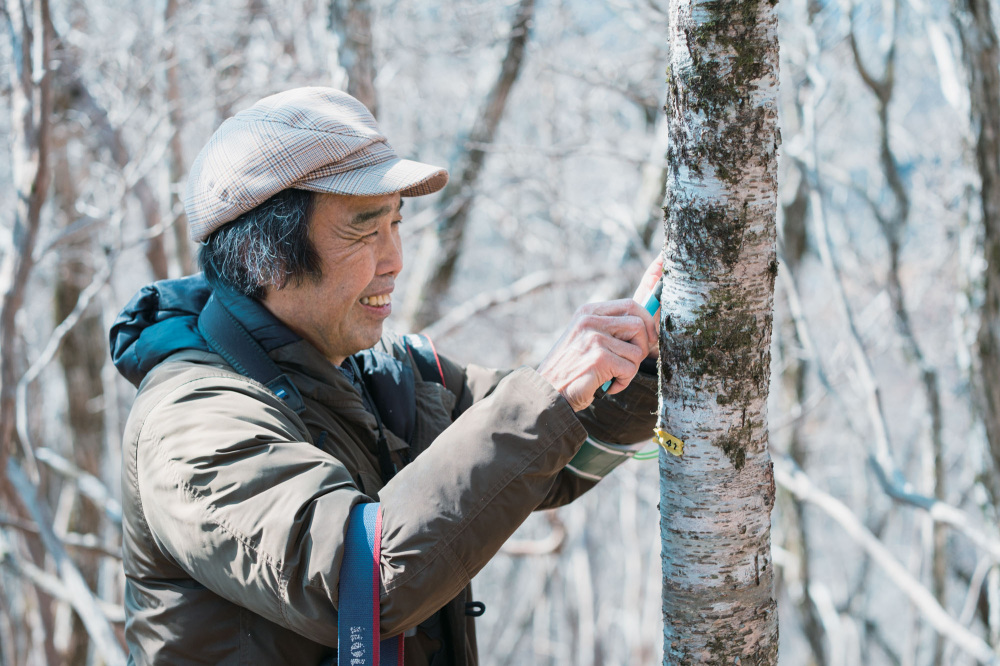
There is a hint of spring in the air, but around our starting point at the Gomasan Sky Tower, the landscape still has the bare look of winter. The leafless beech, mizunara oak, and Japanese stewartia trees continue as far as the eye can see, opening up clear lines of sight. Together with our guide Nakamura and guest Yoshiki Maruyama, we set out on the trail toward Mt. Gomadan Forest Park Wildlife.
Soon after, clear birdsong reaches us from the trees. It is the call of male coal tits fluttering from branch to branch, making a desperate appeal to the females. Most of the other birds flying around are also members of the tit family: Japanese tits, with black marks on their chest that look like necktie, and nuthatches with their calls that resemble rolling marbles. The harsh “gyaa-gyaa” comes from the Eurasian jay, a member of the crow family. Its voice may not be much to listen to, but with its orange and blue plumage, it is certainly handsome.
“It’s still winterbird season, but from May on, the summer birds come out,” explains Nakamura. “One bird you should definitely look for around here is the koruri (Siberian blue robin). As its name suggests, it is a beautiful little bird with a deep blue color, and it nests inside areas fenced off from deer. You may also see blue-and-white flycatchers, narcissus flycatchers, Japanese thrushes, and, if you’re lucky, even a ruddy kingfisher.”
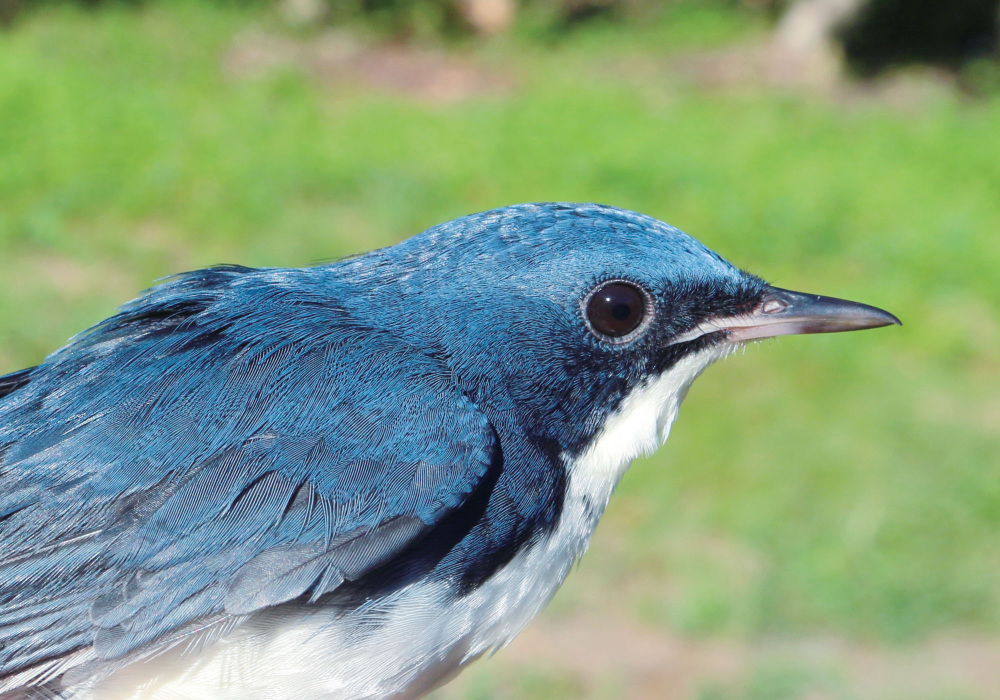
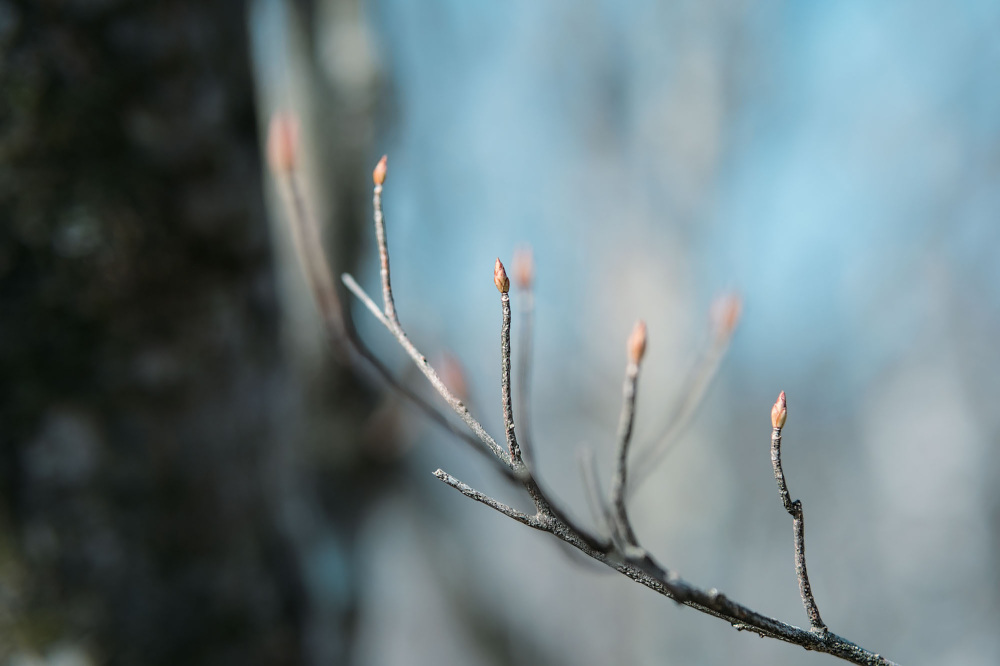
In May and June, when the forest is vibrant with green, wildflowers such as shiro-yashio, usugi-yoraku, and Japanese dogwood bloom across entire slopes, while more than 40 species of birds dart to and fro. Their songs, we’re told, can be almost overwhelming.
Maruyama began walking the Kumano Kodo several years ago as a form of spiritual practice. Thanks to this, he became more aware of the relationship between nature and people. This project has also sparked his interest in birds. Around Nachikatsuura, where he is based, he has spoken with members of the Wild Bird Society of Japan and learned how to observe them. By adding birding into the mix, he feels he’s deepened the way he sees nature.
“I still can’t do much more than search the trees in a vague sort of way, but the more information I gain, the higher nature’s resolution becomes. I enjoy getting a sense of the voices and presence of birds before photographing the whole environment they live in. It’s taught me to engage with nature, in a cultural way, that feels like something I could continue for a long time.”
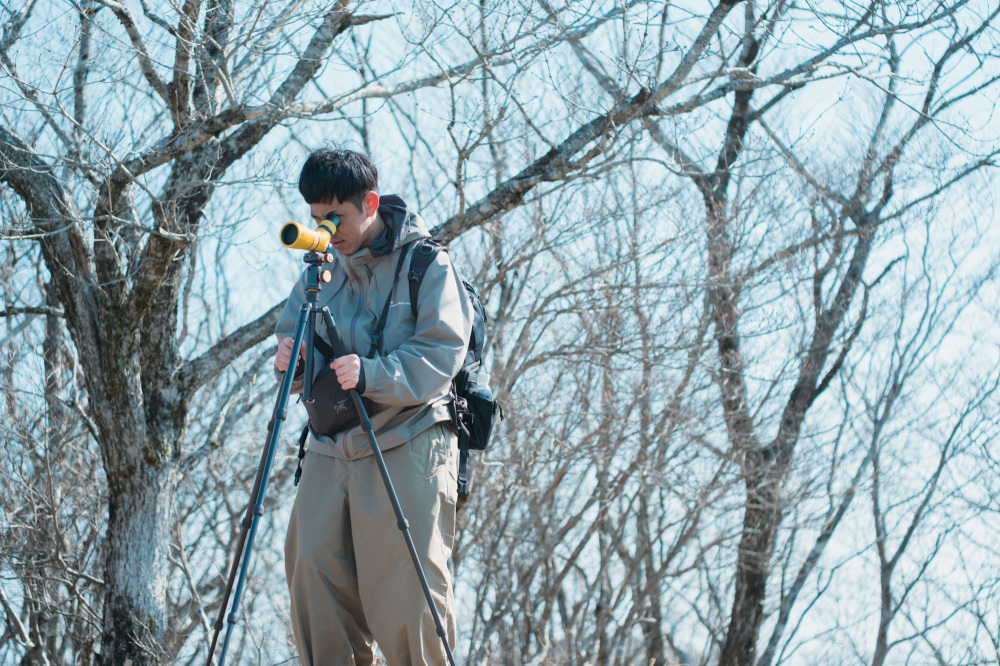
Maruyama looks through a monocular instead of his usual camera. The compact scope from Nocs Provisions features 9–27x zoom and a 56mm objective lens.
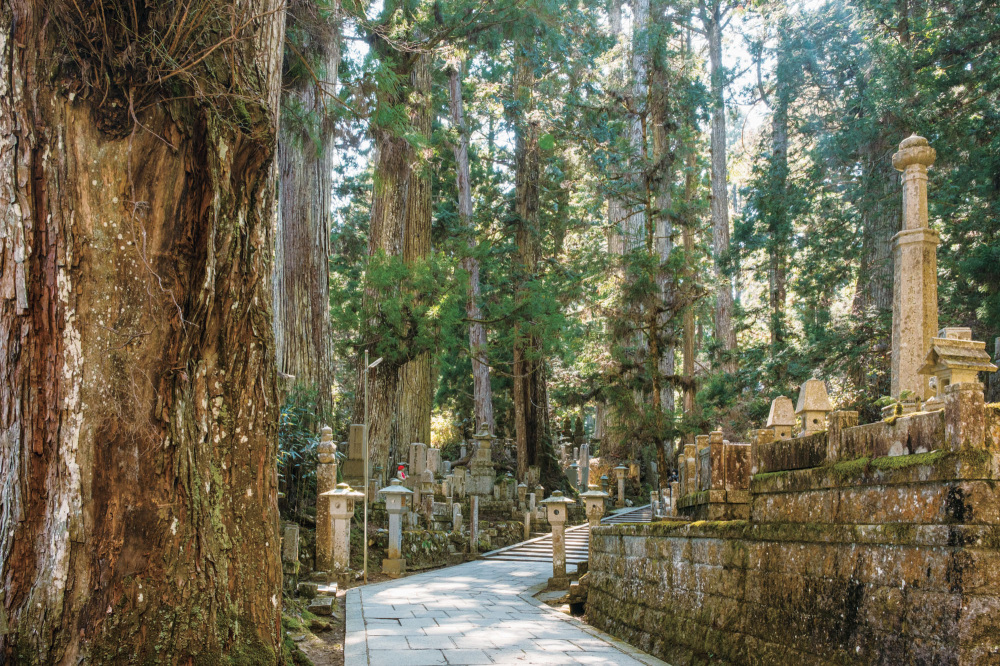
Inside the changing “green dam”
Drawn to beech forests for their biodiversity and their ability to hold and replenish water—earning them the nickname “green dams,”—Nakamura also leads observation events focused on birds, plants, and insects. In recent years, however, he has witnessed changes in the environment caused by climate change and deer feeding damage.
Deer have eaten not only the plants on the forest floor, but also bamboo grass, young tree shoots, and even bark. As the undergrowth disappears, the forest becomes drier, and the next generation of trees never grows. This points to the risk of losing the beech forests that have long formed the foundation for this rich ecosystem, home to a wide variety of coexisting wild plants and animals.
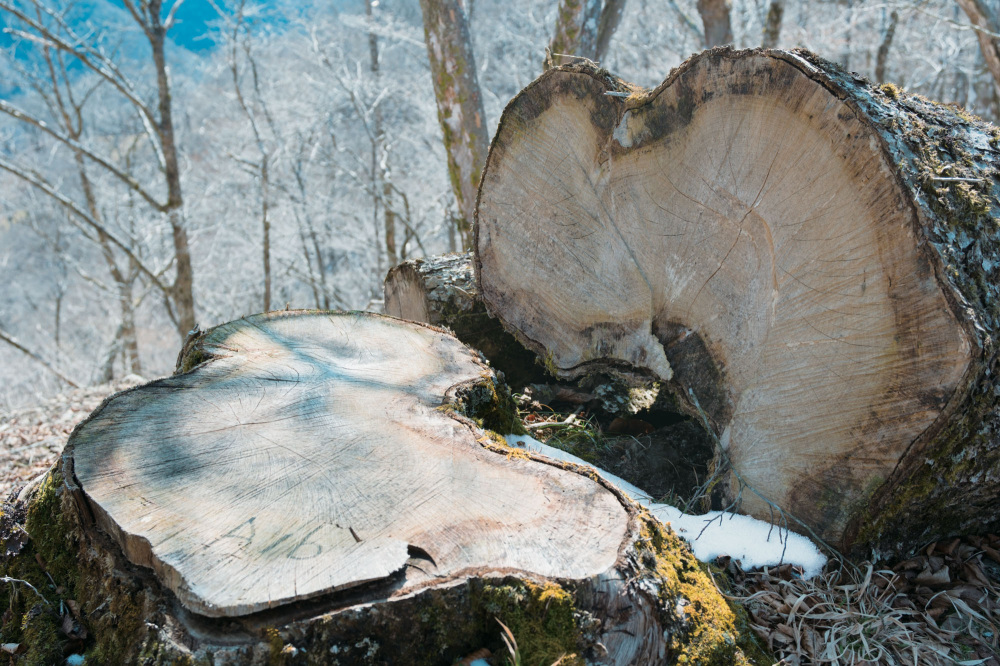
Other changes are also taking place. The Ryukyu minivet, once found in the Southwest Islands and Okinawa, has been moving north as the climate warms, and is now commonly seen in Wakayama. Nakamura, who is also involved in bird banding surveys,* hopes more people will observe wild birds, plants, and animals, and come into contact with the richness of their ecosystems. That experience, he believes, raises environmental awareness.
*An international research method in which wild birds are fitted with leg bands with individual identification numbers, then released. Also known as banding, it helps researchers study migration routes from breeding grounds to stopover sites and wintering areas, as well as lifespan and breeding status.
“Please come to one of our observation events. You can watch wild birds alongside veteran birders. Territorial disputes, fights, courtship: it’s a whole soap opera. You never get tired of watching.”

Koyasan Guest House Kokuu
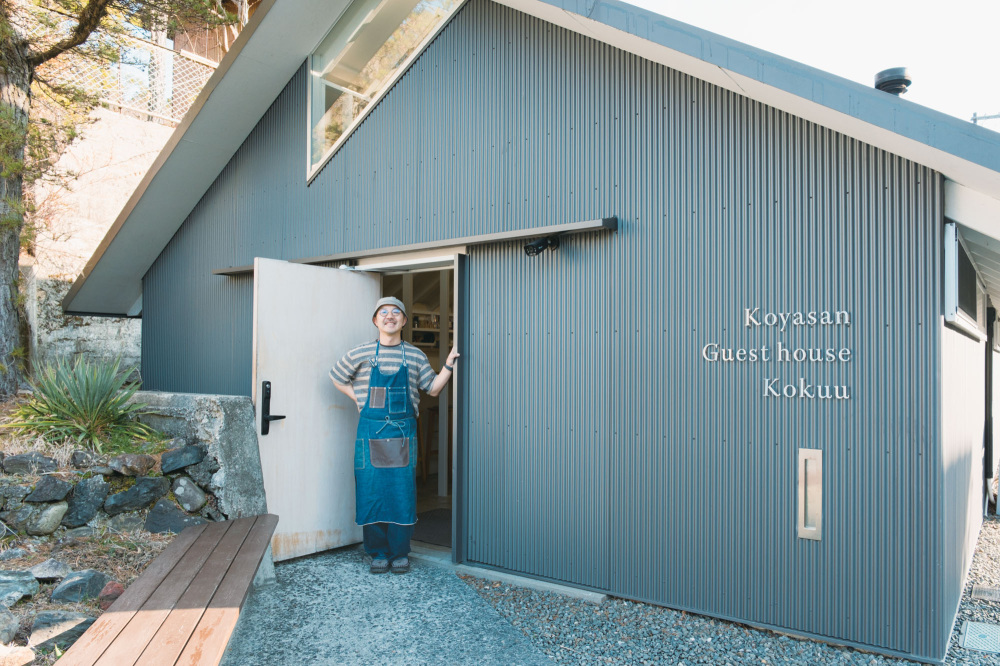
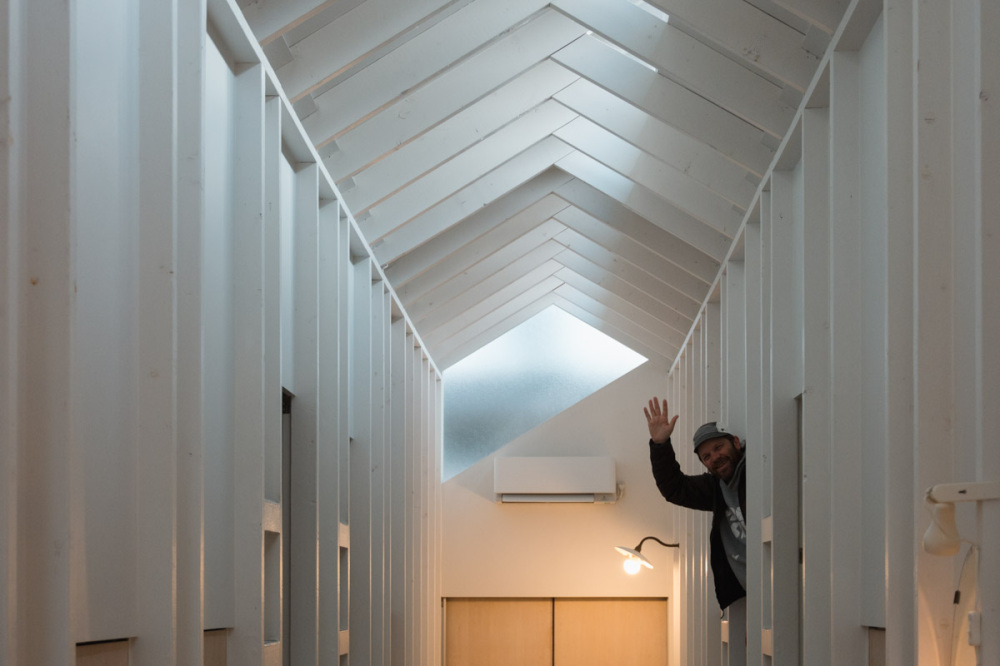
Stay at Koyasan Guest House Kokuu, located near Okuno-in, where owner Yoshitomo Takai, who grew up in Koyasan, welcomes guests.
“Koyasan Guest House Kokuu” features a cozy dormitory area and a compact living and dining space. Enjoy exchanging stories with travelers from all over the world.
Koyasan Goma Tofu Shop Hamadaya
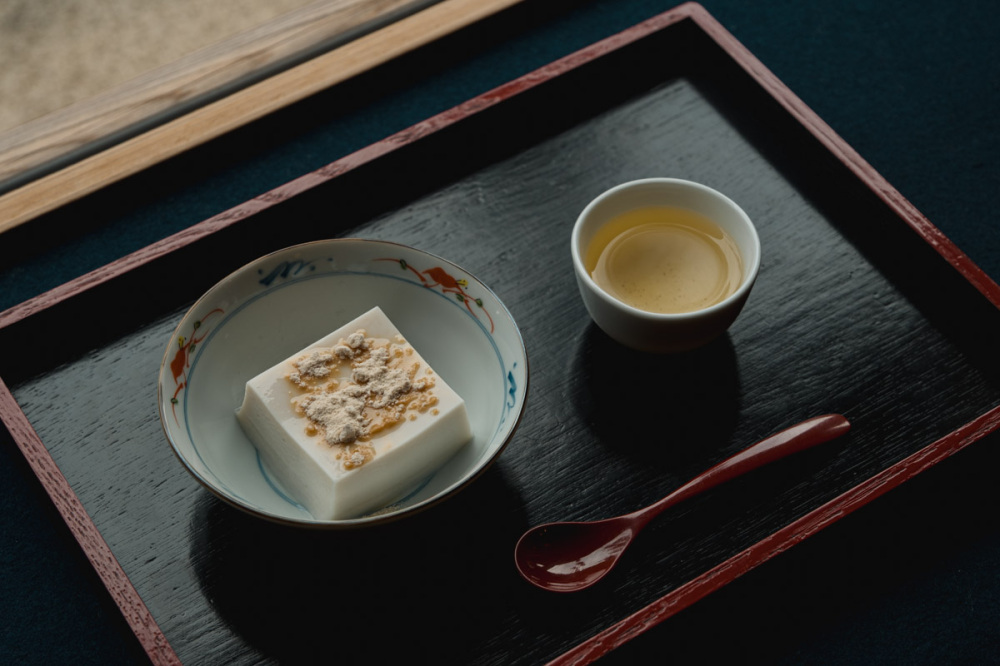

One of Koyasan’s most famous specialties is goma tofu, known as a type of shojin ryori (Buddhist vegetarian cuisine). The goma-tofu from “Koyasan Goma Tofu Shop Hamadaya” is made exclusively from rare Yoshino honkuzu starch, carefully hulled white sesame seeds, and Koyasan’s spring water—its rich flavor and smooth texture are sure to have you coming back for more. Sprinkle some Wasanbon sugar on top, and you can enjoy it like a dessert. Pictured here is a winter-only hot drink made with their goma-dofu.
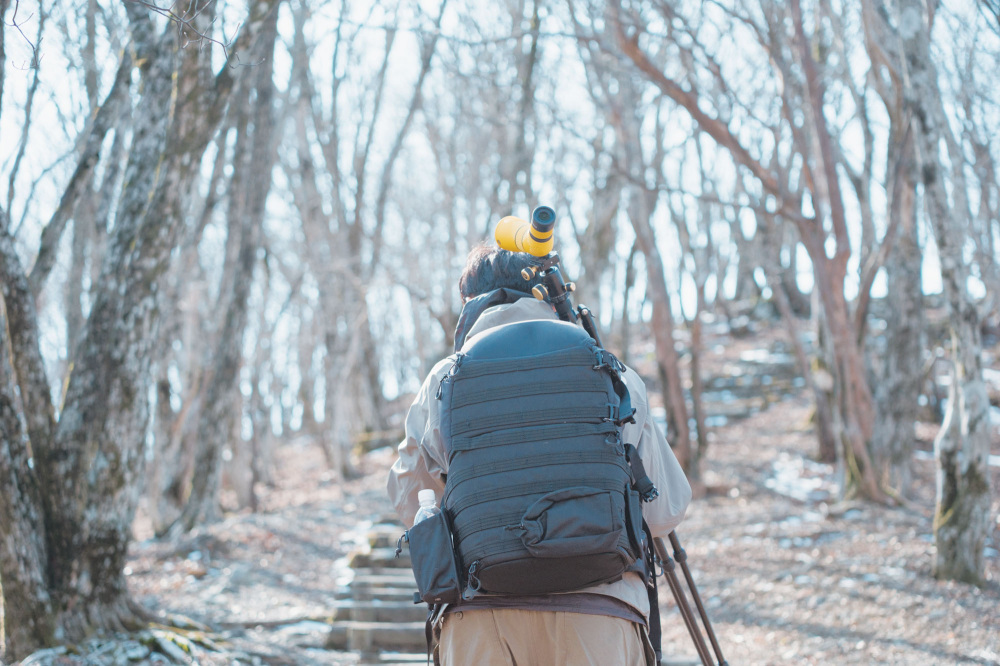
Born in Nachikatsuura, Wakayama Prefecture, in 1982. Photographer and founder of Tankaku Studio in Shingu City. He also leads Kinan Film, a project sharing the appeal of Kumano. At 27, he returned from Osaka to his hometown and began taking photographs. His publications include the photo books ROUTE42 and Wonderful Agriculture, as well as Shihara Coast, photographed over the course of a year in Yoshino-Kumano National Park.
KOYASAN RYUJIN BIRDS
Where the Lush Mountain Birds Hide
<Listen to the song of the birds>
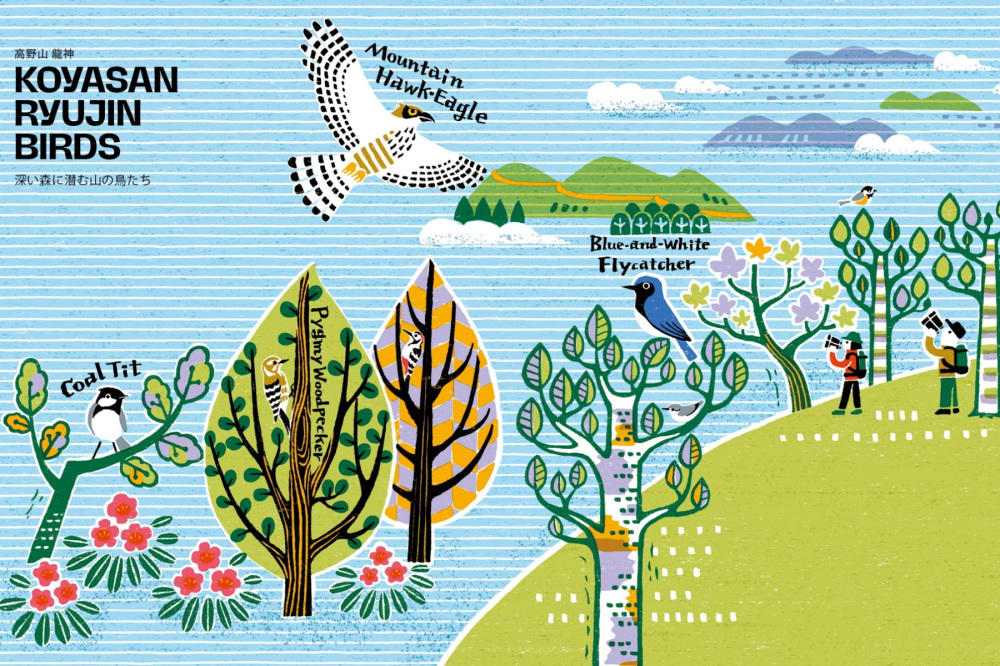
Mountain Hawk-Eagle
Blue-and-white Flycatcher
Coal Tit
A Mountain Hawk-Eagle? If You’re Lucky!
Around Mt. Gomadan, Wakayama’s second-highest peak, mountains rising 1,200 to 1,300 meters form what is called the “roof” of the Kii Mountains. Natural forests of beech and oak spread across this cool-temperate zone, higher in elevation than the Nakahechi, creating an amazing habitat for mountain birds.
Here you may encounter birds such as coal tits, willow tits, nuthatches, and white-backed woodpeckers, along with Siberian blue robins and Japanese thrushes, whose beautiful songs ring through the deep forest. On a clear day, you might even spot a mountain hawk-eagle circling overhead, a sign of just how rich and biodiverse these forests are.
Once the leaves are out, from spring through early autumn, spotting birds through binoculars becomes extremely difficult. Listen for their calls, identify the direction, then focus your ears that way and wait quietly for movement. Early morning is the best time. In the mountains, wild birds often gather around water sources or fruiting trees. When you find a spot like that, take a closer look.
Route Guide
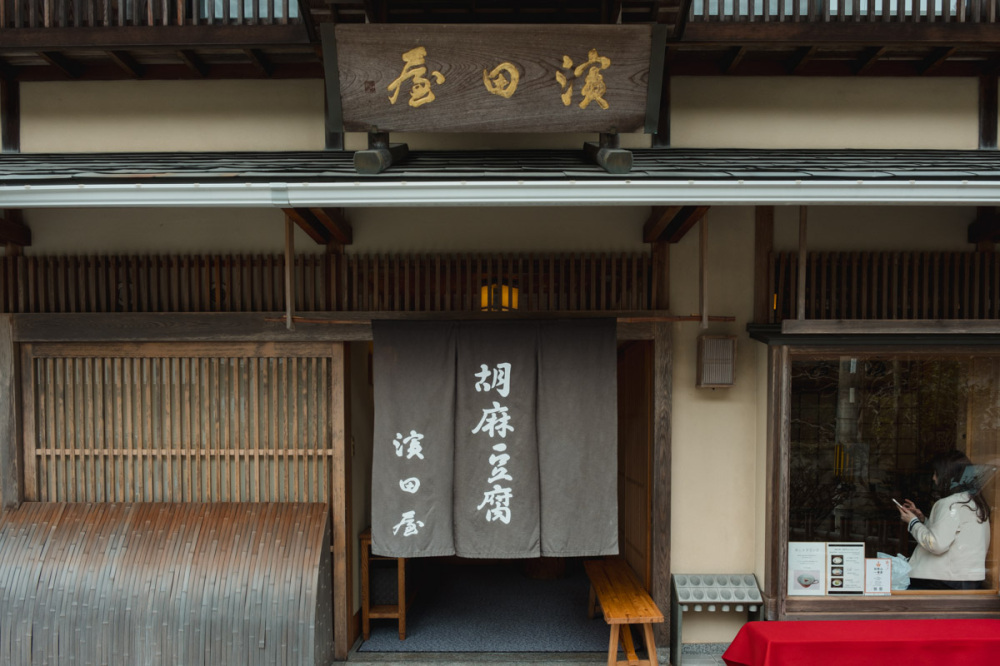

550 Koyasan, Koya, Ito District, Wakayama
TEL: 0736-56-2002
Daimon (Main Gate) at Kongobu-ji Temple
Koyasan, Koya, Ito District, Wakayama
TEL:0736-56-2011
This feature is produced in collaboration with PAPERSKY No. 74, a travel and lifestyle magazine.

Explore More Things to See and Do Around These Areas
- Information on Nearby Attractions
- View more
- What is Koyasan, a World Heritage Site? A thorough breakdown of its diverse charms: highlights, history, shukubo temple lodgings, and more!
- View more
- Koyasan Area: Majestic Temples and Rich Nature
- View more
View More Related Articles
- [A Birding Journey Through Wakayama] Aoi Yamada Wings It Through Wakayama
![[A Birding Journey Through Wakayama] Aoi Yamada Wings It Through Wakayama](/lsc/upfile/individual/0000/2961/2961_1_m.jpg)
- View more
- [A Birding Journey Through Wakayama Vol. 1] Discover Birds, Nature, and Local Flavors Along the Kinokawa Cycling Road Birding by mini velo, binoculars in pocket
![[A Birding Journey Through Wakayama Vol. 1] Discover Birds, Nature, and Local Flavors Along the Kinokawa Cycling Road Birding by mini velo, binoculars in pocket](/lsc/upfile/individual/0000/2962/2962_1_m.jpg)
- View more
- [A Birding Journey Through Wakayama] Into the BIRDS WAKAYAMA Forest, Sea, Mountain, Plum Orchard. Four Distinctly Wakayama Landscapes, Seen From Within
![[A Birding Journey Through Wakayama] Into the BIRDS WAKAYAMA Forest, Sea, Mountain, Plum Orchard. Four Distinctly Wakayama Landscapes, Seen From Within](/lsc/upfile/individual/0000/2963/2963_1_m.png)
- View more
- [A Birding Journey Through Wakayama] KUMANOKODO, NAKAHECHI In Search of the Forest Heartthrob. Following the Songs of Sugar and Spice
![[A Birding Journey Through Wakayama] KUMANOKODO, NAKAHECHI In Search of the Forest Heartthrob. Following the Songs of Sugar and Spice](/lsc/upfile/individual/0000/3613/3613_1_m.jpg)
- View more
- [A Birding Journey Through Wakayama] Wakanoura, the sacred place for waka poetry, is also a paradise for waterbirds.
![[A Birding Journey Through Wakayama] Wakanoura, the sacred place for waka poetry, is also a paradise for waterbirds.](/lsc/upfile/individual/0000/3612/3612_1_m.jpg)
- View more