[A Birding Journey Through Wakayama]
KUMANOKODO, NAKAHECHI
In Search of the Forest Heartthrob. Following the Songs of Sugar and Spice
![[A Birding Journey Through Wakayama]KUMANOKODO, NAKAHECHIIn Search of the Forest Heartthrob. Following the Songs of Sugar and Spice](/lsc/upfile/article/0000/0745/745_1_l.jpg)
The May 29, 2026 issue of the travel and lifestyle magazine PAPERSKY (No. 74) features an article introducing Wakayama Prefecture.
The special feature explores the theme of birding.
This article introduces the Nakahechi area of the Kumano Kodo, a UNESCO World Heritage Site. Following the ancient pilgrimage route from Tanabe to the three grand shrines of Kumano, the area offers a rich blend of natural and historical attractions, from deep forests and crystal-clear streams to historic villages. With every step, you’ll discover the timeless beauty of nature and history.
One of the defining routes of the Kumano Kodo, the Nakahechi leads from Tanabe over the mountains toward the Kumano Sanzan. The songs of birds filtering through the trees along this path, once walked in the hope of spiritual rebirth, brings body and mind back into balance.
Following the Yatagarasu along the Nakahechi
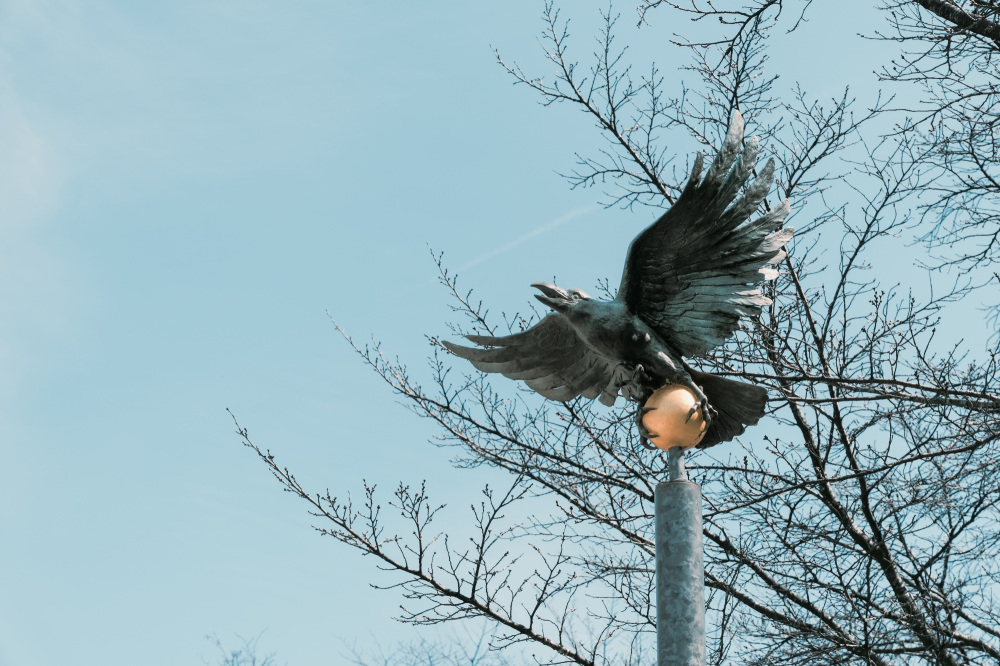
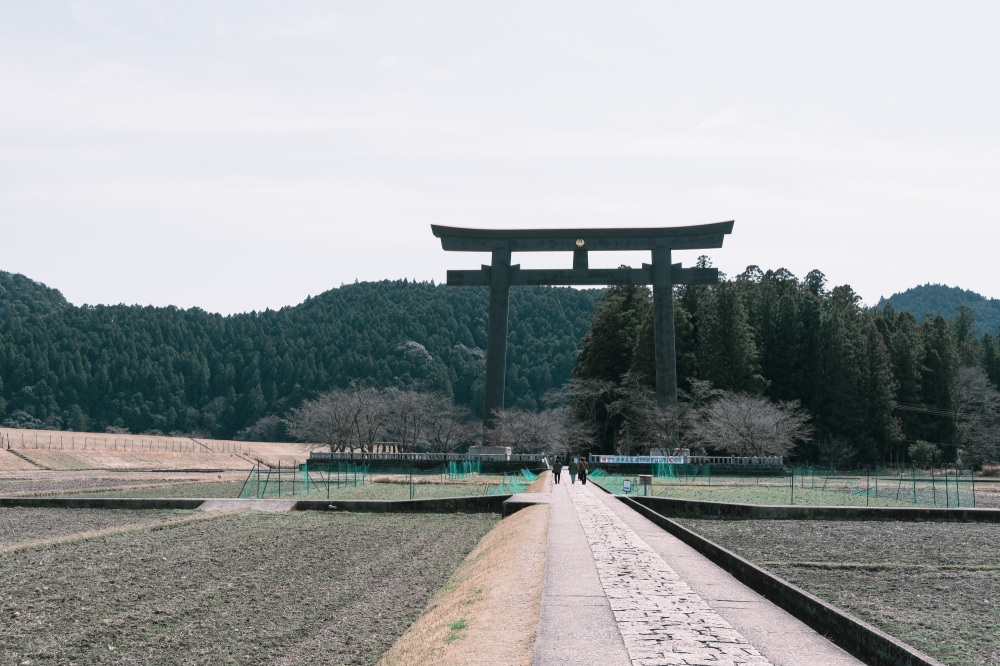
When Emperor Jimmu set out on his eastern expedition, he found himself deep in the mountains of Kumano, attempting a difficult crossing. Perhaps he had stirred the wrath of Kumano’s fierce gods for his party had lost their way. Who saved them from this dead end? None other than the legendary Yatagarasu, a great three-legged crow sent by the sun goddess Amaterasu. Guided by Yatagarasu, Emperor Jimmu is said to have reached Yamato safely. Since then, crows in Kumano have been revered as messengers of the gods, guiding pilgrims along the Kumano Kodo in search of rebirth and purification.
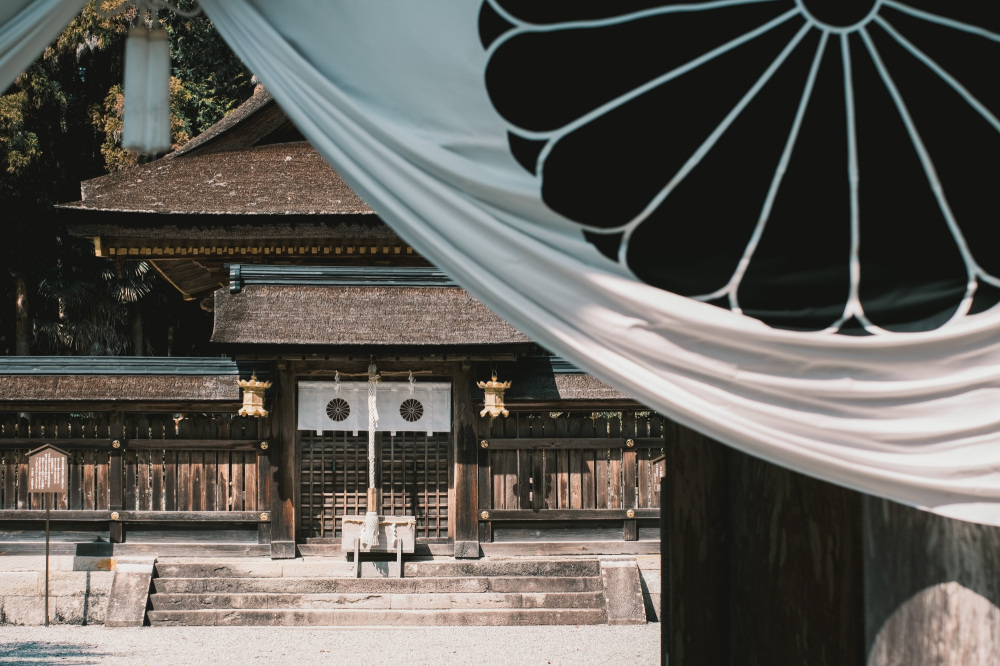
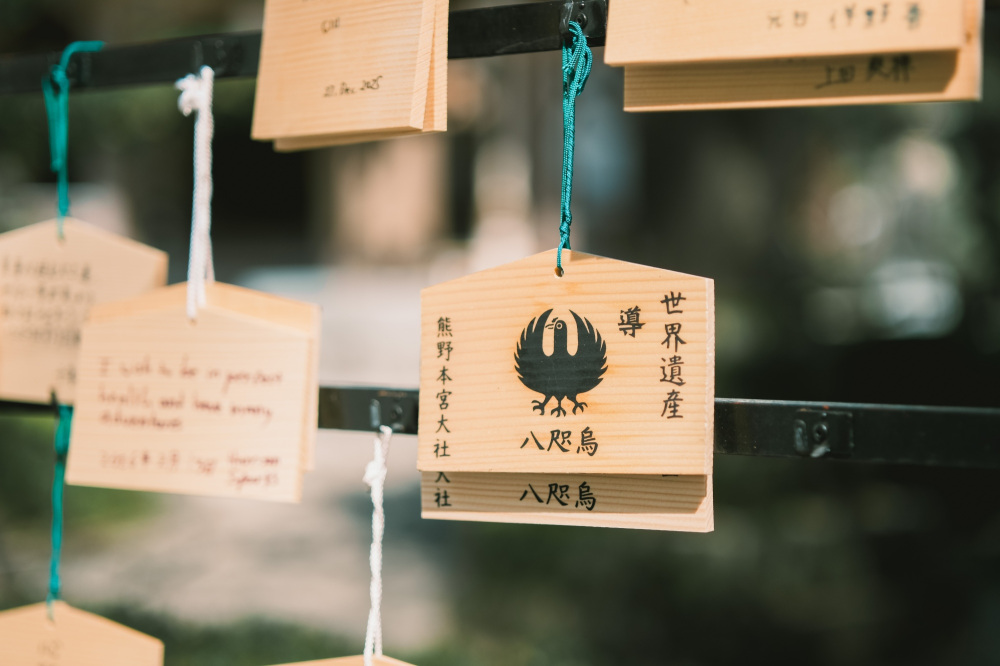
With the thought of this legend in mind, we visit Kumano Hongu Taisha, then take the bus to Ukegawa. After crossing Ukegawa Bridge over the Kumano River, we begin walking the Kogumotori-goe section of the Kumano Kodo Nakahechi.
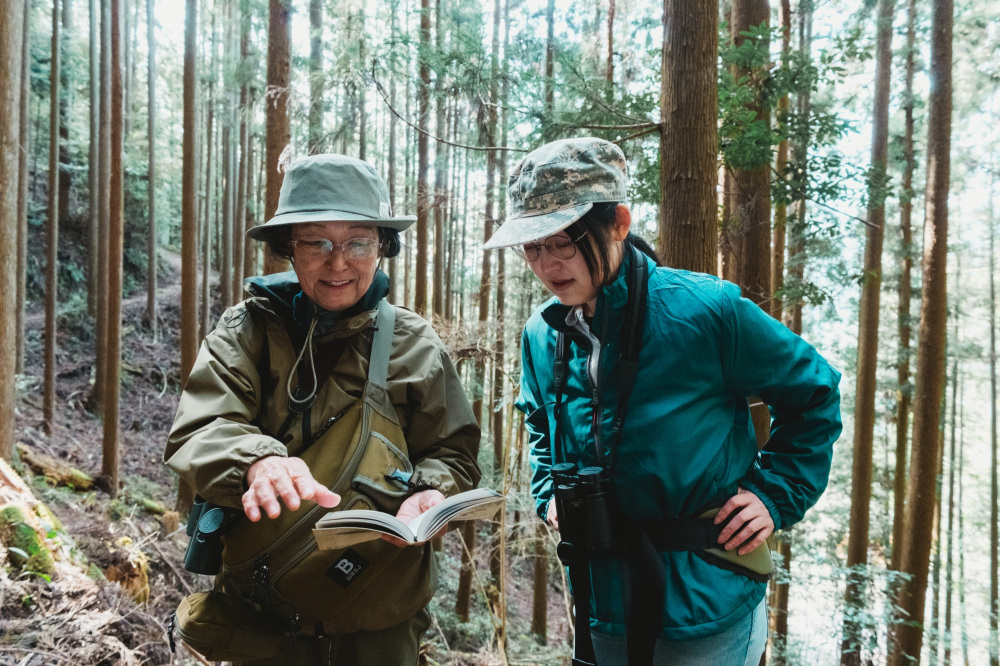
Kogumotori-goe connects Ukegawa in Hongu, Tanabe City, with Koguchi in Shingu City, covering about 13 kilometers. For our guest, Takashi Iwakura, who walks the Kumano Kodo at least once a year as a form of spiritual practice, it is a familiar route he has traveled many times. Birdwatching, however, is new to him.
The ridge trail, with its gentle ups and downs, is easy to walk, but it is surrounded by dense groves of cedar, meaning there is not a bird in sight. The birding difficulty level shoots through the roof compared to Wakanoura where waterbirds gather on open tidal flats. We exchange looks with Iwakura. Now what?
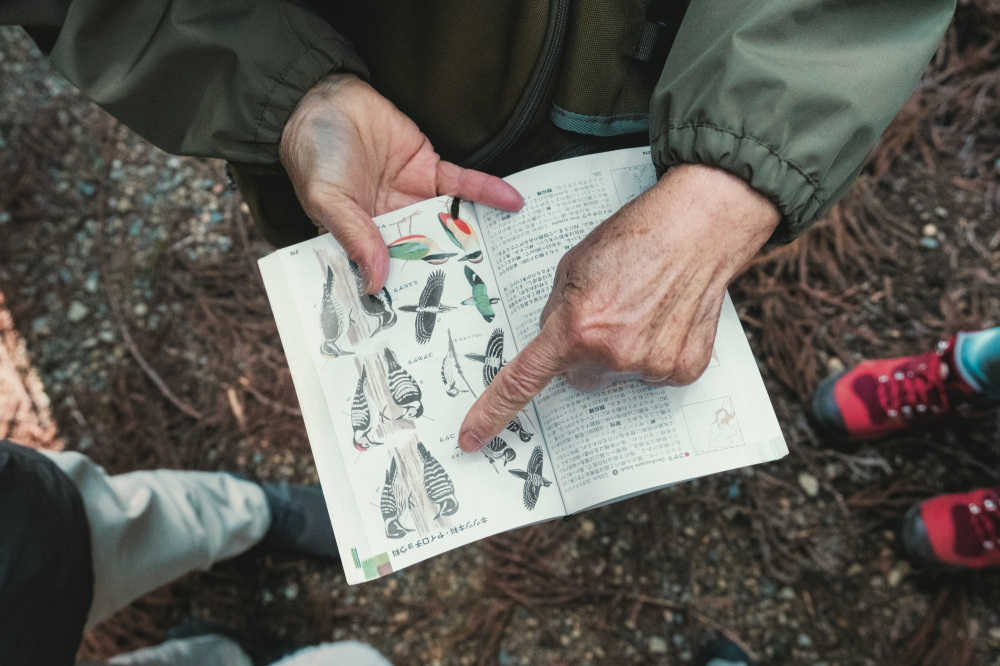
“You can hear them, right? Let’s use their calls as clues,” says our senior bird guide, Mayumi Tsumura.
She teaches us how to observe birds in a forest where visibility is poor: first identify the species by its call, then infer its habitat, and use that to search for the bird itself. According to Tsumura, the fluid “chi-chi-chi-chi” song belongs to an oriental greenfinch in breeding season. The bright “chee-chee, pichi-pichi” call is a varied tit.
A willow tit gives a rough “jee-jee,” while the noisy group calling “hiyo-hiyo-hiyo” are brown-eared bulbuls. The low “ta-ta-ta-ta…” drumming that echoes through the forest comes from a Japanese pygmy woodpecker. She explains it all in detail, but the bush warblers are singing so loudly I can barely hear the other birds. Tsumura, on the other hand, senses them with an ability that almost makes you suspect a sixth sense.
Behold the Copper Pheasant, Long Tail Swaying
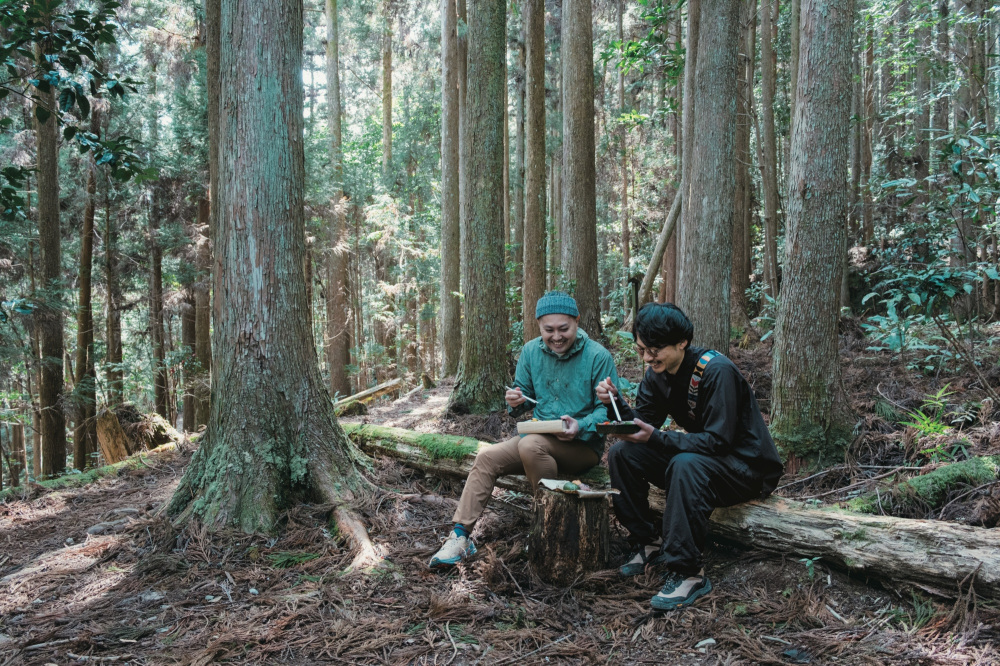
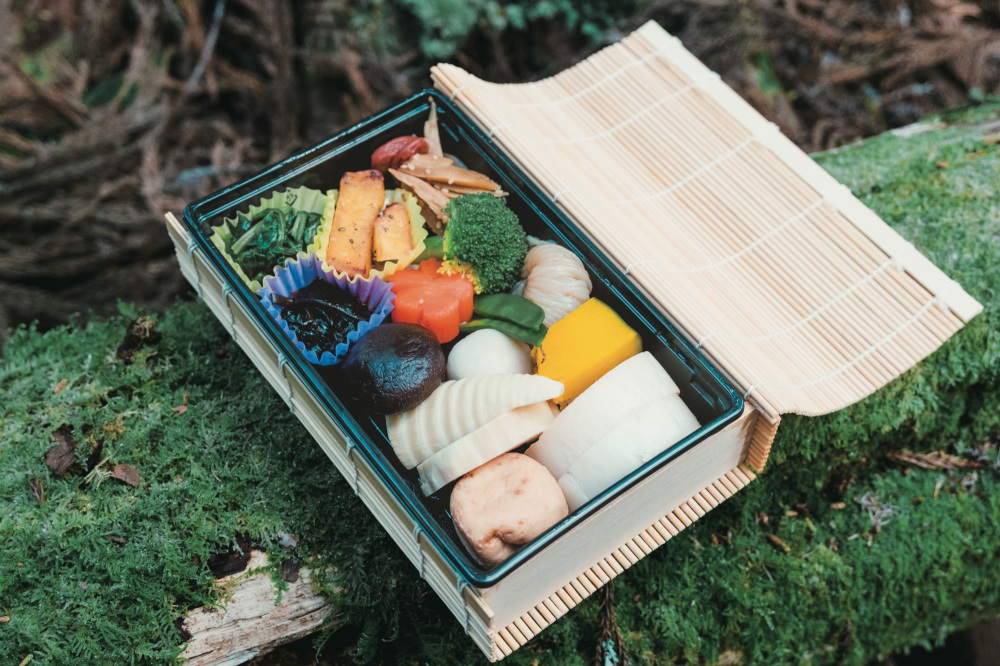
We keep walking the well-maintained trail, climbing and descending, ears tuned to the forest. Eventually we reach Hyakken-gura, the finest viewpoint on Kogumotori-goe. From here, the mountains of Kumano stretch out, peak after rolling peak, with the ridgeline of Mount Oto, the highest one in southern Kii, visible to the southwest.
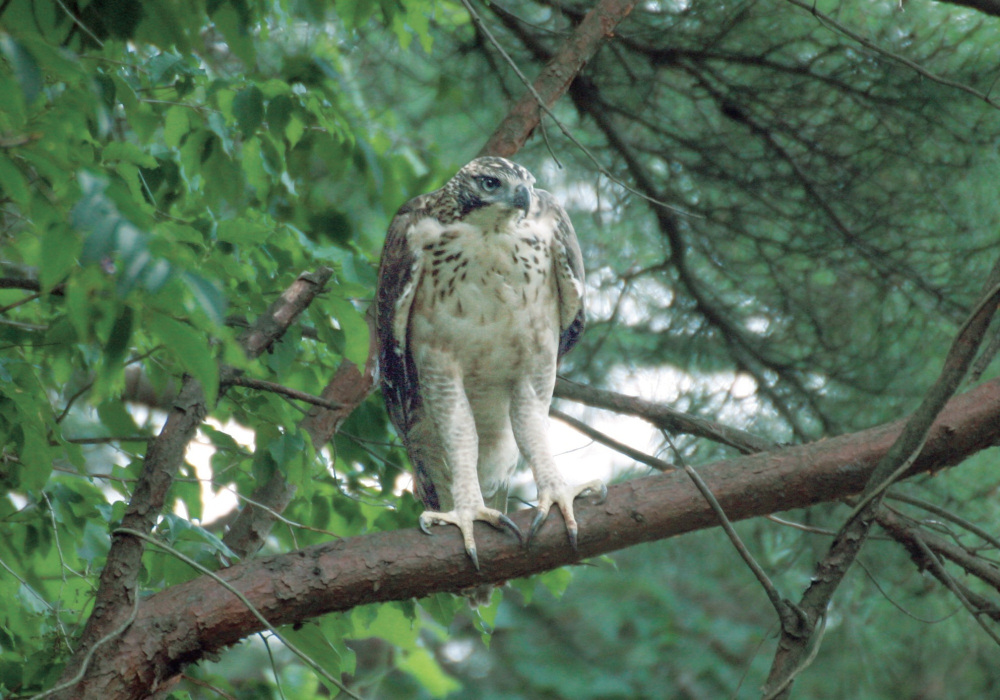
According to Tsumura, mountain hawk-eagles sometimes circle overhead. Meanwhile, our bird listening, which has been constantly drowned out by the bush warblers, is slowly improving. Little by little, we begin to pick out the calls of the other birds from the mix.

Farther on, near the point where the trail crosses a paved road, a reddish-brown bird crosses our path, showing off a steel-colored tail nearly a meter long. A pheasant!
“That’s not just any pheasant. It’s a male copper pheasant. You hear the name often, but they’re shy and almost never show themselves to people. We’re lucky.”
Unbothered by the excitement of us humans, the copper pheasant sways its long tail — as celebrated in the old poems — lumbers across the forest road, and disappears into the brush. The encounter lasts only ten seconds or so, but it leaves an even stronger impression than the view from Hyakken-gura. Maybe it was a dream shown to us by Yatagarasu.
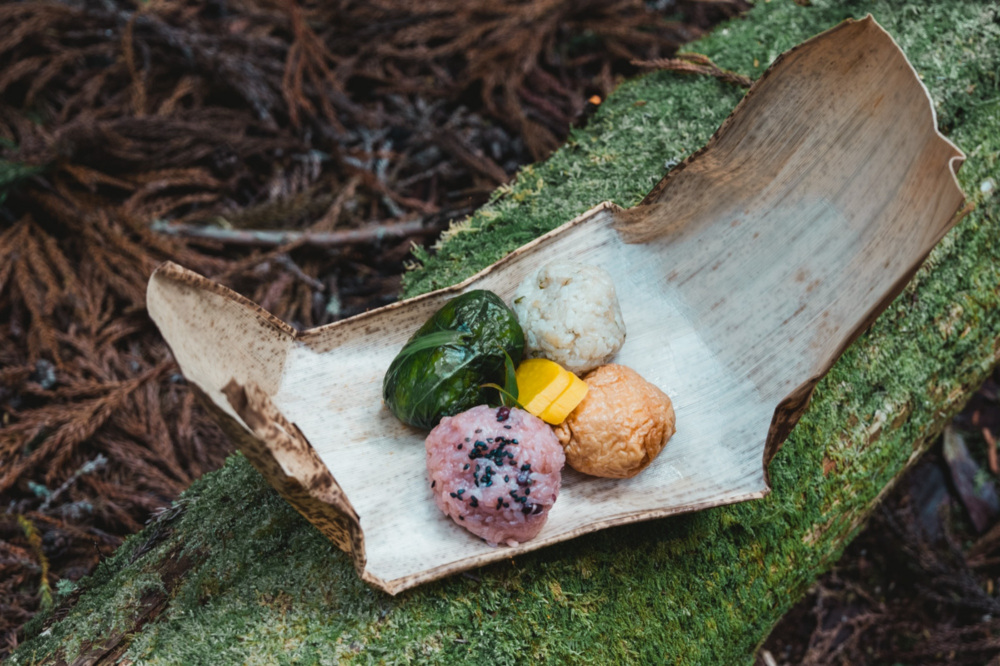
We pass the site of an old teahouse, follow a stretch of traditional stone paving, and walk through a small settlement before Kowase Bridge comes into view over the Akagi River. This was once the site of a river crossing. Several kinds of birds are moving about along the river. The one with a black head and chest and a white belly is probably a Japanese wagtail. We study the markings on its face through binoculars, compare them with the field guide, and make the identification. Bingo!
Our first correct answer. There is a sense of satisfaction to it, like solving a puzzle. When walking with birds as the theme, even a familiar trail can feel like an entirely different landscape.
“When you walk as a form of spiritual practice, your awareness turns inward,” says Iwakura, describing his experience. “With birding though, all your antennas are pointing outward. Because your attention is pointed in a different direction, the same route feels completely different. It gave me a different sense of reset I don’t get from walking in the mountains for training.”
Whether birding or spiritual practice, the meaning lies not in the destination or distance, but in the process itself. And in the sense of reset they offer, the two seem to share common ground.
Kissaten U-Town.

After walking Kogumotori-goe, we head into the town of Nachikatsuura and treat ourselves to a fruit parfait at the nostalgic Kissaten U-Town.
Cafe Amaai
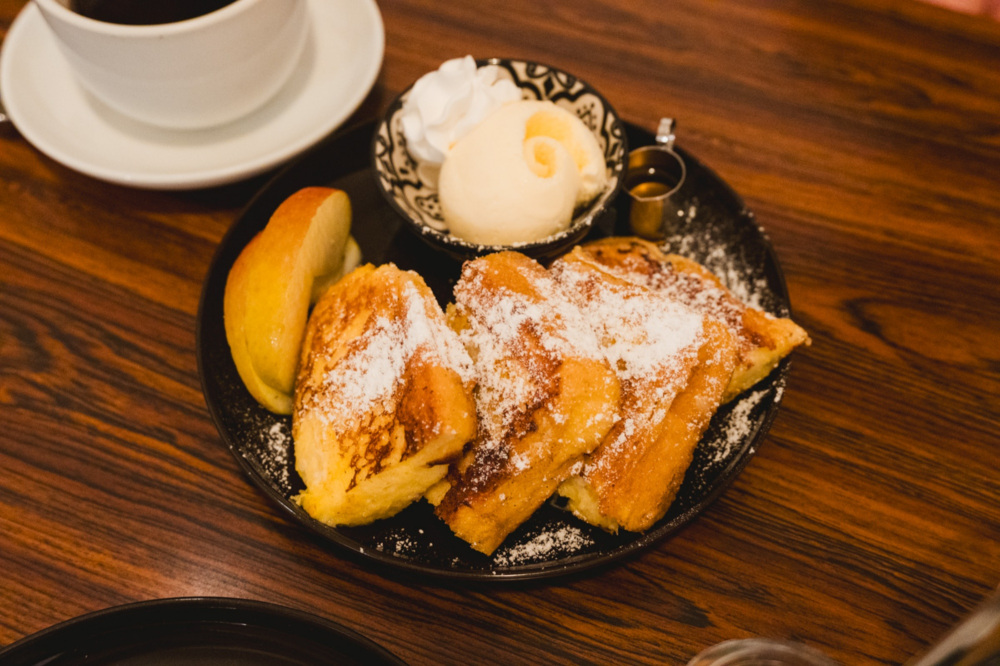

Cafe Amaai, near Kii-Katsuura Station, is a pioneer of the local café scene. Opened in 2012, “Café Amama” is a relaxing spot where you can enjoy delicious coffee and food. It also hosts music events from time to time.
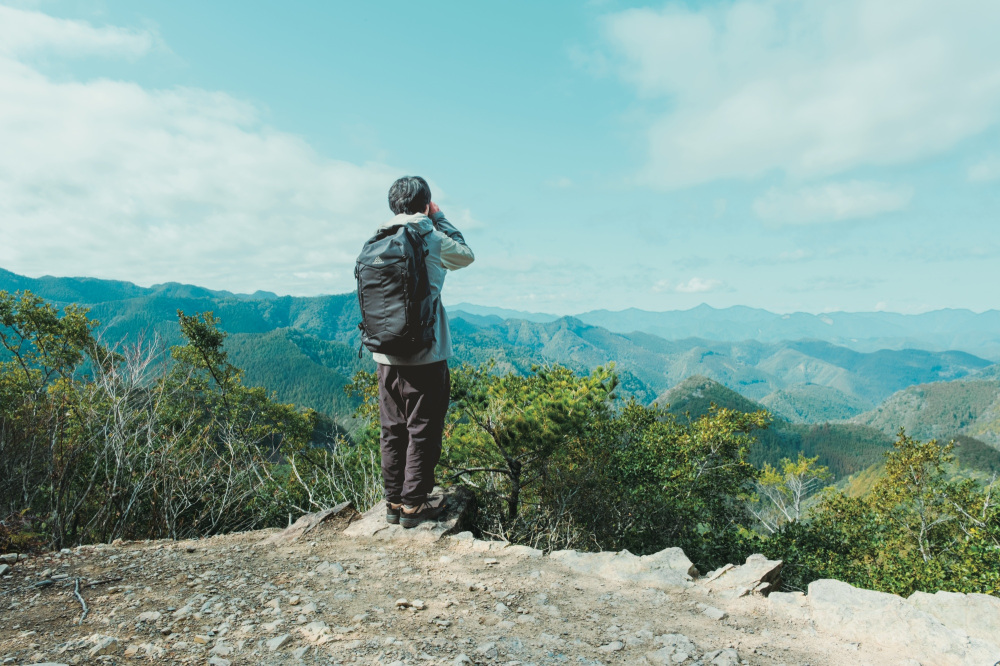
Takashi Iwakura
Born in Osaka Prefecture, 1993. Local producer and creative director. Drawn to community design, he moved to Wakayama in 2015, where he founded Hitonoha, a studio working across local design. He also takes part in Kumano Shugen, walking the Kumano Kodo as a form of spiritual practice with his buddy for this trip, Tatsuya Higashi.
KUMANOKODO NAKAHECH BIRDS
Where the Colorful Forest Birds Roam
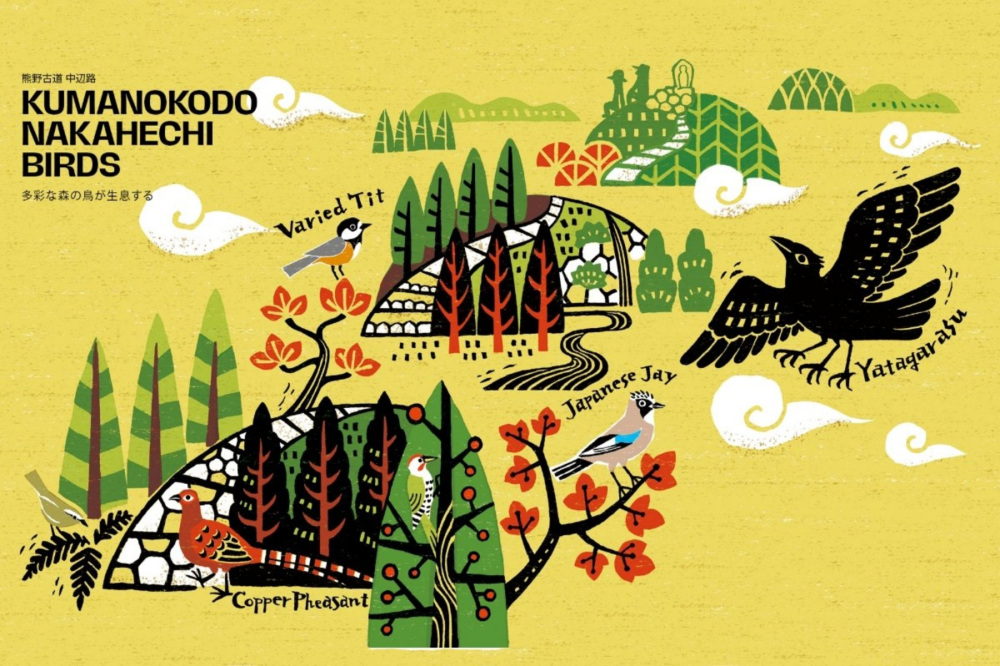
<Listening to the birds sing>
Jpanese Jay
Copper Pheasant
Finding Forest Birds by Following Their Calls
mong the routes of the Kumano Kodo Nakahechi, Kogumotori-goe follows a deep mountain ridge with a rich variety of forest birds for your observing pleasure. One of the most common birds in these broadleaf evergreen forests and cedar groves is the varied tit. Its bell-like “tsutsu-pii” announces the arrival of spring. This friendly bird may even show itself from the shade of the trees. You are also likely to hear the calls of other tits, including the Japanese tit and willow tit.
The Japanese jay, skilled at mimicing other birds, has a speckled black-and-white head and beautiful blue markings on its wings. Another beauty is the red-flanked bluetail, with its vivid blue body. The red-billed leiothrix, with its striking green and deep orange plumage and lovely voice, is another bird you have a good chance of seeing, although it is actually a designated invasive alien species. In any case, birding on Kogumotori-goe means searching through deep evergreen forest, so calls become the key to identification.
Route Guide
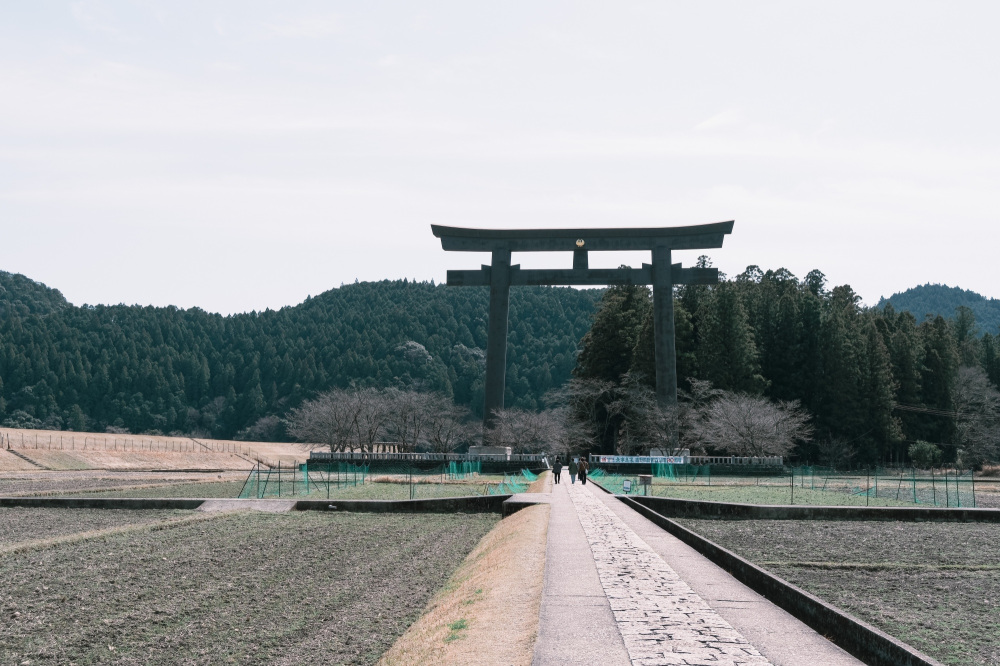
Kumano Hongu Taish, Former site Ōyunohara
1 Hongu, Hongu-cho, Tanabe City, Wakayama
TEL:0735-42-0009(main office)
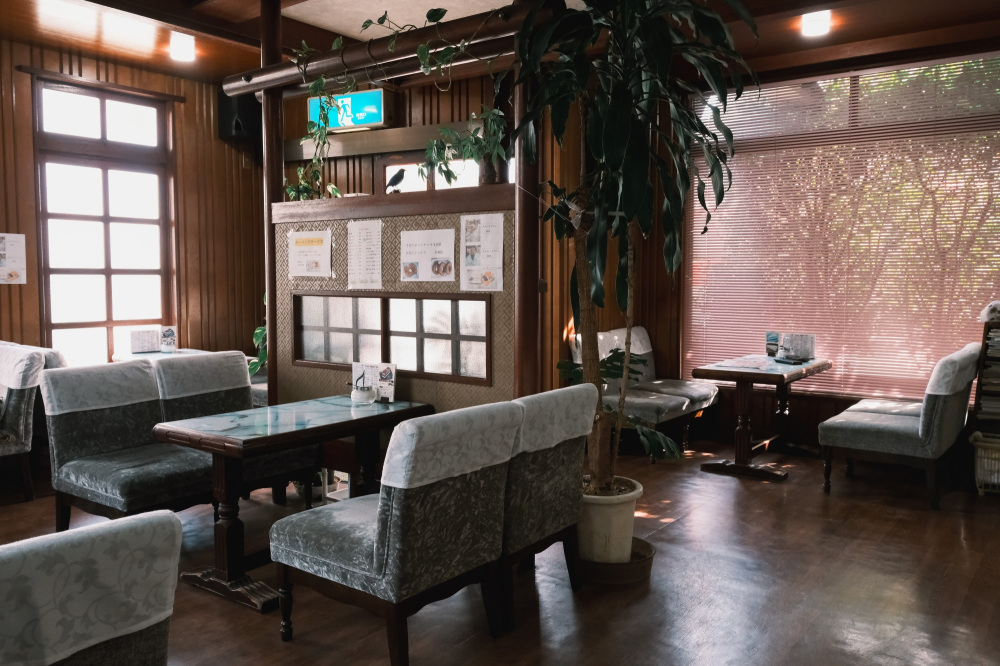
Kissa U-Town
4-79 Asahi, Nachikatsuura, Higashimuro District, WakayamaTEL:0735-52-2387

This feature is produced in collaboration with PAPERSKY No. 74, a travel and lifestyle magazine.
Explore More Things to See and Do Around These Areas
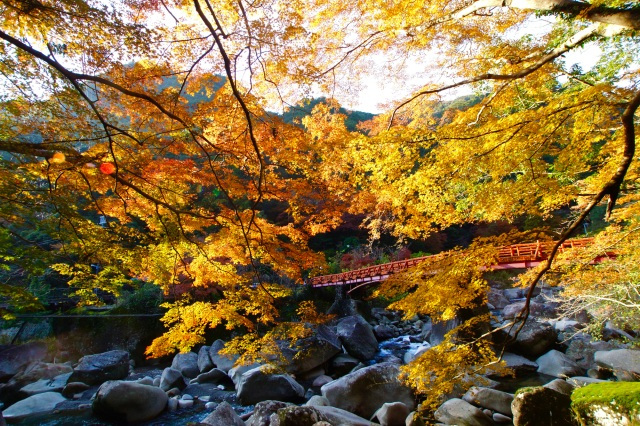
- Information on Nearby Attractions
- View more
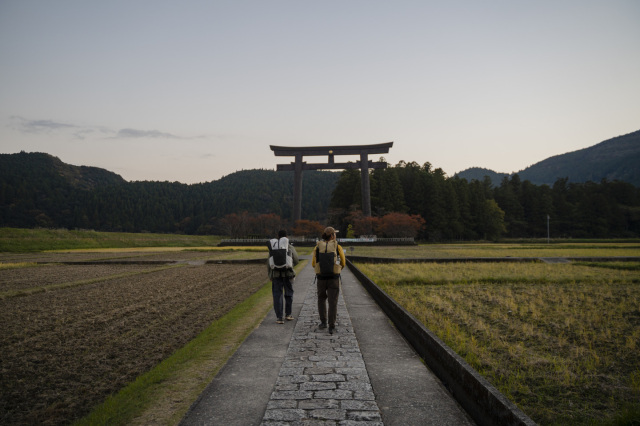
- A Guide to Walking the Kumano Kodo Nakahechi Route—A Life-Changing Journey Thru-Hiking the Kumano Sanzan: the Sacred Sites of Rebirth
- View more
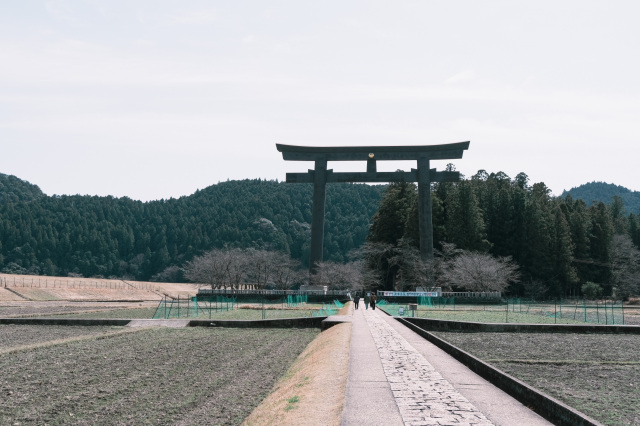
- Kumano Hongu Taish, Former site Ōyunohara
- View more
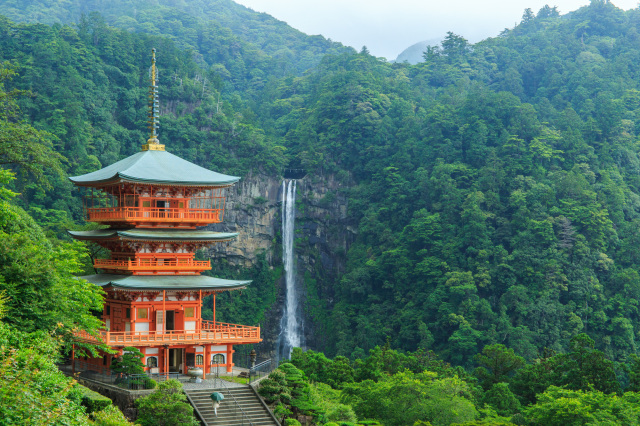
- Kumano Kodo Rules & Etiquette
- View more
View More Related Articles
- [A Birding Journey Through Wakayama] Aoi Yamada Wings It Through Wakayama
![[A Birding Journey Through Wakayama] Aoi Yamada Wings It Through Wakayama](/lsc/upfile/individual/0000/2922/2922_1_m.jpg)
- View more
- [A Birding Journey Through Wakayama] Into the BIRDS WAKAYAMA Forest, Sea, Mountain, Plum Orchard. Four Distinctly Wakayama Landscapes, Seen From Within
![[A Birding Journey Through Wakayama] Into the BIRDS WAKAYAMA Forest, Sea, Mountain, Plum Orchard. Four Distinctly Wakayama Landscapes, Seen From Within](/lsc/upfile/individual/0000/2925/2925_1_m.png)
- View more
- [A Birding Journey Through Wakayama Vol. 1] Discover Birds, Nature, and Local Flavors Along the Kinokawa Cycling Road Birding by mini velo, binoculars in pocket
![[A Birding Journey Through Wakayama Vol. 1] Discover Birds, Nature, and Local Flavors Along the Kinokawa Cycling Road Birding by mini velo, binoculars in pocket](/lsc/upfile/individual/0000/2923/2923_1_m.jpg)
- View more
- [A Birding Journey Through Wakayama] Wakanoura, the sacred place for waka poetry, is also a paradise for waterbirds.
![[A Birding Journey Through Wakayama] Wakanoura, the sacred place for waka poetry, is also a paradise for waterbirds.](/lsc/upfile/individual/0000/3611/3611_1_m.jpg)
- View more