The Complete Guide to Wakayama Castle: Zoo, Events, and Highlights, Plus Admission, Access, Cherry Blossoms, and Nearby Lunch Spots
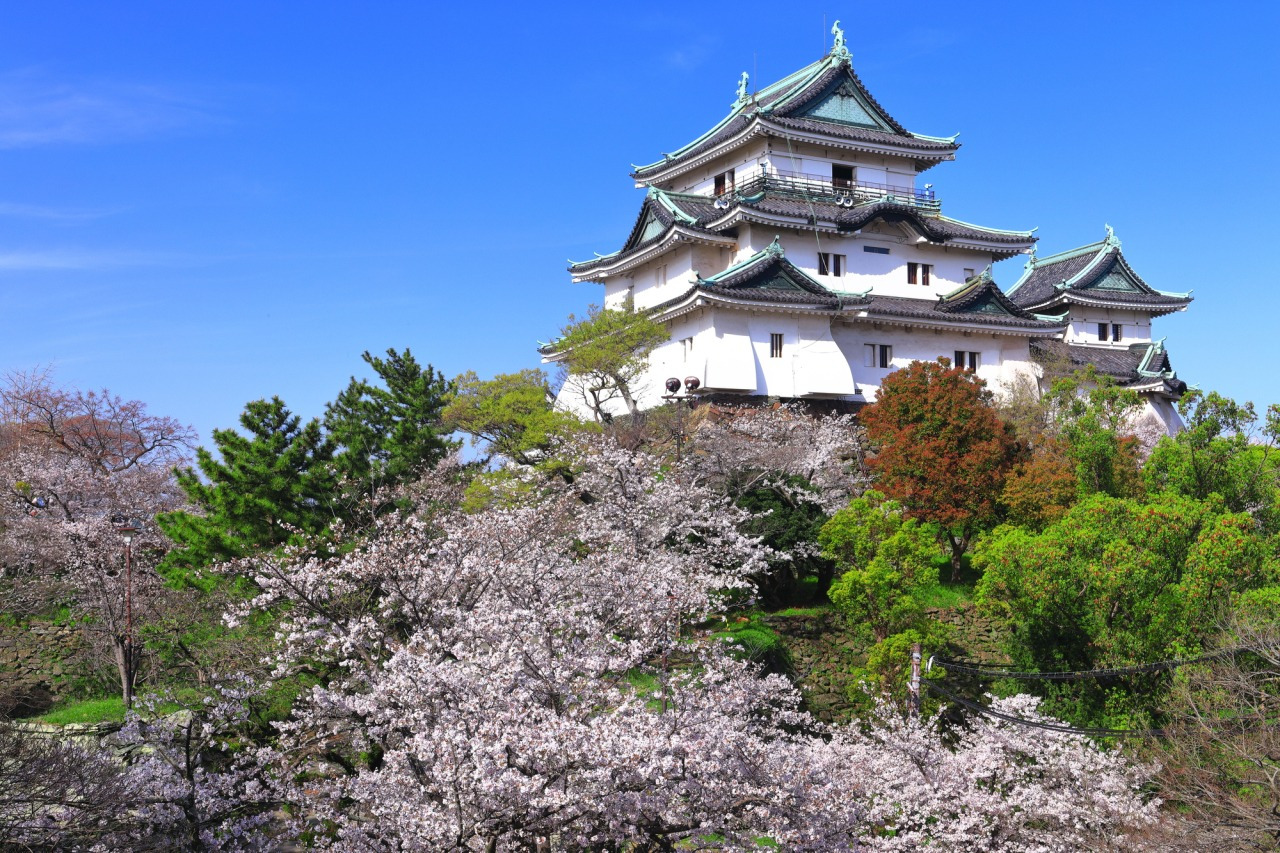
Wakayama Castle is the symbol of Wakayama City, and a stop no visitor should skip.
It’s far more than a historical site: come for one-of-a-kind experiences, lush natural scenery, and outstanding local food.
This guide covers everything from the castle’s must-see highlights to its zoo and seasonal events, plus the best nearby lunch spots and places to stay!
What Is Wakayama Castle Like?
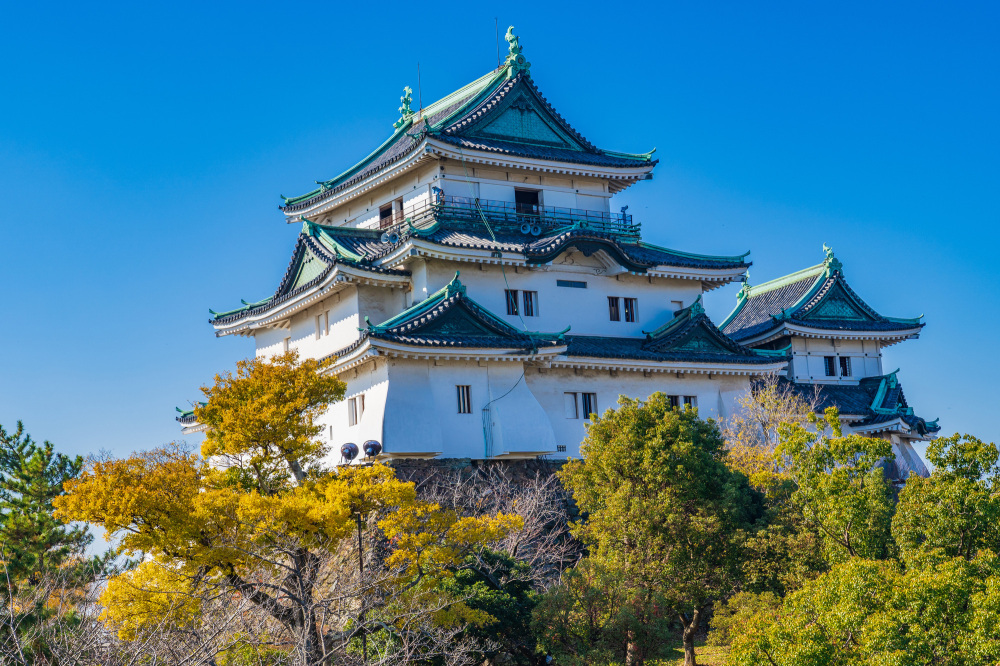
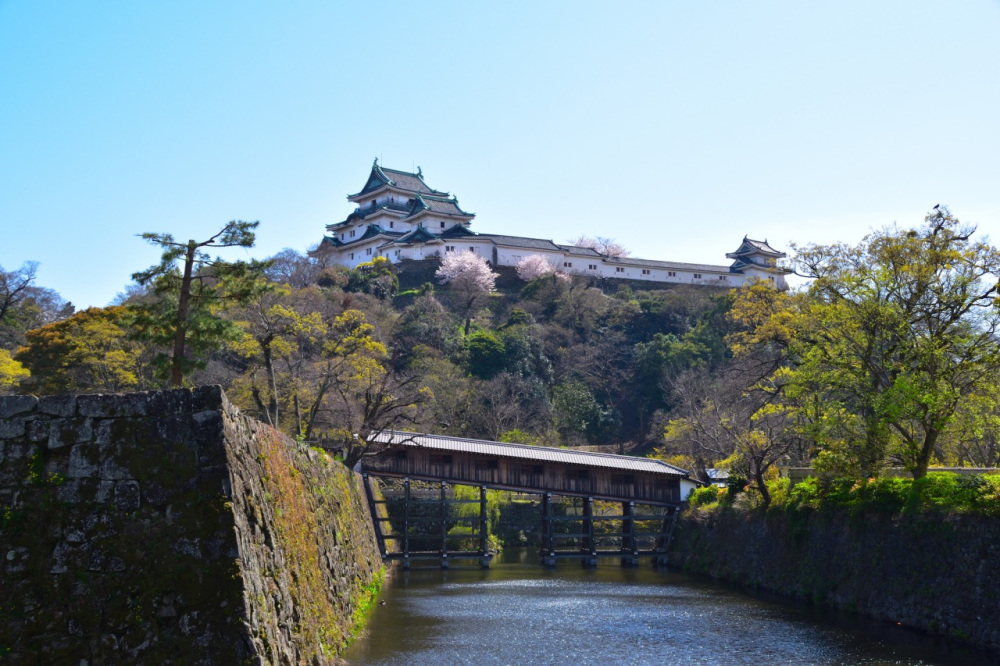
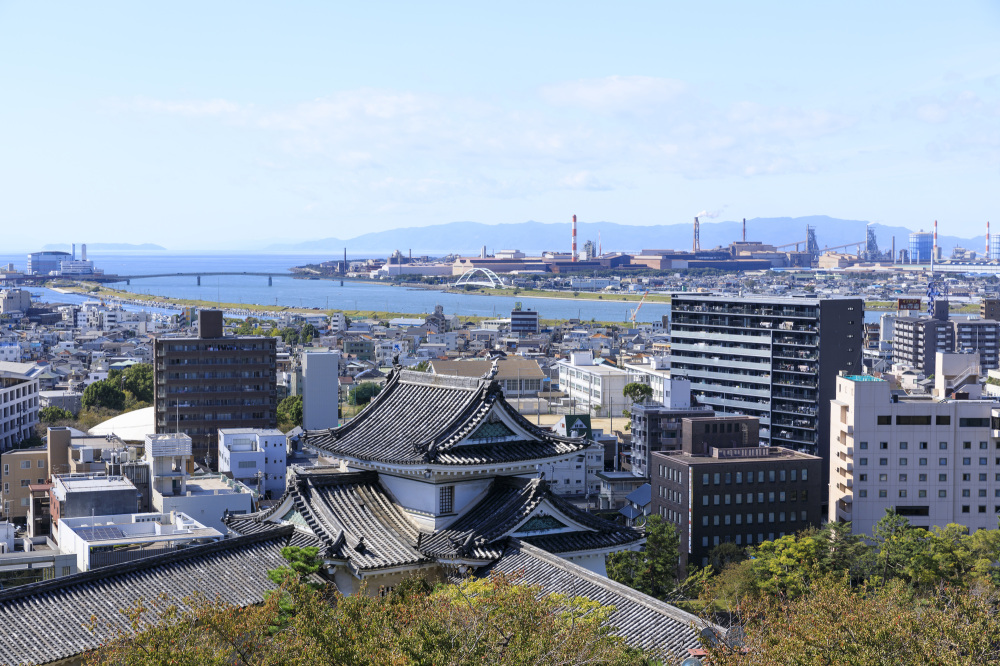
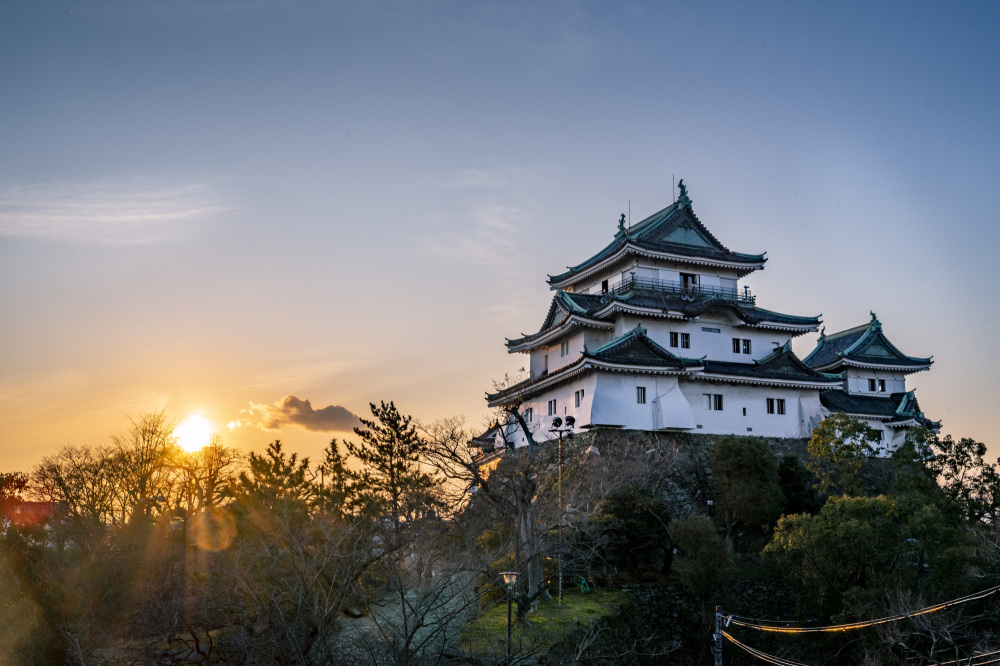
Wakayama Castle stands atop Mt. Torafusu in the heart of Wakayama City.
The view from the main keep is spectacular, with a 360-degree panorama taking in the cityscape and the mountains beyond.
Inside the grounds, there’s far more than scenery to enjoy: you might run into a hospitality ninja, or sip fragrant matcha in a beautiful garden.
There’s even a zoo, free to enter!
Whether you’re a history buff or just love a good sightseeing spot, Wakayama Castle has plenty to fill a memorable visit.
The History of Wakayama Castle
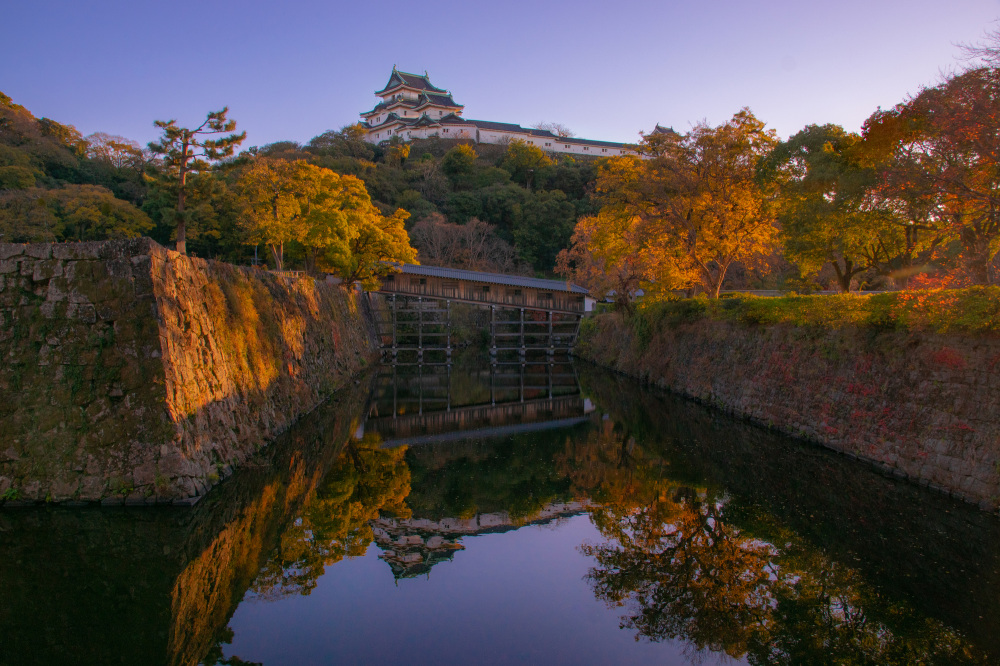
Wakayama Castle was built in 1585 by Toyotomi Hidenaga, on the orders of his brother Hideyoshi, the warlord who unified Japan.
During the Edo period, it served as the seat of the Kishu Tokugawa family, one of the three prestigious Tokugawa branch houses, and produced two shoguns: the 8th, Yoshimune, and the 14th, Iemochi.
The castle standing today isn’t the original structure. It has burned down twice, once after a lightning strike and again during World War II, and the current main keep, the third to occupy the site, was rebuilt in 1958 through the efforts of the local community.
6 Highlights You Can’t Miss at Wakayama Castle
From breathtaking views to a zoo, here are six spots that make Wakayama Castle one of a kind.
- Main Keep
- A 360-degree view of Wakayama City awaits at the top!
Inside, valuable historical artifacts and armor are on display, making this a must for history fans. 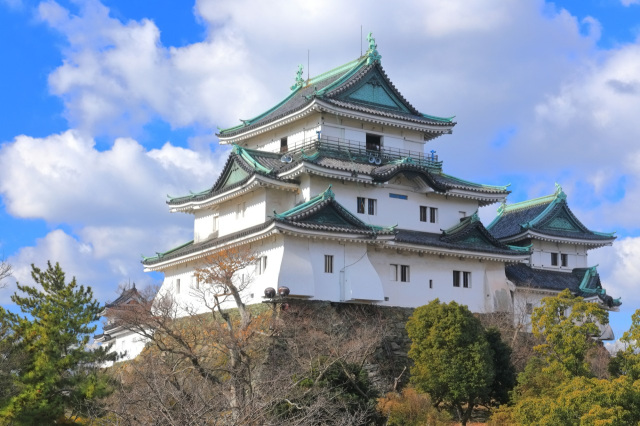
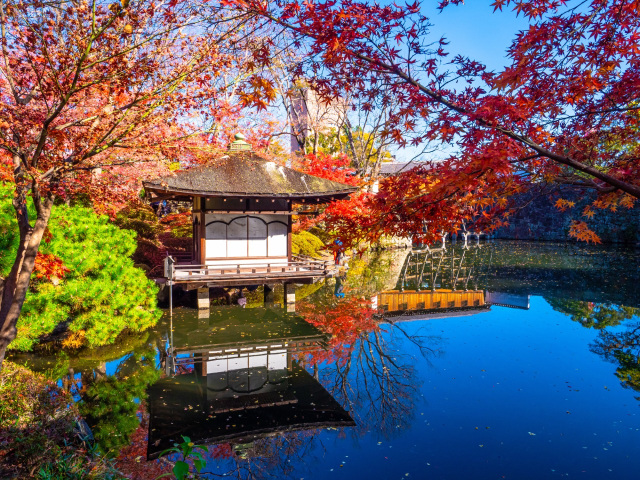
- Momijidani Teien Garden
- Nishinomaru Teien is a garden constructed by Yorinobu Tokugawa that has come to be affectionately known as Momijidani Teien. The…
- View more
- Ohashi Roka Corridor Bridge
- This covered bridge was once reserved for the domain’s ruling lord.
Visitors cross it barefoot, feeling the worn wood underfoot and experiencing a tangible connection to history. 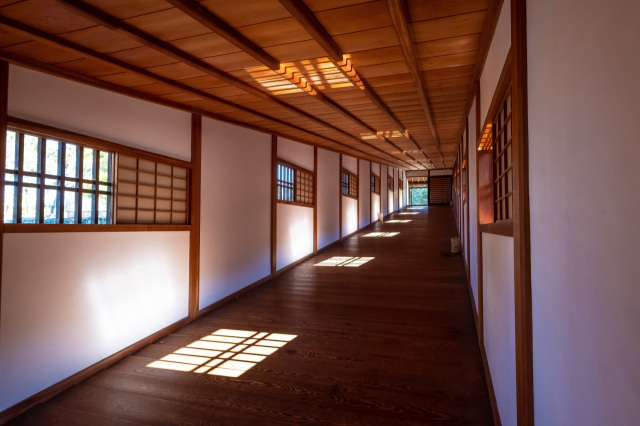
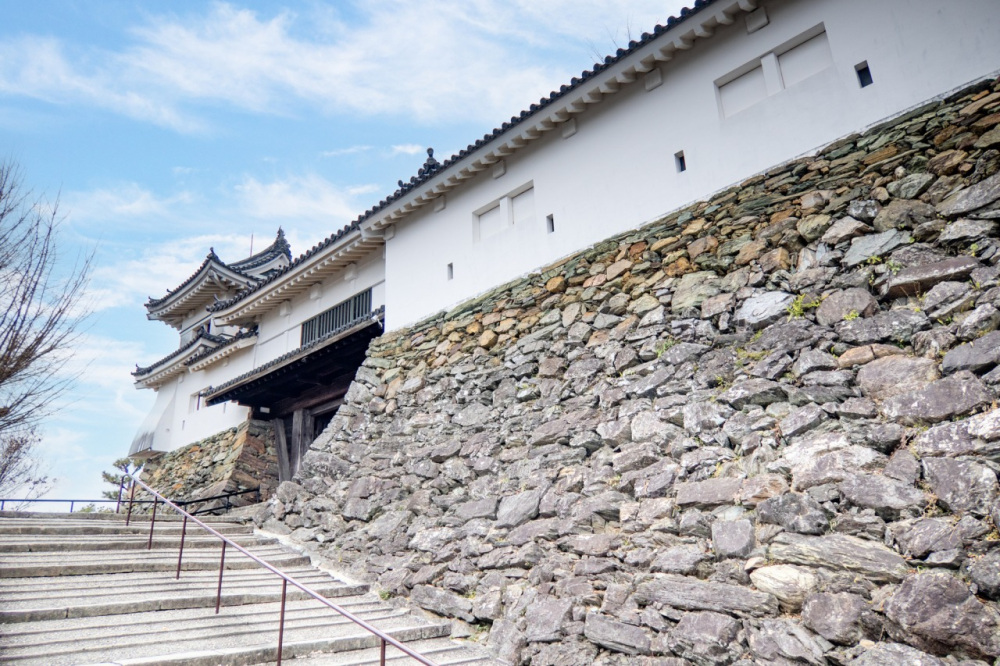
- Okaguchi Gate
- Built in 1621, this turret gate miraculously survived the fires of war.
It remains standing from the Edo period and is designated a National Important Cultural Property. 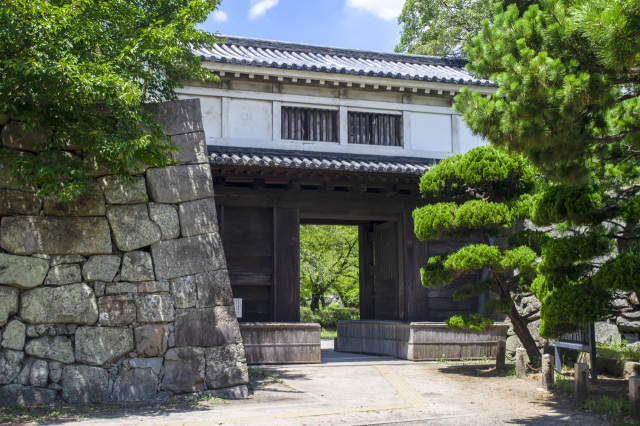
- Wakayama Castle Park Zoo
- A rare find in Japan: a zoo inside a castle, and admission is completely free!
Around 50 species call it home, including penguins, making for a relaxing break from sightseeing.
If you’re lucky, you might spot a Kishu dog out for a walk, a rare white Japanese breed native to Wakayama’s mountains.
Feeding experiences and other events run regularly too! 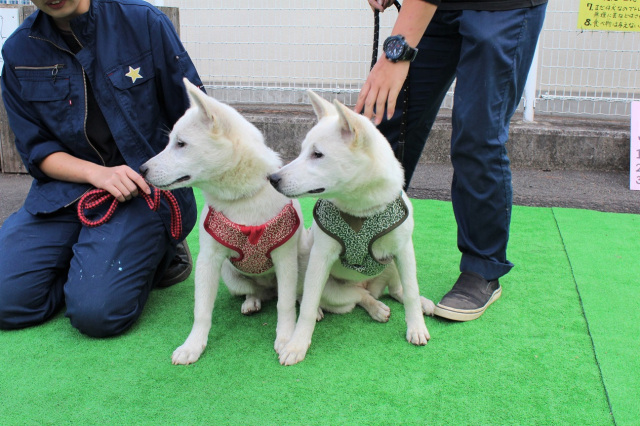
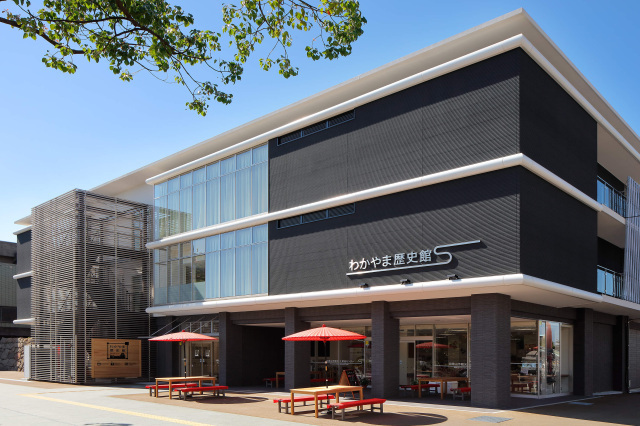
- Wakayama Historical Center
- Videos and models bring the castle’s history to life here in an engaging way, and you can pick up local souvenirs on-site as well.
Column
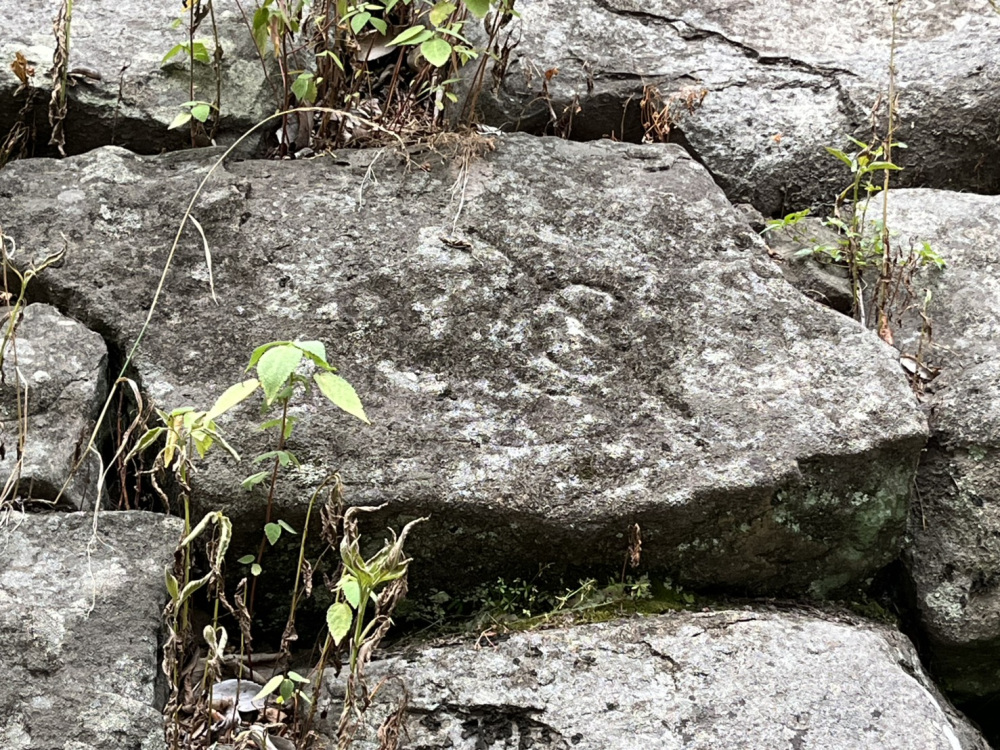
The Mystery of the Stone Wall Markings
Look closely at the castle’s stone walls and you’ll spot carved marks, circles, triangles, and other symbols known as stonemasons’ marks.
There are more than 2,100 of them, and their purpose is still debated: theories range from marking stone ownership to quality checks, or even warding off evil.
Hunting for these marks is a uniquely Wakayama Castle way to explore the grounds.
Cherry Blossom Season and Beyond: Seasonal Highlights and Events Year-Round
Cherry Blossom Festival (Late March–Early April)
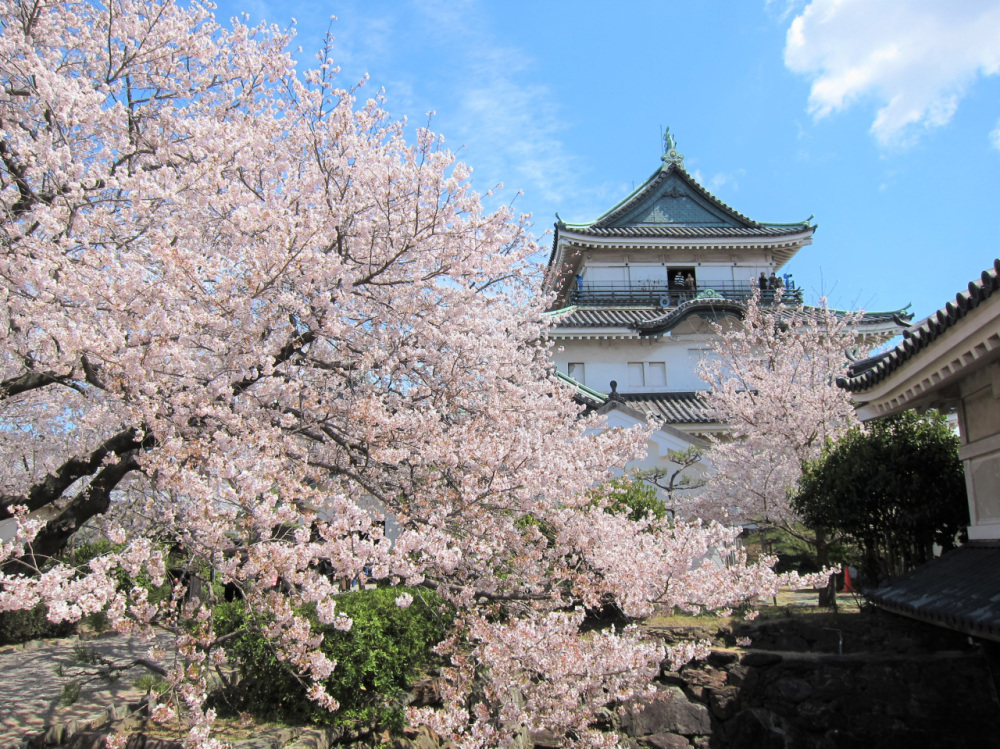
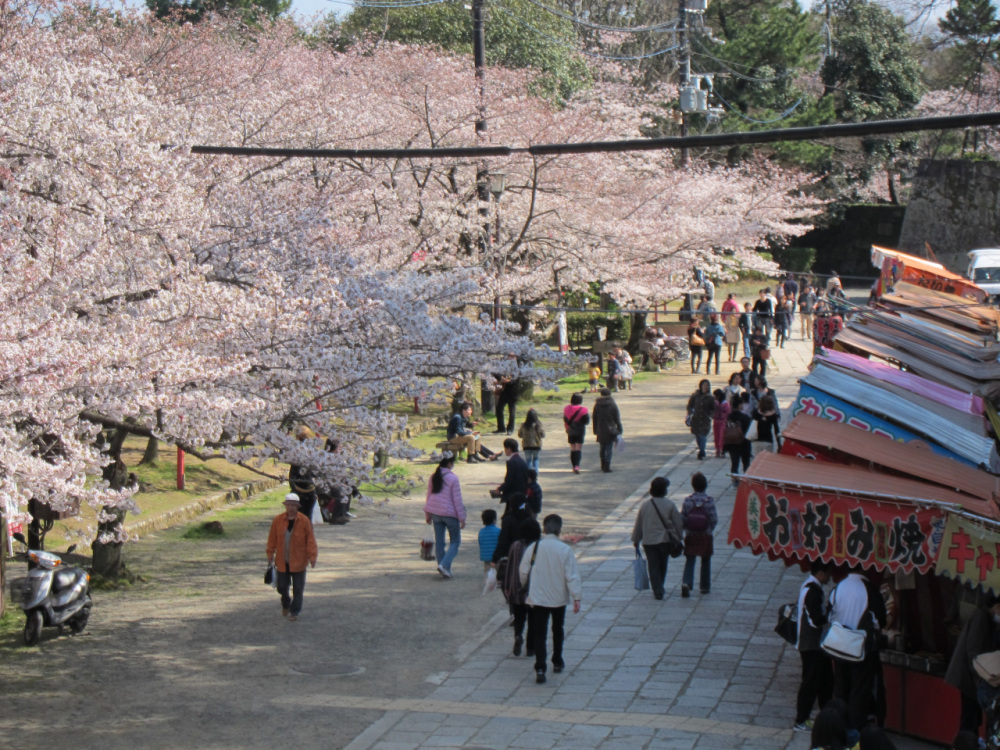
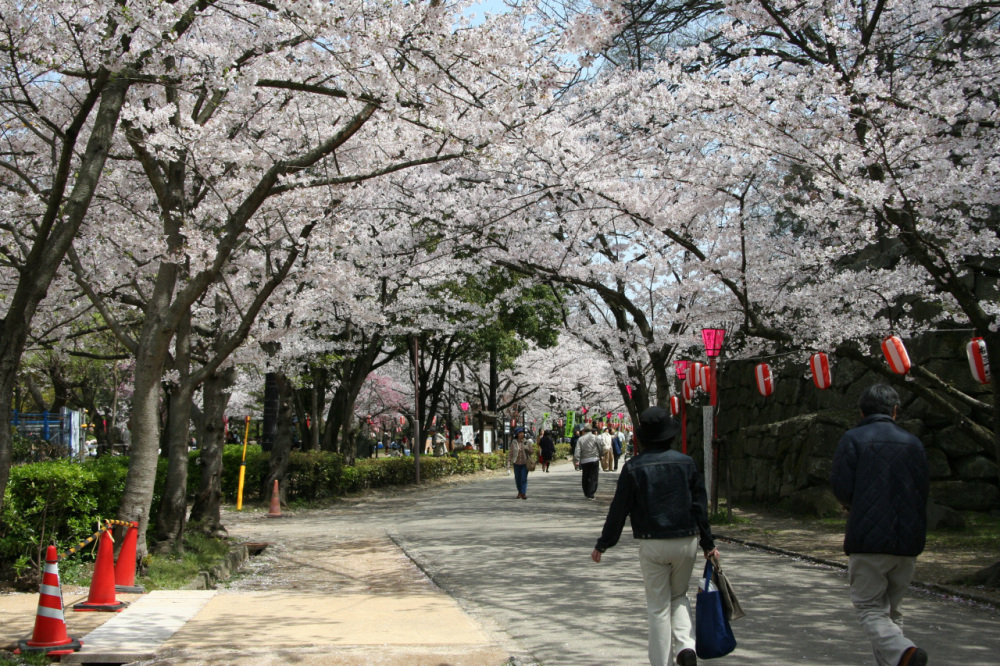
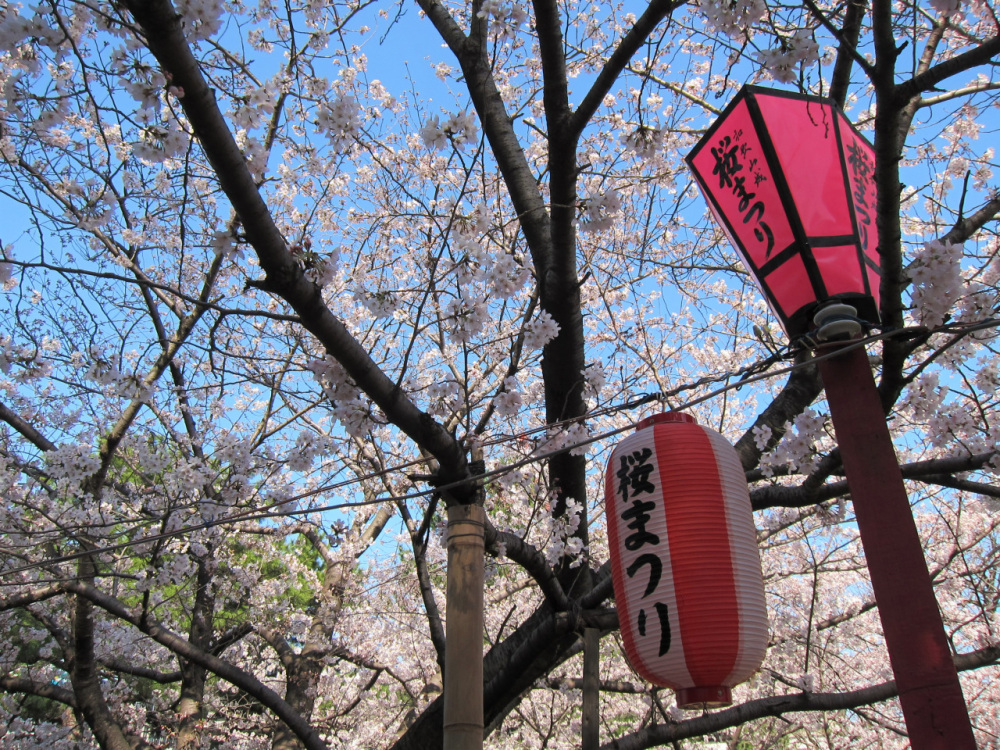
Come spring, around 450 cherry trees bloom here, making it one of the prefecture’s top spots for hanami.
Food stalls line the paths for a real festival atmosphere, and evening illuminations light up the blossoms after dark.
It’s a beautiful season worth experiencing in person.
Hydrangeas (Late May–Late June)
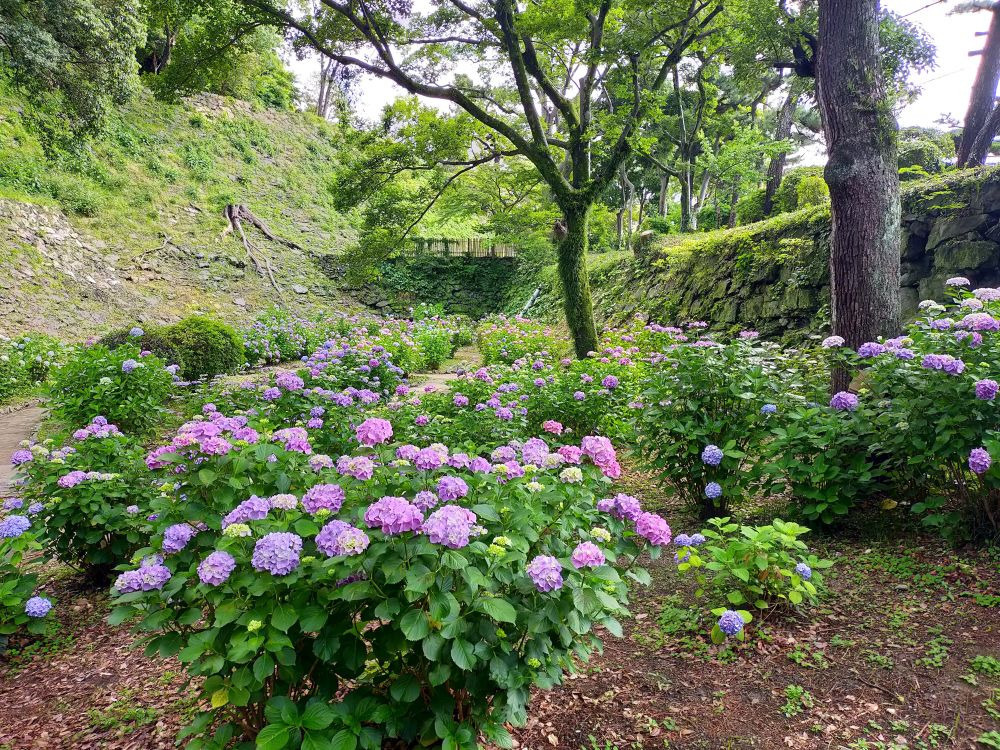
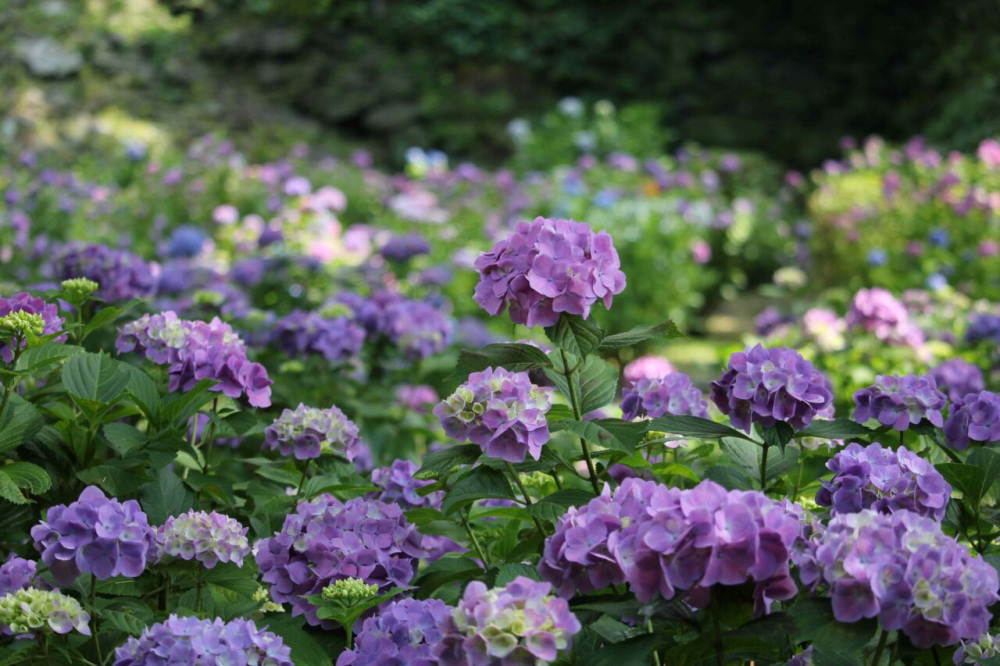
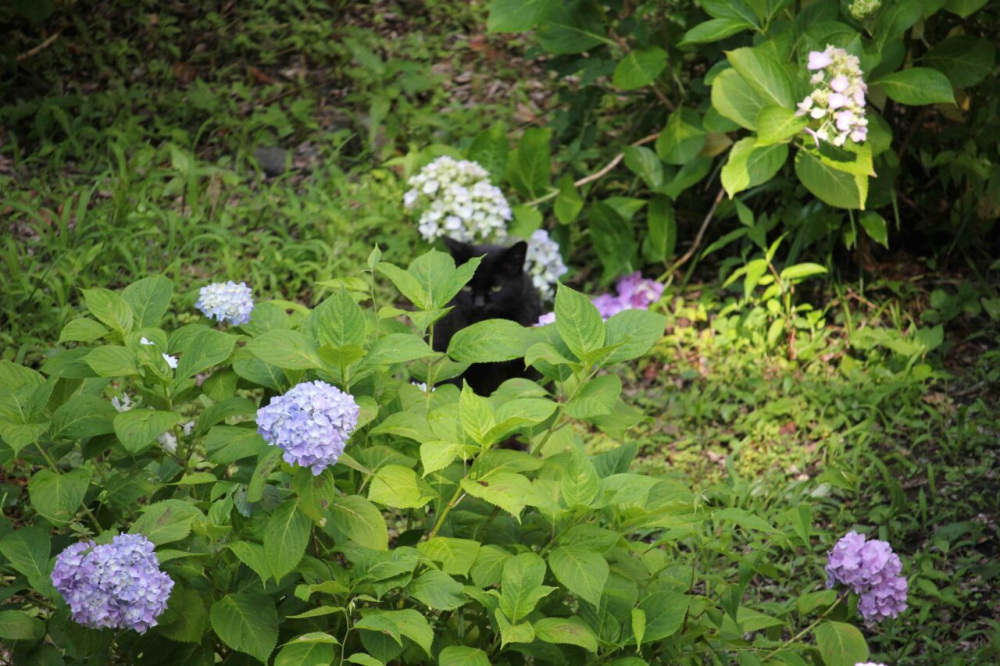
Vivid hydrangeas bloom throughout June, with around 170 plants clustered mainly around Tsuru-no-Tani on the castle’s west side.
It’s a soothing sight unique to the rainy season, well worth seeking out.
Autumn Foliage (Late November–Early December)
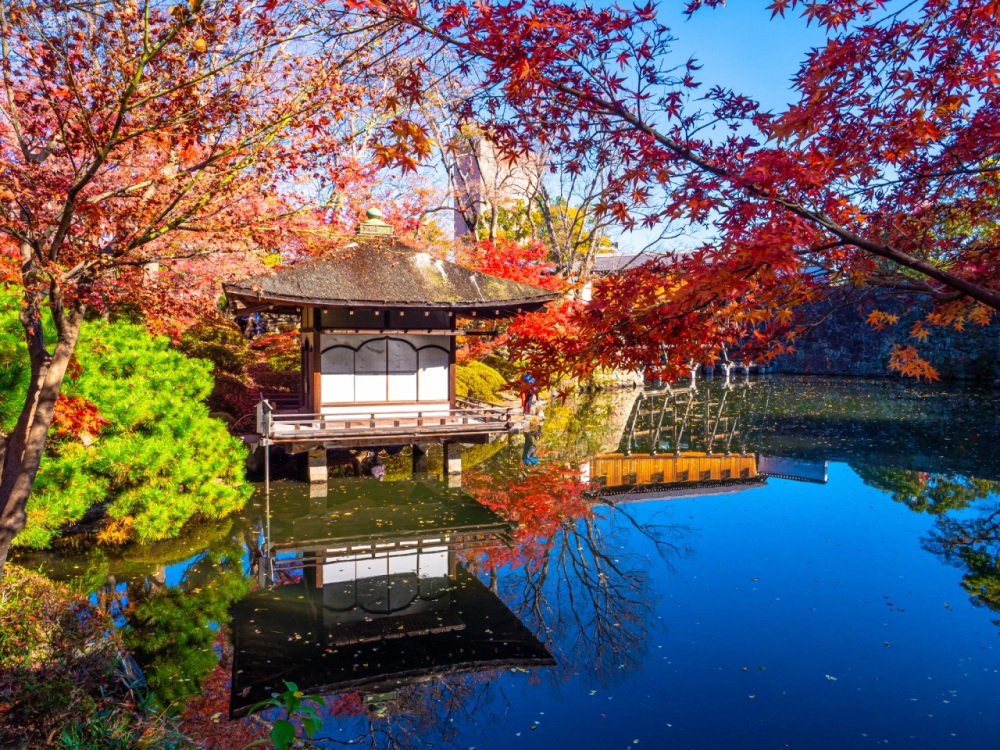
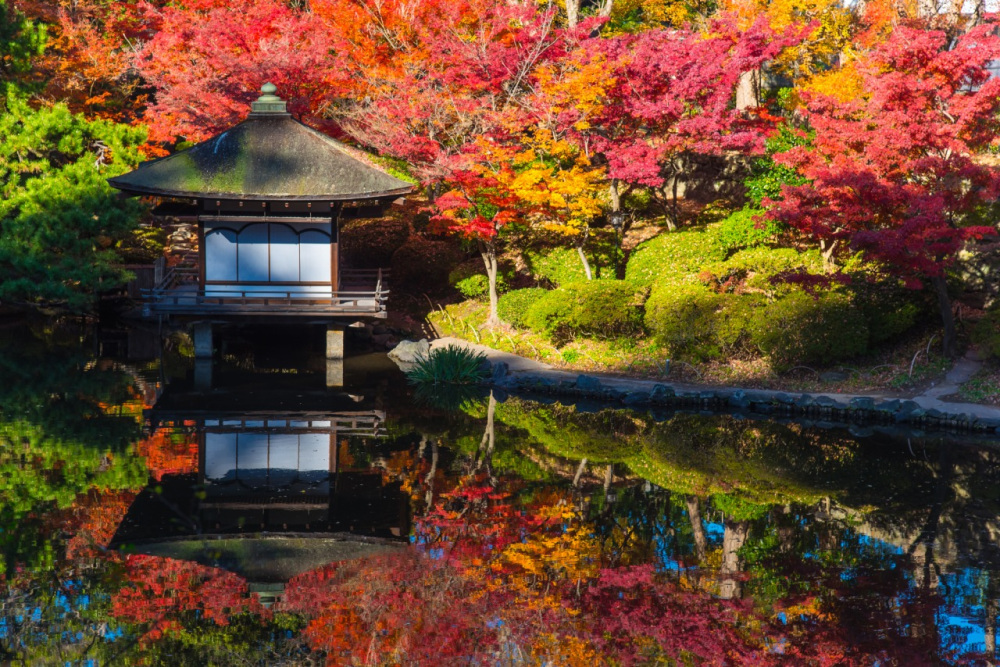
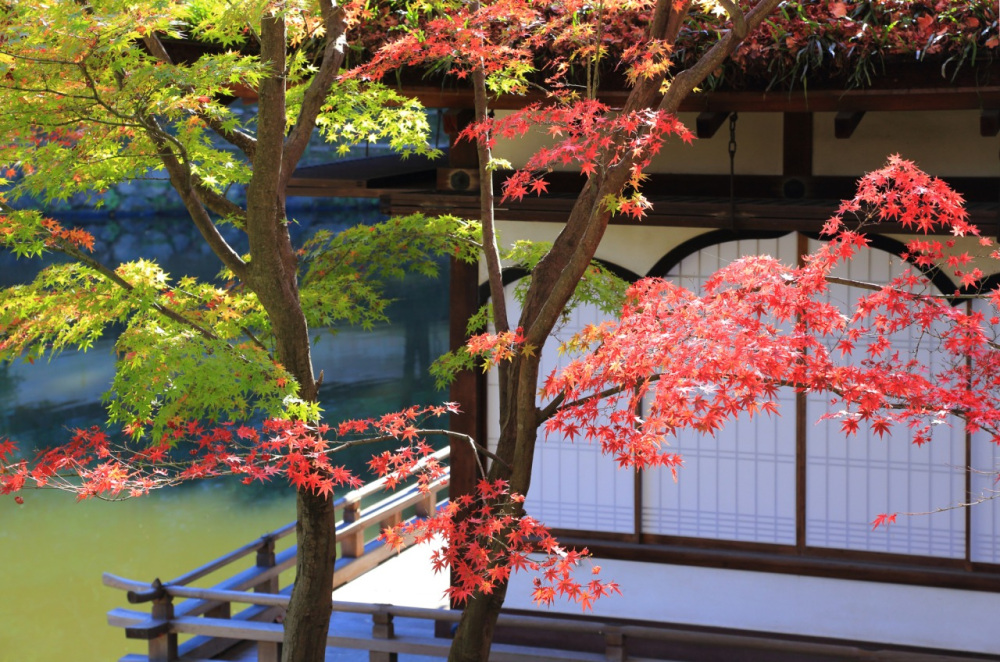
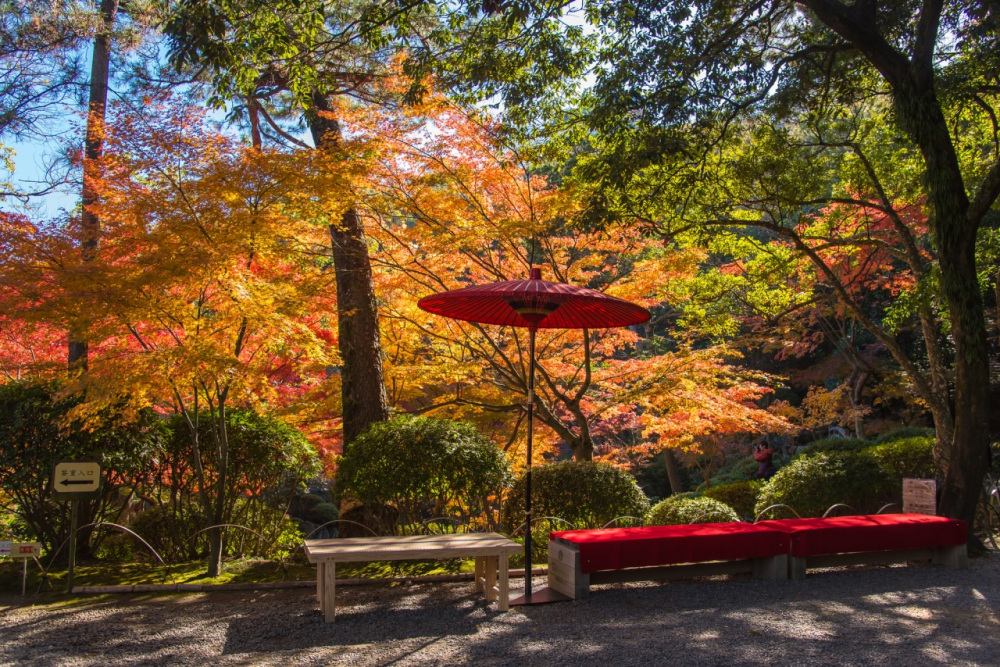
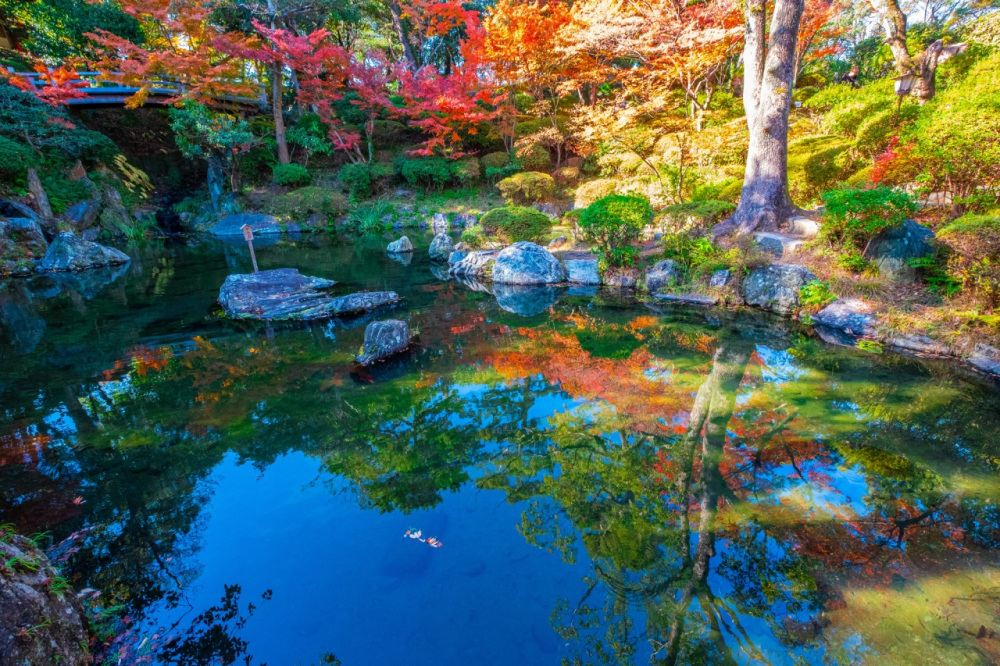
Autumn’s highlight is Nishinomaru Garden, also known as Momijidani, “Valley of Autumn Leaves.”
True to its name, the garden turns brilliant shades of red and gold.
Pair the view with matcha and traditional sweets at the Koshoan teahouse for a full taste of a Japanese autumn.
Winter Illumination (Mid-December–Late February)
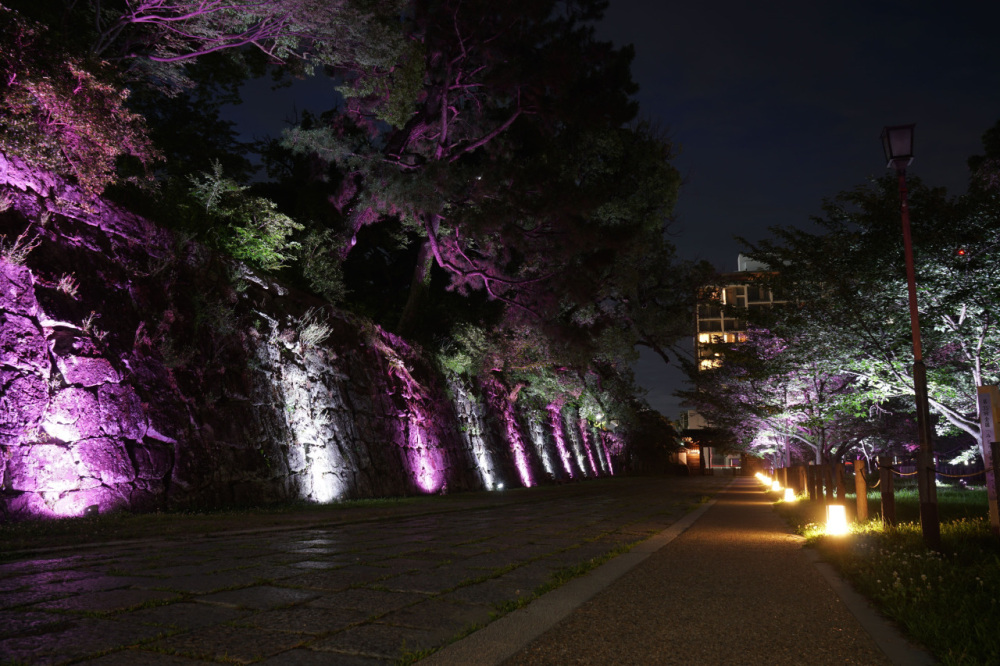
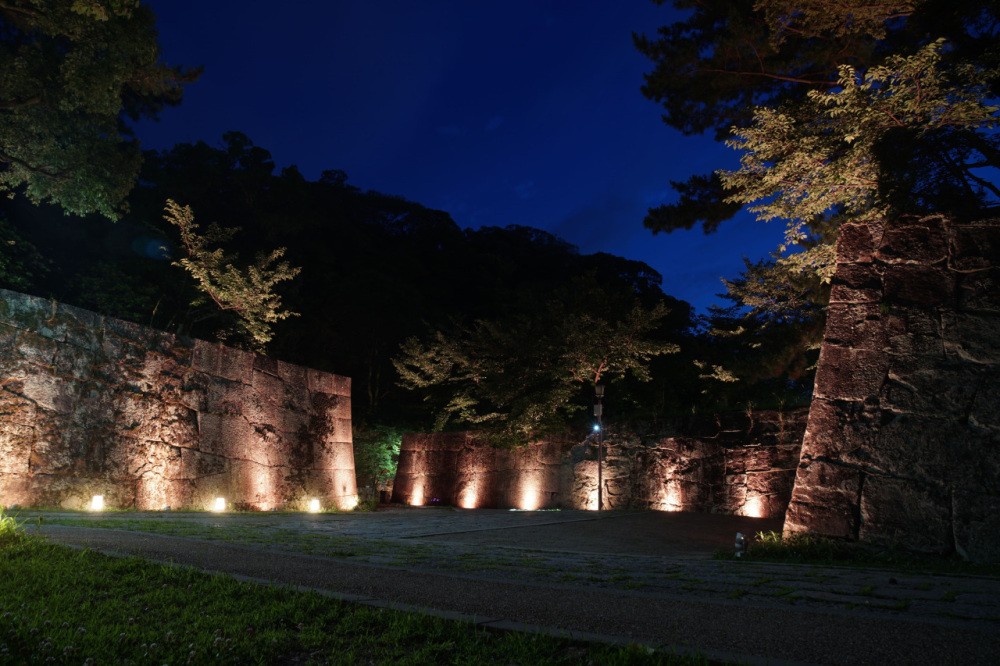
In the crisp winter air, Wakayama Castle takes on a dreamlike glow under illumination.
The stone walls and walking paths light up in vivid color, transforming the castle into a romantic setting for an evening stroll quite different from its daytime look.
Getting There: Access, Ticket Prices, and How Much Time to Plan
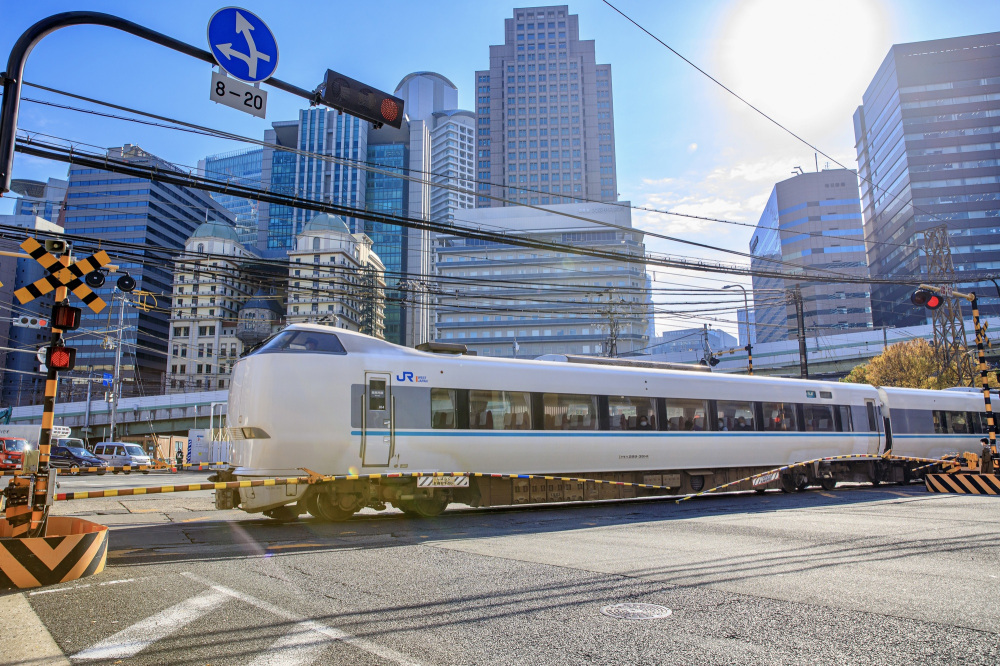
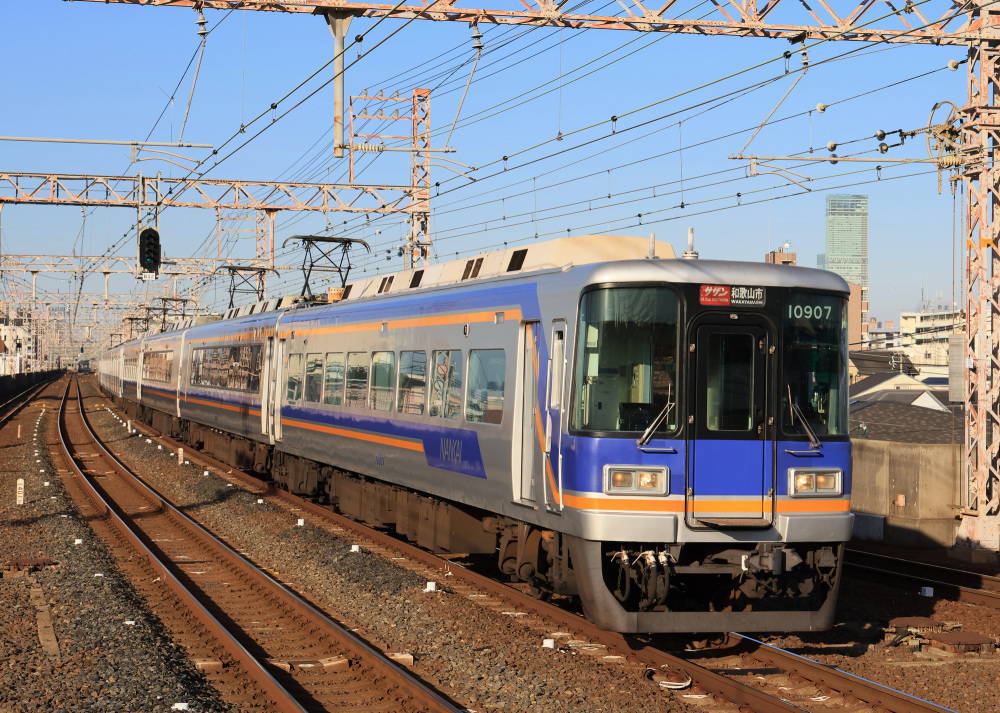
Travel Time from Major Areas
From Osaka: About 1 hour by train
From Kansai International Airport: About 40 minutes by train, or about 30 minutes by car
By Public Transportation
Take a Wakayama Bus from JR Wakayama Station or Nankai Wakayamashi Station, and get off at the Koen-mae bus stop, right by the entrance.
Main Keep Admission
Adults: ¥410
Elementary and junior high school students: ¥200
Main Keep Hours
9:00 a.m.–5:30 p.m. (last entry 5:00 p.m.)
Suggested Visit Length
About 1.5 to 3 hours"
Great Food Near Wakayama Castle
After exploring the castle, treat yourself to some local flavor!
Wakayama City, right at the castle’s doorstep, is packed with restaurants serving up dishes you won’t find anywhere else.
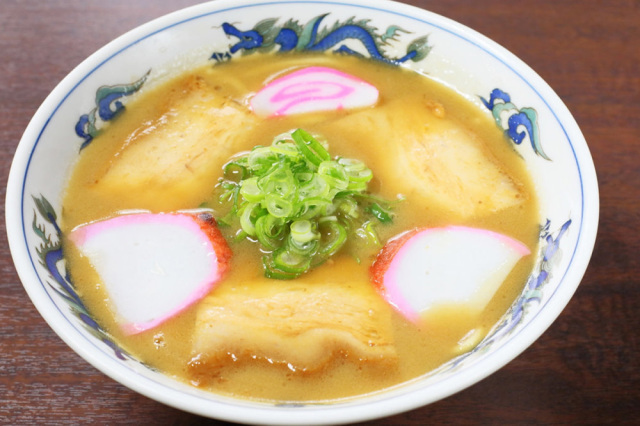
Wakayama ramen
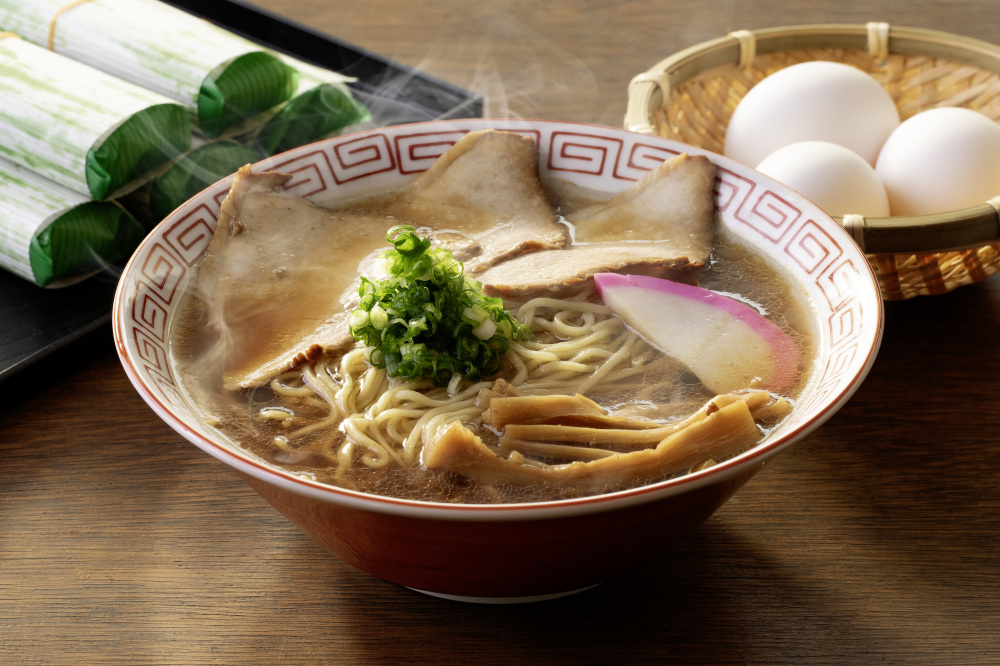
With a chicken or pork bone broth, Wakayama ramen comes with two types of soup: either a light, clear version called “shakomae-kei” or a rich, milky version called “ide-kei”. Back in the days when a tram system ran across Wakayama City, the tram lines were flanked by legions of ramen yatai (stalls). Such ramen stands, operating shakomae (“outside the tramcar garage”), were the originators of Wakayama ramen, thus it came to be called shakomae-kei ramen. Some have claimed that the ramen stall-lined streets of Wakayama were the birthplace of food stall centers in Japan. Since the demise of the tram network, restaurants were established throughout the city, serving every type of Wakayama ramen. Enjoy some Hayazushi, or pressed sushi with vinegared fish such as mackerel or a boiled egg with your ramen, then pay according to the honor system in most places.
- Yamatame Shokudo
- Established over 50 years ago, this restaurant has the appearance of old-fashioned public cafeteria. The hearty soup, created from slowly-simmered pork bones, has deep flavor. The medium-thickness noodles pick up the soup beautifully, which together with thick, juicy chashu pork slices, makes this a bowl to savor.
- EAT WAKAYAMA
- Maruman Ramen Kyuubanchou branch
- This pork-bone ramen shop takes pride in local ingredients and seasonings. Choose from three soup styles, and customize the flavor with ginger available at the table.
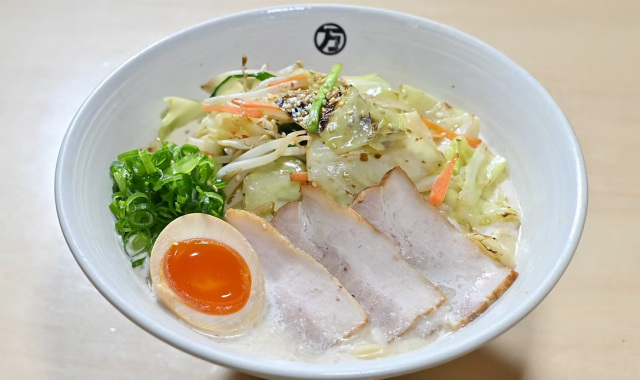
- EAT WAKAYAMA
- Marutaya Burakuri-cho branch
- The rich, flavorful broth and house-made chashu pork are outstanding, and pair perfectly with the Burakuri-cho location’s exclusive chirimen tsukudani rice, a topping of simmered baby sardines available only here.
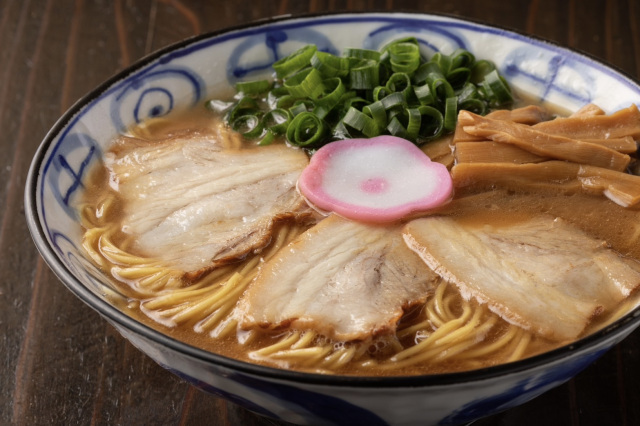
- EAT WAKAYAMA
Seafood
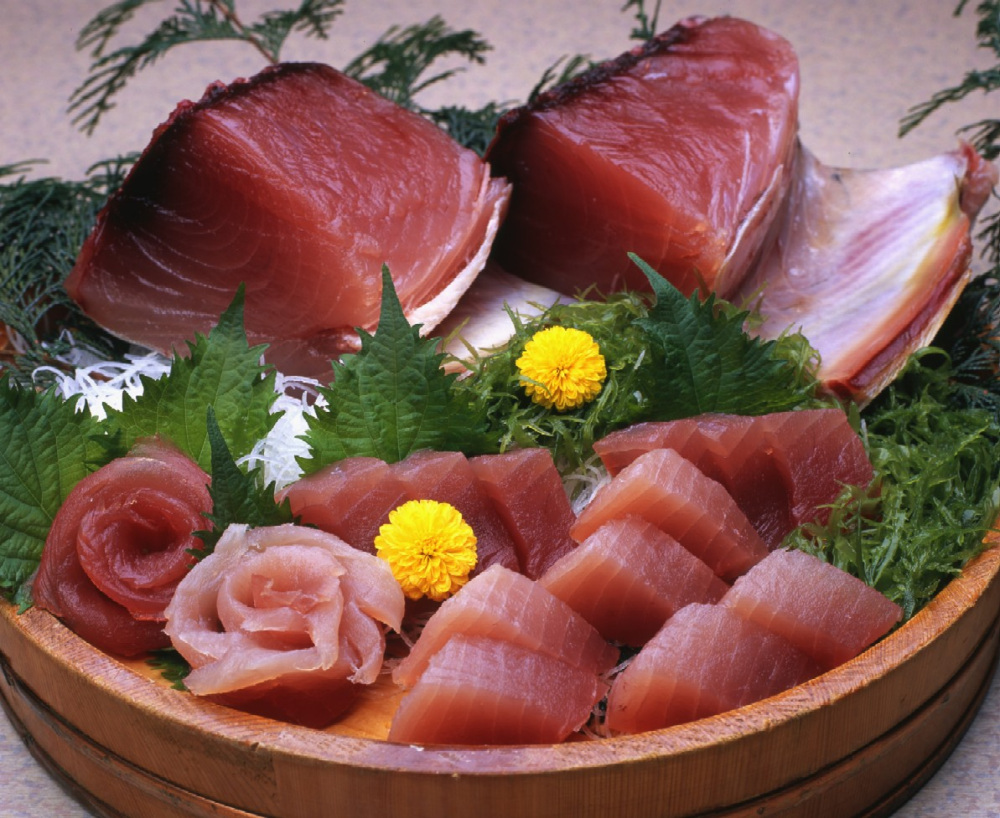
Facing the sea, Wakayama Prefecture is dotted with fishing ports throughout the prefecture, offering fresh and delicious fish throughout the year.
The fresh tuna from Nachikatsuura, which boasts the largest catch in Japan, is delivered alive without being frozen, making it extremely fresh! It is characterized by its springy texture and rich flavor. Enjoy sushi, sashimi, rice bowls, seafood hot pot courses, and other dishes of your choice.
If you visit in winter, you cannot miss the Kue hot pot. The largest kue grows to more than 1 meter in length and is also called the "fantastic fish". Its fatty white flesh is elegant and deep, and its gelatinous skin and fish giblets have a unique texture. Sashimi, aburi, and fillet sake are also must-try dishes!
In addition, enjoy the luxury of seafood such as swordfish, lobster, whitebait, bonito, and sea bream with a varied menu.
- Ottotto Hiroba, Wakaura Fishing Port
- Here you can buy the freshest fish and seafood that this port is known for such as whitebait (the “Wakashirasu” for which Wakaura Bay is famed), clams, green tiger prawns, processed seafood products and more. The fresh sashimi and side dishes prepared by the fishmongers are to die for.
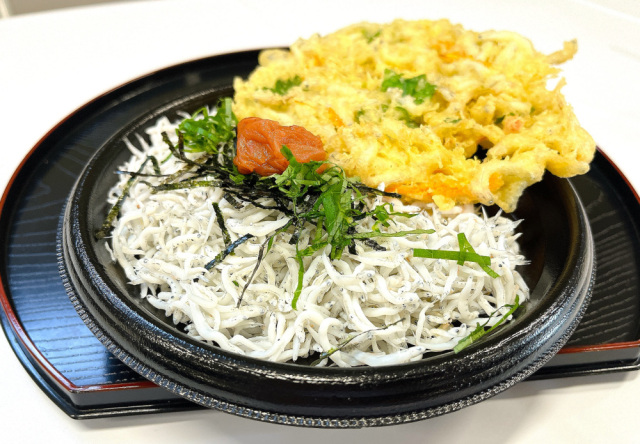
- View more
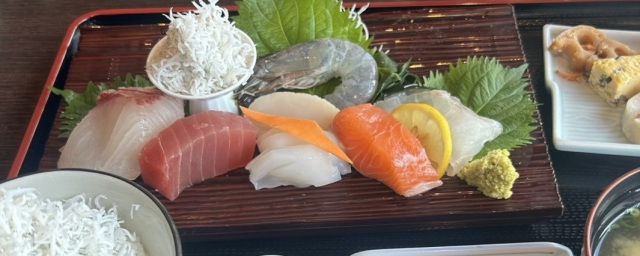
- Wakaura Shokudou
- Set in a spot with sweeping ocean views, this restaurant serves set meals and rice bowls piled high with fresh, local seafood.
- EAT WAKAYAMA
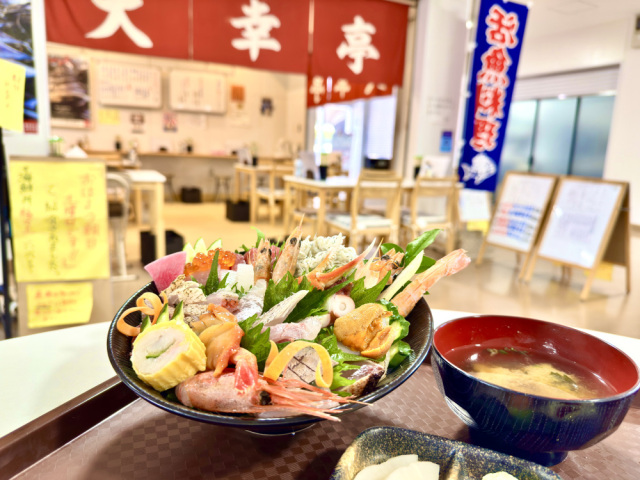
- Taiko Tei – Wakayama Marche branch
- One place drawing attention is Taiko Tei, a restaurant serving fresh seafood cuisine. At lunchtime, the (Special) Seafood Bowl heaped with over 20 types of seafood including tuna, bonito, sea urchin, prawns and crab is highly recommended. The set lunches that change according to the daily catch and the season are also an excellent choice, such as the Kishu Kenken Seared Bonito Set and the Wild-caught Snapper Sashimi Set. On weekdays, the Five-sashimi Set is also a great choice.
- View more
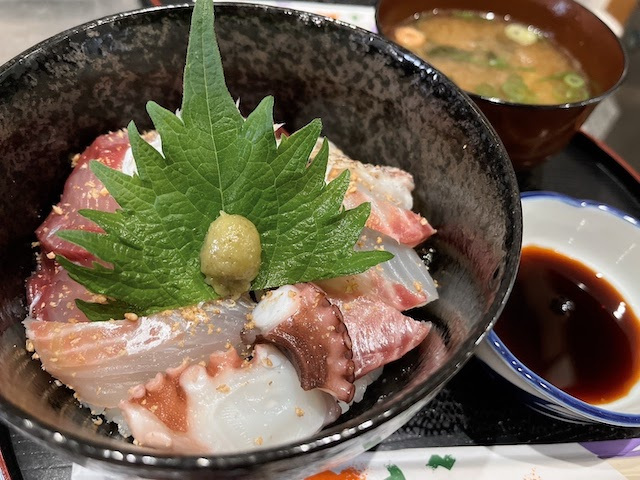
- Ebisuya
- This restaurant serves fresh seafood from Kada, a port town known for traditional pole-and-line fishing. Don’t miss the seafood rice bowl, the most popular item on the menu and a must-order.
- EAT WAKAYAMA
Wakayama’s Premium Wagyu Brands

Kumano beef, one of Wakayama’s finest brands of wagyu, and Kishu Wakaushi, with its tender, richly flavored lean meat, are also not to be missed.
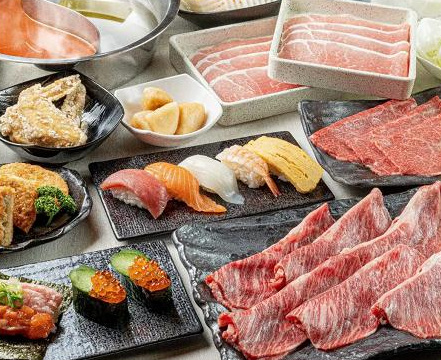
- Kishu Wakaushi Kenkyujo
- This specialty restaurant serves Wakayama’s newer brand of beef, Kishu Wakaushi, across a wide range of dishes. Expect tender lean cuts packed with rich, concentrated flavor.
- EAT WAKAYAMA
- Sumibi Yakiniku Nanohana
- Enjoy top-quality Kumano beef in a relaxed setting, with only carefully selected cuts served alongside seasonal local ingredients.
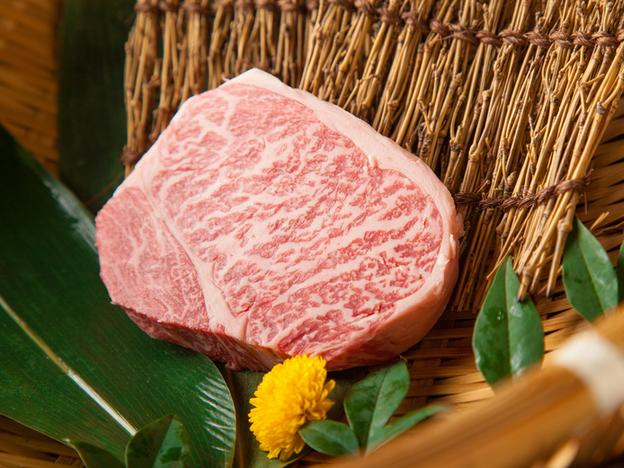
- EAT WAKAYAMA
- Karubi Ittyo
- With a wide selection of course menus, this restaurant lets you sample both Kumano beef and Kishu Wakaushi, two of Wakayama’s finest varieties of beef, in one sitting.
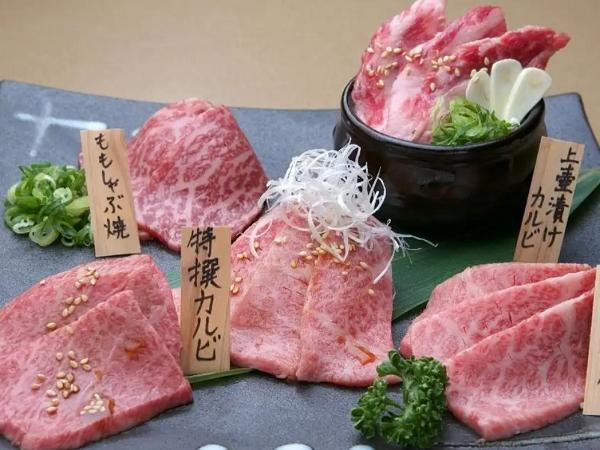
- EAT WAKAYAMA
Nearby Attractions Worth Combining with Your Castle Visit
The area around Wakayama Castle is packed with things to see, from spots within walking distance to scenic destinations and memorable experiences a little farther out. Combining these with a visit to the castle makes for an even more rewarding trip to Wakayama.
- Wakayama Prefectural Museum
- Learn about the history and culture of Wakayama going back 30,000 years at the Wakayama Prefectural Museum. It is conveniently l…
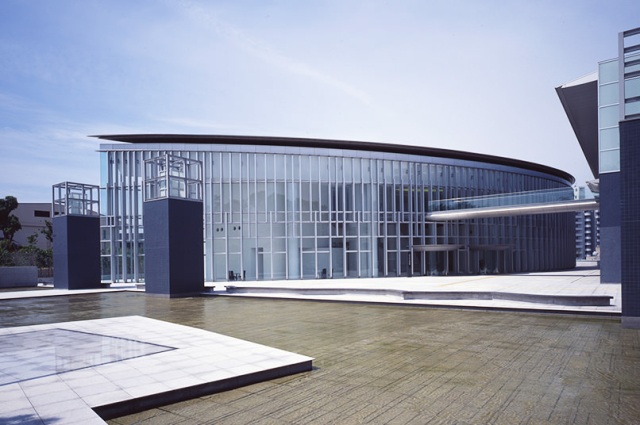
- View more
- The Museum of Modern Art Wakayama
- The Museum of Modern Art features modern and contemporary artworks by Japanese and overseas artists. The extensive collection ha…
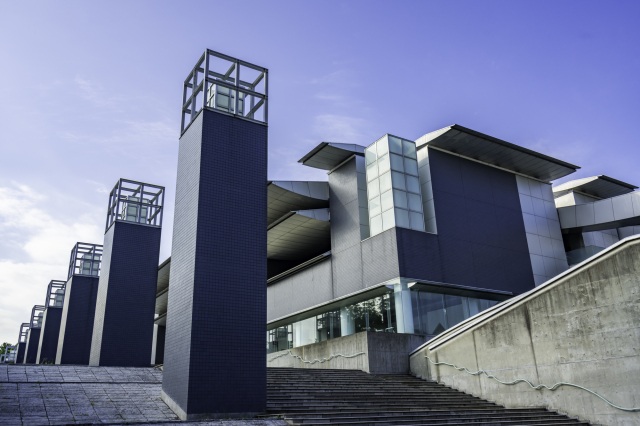
- View more
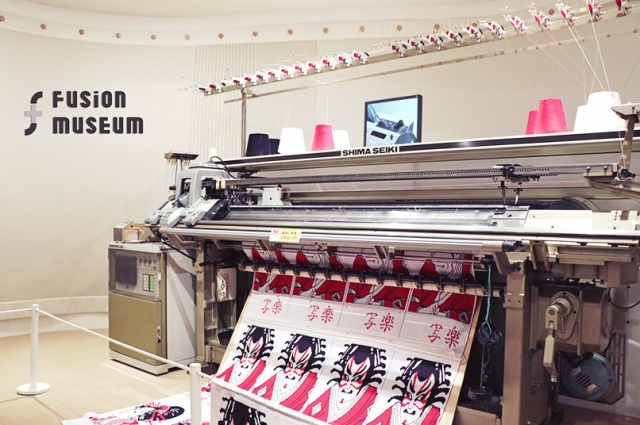
- Fusion Museum
- Celebrating Wakayama’s commercial knitting heritage, this unique museum, where you can even knit your own scarf on a bicyc…
- View more
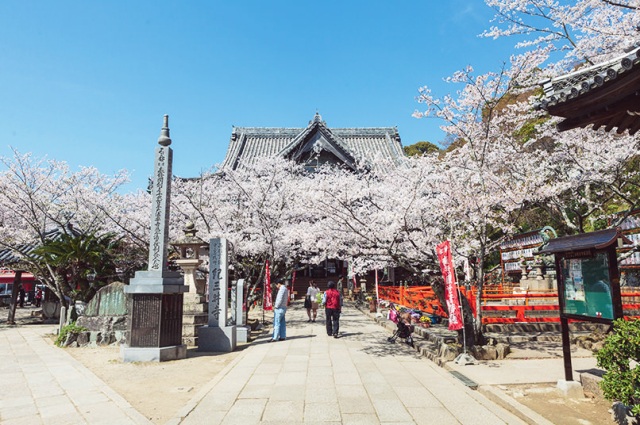
- Kimii-dera Temple
- This temple is said to have been founded by a Chinese monk in the year 770 and was a place to pray for the prosperity of the Tok…
- View more
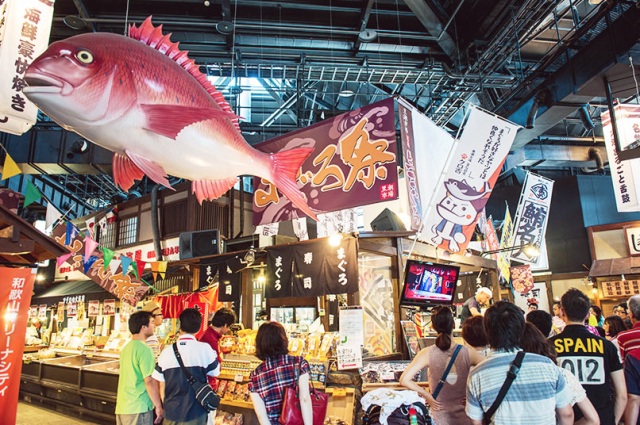
- Kuroshio Market
- Kuroshio Market is located in Marina City, where tuna cutting shows are held three times a day. Watch in awe as a giant tuna is …
- View more
Visitor Information and Maps
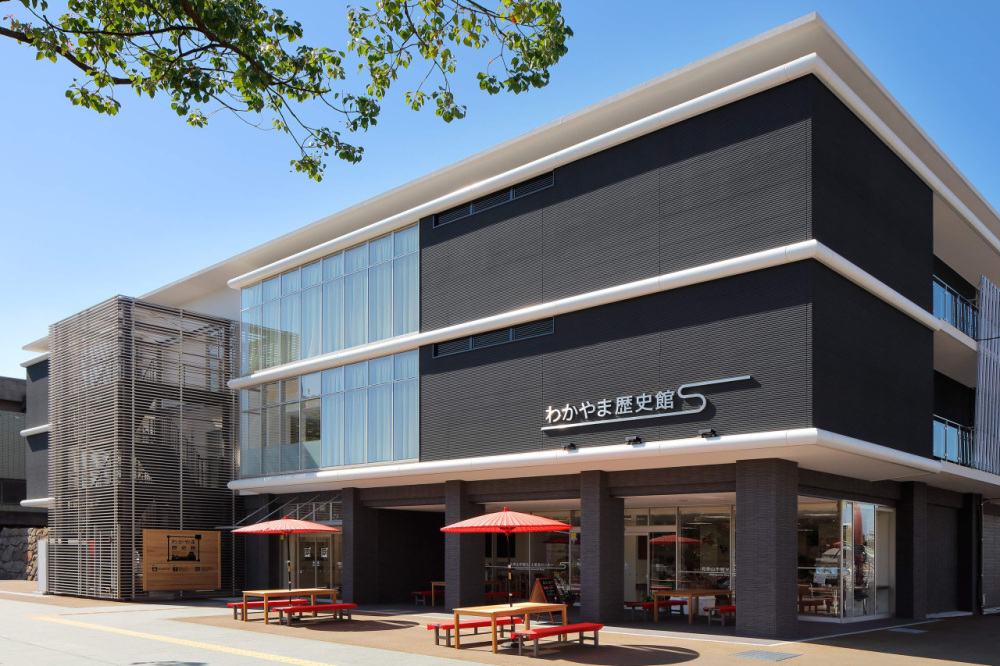
If it’s your first visit, stop by the Wakayama City Tourist Information Center (Wakayama Castle) inside the grounds. Beyond handing out pamphlets, the staff can help you plan a route and point you toward souvenirs. To plan ahead, download the official Wakayama Castle guide map before you go. It’s a great way to keep the map on hand on your phone at all times.
Related articles
Places to Stay Nearby

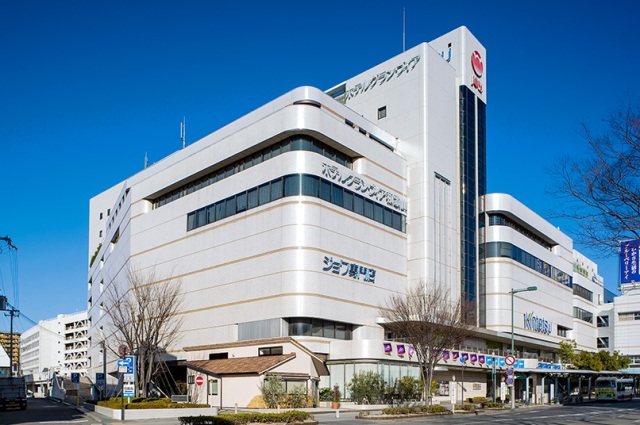
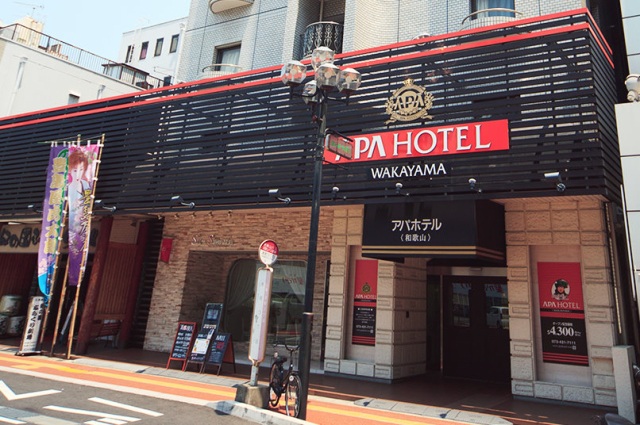
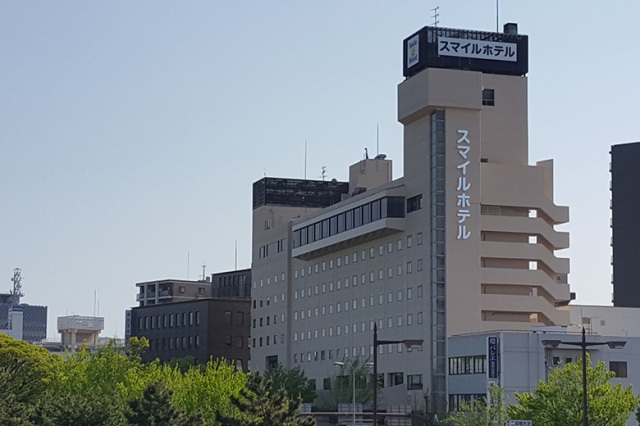
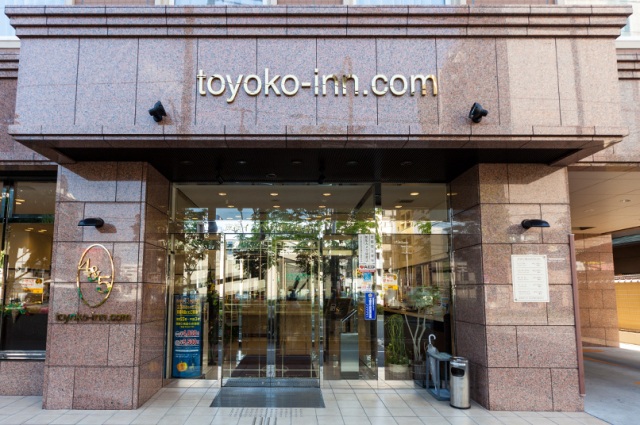
Worth an Extra Night: 3 Areas to Explore Further
Koyasan area
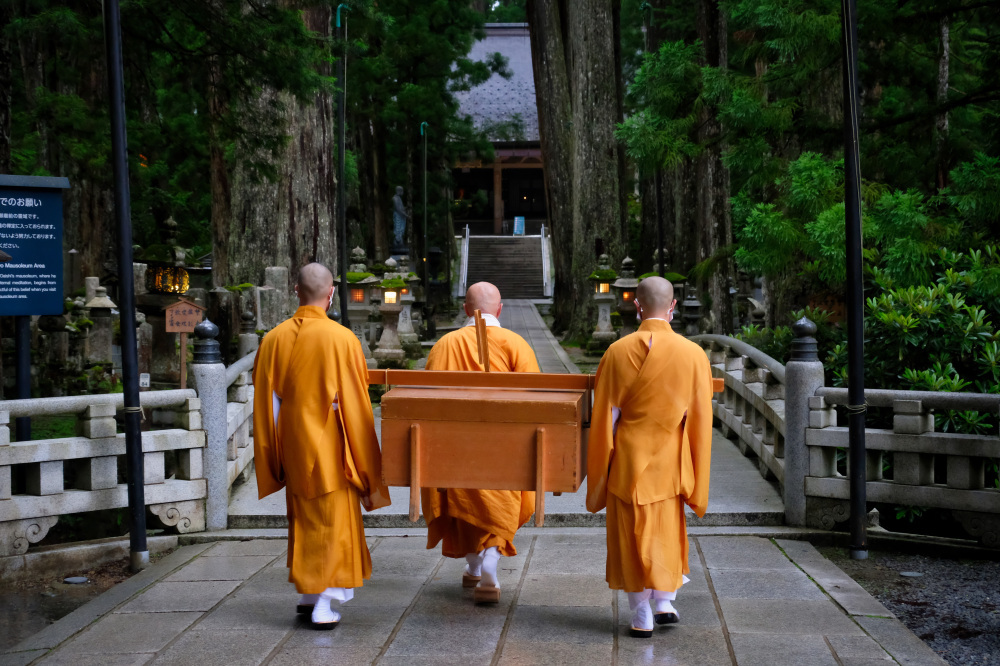
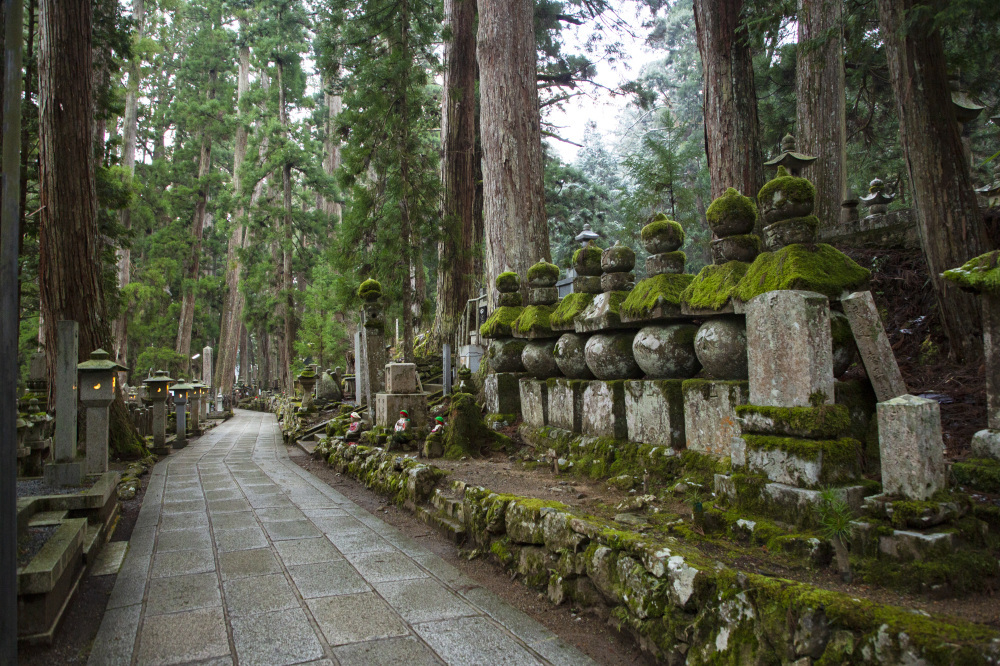
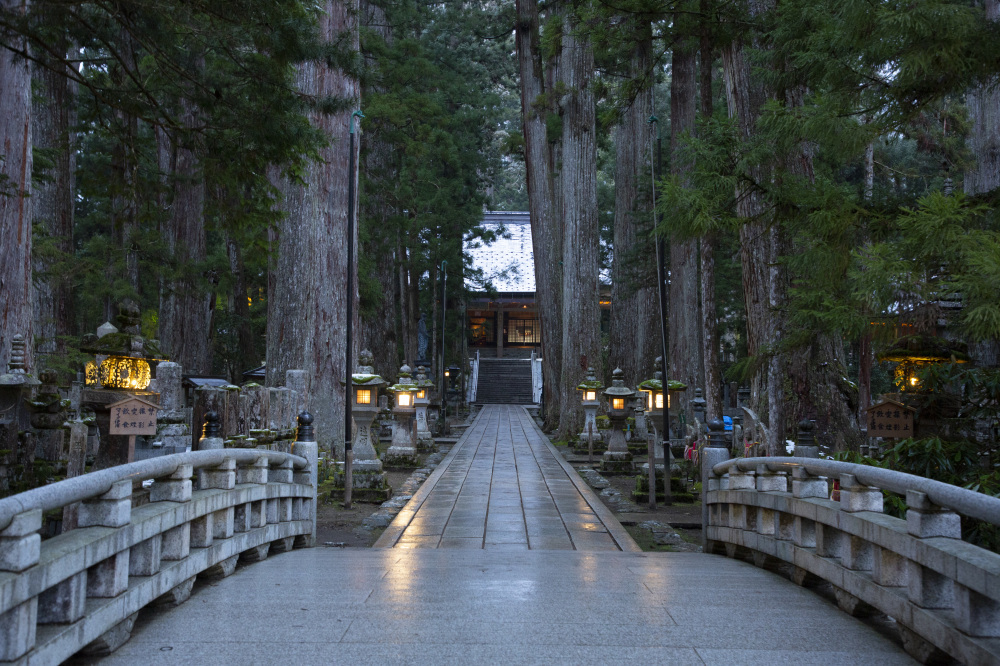
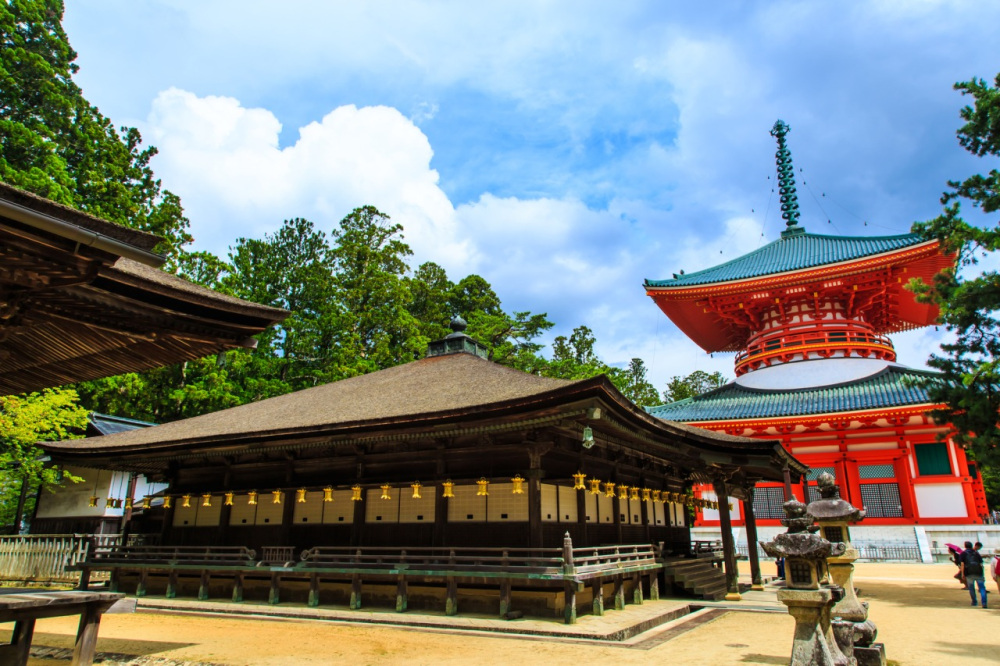
Perched some 800 meters up in the mountains, Koyasan is a sacred site with over 1,200 years of history, and the entire town is registered as a UNESCO World Heritage Site. Stay overnight at a temple lodging, where you can also try shojin ryori, traditional Buddhist vegetarian cuisine, and sutra copying. Don’t miss the mystical two-kilometer approach to Okuno-in, the mausoleum of Kobo Daishi, the monk who founded Koyasan. Spend an extra night here for a deeply peaceful, meditative escape.
Kumano Kodo Pilgrimage Routes
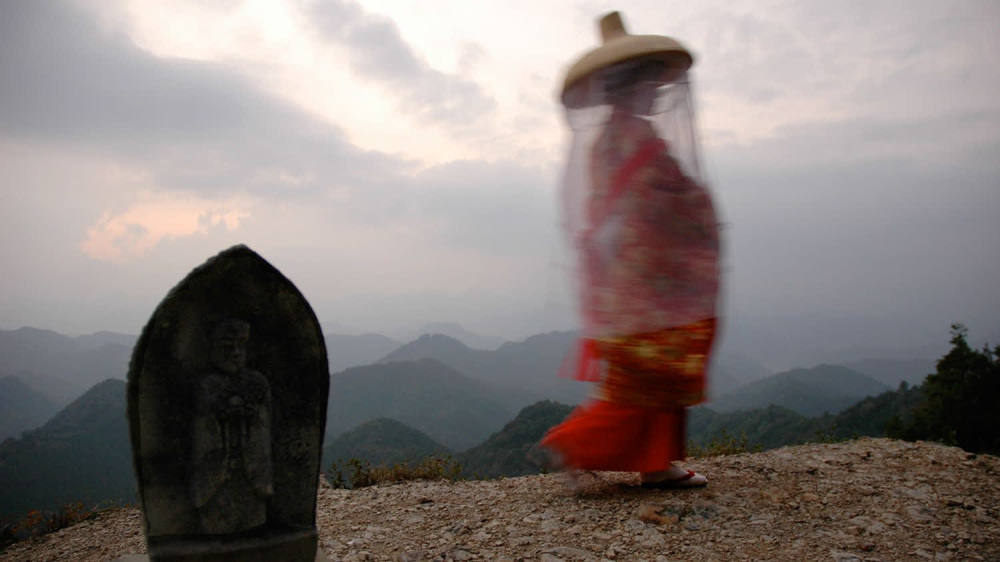
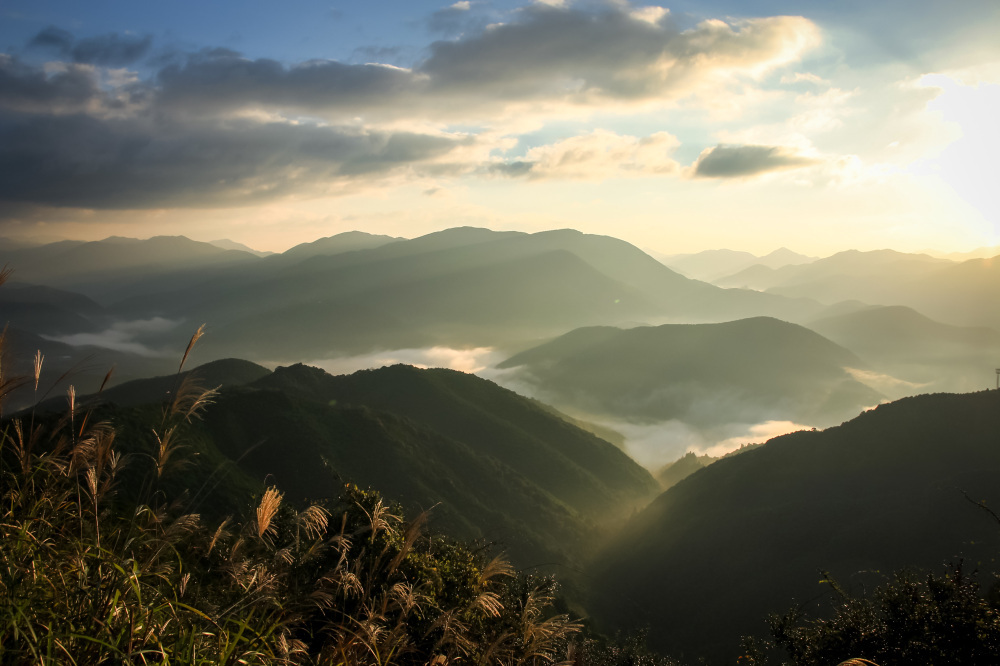
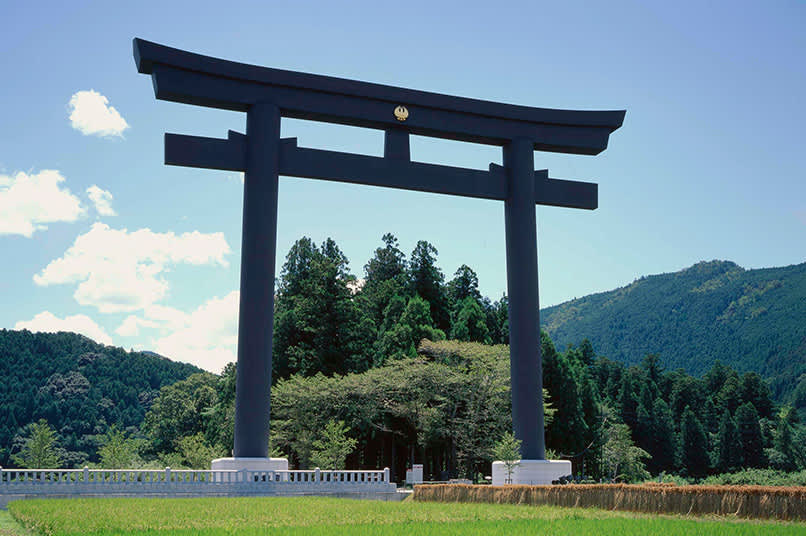
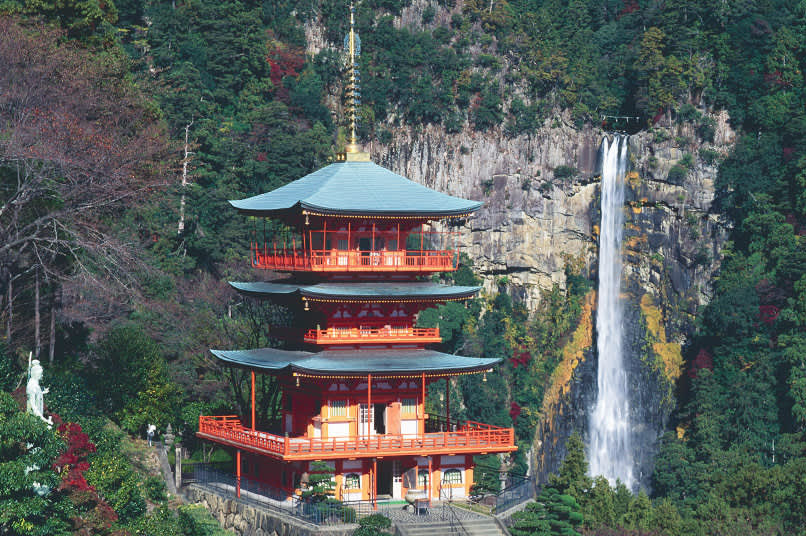
The Kumano Kodo is a UNESCO World Heritage pilgrimage route that has drawn everyone from imperial nobility to ordinary travelers for centuries. These trails lead through pristine wilderness to Kumano Sanzan, a trio of sacred shrines, letting you leave the noise of the city behind and take in a deep, restorative sense of calm. With multiple routes available, you could try tackling more than one for a journey steeped in history and nature alike.
Shirahama-Kushimoto area
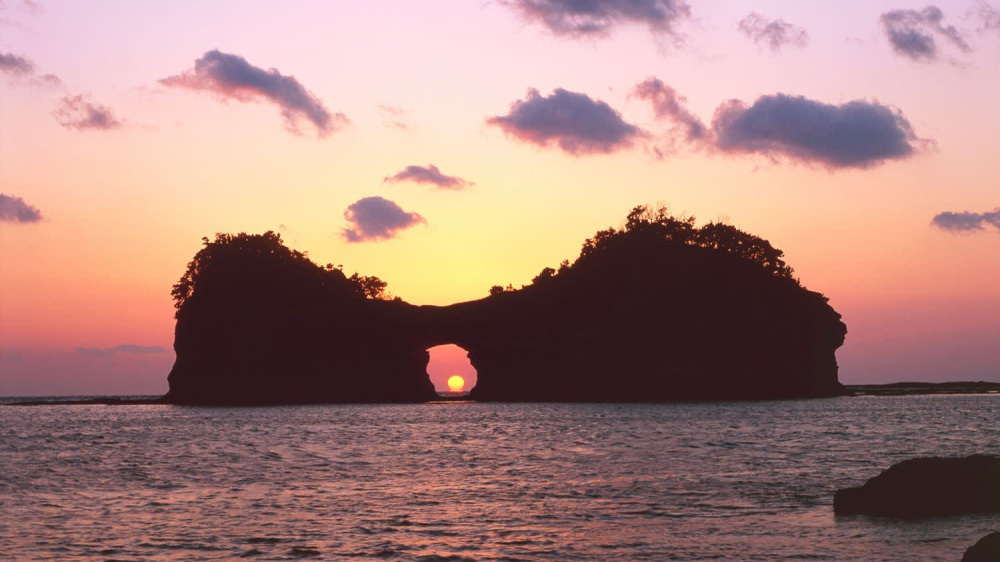
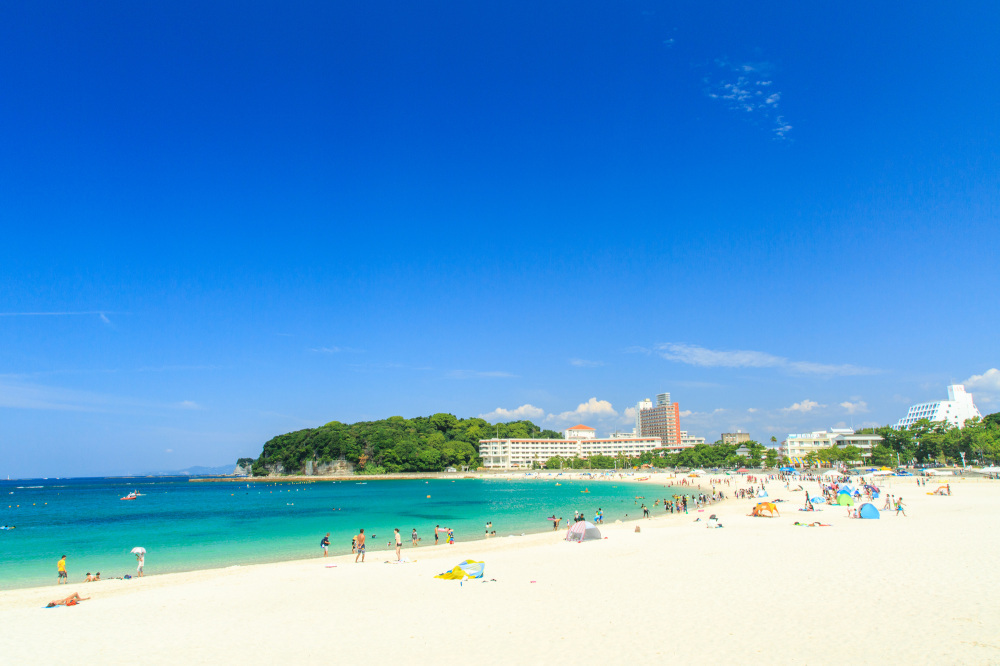
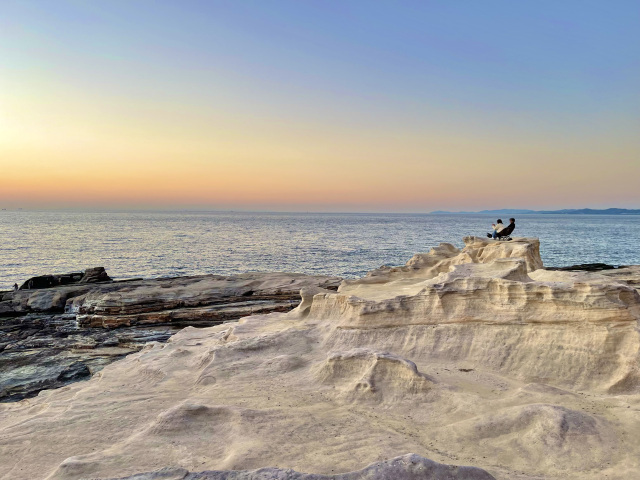
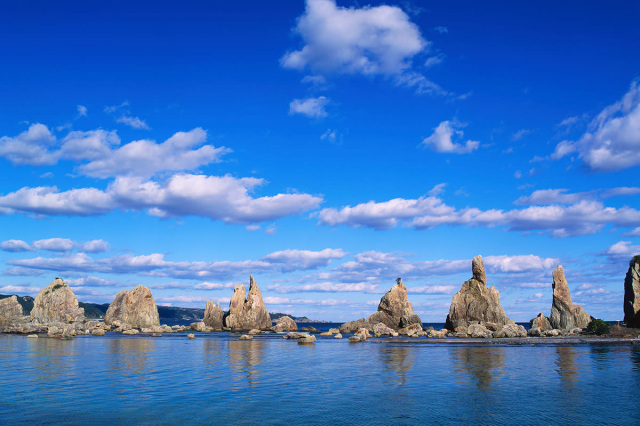
With clear blue seas and white sand beaches, this is one of the Kansai region’s premier resort areas. Unwind at Shirahama Onsen, one of Japan’s oldest hot spring resorts, and take in its stunning sunsets, or head to Kushimoto, the southernmost point of Honshu, to see the dramatic rock formations of Hashigui-iwa. Drive along the scenic coastline, try some outdoor activities, and treat yourself to a truly refreshing getaway.
In Closing
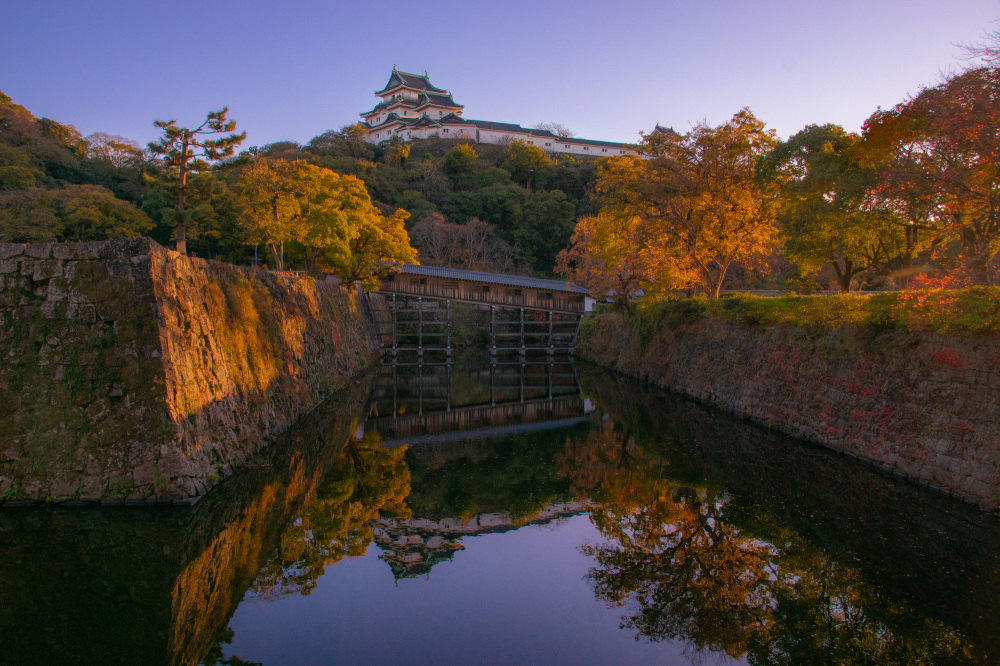
Wakayama Castle, the city’s iconic landmark, packs history, nature, a zoo, and great food into one unmissable destination.
Once you’ve explored the castle, branch out to nearby restaurants and attractions, or extend your trip to nearby hot springs and sacred sites for an even richer experience. Plan your own custom route around Wakayama, and set off on a trip to remember.
Map of Featured Spots
- Wakayama Castle
- Yamatame Shokudo
- Maruman Ramen Kyuubanchou branch
- Marutaya Burakuri-cho branch
- Ottotto Hiroba, Wakaura Fishing Port
- Wakaura Shokudou
- Taiko Tei – Wakayama Marche branch
- Ebisuya
- Kishu Wakaushi Kenkyujo
- Sumibi Yakiniku Nanohana
- Karubi Ittyo
- Wakayama Prefectural Museum
- The Museum of Modern Art Wakayama
- Fusion Museum
- Kimii-dera Temple
- Kuroshio Market
- Daiwa Roynet Hotel Wakayma
- Hotel Granvia Wakayama
- APA Hotel Wakayama
- Smile Hotel Wakayama
- Toyoko Inn JR Wakayama-eki Higashi-guchi
*GoogleMap is posted using the free tier, which has a limited number of display times. Please note that depending on the situation, there may be periods when you cannot view the site.