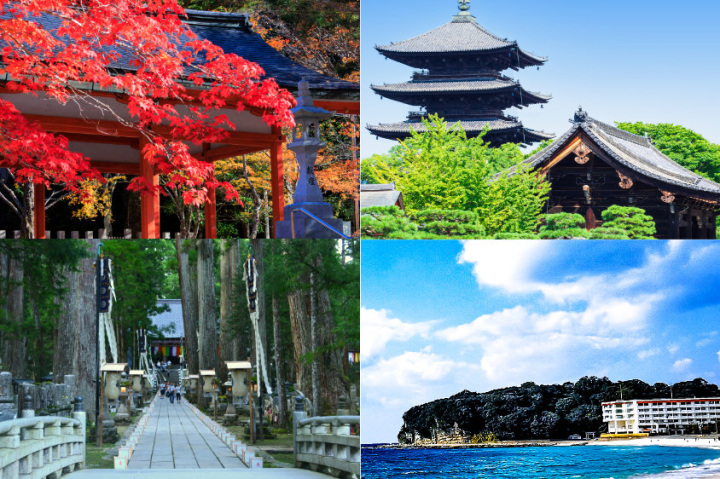
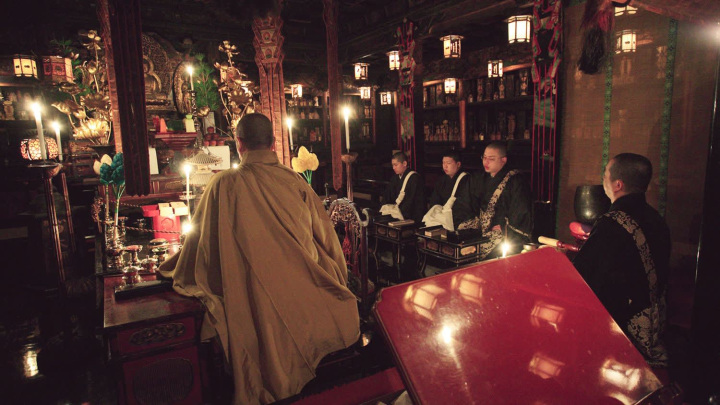
From Ise Jingu to the Kumano Kodo trail! Tour Japan’s most sacred sites – 2N/3D trip to Kumano Sanzan
- Spring
- Summer
- Autumn
- Winter
- Time
- 2N/3D
- Transportation
- Car, bus, on foot
We are pleased to introduce a tour plan that will fully immerse you in history and nature: a journey from Ise Jingu, the grand shrine complex that is one of Shinto's holiest sites, to Kumano Sanzan. Find spiritual purity at Ise Jingu on the first day, then take in the grand shrines of Kumano Nachi Taisha, Kumano Hayatama Taisha and Kumano Hongu Taisha on Day 2. Walk the World Heritage Kumano Kodo trail, recharging at sacred locations dotted along the way. Stay at Nanki-Katsuura Onsen Village and Kumano Hongu Onsen. Indulge in fresh Wakayama seafood and regional cuisine, unwind in a steaming hot spring to relieve any travel fatigue.
Iseshi Station
Gateway to Ise Jingu (a pilgrimage to Ise)
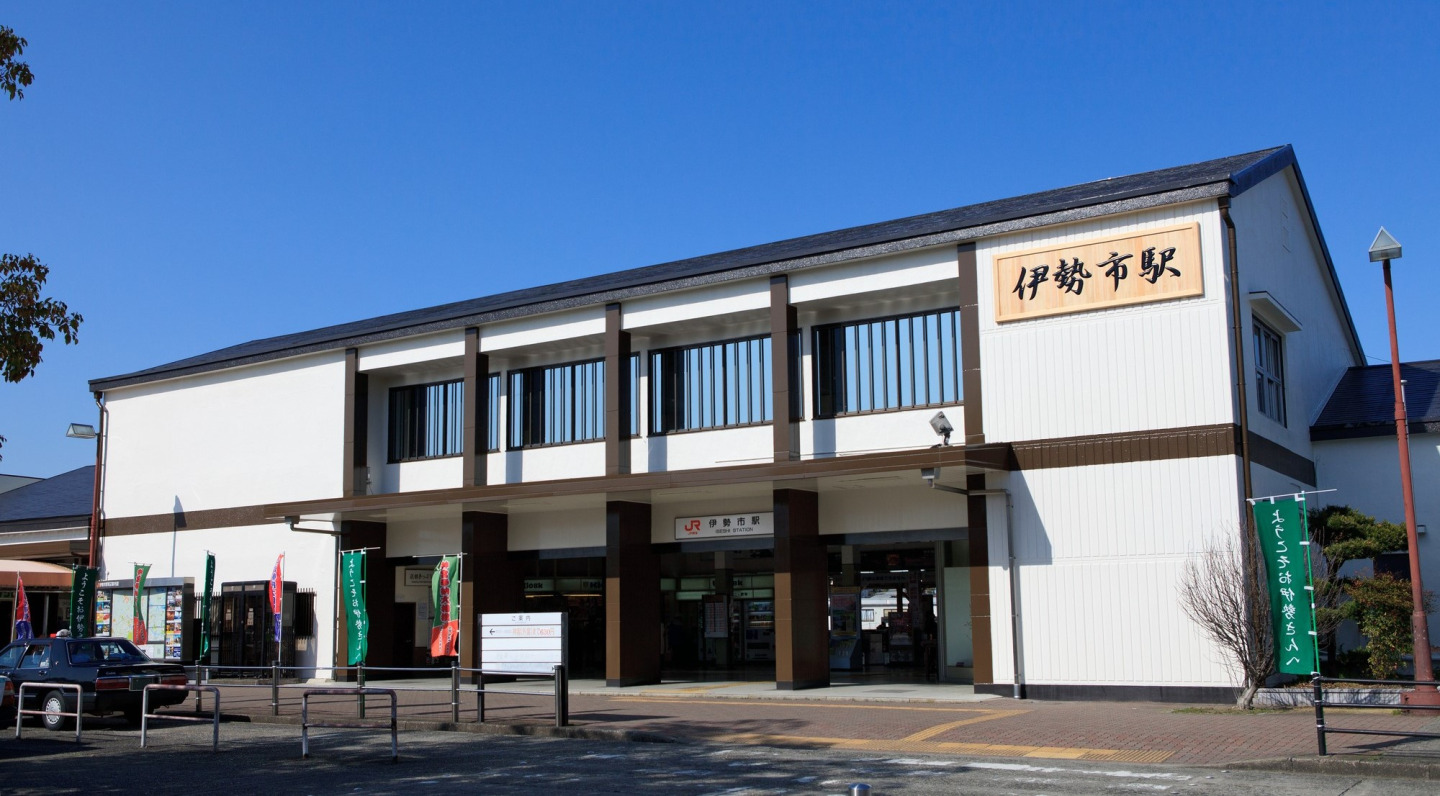
The station building design creates a traditional Japanese atmosphere well suited to its status as the gateway to Ise Jingu. If renting a car, it is best to make an advance booking for pickup at this station or nearby Kintetsu Ujiyamada Station.
Ise Jingu Geku (Toyo’ukedaijingu)
A visit to Ise Jingu starts from the outer shrine
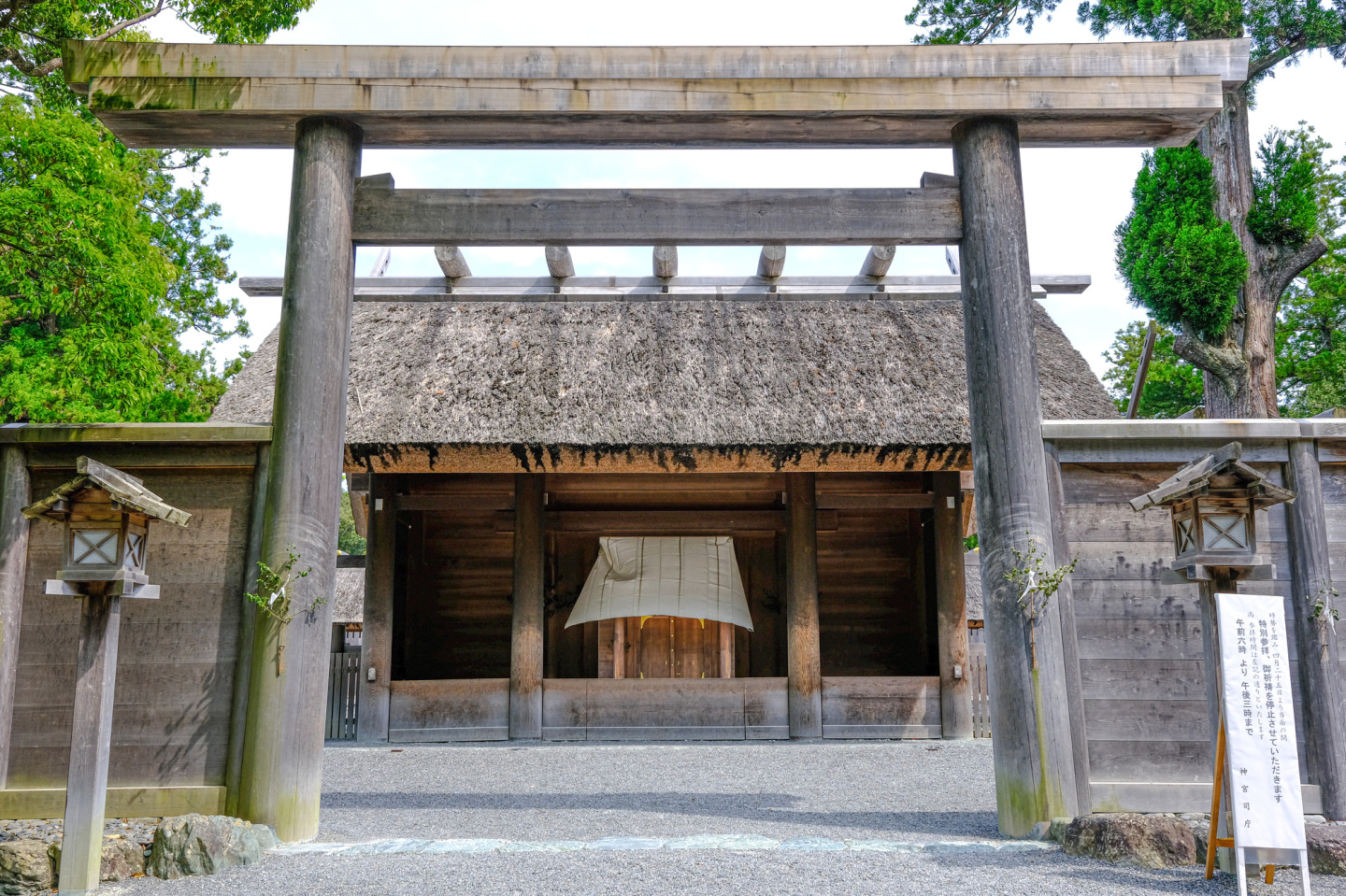
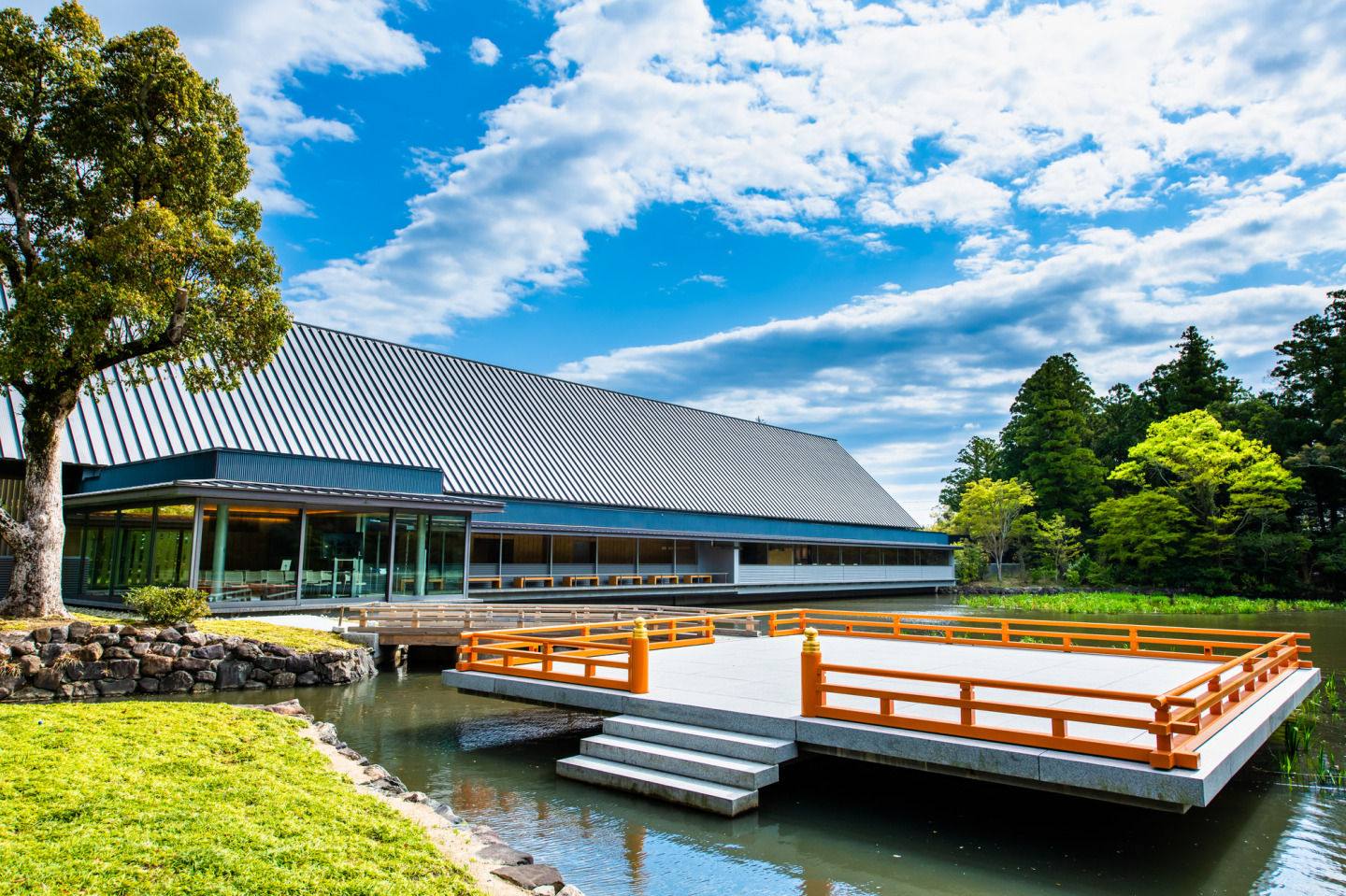
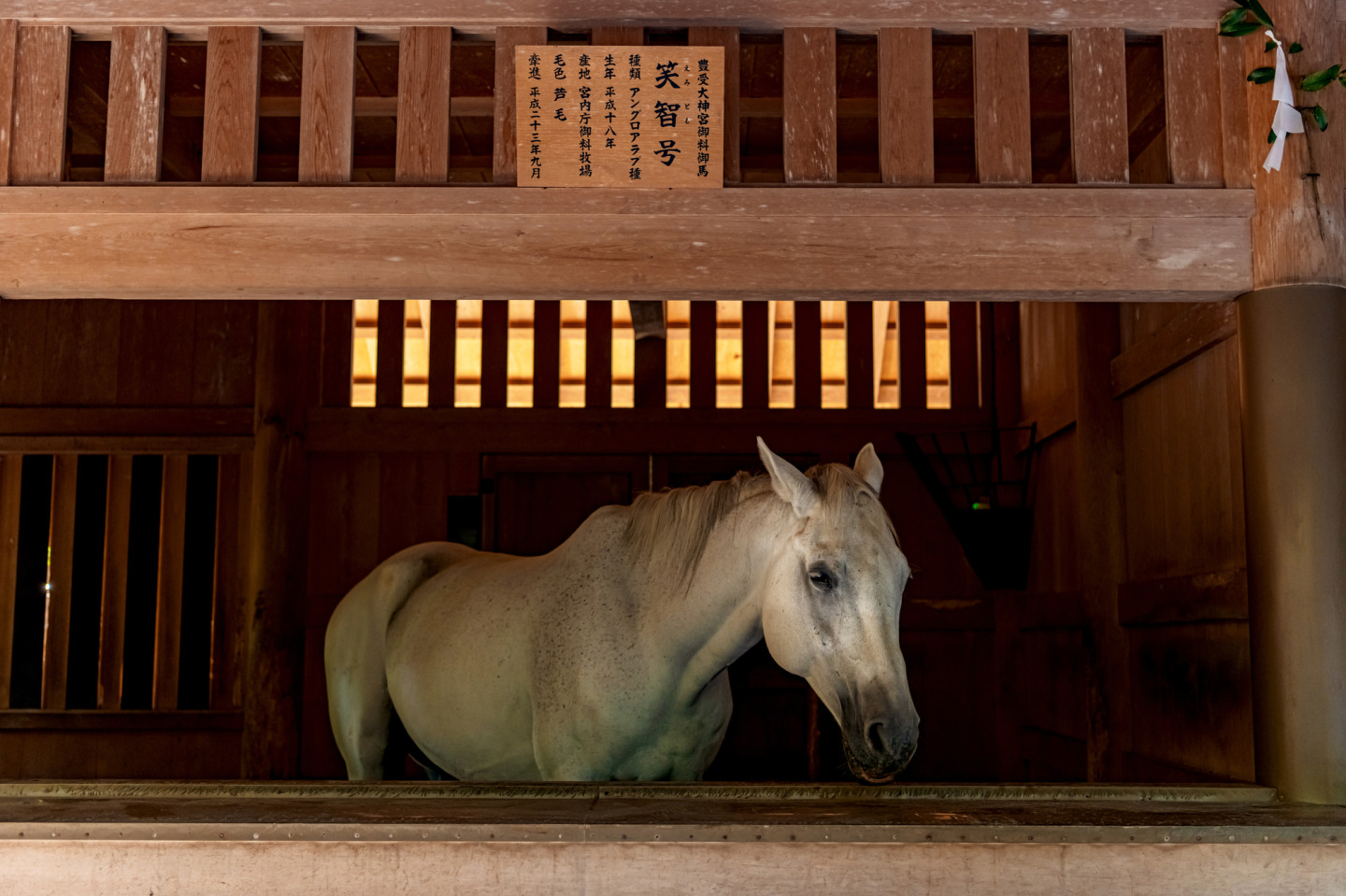
Ise Jingu is a magnificent complex of 125 shrines, and is officially referred to as “jingu”. The “geku” outer shrine is Toyo’uke-daijingu, which enshrines Toyo’uke-no-Omikami, guardian deity of clothing, food, housing and industry who is also the provider of companionship and sacred foods to the goddess of the sun, Amaterasu-Omikami. Also stroll the three annexes and museums of the shrine complex.
- Address
- 三重県伊勢市豊川町279
Ise Jingu Naiku (Kotaijingu)
The “heart of the Japanese people” with 2,000 years of history
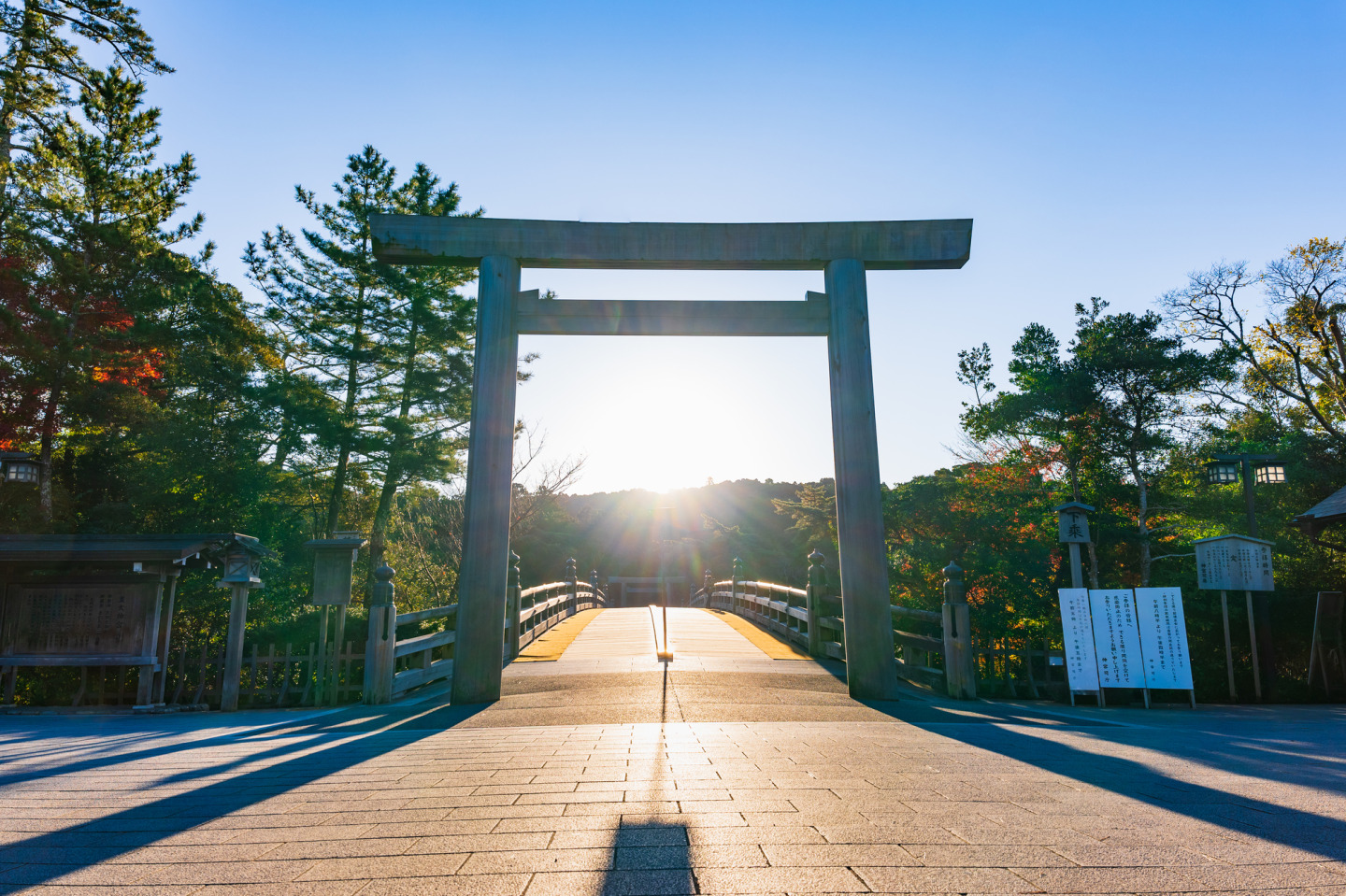

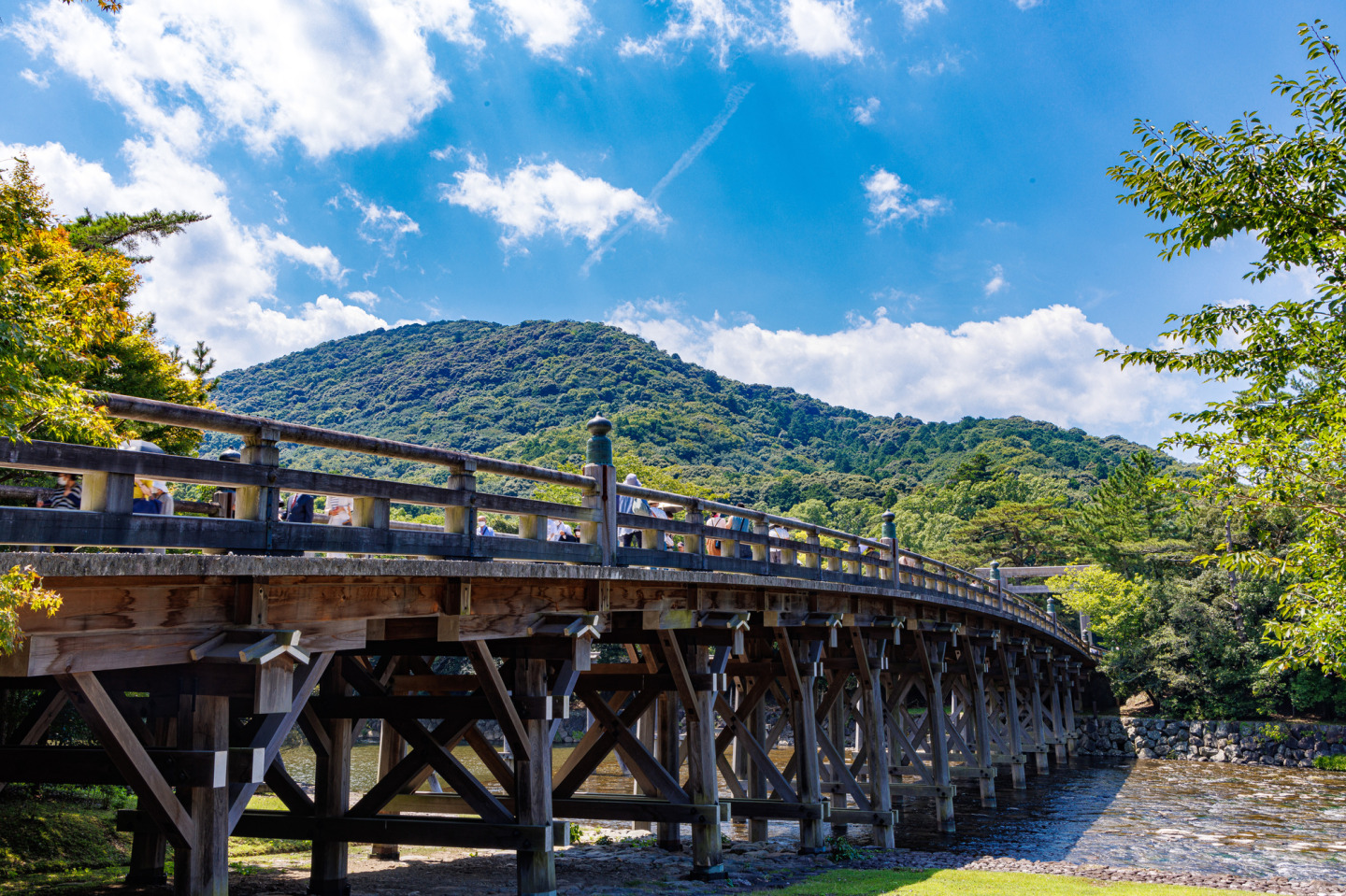
Across Uji Bridge awaits a sacred sanctuary. Naiku (Kotaijingu), dedicated to Amaterasu-Omikami, goddess of the sun, sits resplendent on a vast, thickly-forested site. Walking through this beautiful landscape cleanses the mind and refreshes the spirit.
- Address
- 三重県伊勢市宇治館町1
Lunch: Okage Yokocho
Eat lunch, then visit the souvenir shops!
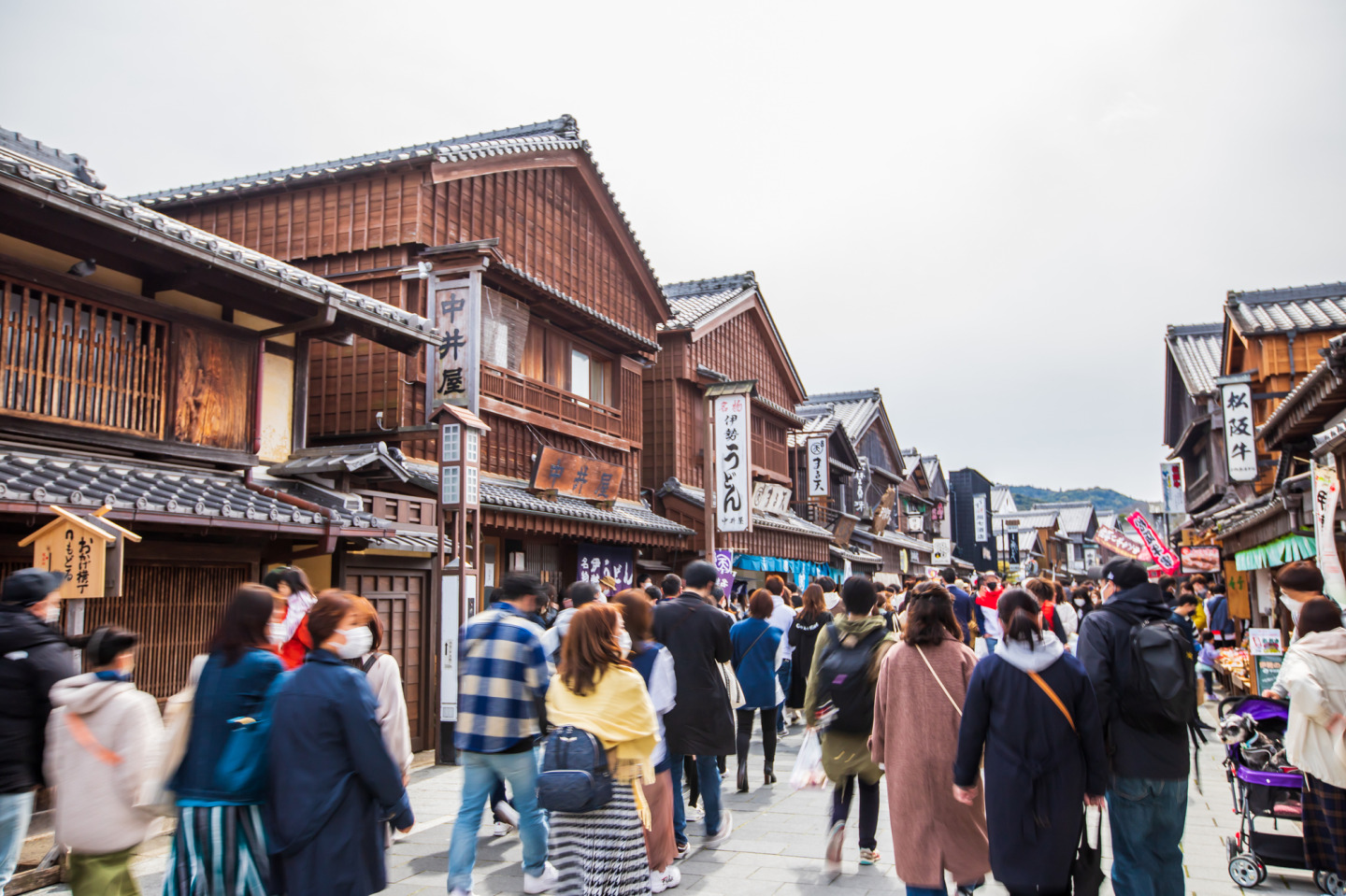


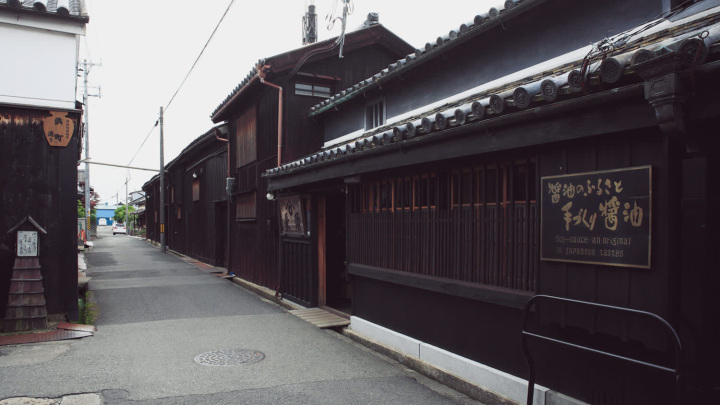
Located in Monzenmachi ("gate front town" springing up outside a shrine or temple) next to Naiku, on the Iseji (the long pilgrimage trail from Ise Jingu to Kumano Sanzan), this shopping street is imbued with the atmosphere of Meiji Japan in the 18th and 19th century buildings which have been relocated or designed anew. Some 50 eateries and souvenir shops line the lanes and on weekends, taiko drum and kamishibai (paper theater) shows are common events. We recommend trying the smooth, chewy Ise udon noodles and tekone-zushi, a vinegared rice bowl topped with marinated tuna traditional in this region. In summer, stay cool with kakigori shaved ice.
- Address
- 三重県伊勢市宇治中之切町52
Column
Recommended sights of the Ise area
Meoto Iwa (the Wedded Rocks), Futami Okitama Shrine
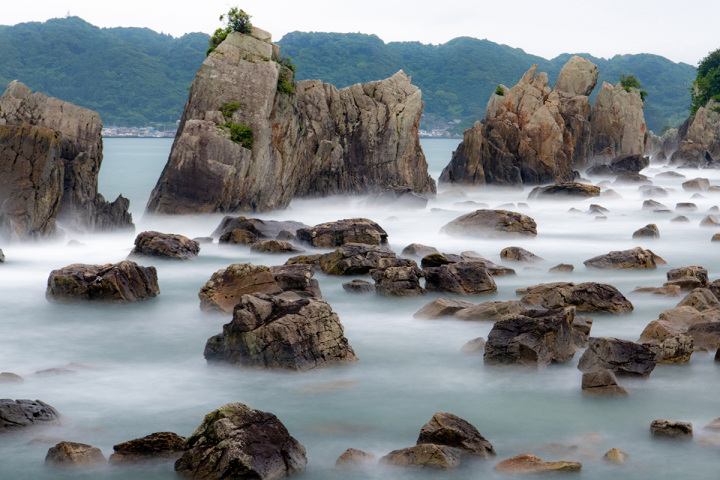
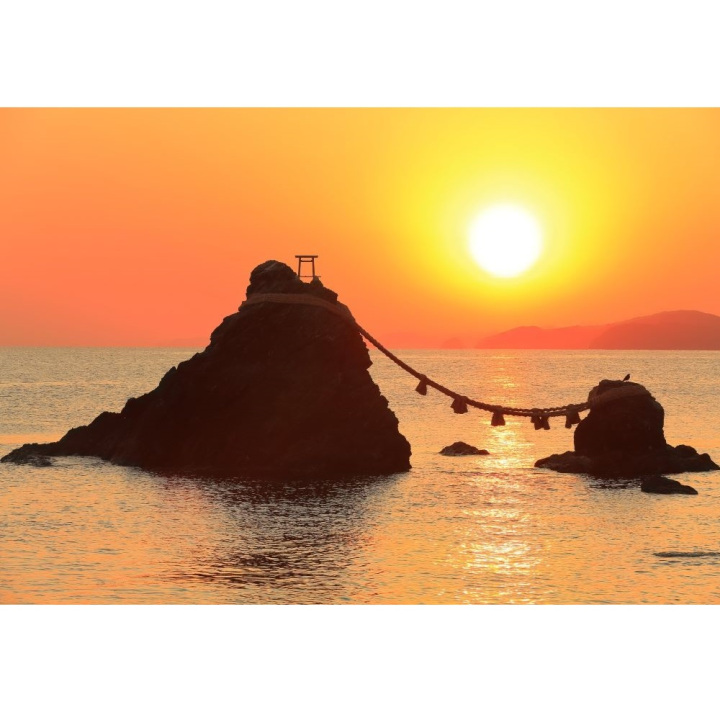
Around 15 minutes’ drive from the Ise Jingu Naiku parking lot is Meoto Iwa, an offshore pair of rocks, one big and one small, linked by a heavy rice-straw rope. This sight draws visitors as a sacred location symbolic of marriage and marital harmony. From May to July, find an amazing view of the sun rising between the two rocks. The Futami Okitama Shrine itself is dedicated to the god Sarutahiko Okami, guardian of travels, so this is also a well-known shrine to make prayers for safe passage.
Stay: Nanki-Katsuura Onsen
Experience bliss in a hot spring surrounded by nature to find calm and healing after a long haul
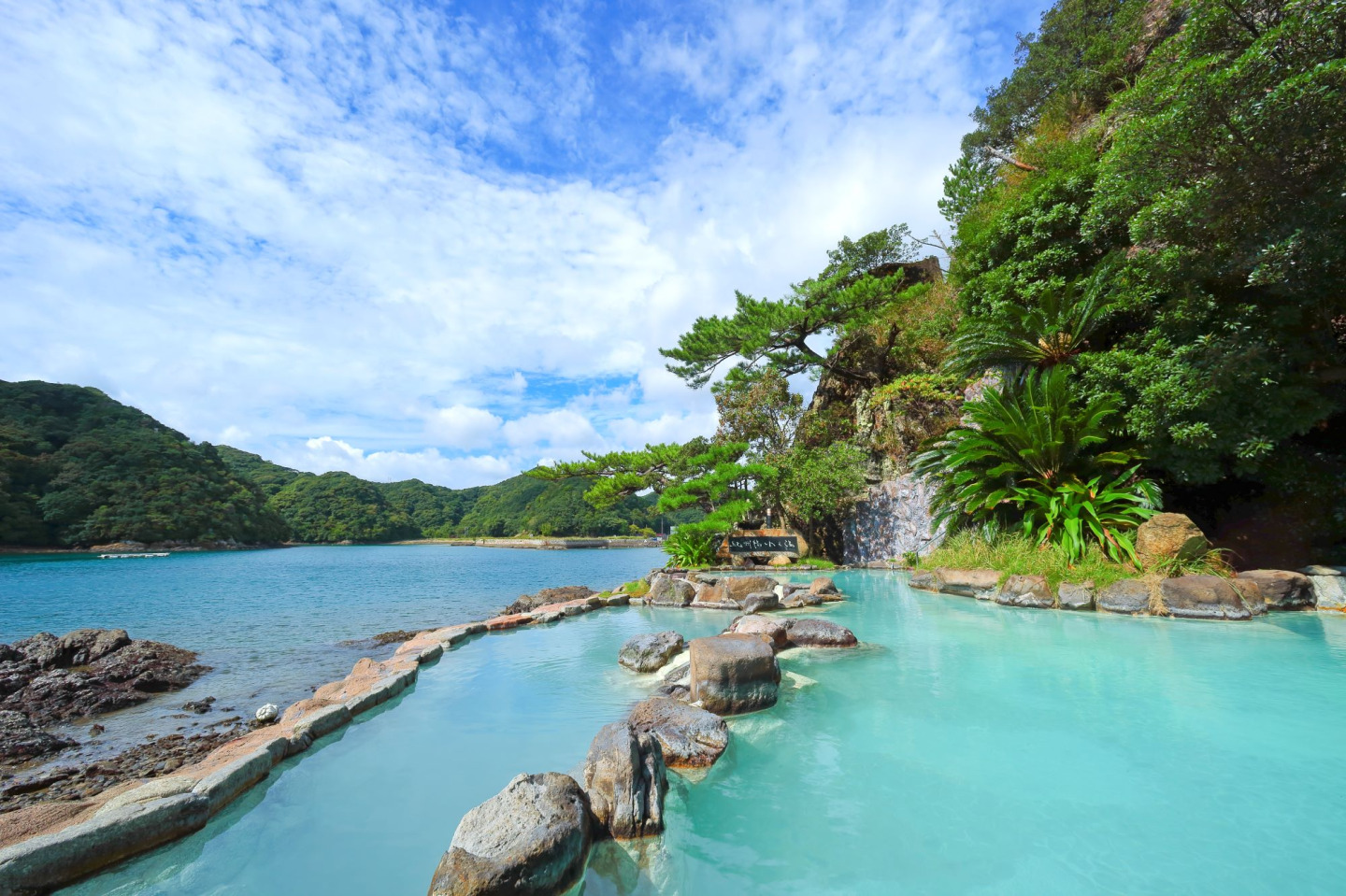
Boasting over 100 piping hot geothermal springs, this is a hot spring zone in a spectacular location overlooking the Pacific Ocean. Ease into a steaming onsen with views out to sea. The tuna dishes of Katsuura are also highly recommended.
- Address
- 和歌山県東牟婁郡那智勝浦町
Daimon-zaka Slope, World Heritage Kumano Kodo Pilgrimage Route
Take in the beautiful cobblestones of Daimon-zaka Slope
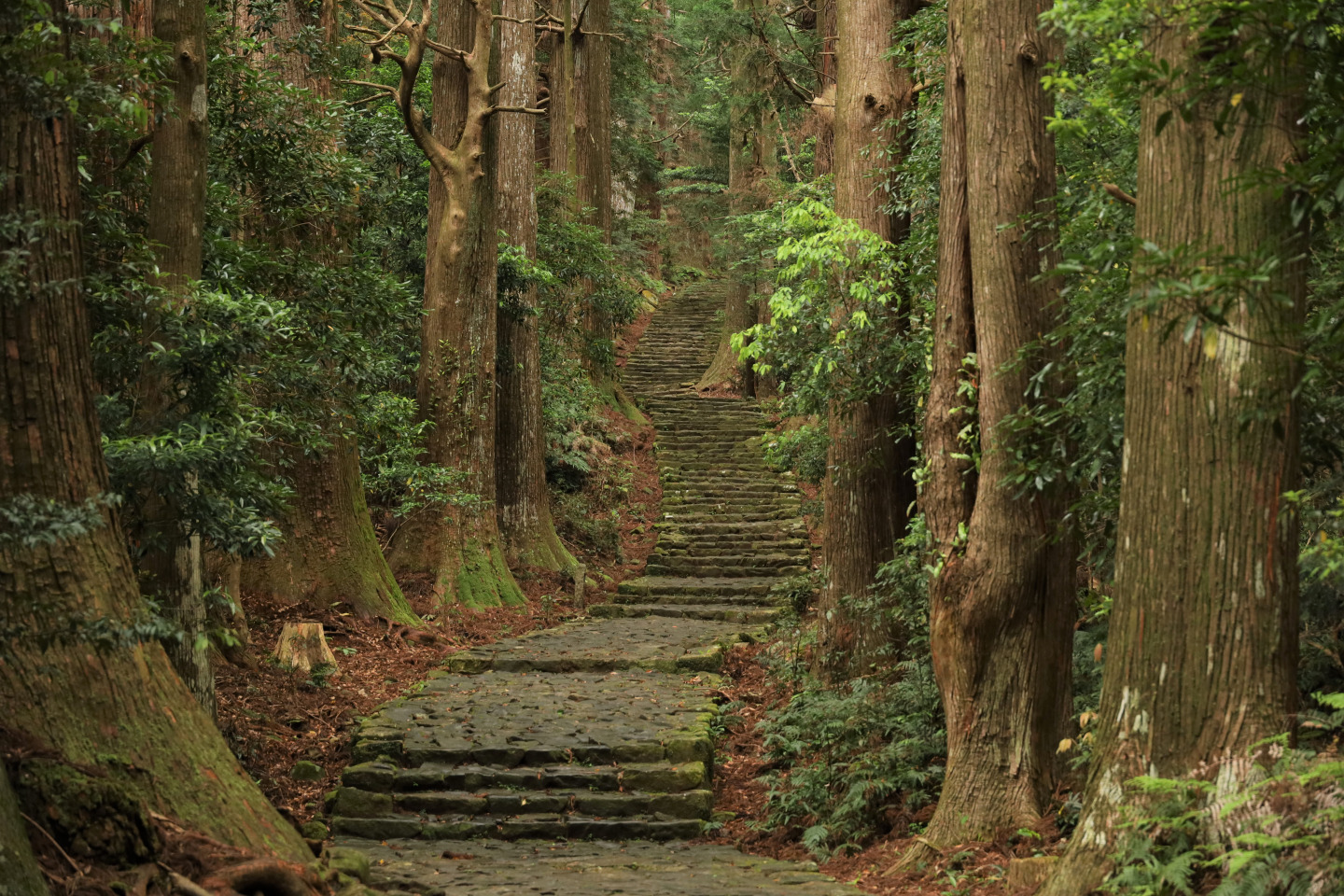
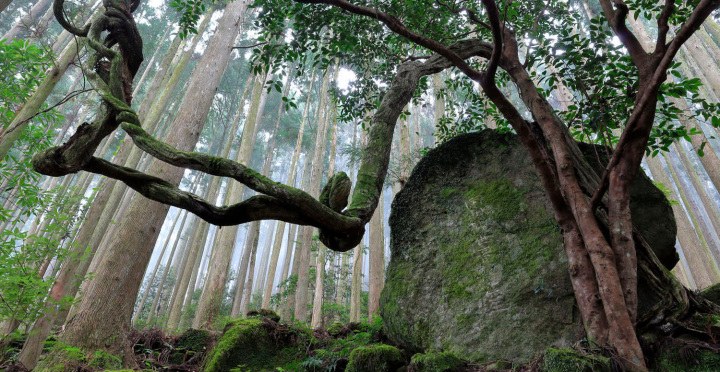
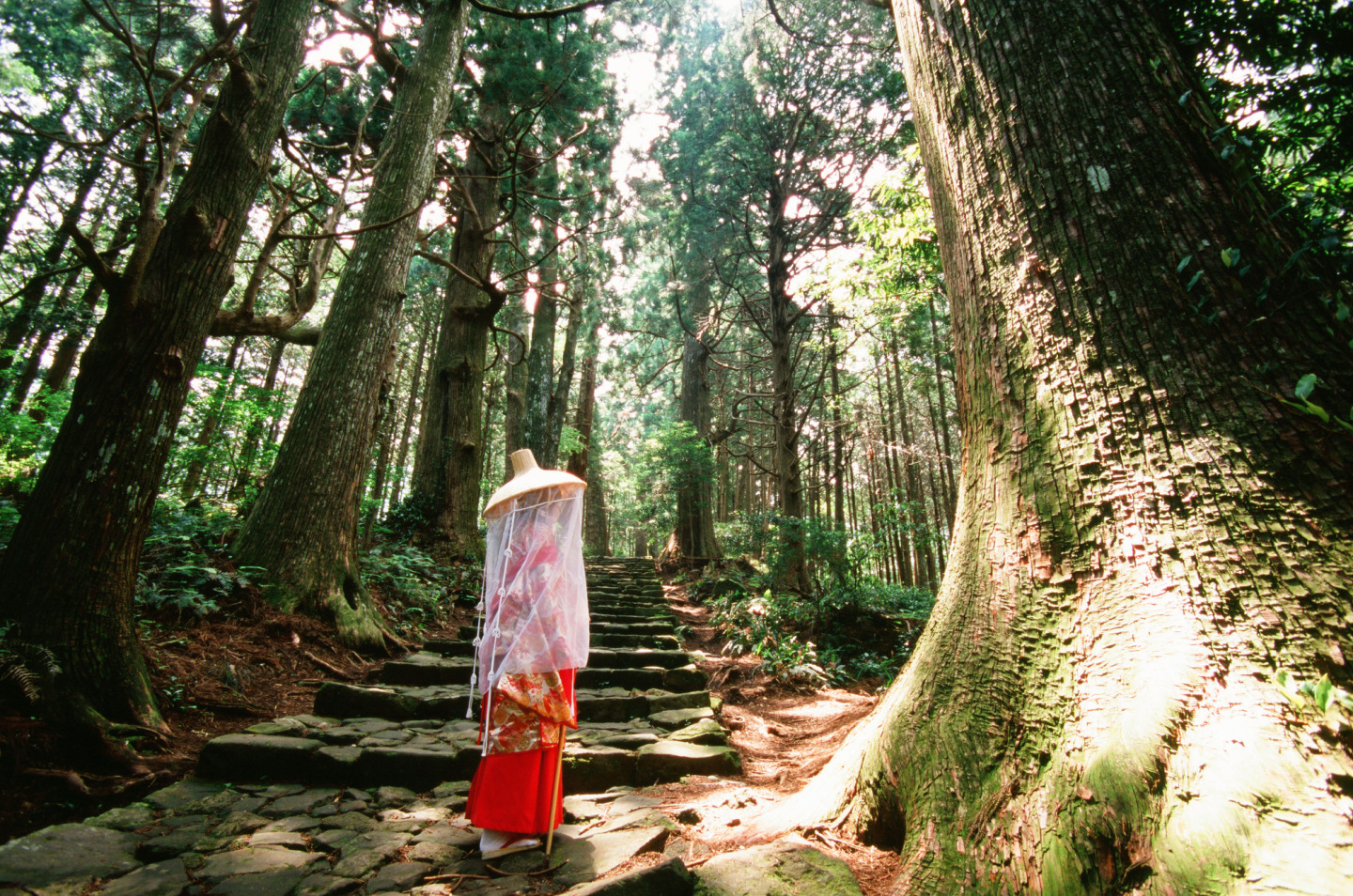
Daimon-zaka Slope, its entrance marked by two towering trees called Meoto Sugi (husband and wife cedars), is an ancient path leading to the Monzenmachi of Kumano Nachi Taisha Grand Shrine. Deep cedar forest flanks both sides of the mossy stone steps, which continue for around 600 m, keeping light levels low even in the middle of the day.
- Address
- 和歌山県東牟婁郡那智勝浦町那智山
Column
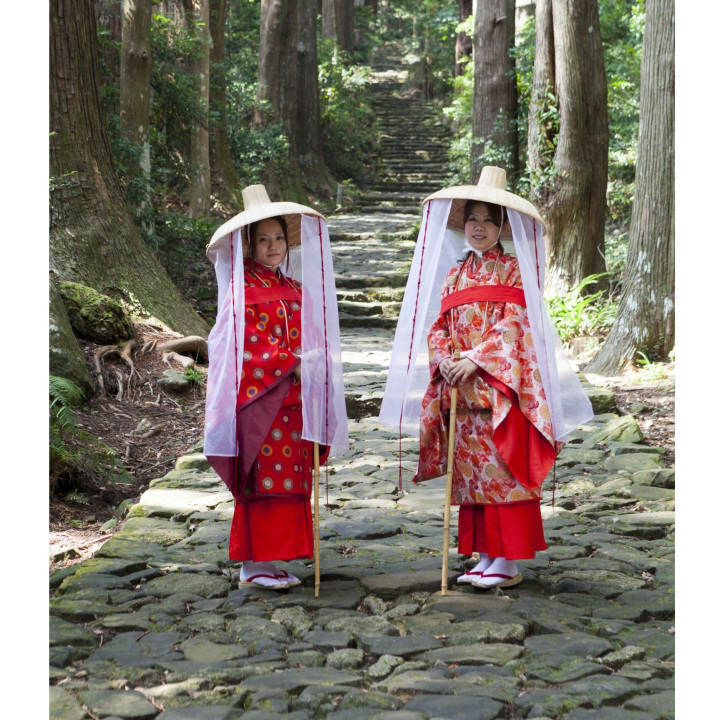
Heian period costume experience at Daimonzaka Chaya
Recommended activity
At Daimonzaka Chaya teahouse near the Meoto Sugi trees, enjoy a popular walking tour of the Kumano Kodo dressed as a ninth century pilgrim. Be part of Japan’s history by wearing a most becoming Heian period costume on a trail walked by the pilgrims of old.
Kumano Nachi Taisha Grand Shrine
The vermillion shrine at the center of the Kumano belief system
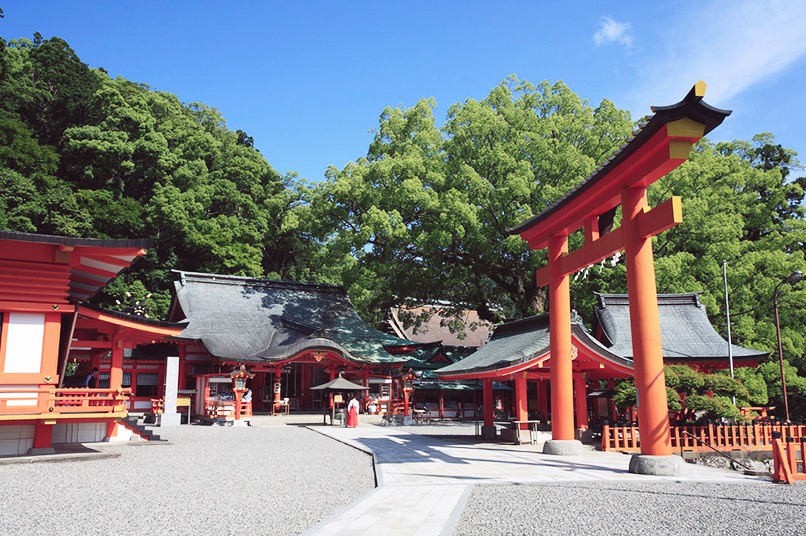
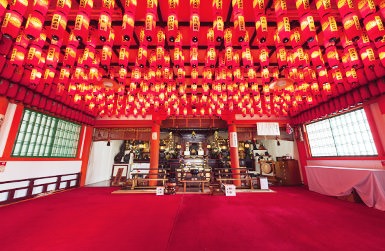
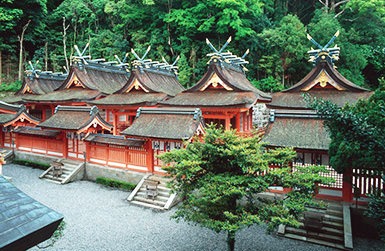
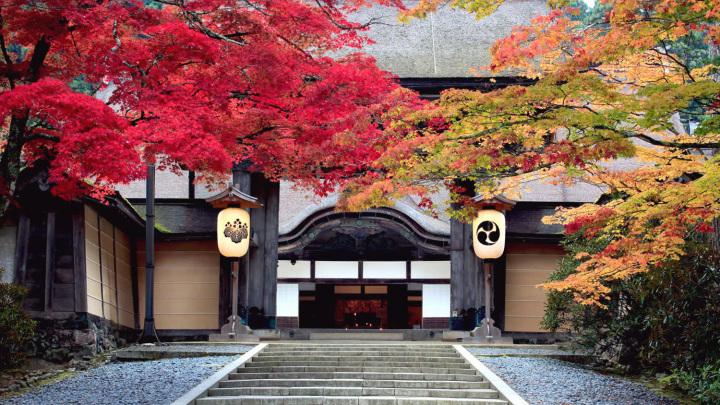
One of the great shrines of the Kumano Sanzan, Kumano Nachi Taisha Grand Shrine is the origin of the ancient faith that worships Nachi Waterfall. The shrine is located halfway up Mt. Nachi, and vermilion-lacquered Shinto shrines can be seen lined up on the high ground that looks down at the ocean. The large camphor tree in the precincts is said to be 800 years old, and has a tunnel that visitors can pass through.
- Address
- 東牟婁郡那智勝浦町那智山1
Nachisan Seiganto-ji Temple
Amazing views of Nachi Falls and Sanjuno-to Pagoda: the World Heritage site at the center of the Kumano faith
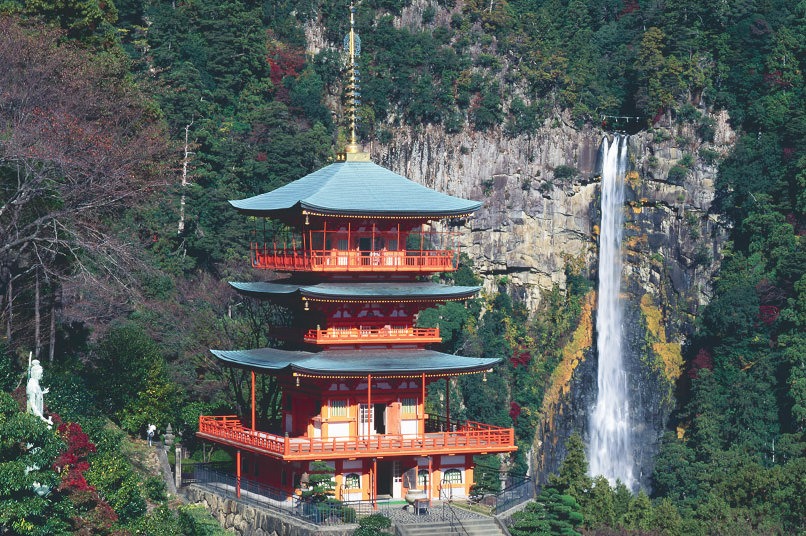
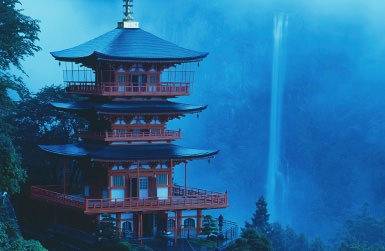
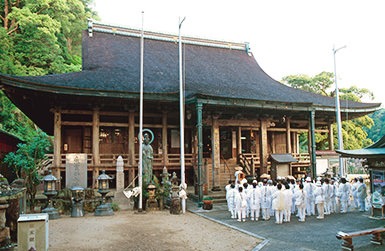
Prospering as a sacred ground along with Kumano Nachi Taisha Grand Shrine, this temple is the oldest structure in Kumano. Many precious important cultural properties can be found here. The precincts are renowned for their magnificent views of Nachi Falls, Nachi Primeval Forest, and the Pacific Ocean.
- Address
- 東牟婁郡那智勝浦町那智山8
Nachi Waterfall
100% thrill! One of Japan’s three top waterfalls
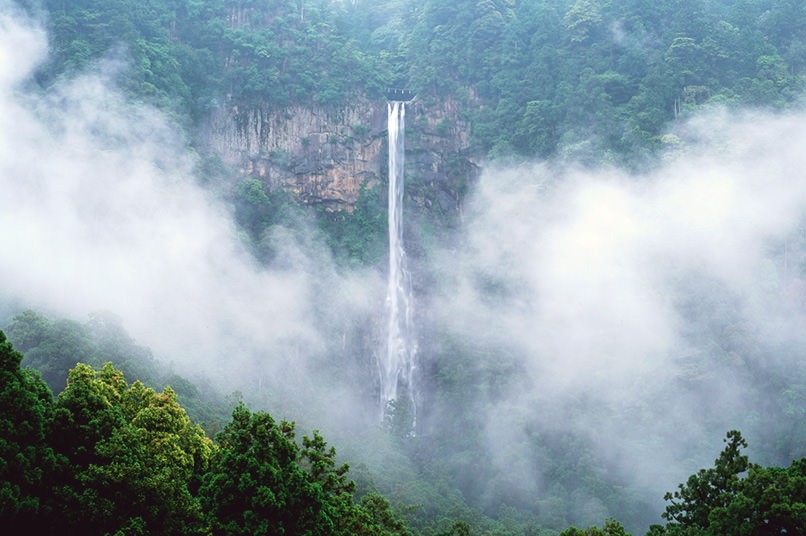
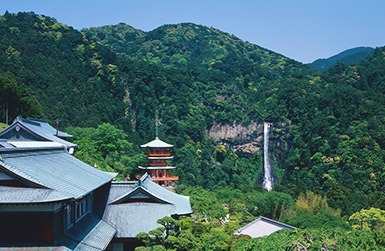
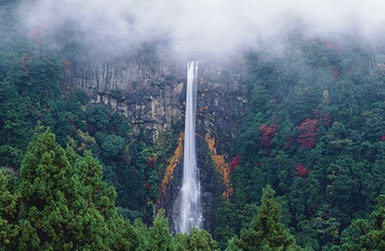
This 133-meter-tall waterfall boasts the highest vertical drop in Japan, with one ton of water dropping down the cliff every second. It enshrines the deity of Hiro Shrine, the auxiliary shrine of Kumano Nachi Taisha Grand Shrine. This awe-inspiring and dynamic view is truly unforgettable.
- Address
- 東牟婁郡那智勝浦町那智山
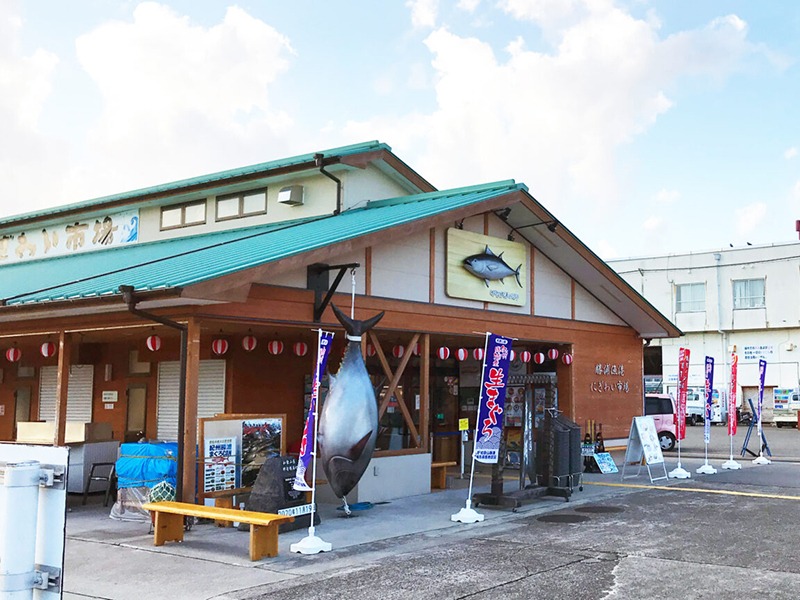
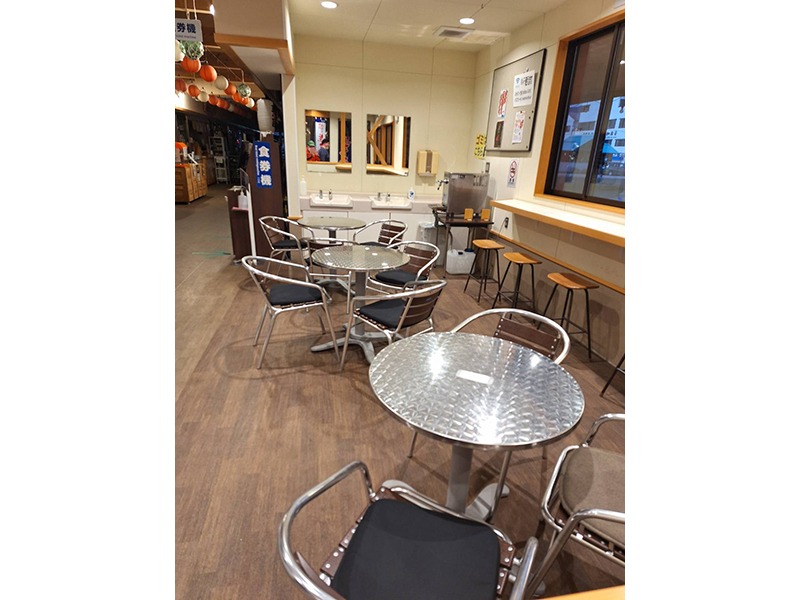
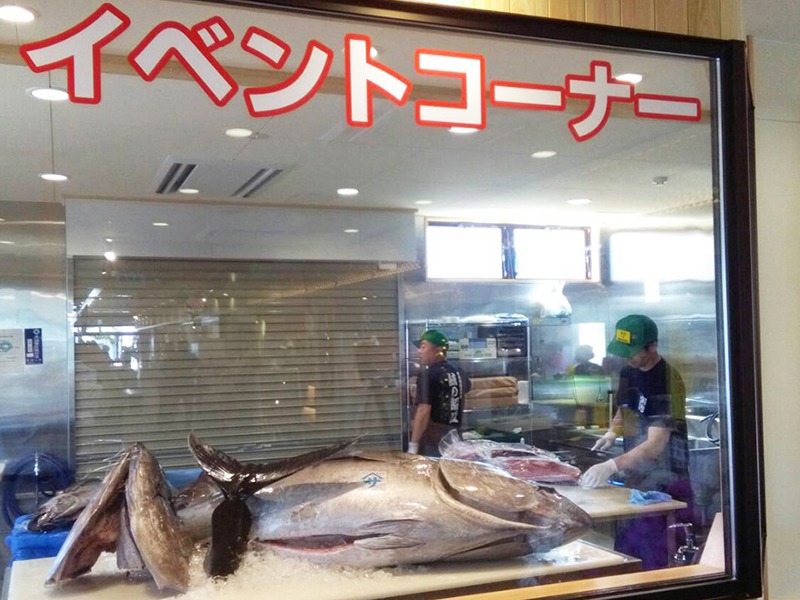
Lunch: Katsuura Fishing Port Nigiwai Market
Kumano Hayatama Taisha Grand Shrine
Home to a towering conifer tree over 1,000 years old
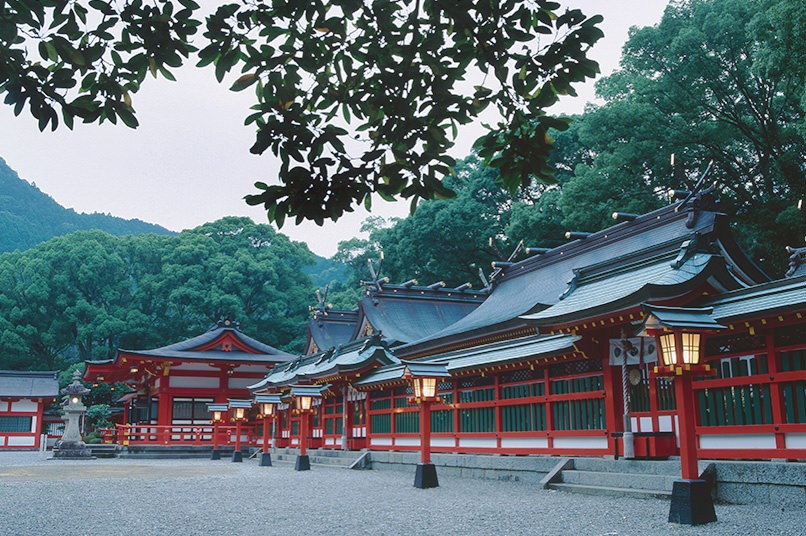
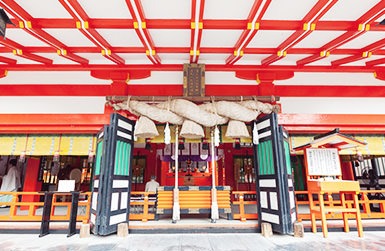
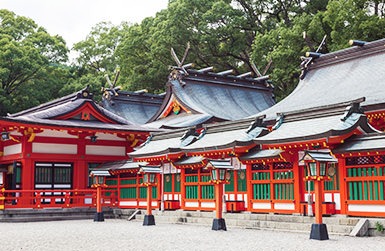
Kumano Hayatama Taisha Grand Shrine is one of the Kumano Sanzan. The grounds are home to a sacred conifer tree that is a natural monument and the largest of its type in Japan.
- Address
- 新宮市新宮1
Column
Kumano River boat tour
Recommended activity
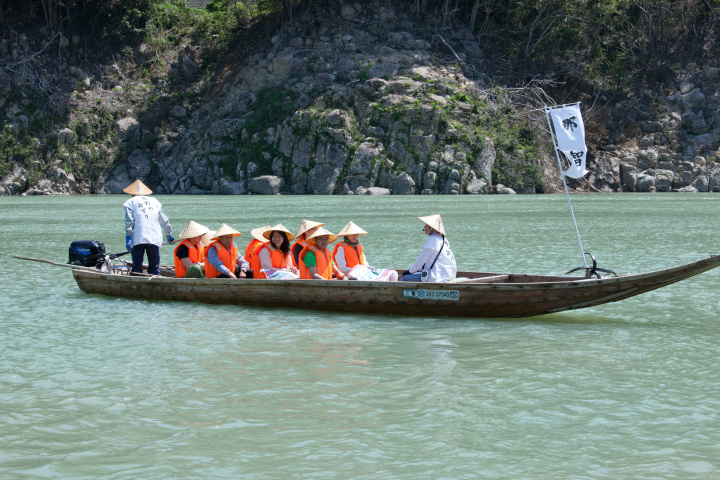
Would you make the pilgrimage from Kumano Hongu Taisha Grand Shrine to Kumano Hayatama Taisha Grand Shrine by river craft? After all, Kumano River is included as a pilgrimage path in the UNESCO World Heritage registration for the Kumano Kodo trail. After boarding at the River Center of the Dorokyo Kaido Kumanogawa roadside station, it is a 90-minute trip downstream to the riverbank near the Kumano Hayatama Taisha Grand Shrine. As you float along and enjoy the scenery, a tour guide will give you the background of the area's history and sights.
Kamikura-jinja Shrine
The shrine that contains an enormous sacred rock watching over the city of Shingu
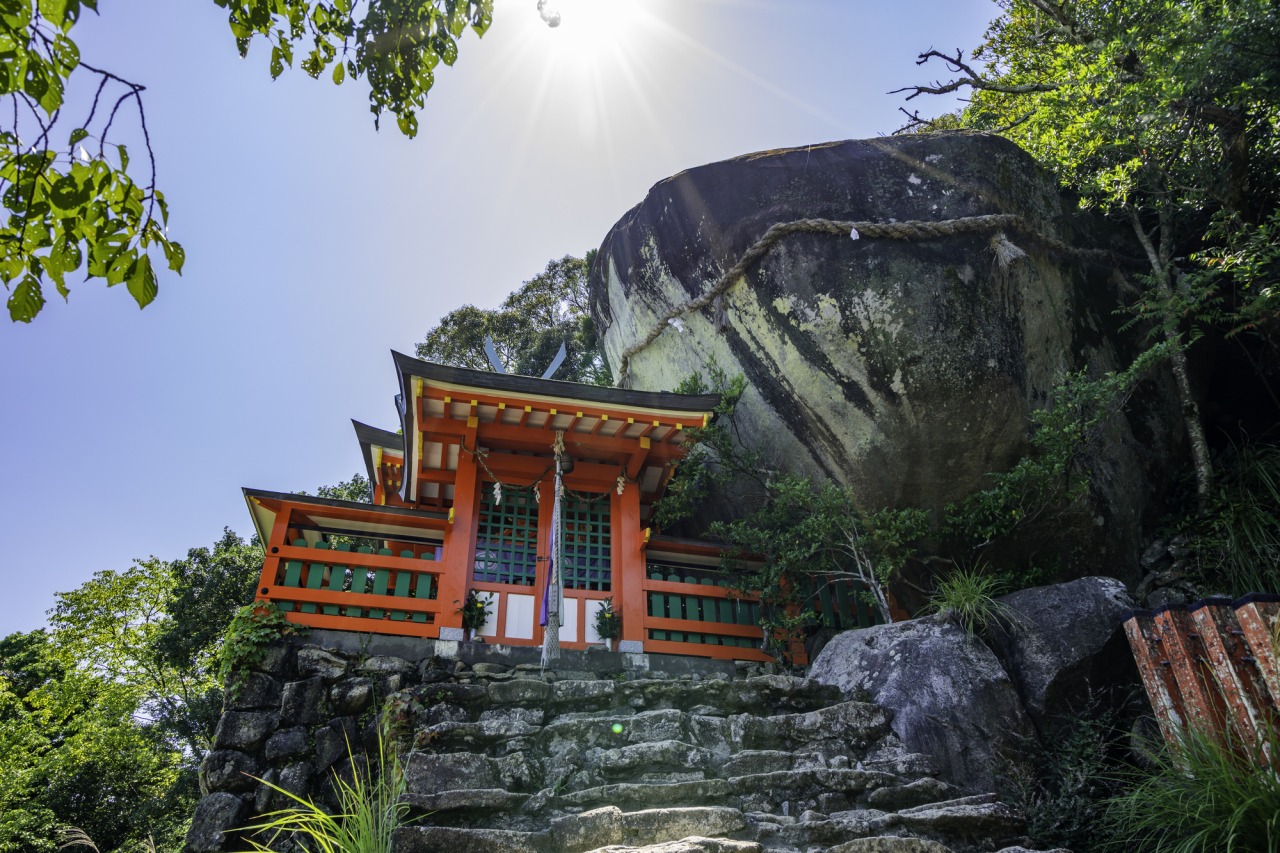
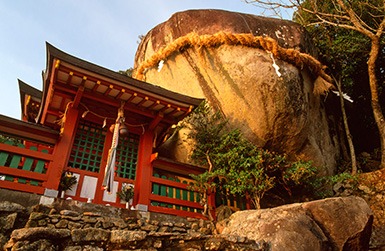
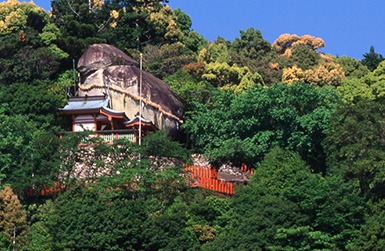
Kamikura-jinja Shrine, Kumano Hayatama Taisha Grand Shrine's original shrine, contains the Gotobiki-iwa Rock. Legend says that the gods of Kumano descended to this enormous rock, which serves as an object of worship.
- Address
- 新宮市神倉1-13-8
Stay: Kumano Hongu Onsen Village
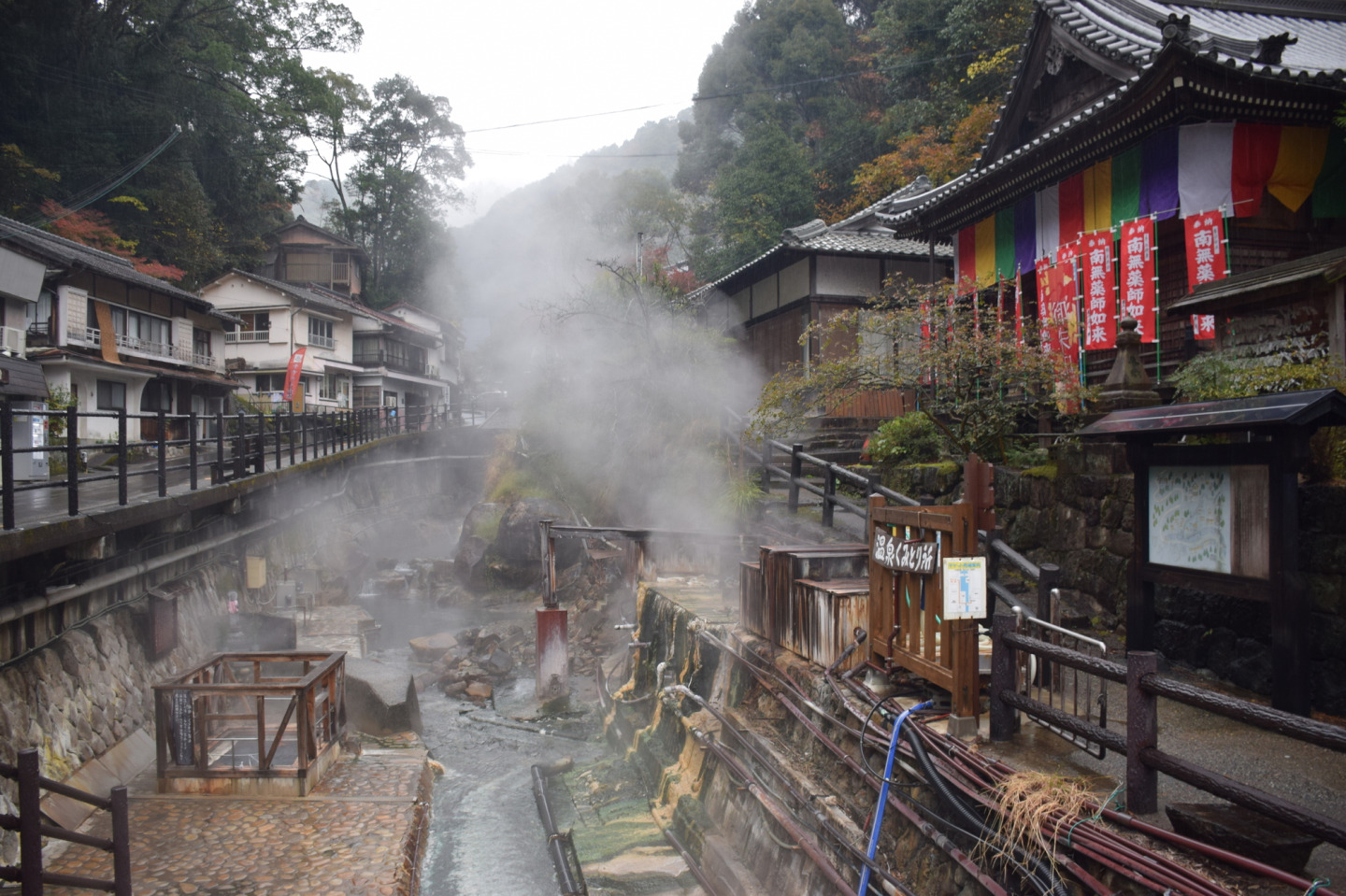
A hot spring well-known over the centuries as a place to soak away the aches and pains of the pilgrimage and to purify the body before visiting the shrines of Kumano. The three hot springs of Yunomine Onsen, Kawayu Onsen and Watarase Onsen are collectively called the Kumano Hongu Onsen Village.
The three famous hot springs of the Kumano Hongu Onsen Village
- Yunomine Onsen
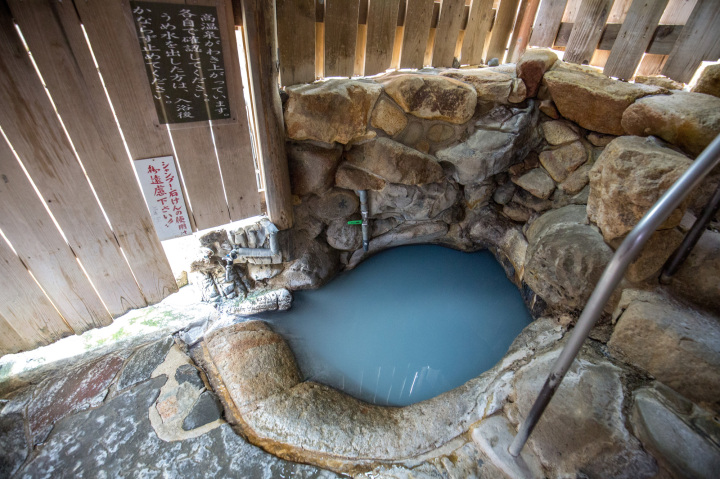
- A little-known 1,800-year-old hot spring overflowing with delights. Tsuboyu spring is said to take on one of seven different colors from day to day and is a registered World Heritage site, attracting many visitors. On the banks of the river that runs through Yunomine Onsen, geothermal hot water gushes out at over 90 degrees. Witness the sight of eggs and vegetables being cooked in the steaming waters.
- View more
- Kawayu Onsen
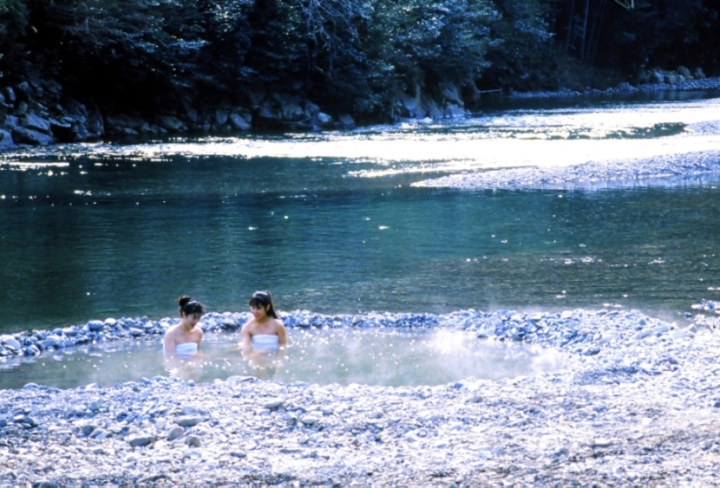
- With thermal waters of over 70 degrees are constantly bubbling up from the riverbed of the Oto-gawa River, a tributary of Kumano River, you can dig your own onsen wherever you like here. This is not possible in many hot springs around Japan. Dip into the hot water after a swim in the river over summer, soak in a sennin-buro (big hot onsen) in the winter. Please bring swimwear.
- View more
- Watarase Onsen
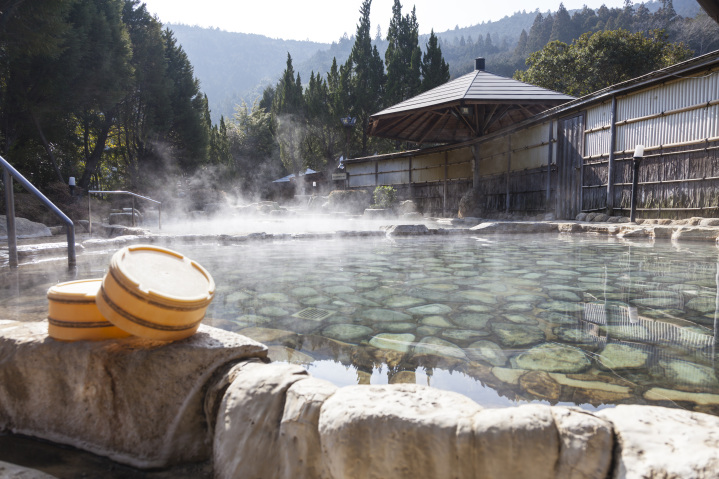
- Ten minutes’ drive from Kumano Hongu Taisha Grand Shrine, this is a renowned place to stay for those walking the Kumano Kodo. Relax in the free-flowing natural thermal source waters of a large open-air onsen and settle into a campground or cottage to make the most of Kumano’s nature and be refreshed in body and mind, ready for the next day.
- View more
Approx. 20 minutes by bus from Hongu Taisha-mae bus stop to Hosshinmon-oji bus stop
Kumano Kodo Nakahechi World Heritage route - Hosshinmon-oji to Kumano Hongu Taisha Grand Shrine
To a path of healing trodden in prayer by thousands of pilgrims, immersed in history and wilds
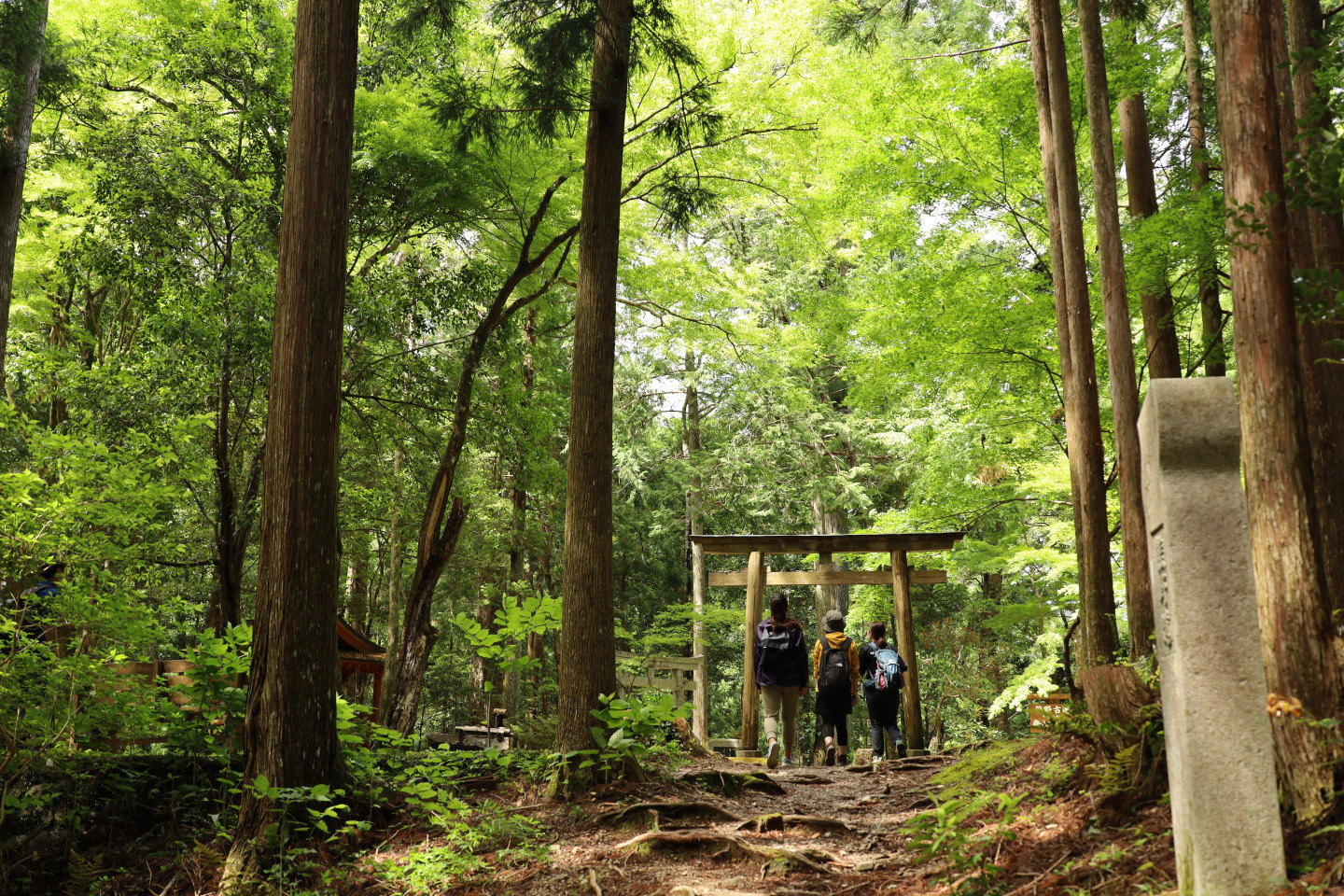
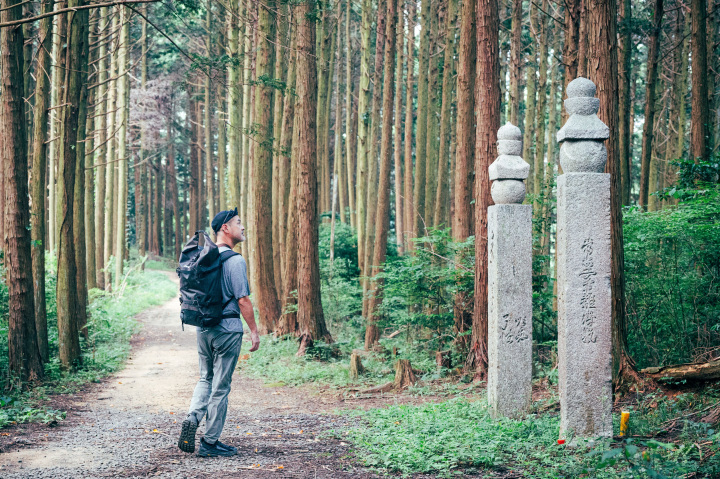
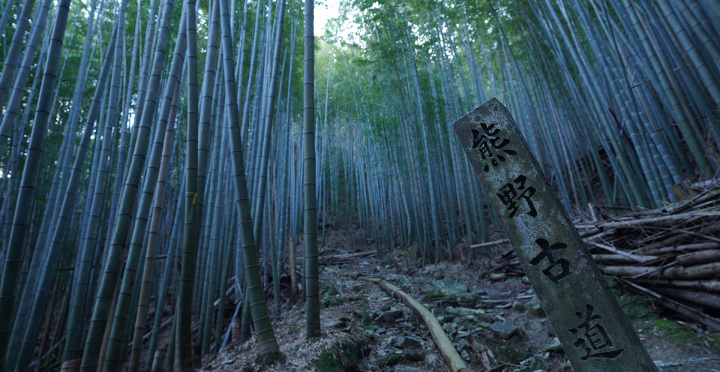
One of the World Heritage trails known as a pilgrimage route leading to Kumano Sanzan. The route from Hosshinmon-oji to Kumano Hongu Taisha Grand Shrine takes around three hours to walk and consists of a roughly 7 km gentle downhill slope. This popular trail is recommended for beginners, with its cobblestones and beautiful views across rice terraces.
Route highlights: Hosshinmon-oji to Kumano Hongu Taisha
- ① Hosshinmon-oji
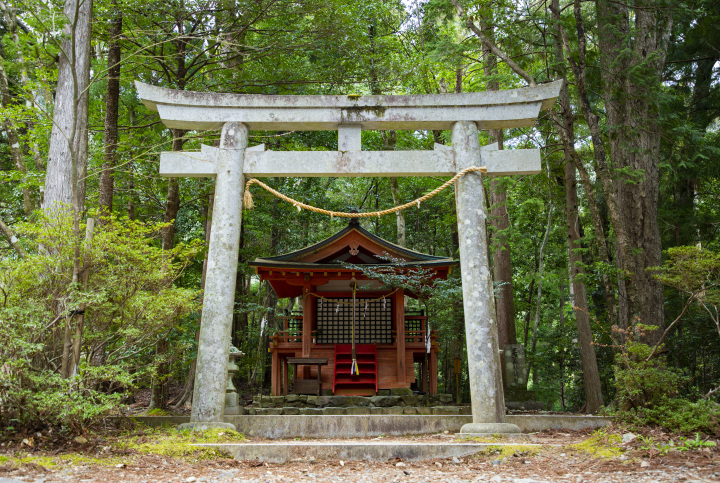
- Of the “Kujuku Oji”, or “Ninety-nine Oji”, this historic shrine counts among the Gotai-oji (five most prestigious Oji shrines). It marks the outermost entrance to the divine precincts of the Kumano Hongu Taisha Grand Shrine. In the past there was a great torii gate here and today, there is a torii and a restored vermillion shrine which is at its most fetching amid the autumn foliage.
- View more
- ② Mizunomi-oji
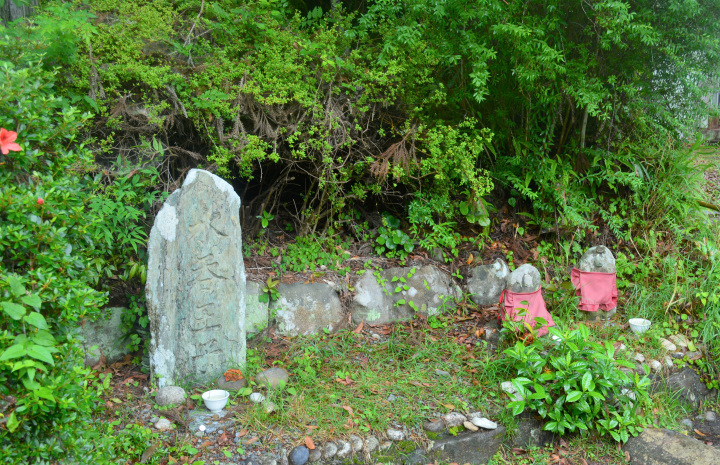
- An Oji shrine with deep history, it was recorded in the ninth century as “Uchimizunomi” or drinking-water spot on the way to the shrine. This was written as “Mizunomi” from the 17th to the 19th centuries. Located on the grounds of a former elementary school, a greenschist rock bears the inscription “Mizunomi-oji”.
- View more
- ③ Fushiogami-oji
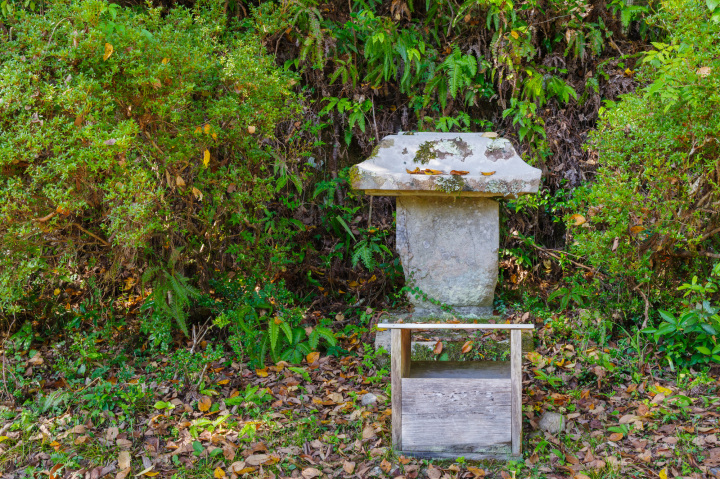
- From Fushiogami-oji, pilgrims would finally get their first glimpse of the distant Kumano Hongu Taisha (down on the present-day Oyunohara sandbank). Pilgrims traditionally fell on their knees and prayed at this sight, which is what the word “Fushiogami” means. A stone shrine stands on the site of the old Oji shrine.
- View more
- ④ Site of Sangenjaya
- At the junction of the Kumano Kodo's Kohechi and Nakahechi routes, it is said that the Kukigakuchi checkpoint and three teahouses once stood. A rest area modeled after the teahouses and a wooden gate remain, along with an Edo-period road marker carved into stone reading: “Right: Kōya nineteen and a half ri / Left: Kimiidera thirty-one and a half ri.”
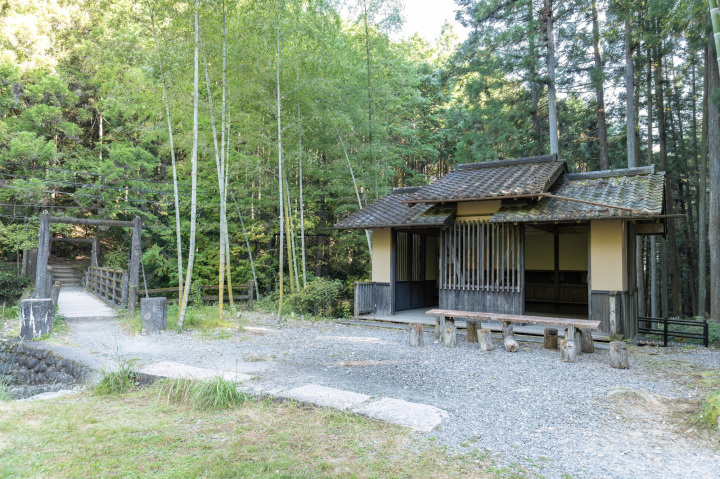
- View more
- ⑤ Haraido-oji
- A stone shrine stands quietly among the trees. This is not a place for distant worship, but rather a purification site. Pilgrims to Kumano would come here before visiting Kumano Hongu Taisha to purify themselves of the impurities of their long journey and cleanse their bodies before proceeding to the shrine.
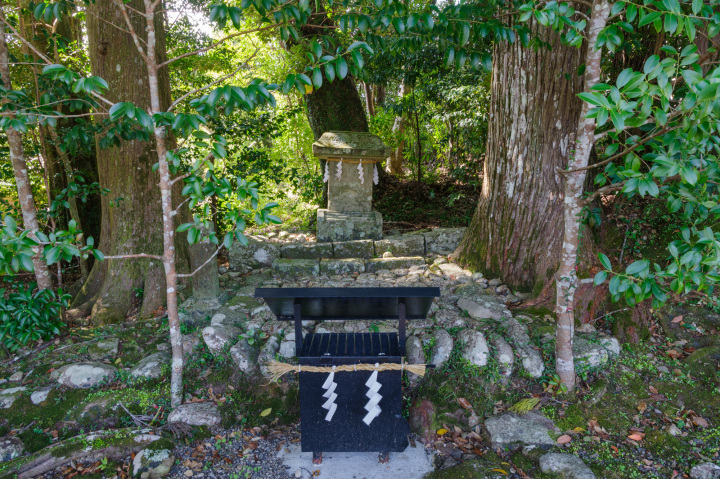
- View more
Places named “Oji” appear in fair number along the trail. As subsidiary shrines of the Kumano Grand Shrines, places bearing the name “Oji” tells us that these were locations where pilgrims stayed the night or rested. Today they are milestones that point the way to Hongu Taisha.
Lunch: Sabo Chinchoan (Hongu branch)
After the walk, tuck into some moude soba and mehari-zushi
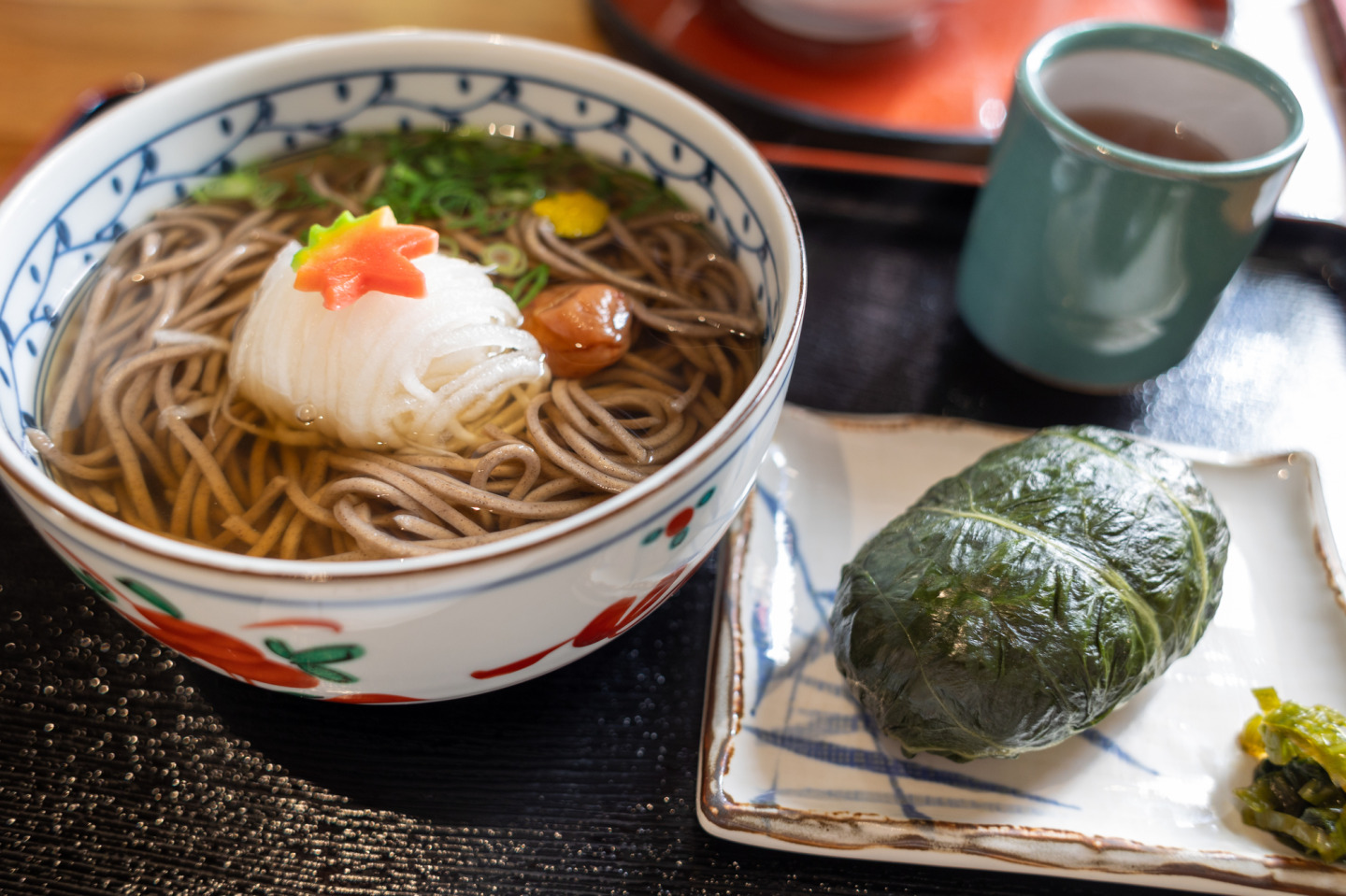
In addition to the owner’s choice 100% buckwheat soba and udon noodles, do not miss the famous Kumano dish that is mehari-zushi! It is a simple rice ball wrapped in pickled takana mustard leaf, yet it packs a flavor punch. The Kumano moude mochi rice cake would also make the perfect souvenir. The rice cakes filled red bean paste and sprinkled with brown rice flour are deliciously simple and heartwarming.
- Telephone Number
- 和歌山県田辺市本宮町本宮195-3
Kumano Hongu Taisha Grand Shrine
A special sanctuary steeped in history and tradition
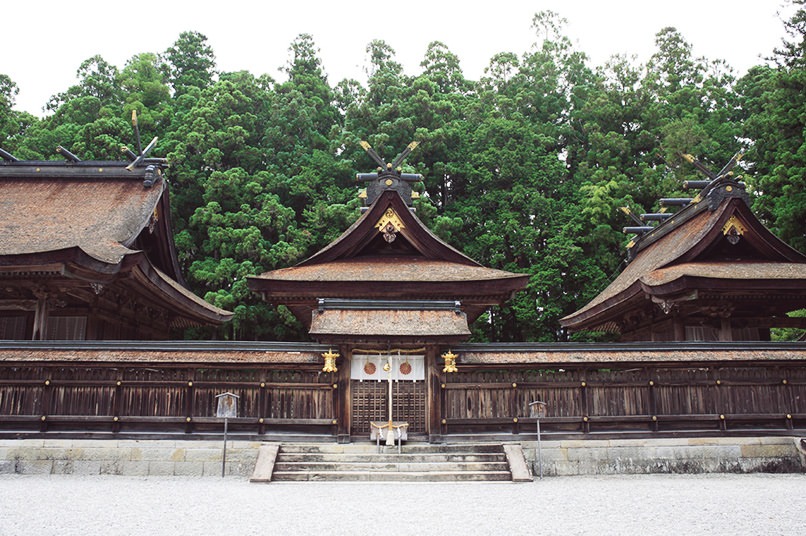
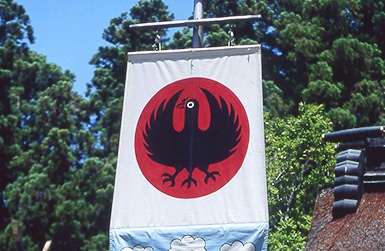
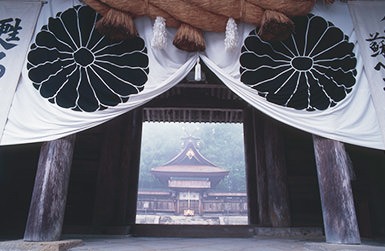
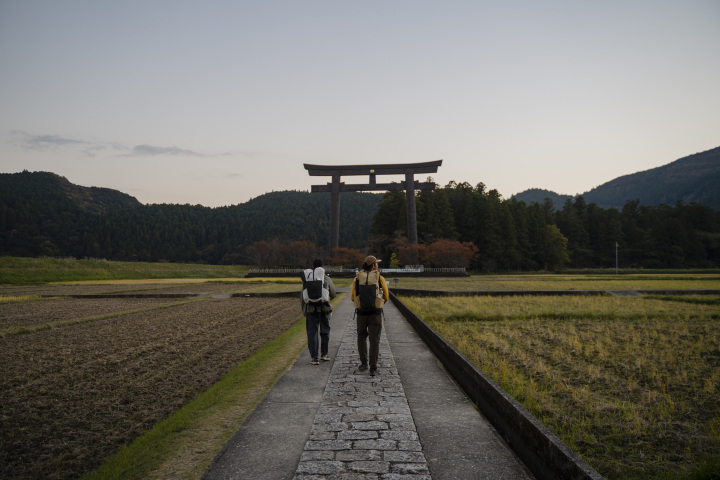
Kumano Hongu Taisha is one of the Kumano Sanzan shrines and a holy place that has been visited by many people since the Heian period. The beautiful main shrine buildings with a cypress bark roof create a solemn atmosphere. Until 1889, when there was a severe flood, these shrine buildings were located at Oyunohara, which is home to an impressive torii gate that is the largest in Japan.
- Address
- 田辺市本宮町本宮
Kumano Hongu Heritage Center
Jumping-off point for the Kumano Kodo and an intersection of history and nature
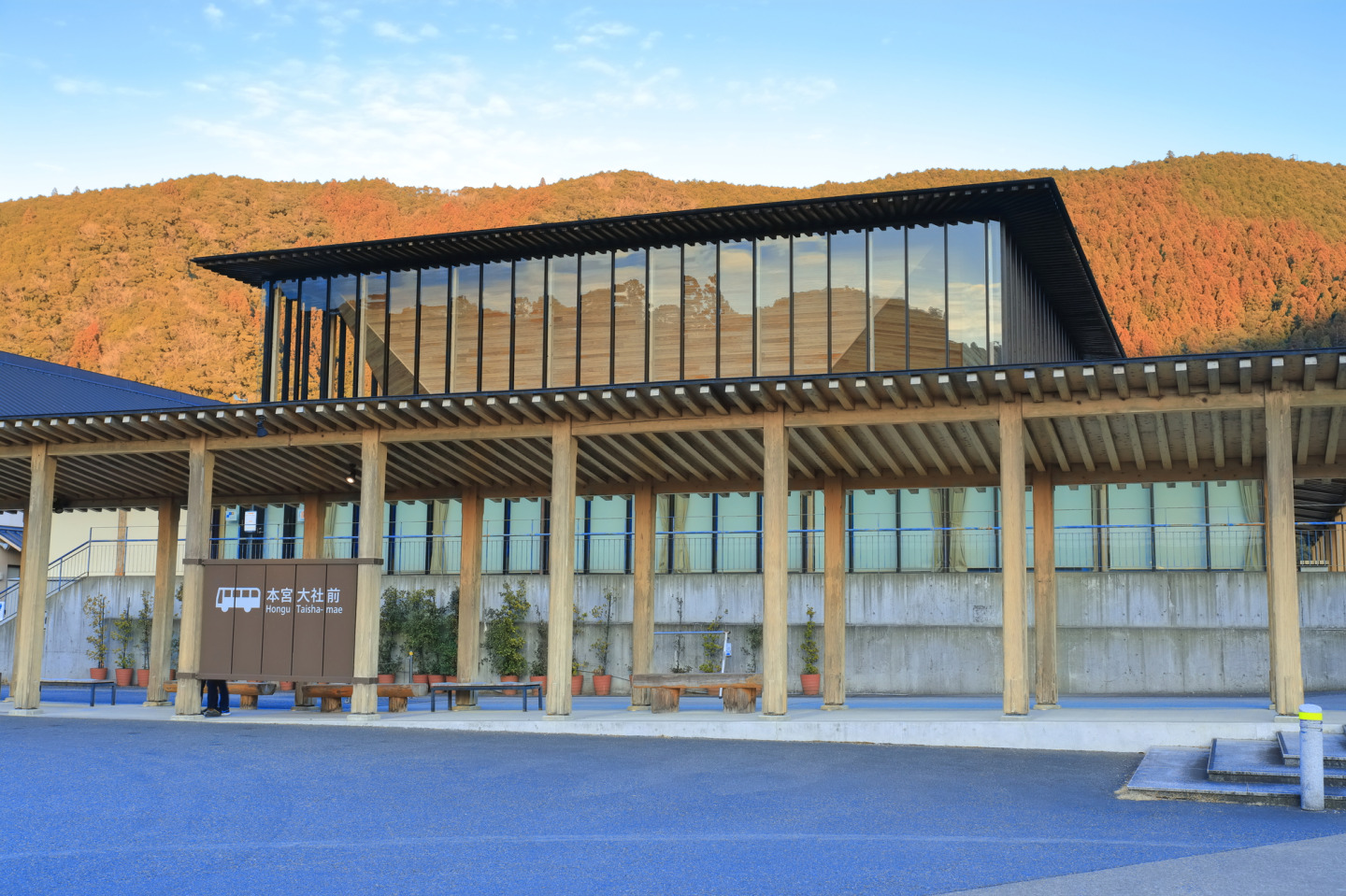
A hub for information about the UNESCO Sacred Sites and Pilgrimage Routes in the Kii Mountain Range and the Kumano area. Featuring a multipurpose hall, exchange spaces, exhibition booths and video theater, this modern facility was designed by Hisao Koyama and built using plenty of local Kishu timber, so it is worth visiting for the architecture alone.
- Address
- Tanabe City official website
Oyunohara
The location of Kumano Hongu Taisha until disastrous floods in the 19th century. Oyunohara, said to have descended from the gods, draws visitors as a sacred site to this day.
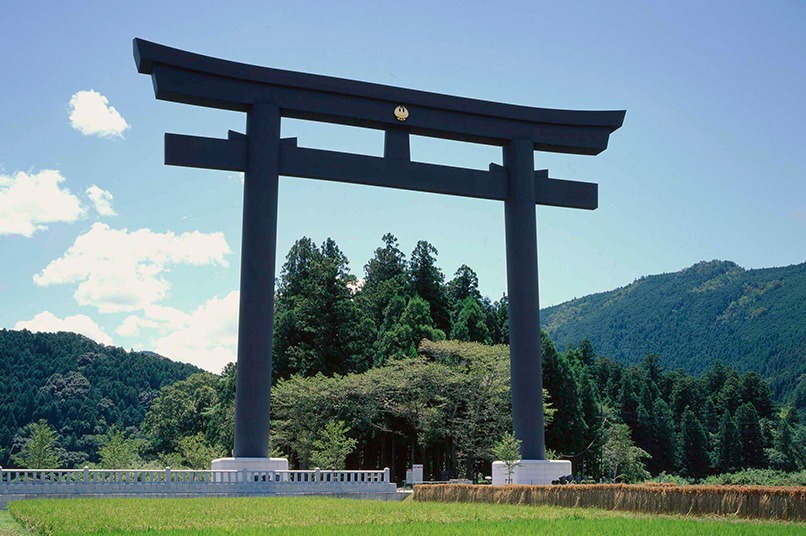
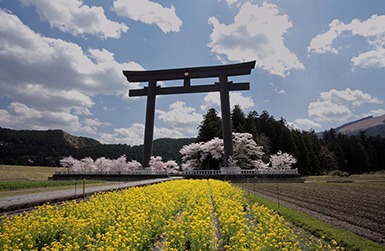
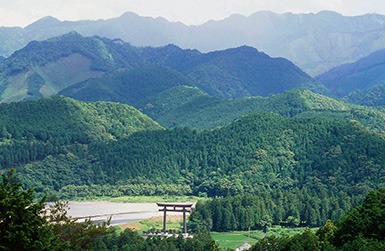
This was the original site of Kumano Hongu Taisha Grand Shrine, until a flood in 1889. Now, only two small stone shrines remain, guarded by the world's largest torii gate.
- Address
- 田辺市本宮町本宮
JR Shingu Station
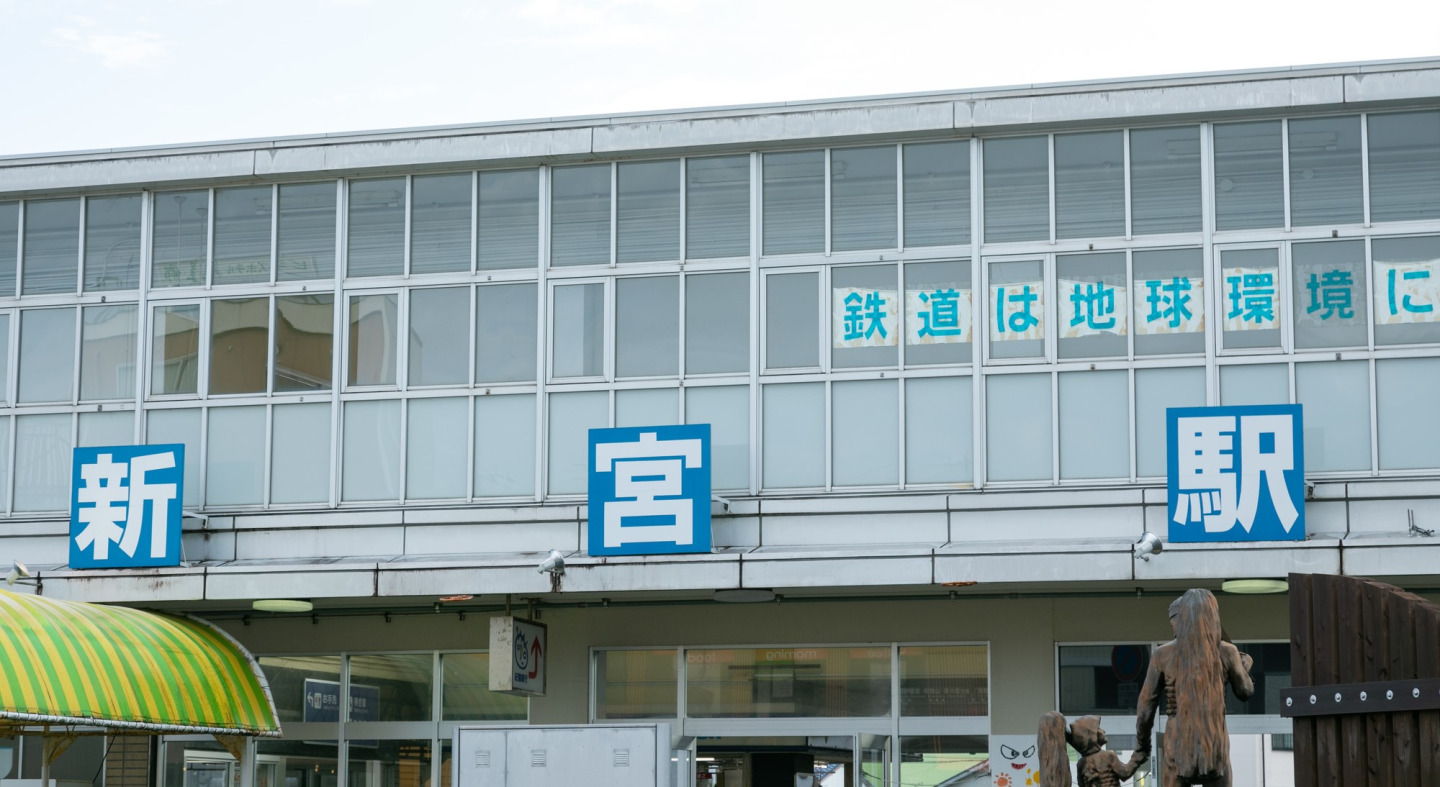
How did you enjoy your tour of the sacred sites? We hope your immersion in the beauty of nature and deep history has refreshed you in body and soul.
*Final train departs for Tokyo Station at 17:31 (transfer at Nagoya), correct as of September 2024