From Daimonzaka to Kumano Nachi Taisha, Nachisan Seiganto-ji Temple, and Nachi Falls! Explore one of the most popular routes along the Kumano Kodo on this 3-hour walking itinerary.
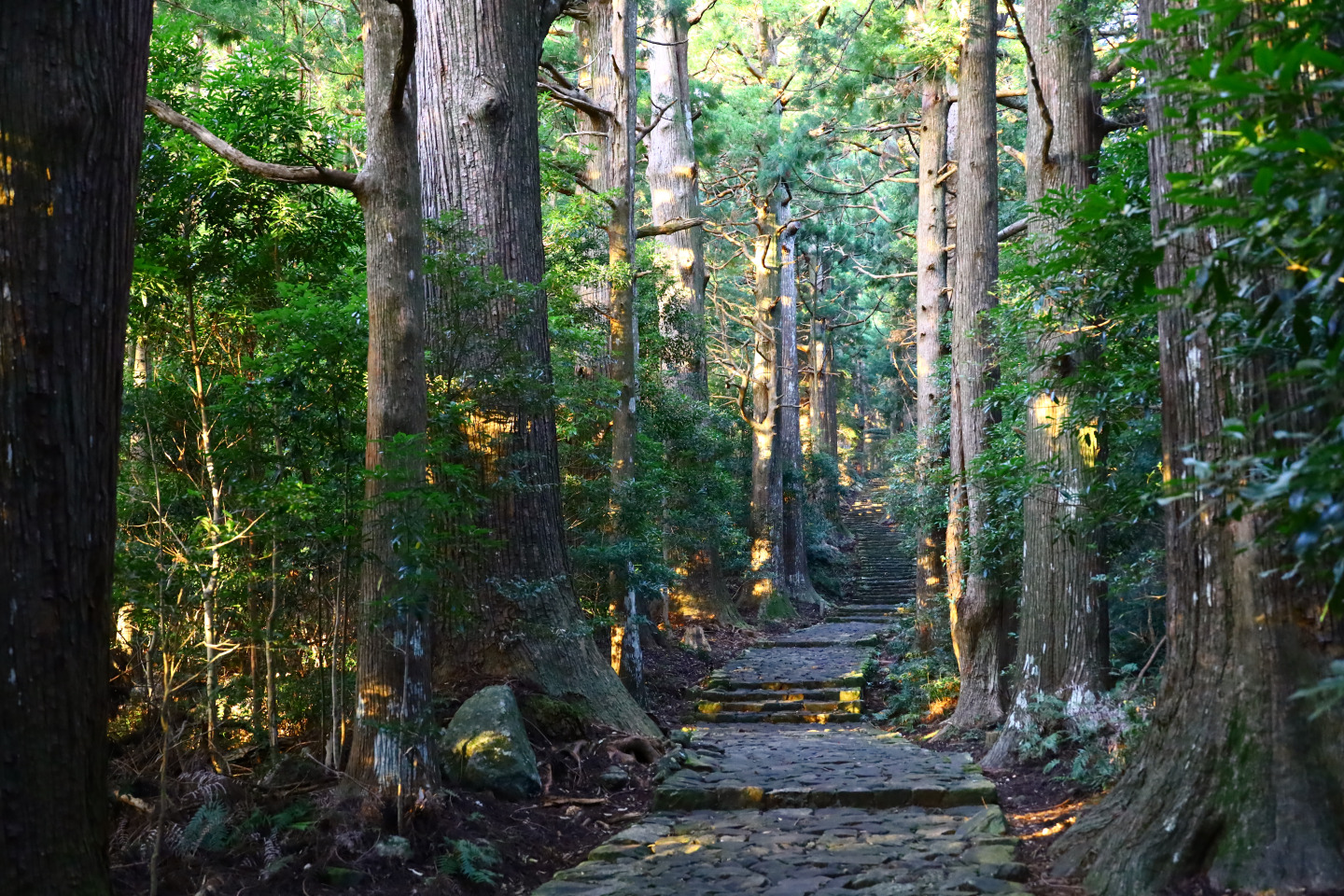
- Spring
- Summer
- Autumn
- Winter
- Time
- Approx. 3 hours
- Transportation
- On foot
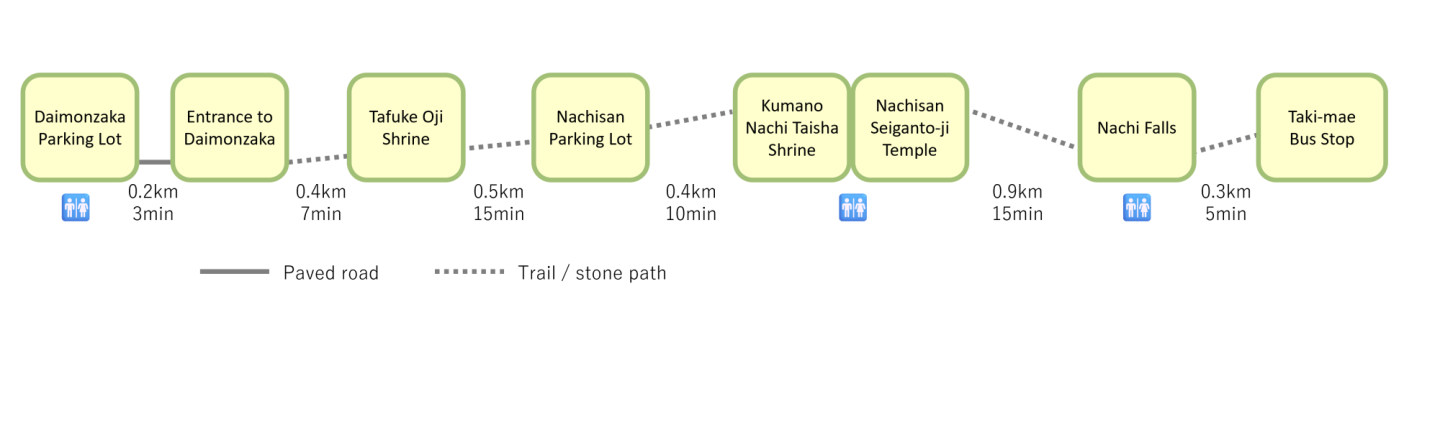
This route takes you up the beautiful stone-paved Daimonzaka, then on to Kumano Nachi Taisha and Nachisan Seiganto-ji Temple, before continuing to Nachi Falls.
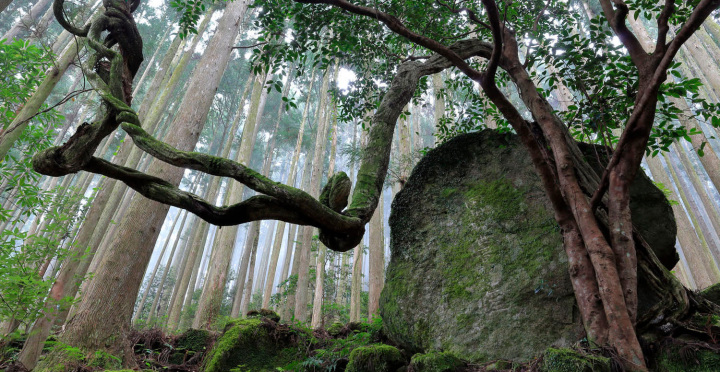
The stone steps from the Daimonzaka entrance to Kumano Nachi Taisha are uphill (approximately 270 steps at Daimonzaka and another 470 along the approach to the shrine). The distance is relatively short, and the moss-covered steps and towering cedar trees evoke the atmosphere of the Kumano Kodo. At the top of Daimonzaka, you’ll reach a street lined with restaurants and souvenir shops, where you can take a break.
The route is close to hotels in Nachikatsuura, well served by buses, and easy to walk. If you’re driving, you can park at the free Daimonzaka Parking Lot and take a bus back from the Taki-mae bus stop after your walk.
※Walking times do not include breaks.
※Allow approximately 3 to 4 hours for the full outing, including time to explore, from Daimonzaka Parking Lot via Daimonzaka and Nachisan and back to the parking lot.
Daimonzaka Entrance
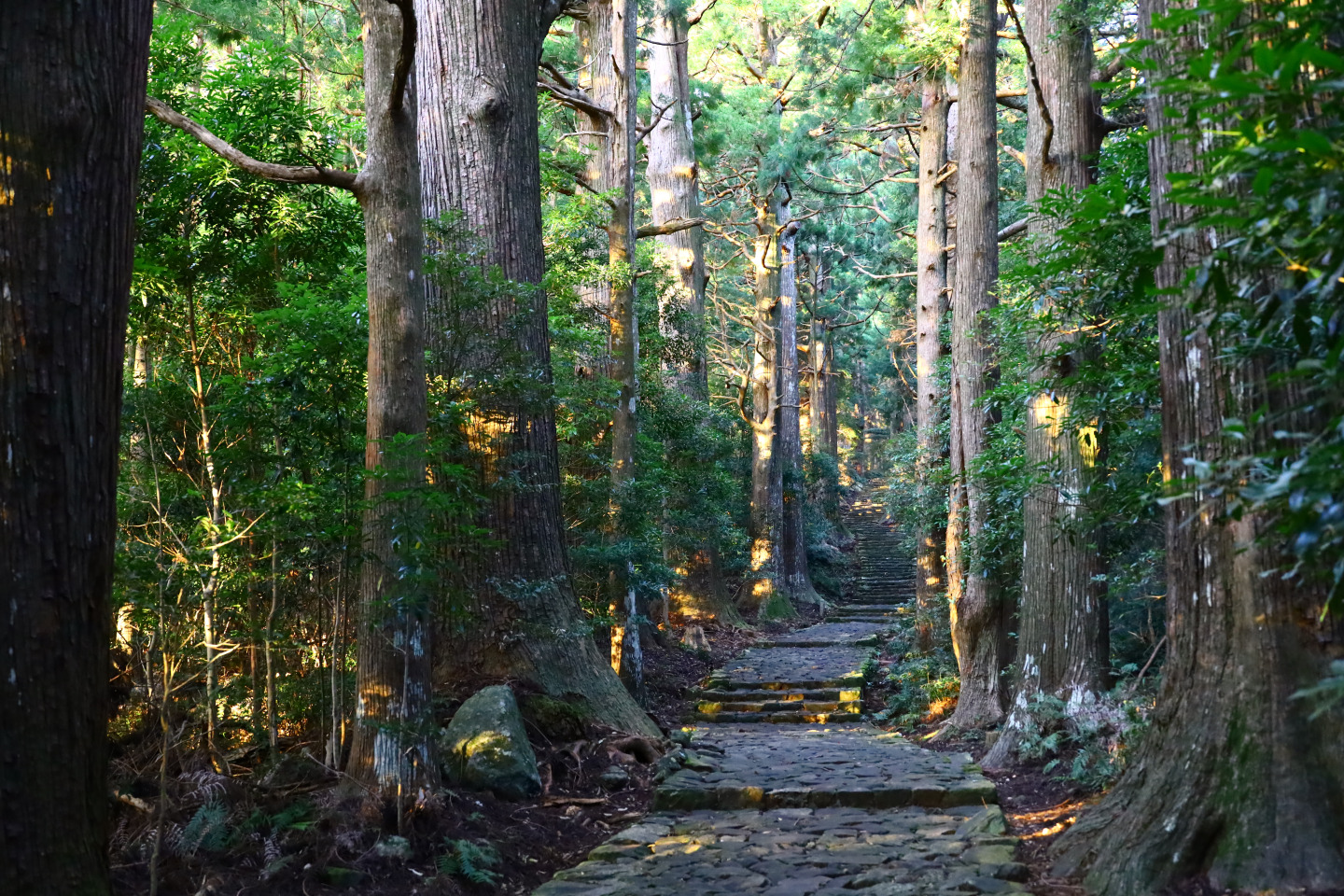
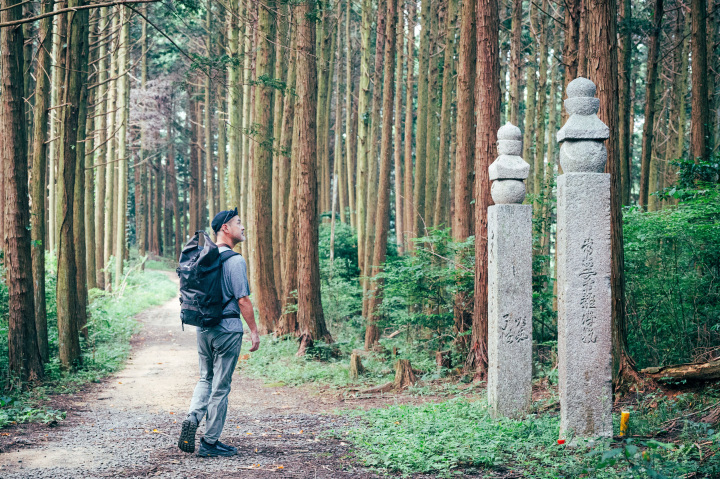
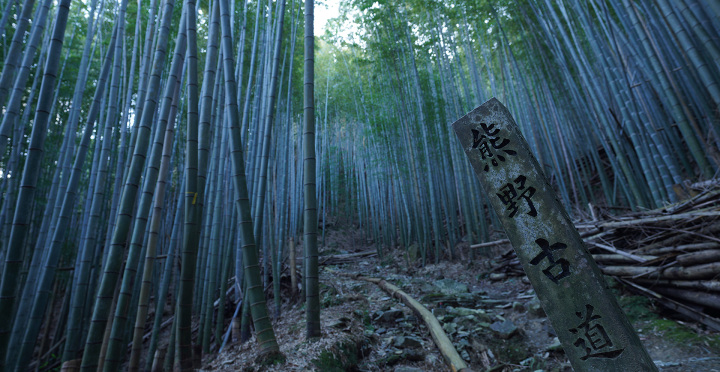
For centuries, the Kumano Kodo has welcomed pilgrims on their way to the sacred sites of Kumano. Daimonzaka is one of the places where the atmosphere of those bygone days remains most vivid.
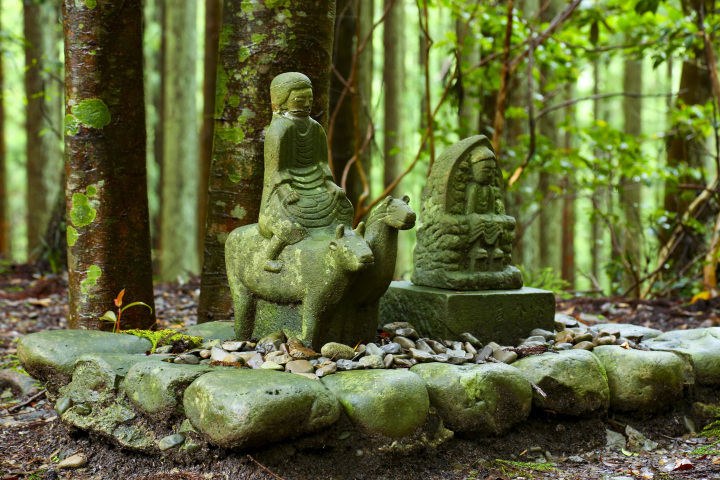
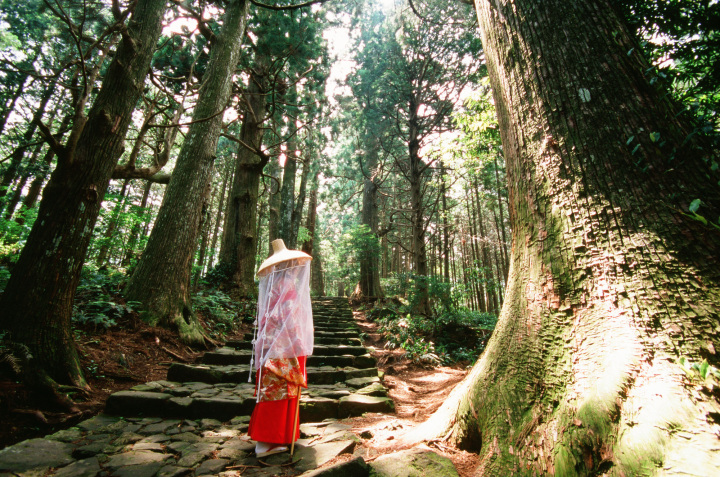
This moss-covered stone-paved path stretches for approximately 500 meters, with an elevation gain of around 100 meters, and is framed by ancient cedar trees more than 800 years old. Along the way, you’ll encounter the remains of a former checkpoint, Furigase Bridge—said to mark the entrance to the sacred precinct—and a pair of cedars standing side by side like a married couple.
Column
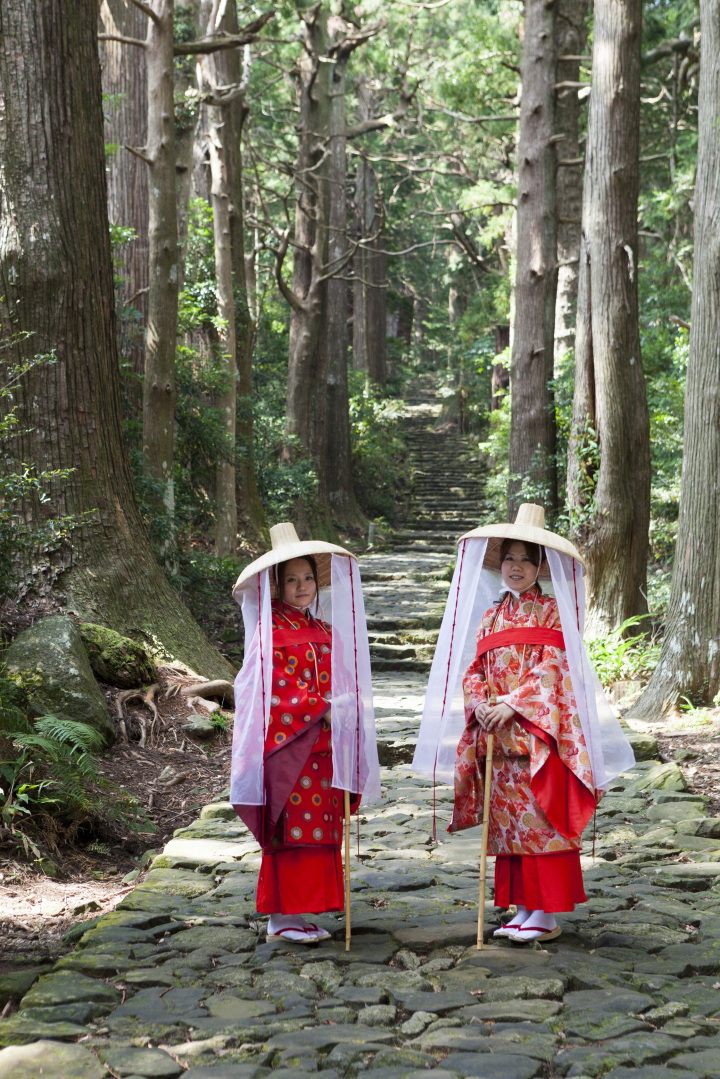
Heian-Period Costume Experience
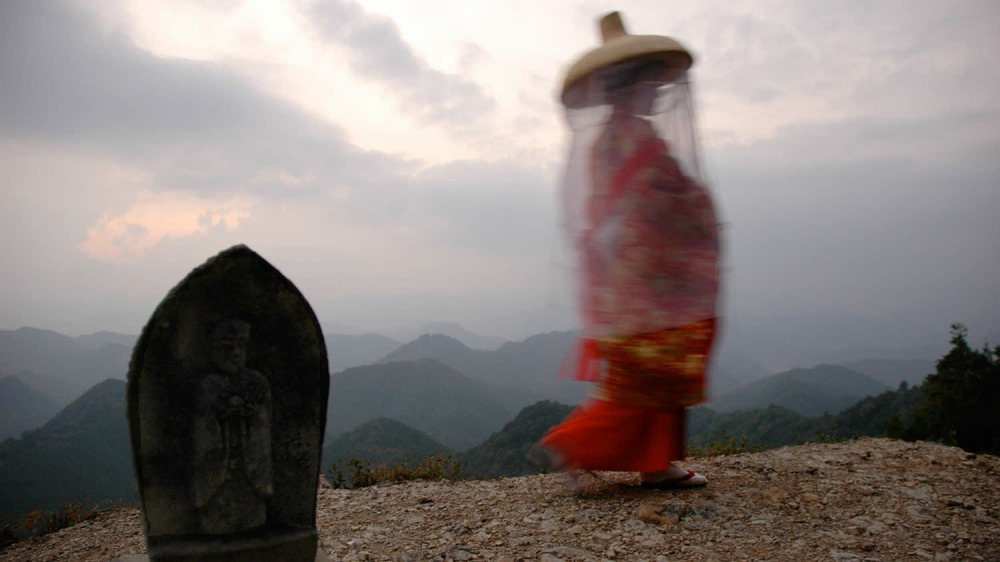
Daimonzaka Chaya, near the entrance to Daimonzaka, offers Heian-period costume rentals. Dress in attire inspired by the clothing of the time and explore the Kumano Kodo.
Enjoy a one-of-a-kind experience in Wakayama that’s a little different from the everyday. Follow in the footsteps of pilgrims from centuries past, dressed as they would have been, and immerse yourself in the mystical atmosphere of the Kumano Kodo.
Tafuke-oji Shrine
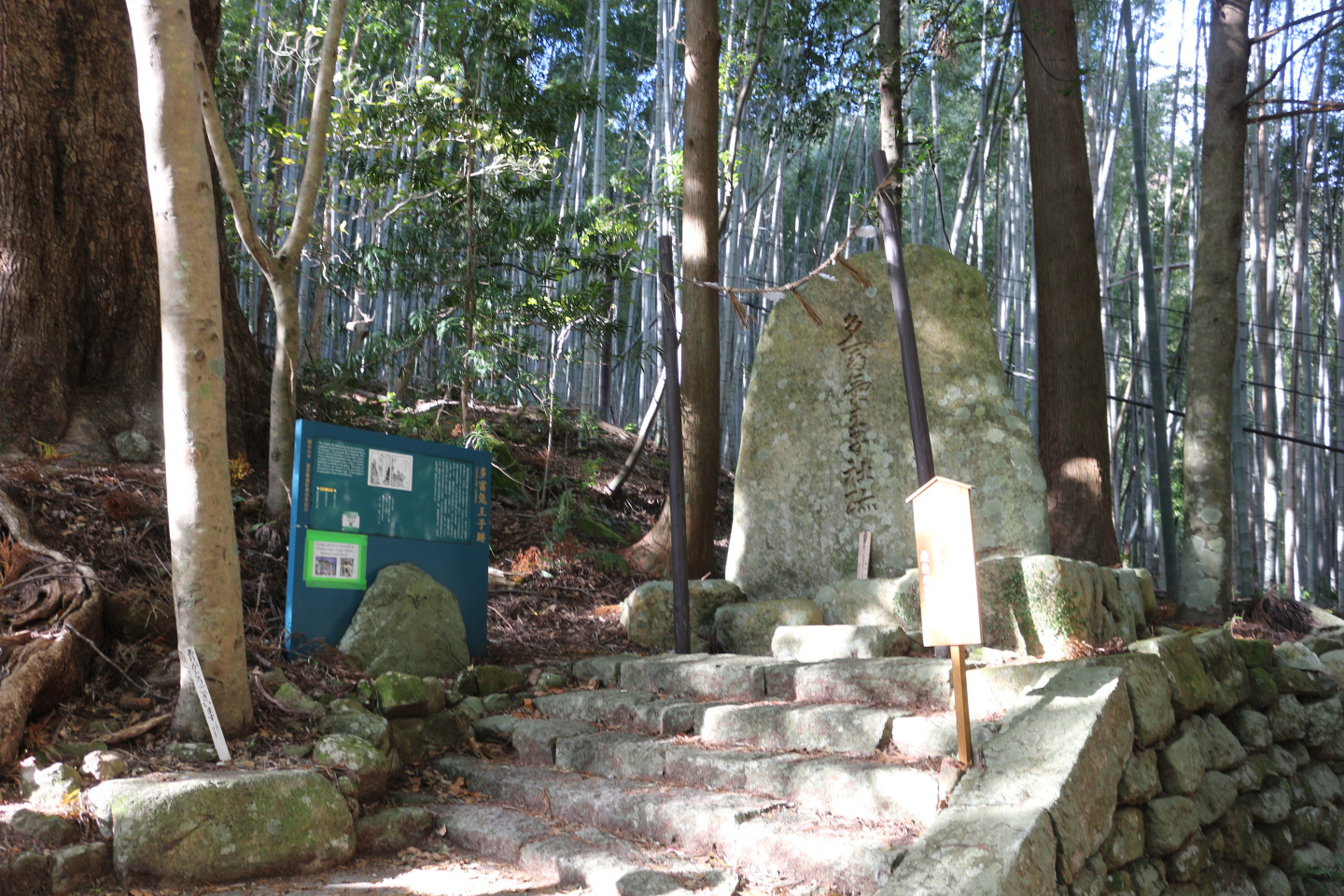
A short walk along Daimonzaka brings you to Tafuke-oji, the last of the Oji shrines on the Nakahechi route of the Kumano Kodo. Oji shrines were places where pilgrims prayed for a safe journey and served as landmarks along the way.
Shopping Street
After climbing the 267 steps of Daimonzaka, you’ll soon reach a road lined with places to take a break, including restaurants and souvenir shops.
You can stop here for a rest, or visit the shrine first and come back afterward.
The route includes around 470 steps uphill.
Kumano Nachi Taisha Grand Shrine
A center of Kumano worship, renowned for its beautiful vermilion-lacquered shrine buildings
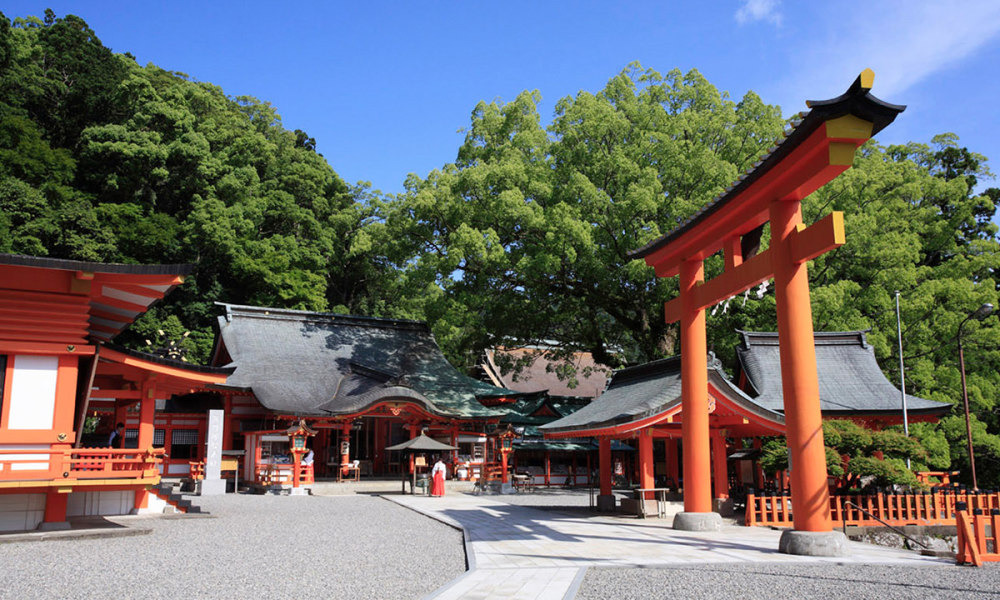
Together with Kumano Hayatama Taisha and Kumano Hongu Taisha, Kumano Nachi Taisha is known as one of the Kumano Sanzan, or Three Grand Shrines of Kumano. It is part of the UNESCO World Heritage Site “Sacred Sites and Pilgrimage Routes in the Kii Mountain Range,” and its shrine buildings are designated Important Cultural Properties of Japan.
With a history spanning approximately 1,700 years, this peaceful sanctuary is ideal for visitors seeking to experience the profound spirituality and natural beauty of Japan. Climb the 463 stone steps amid the changing seasons, and you’ll find six vermilion-lacquered shrine buildings. Their serene beauty is sure to bring a sense of calm.
Each shrine building enshrines a deity. The deities worshipped here are revered for bringing people together and helping fulfill a variety of wishes.
Nachisan Seiganto-ji Temple
Take in the breathtaking views of Nachi Falls!
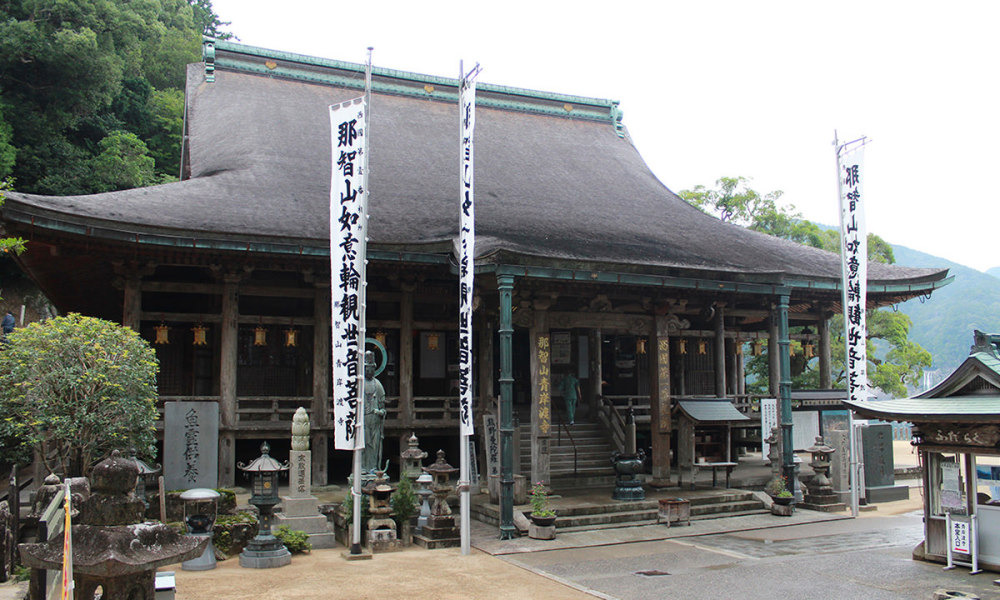
Seiganto-ji Temple is known as the first temple on the Saigoku Kannon Pilgrimage, Japan’s oldest pilgrimage route. It has long flourished as a place of worship. In 2004, it was inscribed as part of the UNESCO World Heritage Site “Sacred Sites and Pilgrimage Routes in the Kii Mountain Range,” and offers plenty to explore.
Rebuilt in 1590, the main hall showcases the natural beauty of its timber and the architectural techniques of the time.
Behind the main hall, enjoy a stunning view where the famous Nachi Falls and the vermilion three-story pagoda come together—a perfect spot for photos.
Nachi Waterfall
A breathtaking waterfall with Japan’s tallest single drop
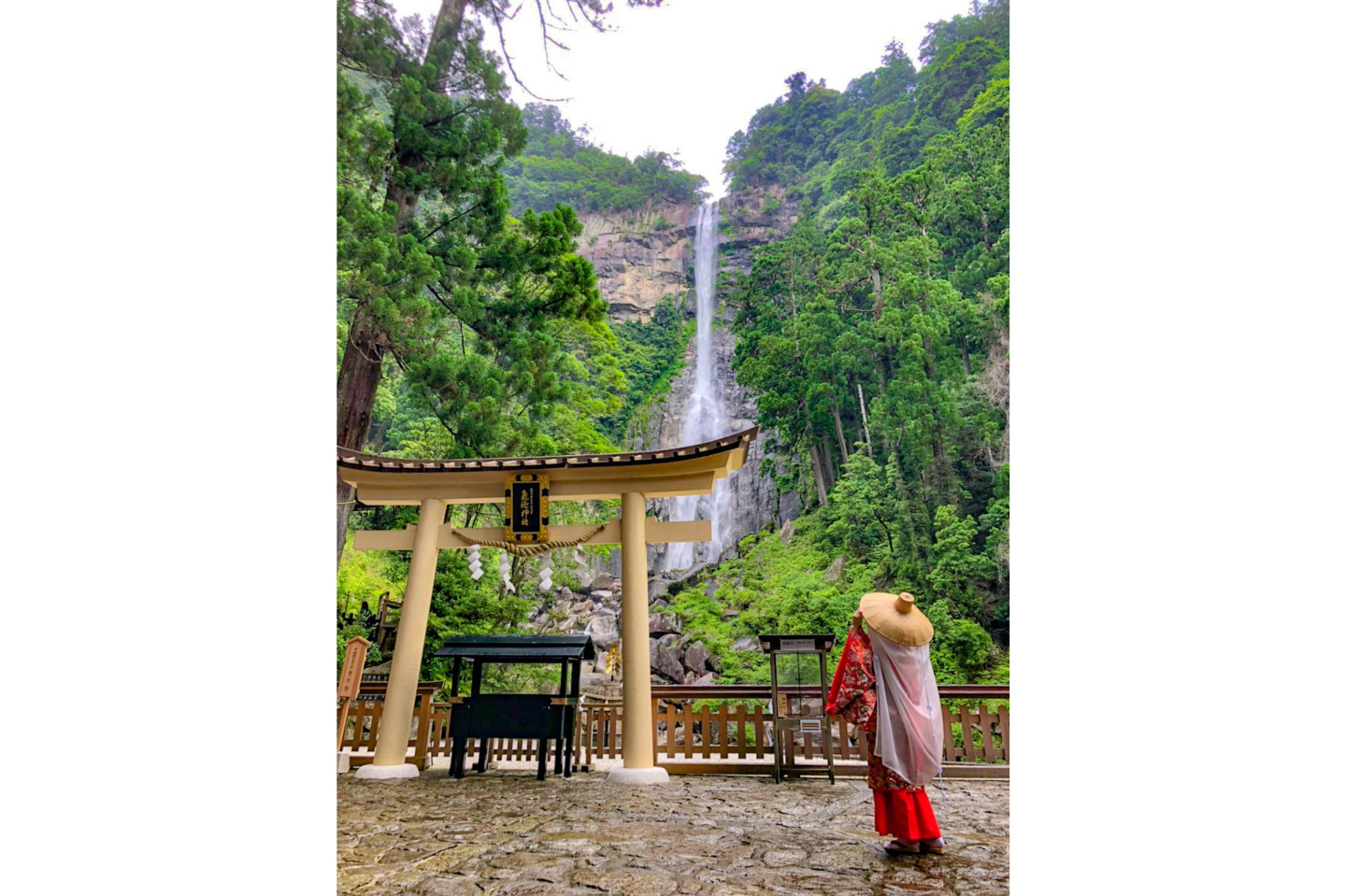
Nachi Falls is revered as the sacred object of worship at Hiro Shrine, an auxiliary shrine of Kumano Nachi Taisha.
One of Japan’s Three Great Waterfalls, Nachi Falls plunges 133 meters, with approximately one ton of water cascading down every second. The falls are 13 meters wide, and the stream divides into three channels—hence the name “Three-Stream Falls,” sometimes used to describe it.
From the viewing platform, you can see the falls head-on and feel their power up close. The water at the base of the falls is also believed to promote longevity. A sip of its pure water may refresh you after your journey.
Be sure to experience this beautiful and powerful spectacle, created by nature.