Kii-Tanabe Station → Takijiri-oji(Total walking distance: 24.6 km)
- Spring
- Summer
- Autumn
- Winter
- Time
- 1day
- Transportation
- walk
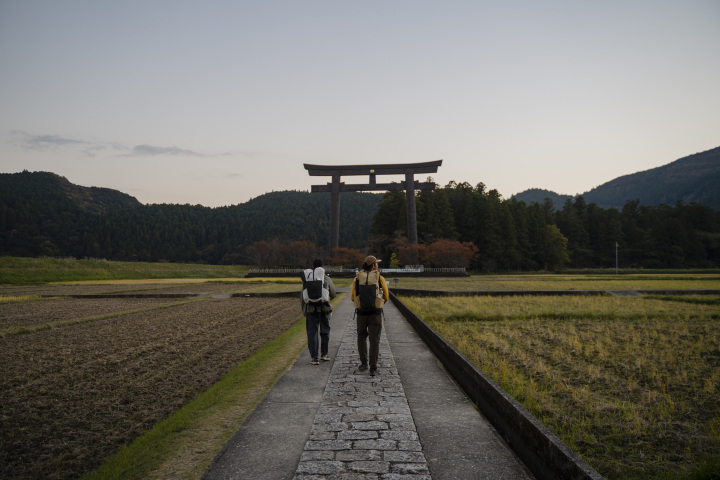
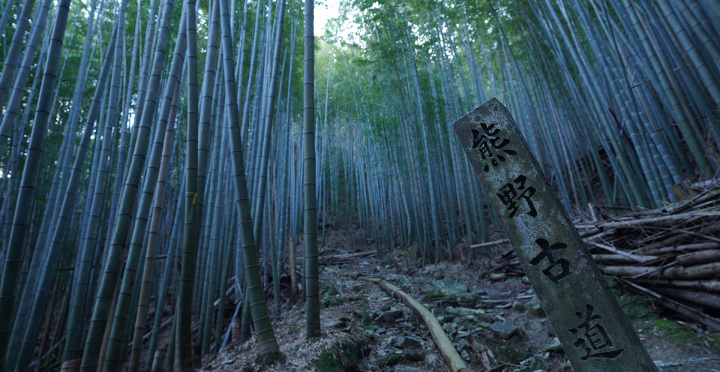
Nakahechi is often regarded as the quintessential Kumano Kodo route. Today, many people begin their walk at Takijiri-oji, located 25 km from Kii-Tanabe Station. However, the original starting point is Michiwake-ishi, near Kii-Tanabe Station.
First, pray for a safe journey at Tokei Jinja, a World Heritage site. Then, just like travelers of the past, begin your long-distance journey from Michiwake-ishi.
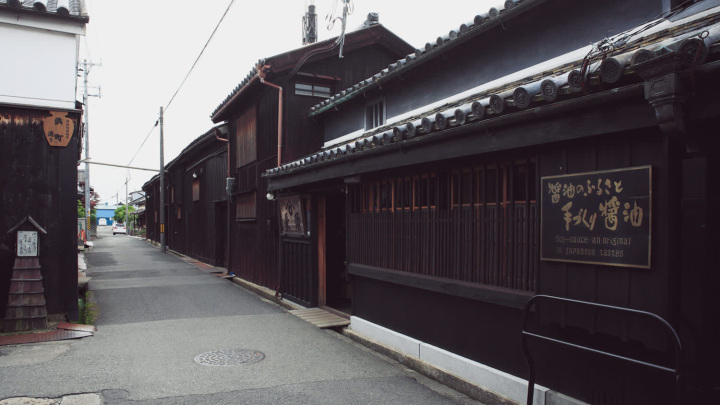
After leaving behind the bustle of the city and following the sites of the former oji shrines, the scenery gradually changes into a peaceful rural landscape. After walking a little over 10 km, mainly along paved roads, you will arrive at Inabane-oji.
In the past, a purification ritual called mizugori was performed at Inabane-oji using the clear waters of the Tonda River. From Inabane-oji, the route continues to Takijiri-oji, following the banks of the clear-flowing Tonda River.
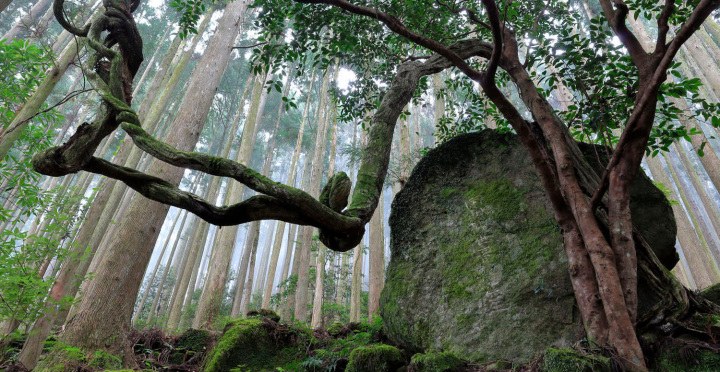
The greatest appeal of this section is the gradual transition in scenery—from the lively “city,” to the “rural villages” where people’s lives unfold, to the clear “river,” and finally to the deep “mountains,” a sacred realm.
※Click here for the top page of the Nakahechi Long Trail.
Kii-Tanabe Station
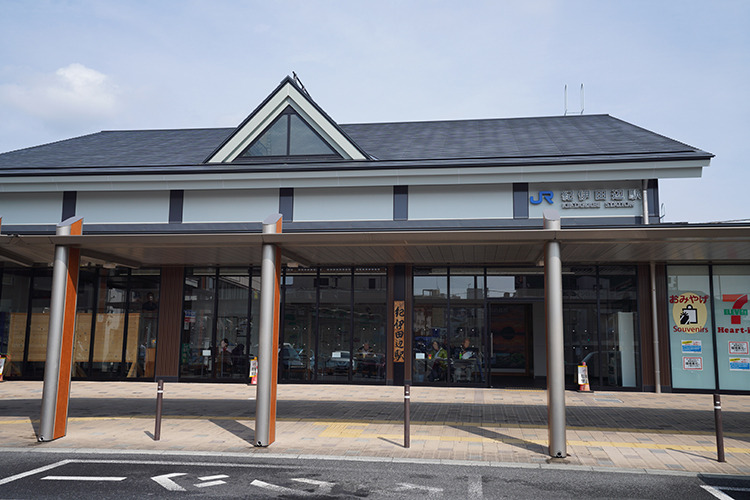
As the gateway station to the Nakahechi route, which leads to the Three Grand Shrines of Kumano, this area is bustling with visitors from around the world who come to walk the Kumano Kodo.
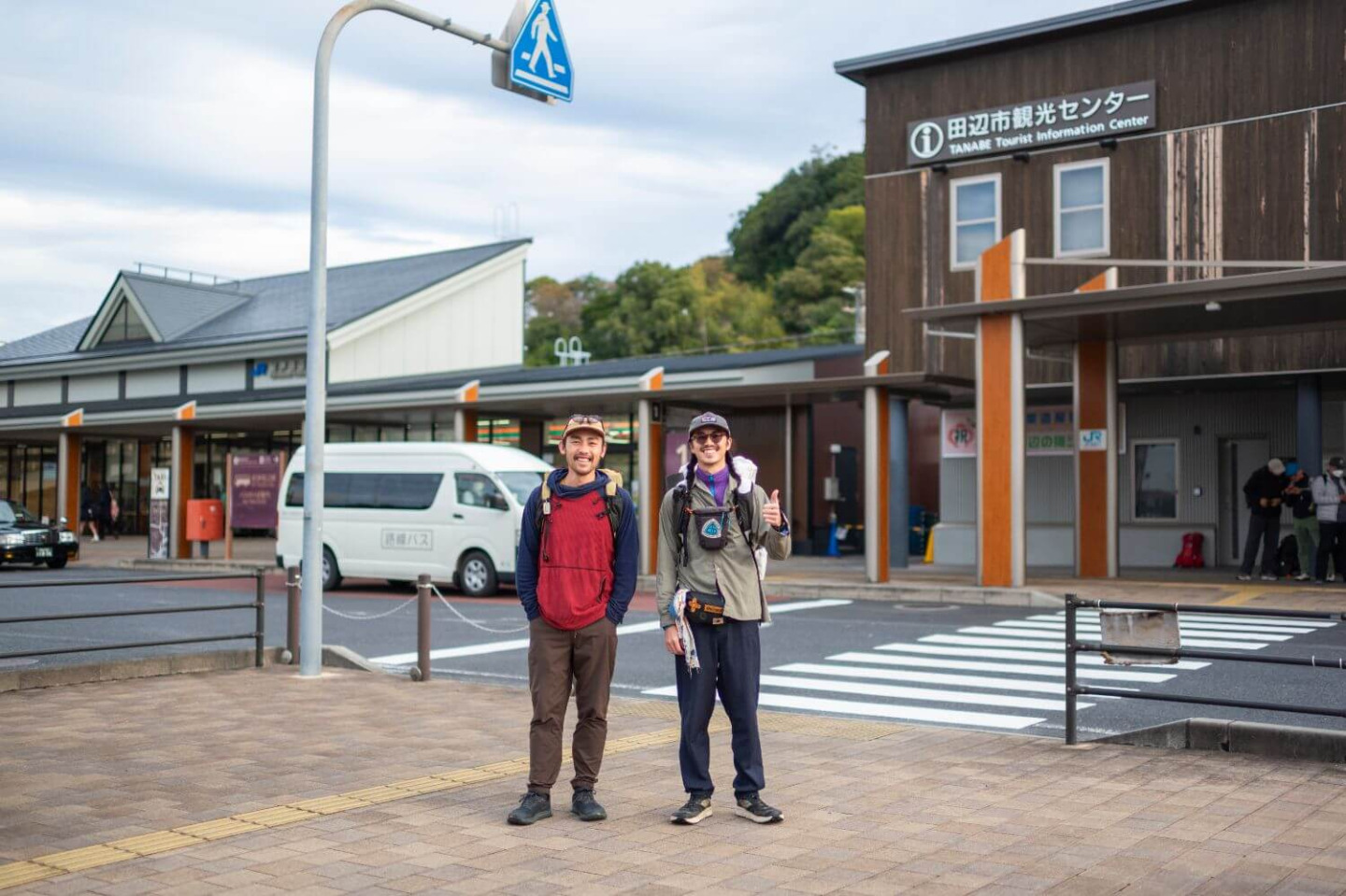
Numerous accommodations and restaurants can be found nearby, making it an ideal place to stay the night before your journey. There is also a tourist information center next to the station, so why not stop by to gather information for your walk along the Nakahechi route?
Column
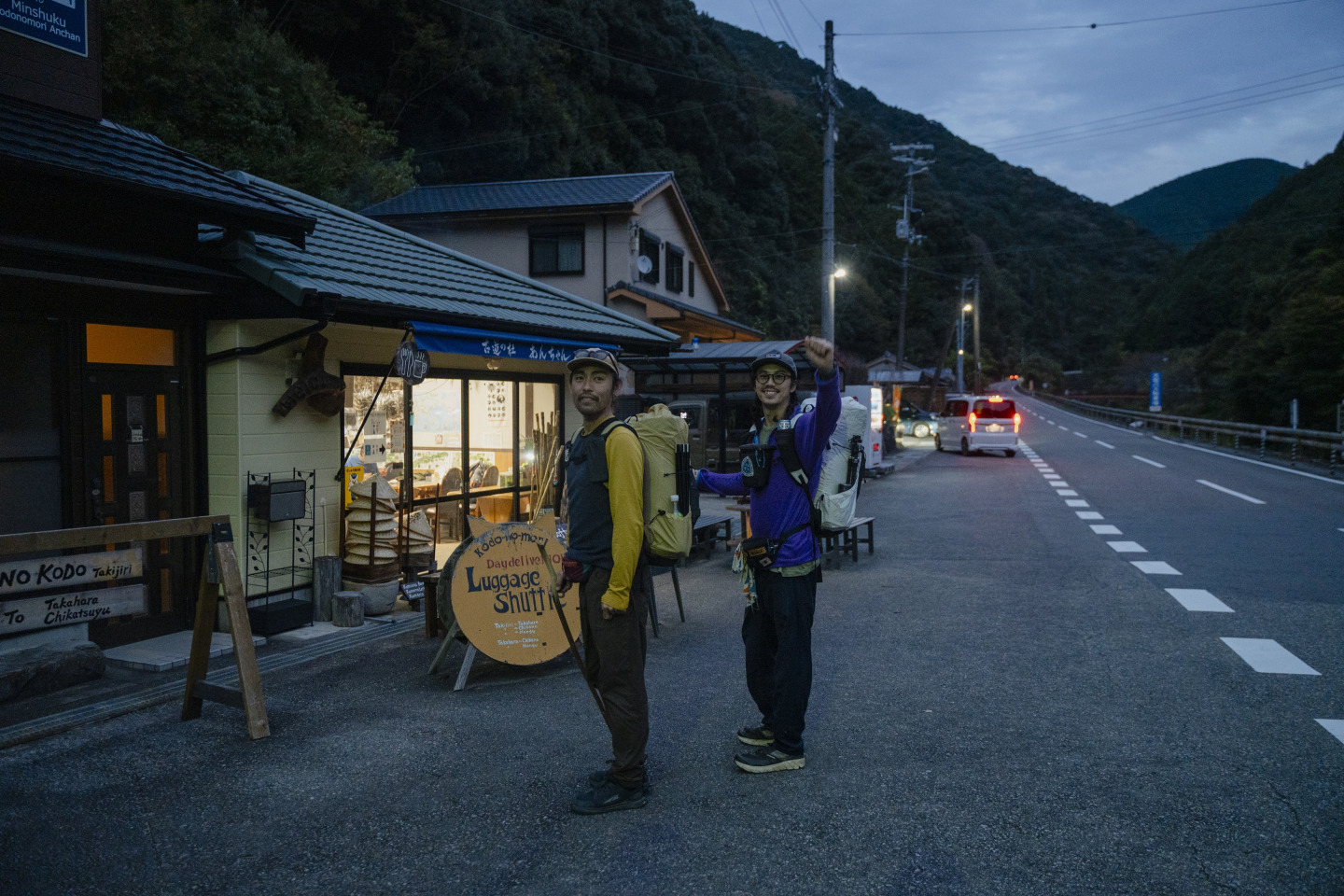
Luggage Forwarding Services
Would you like to complete a thru-hike of the Nakahechi route while carrying as little luggage as possible? If so, a luggage forwarding service is highly recommended.
There are many service providers along the Nakahechi route that will transport your luggage to a designated location, such as your accommodation for the day.

Tokei-jinja Shrine
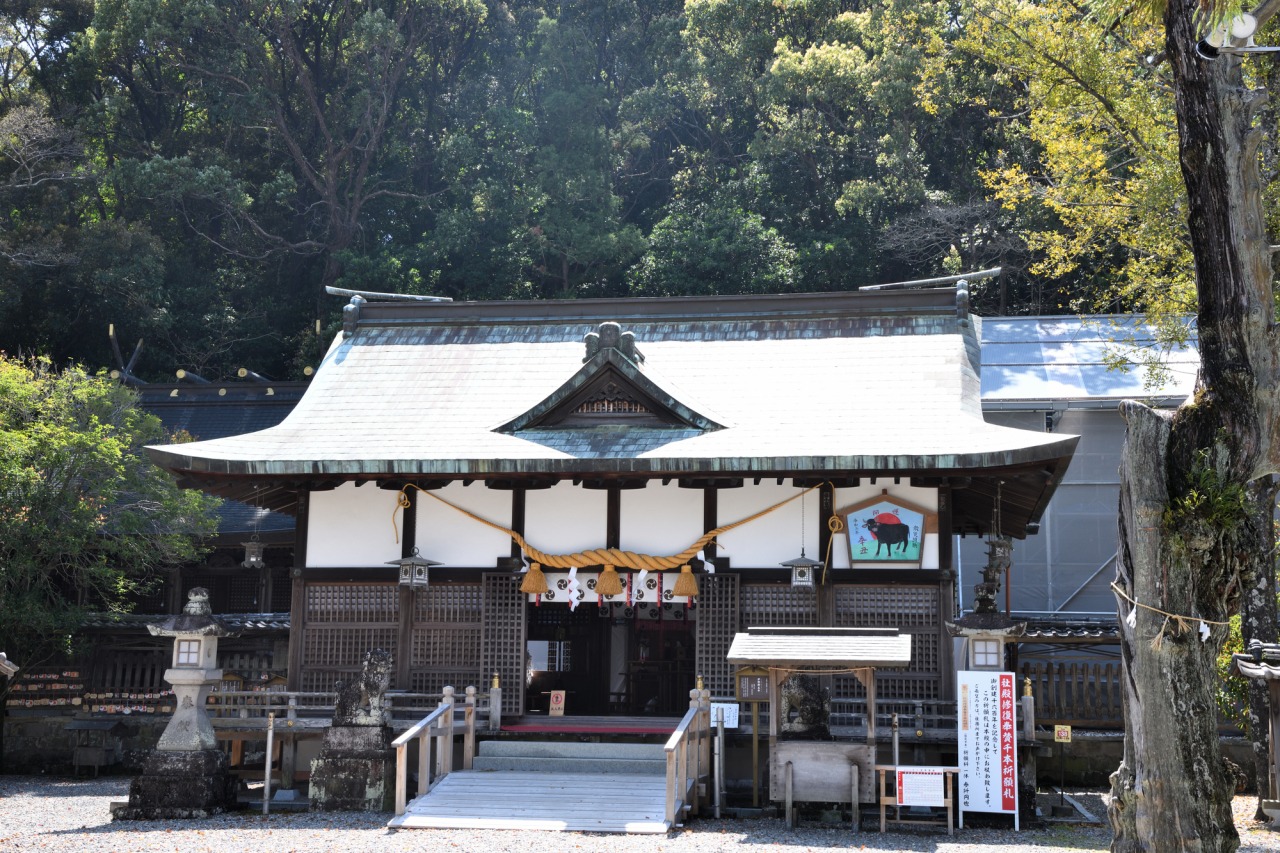
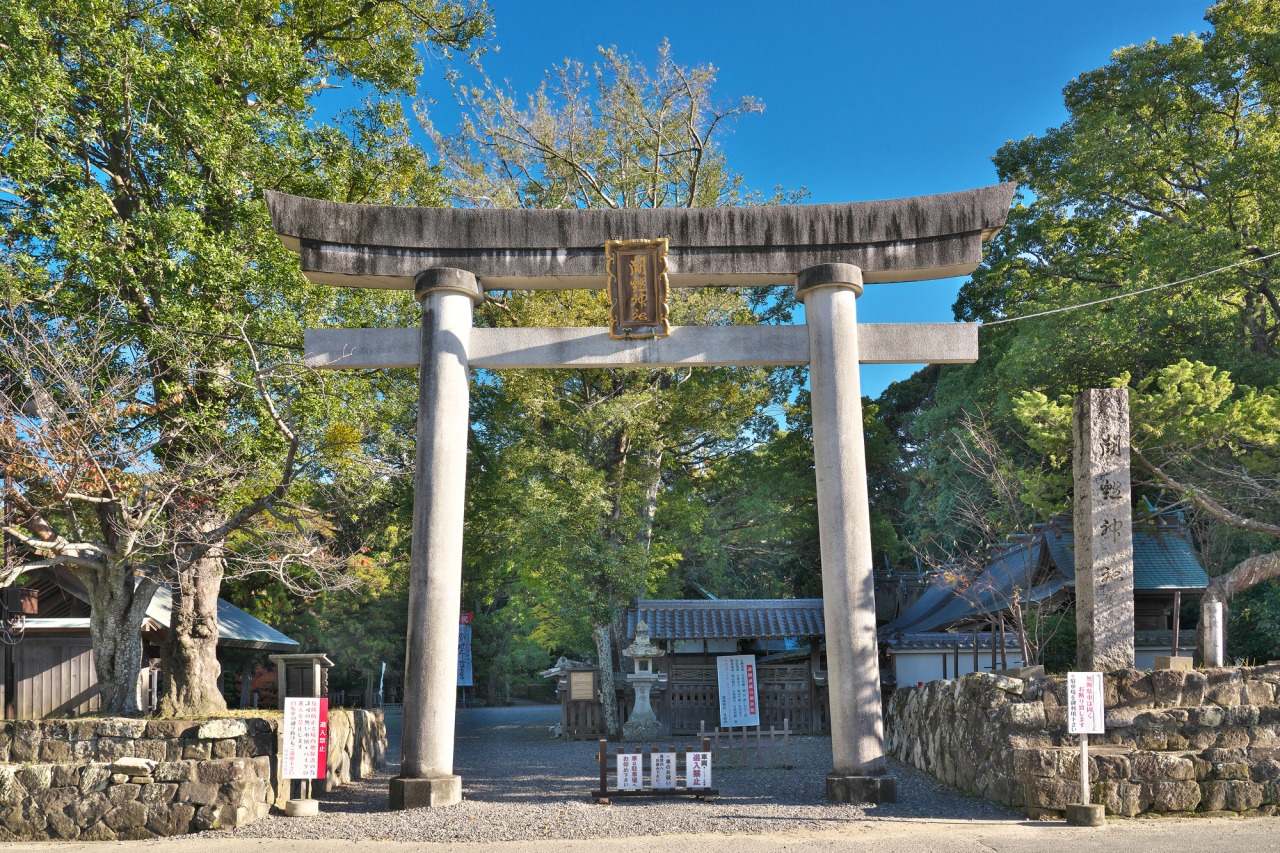
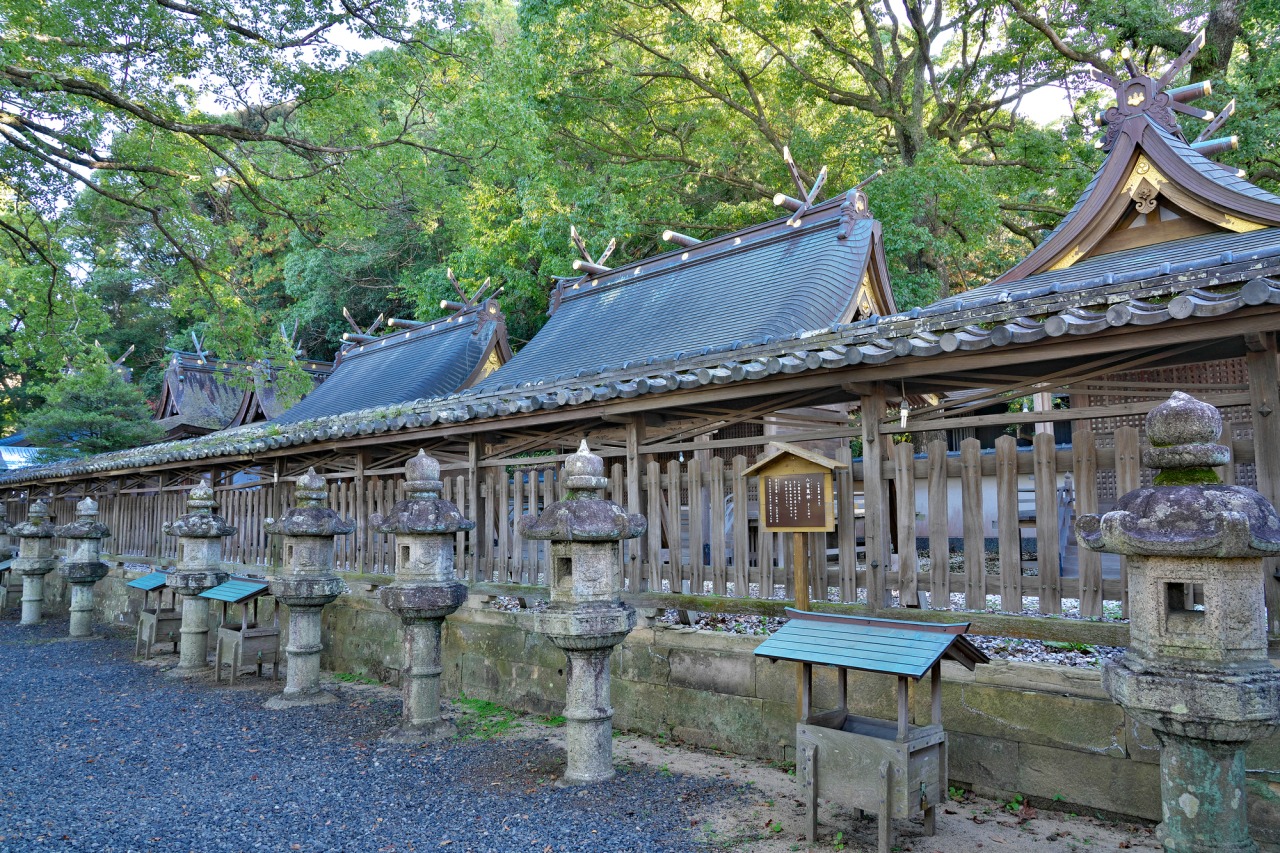
Tokei-jinja is a modest shrine newly included on UNESCO's list of Sacred Sites and Pilgrimage Routes in the Kii Mountain Range for its close ties to the renowned Kumano Sanzan shrines. Don't miss the morning market held there on the third Sunday of each month.
- Address
- 田辺市東陽1-1
- Telephone Number
- +81-(0)73-922-0155
- Open
- 08:30 - 17:00
Michiwake-ishi
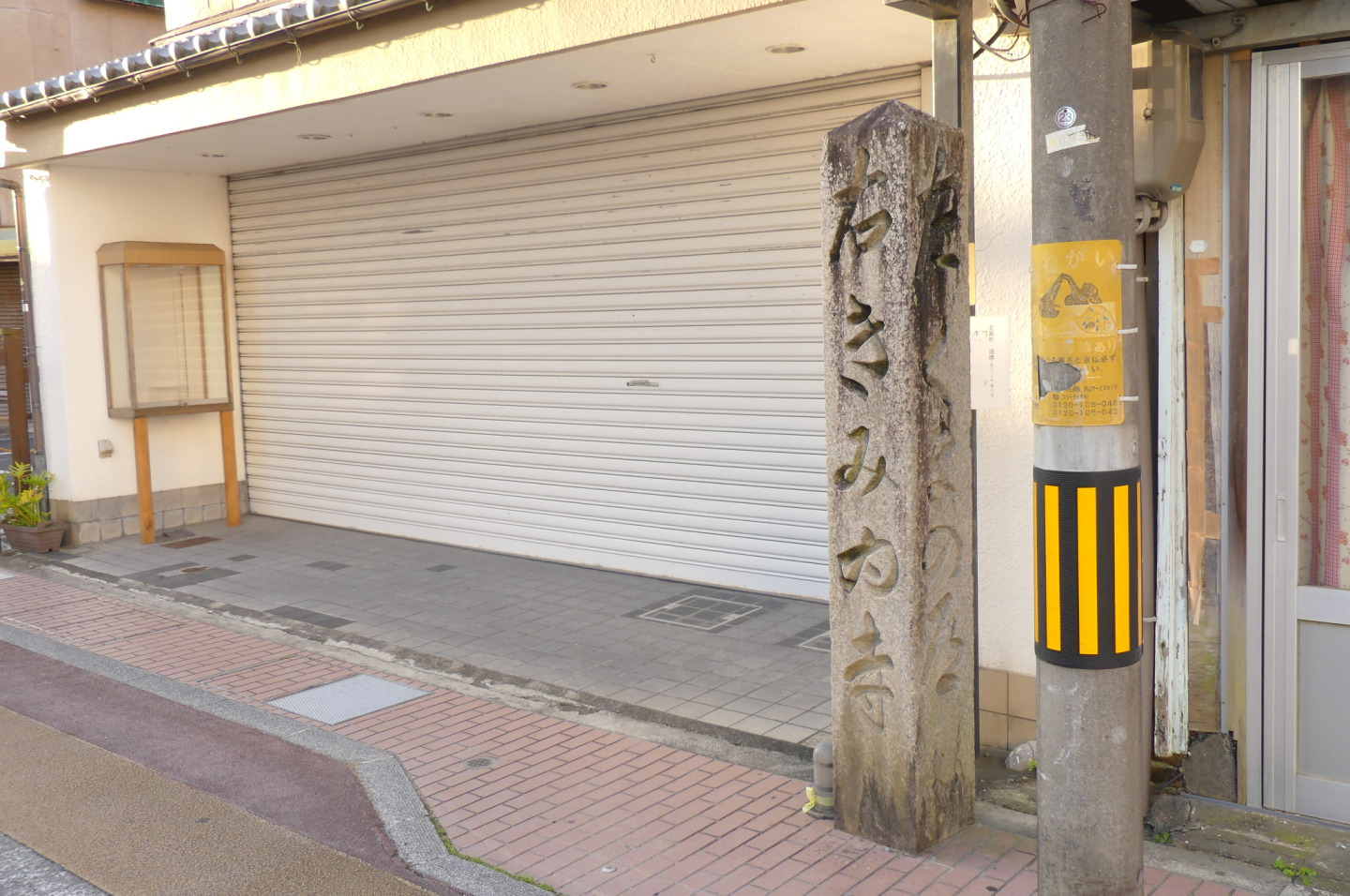
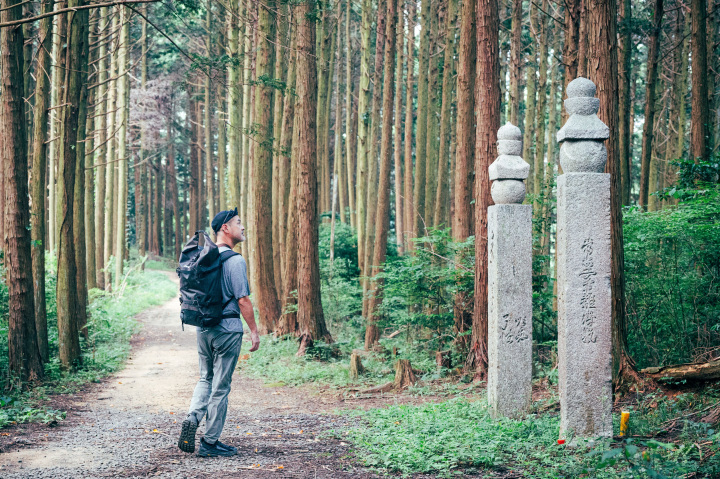
This is the junction where the Nakahechi and Ohechi routes diverge. When approaching from the north, you will see the inscription “Left: Kumano Road,” indicating that turning left will take you onto the Kumano Kodo Nakahechi route.
Akitsu-oji
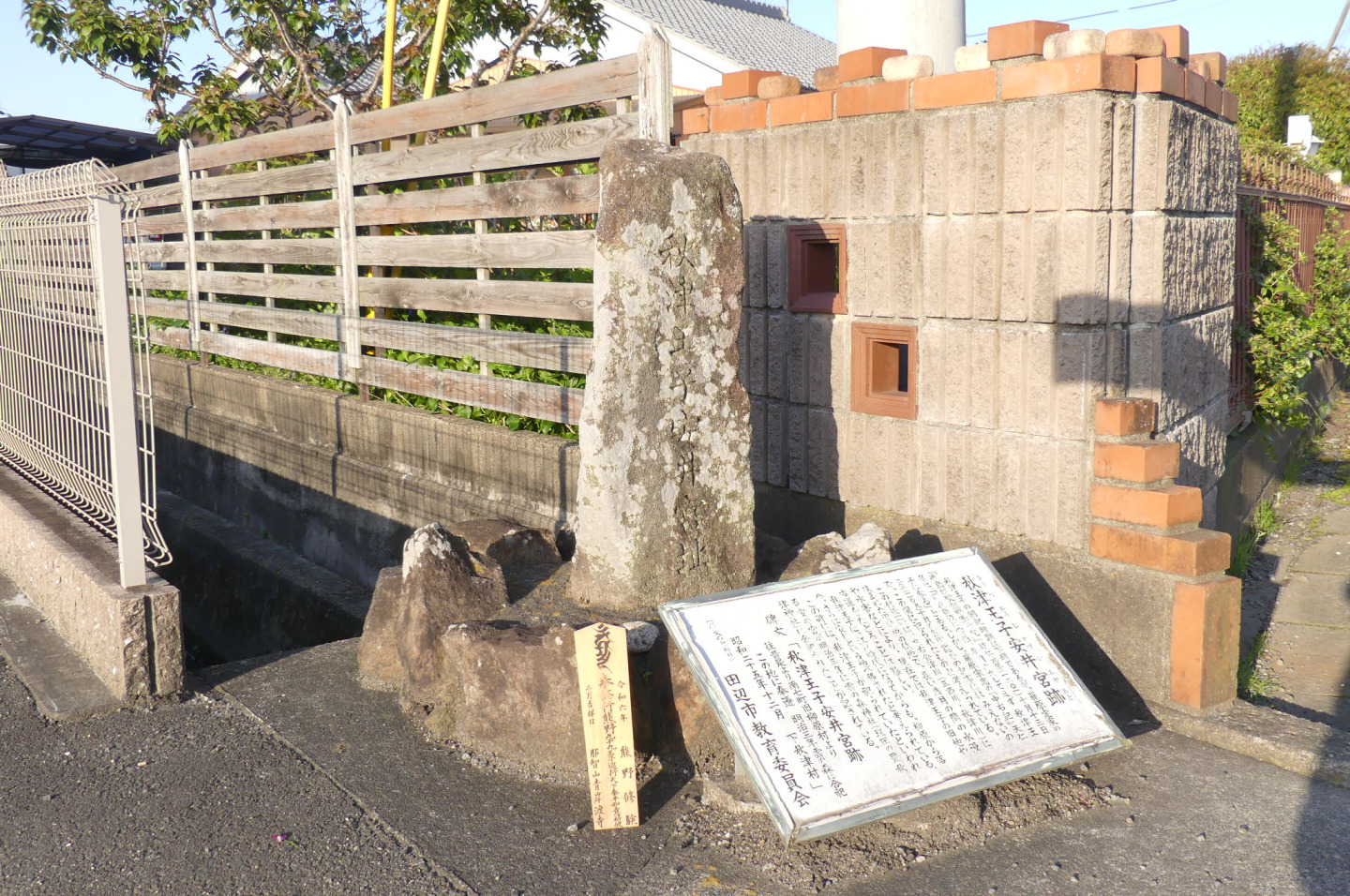
The name “Akitsu-oji” first appears in the Kumano Gokoki, a travel diary written by Fujiwara no Teika, a famous Japanese poet and court noble who visited Kumano. We know that Akitsu-oji was located somewhere in the Akitsu area. However, it was moved several times because of flooding, so the exact location of the original site is unknown.
Manro-oji/Maru-oji
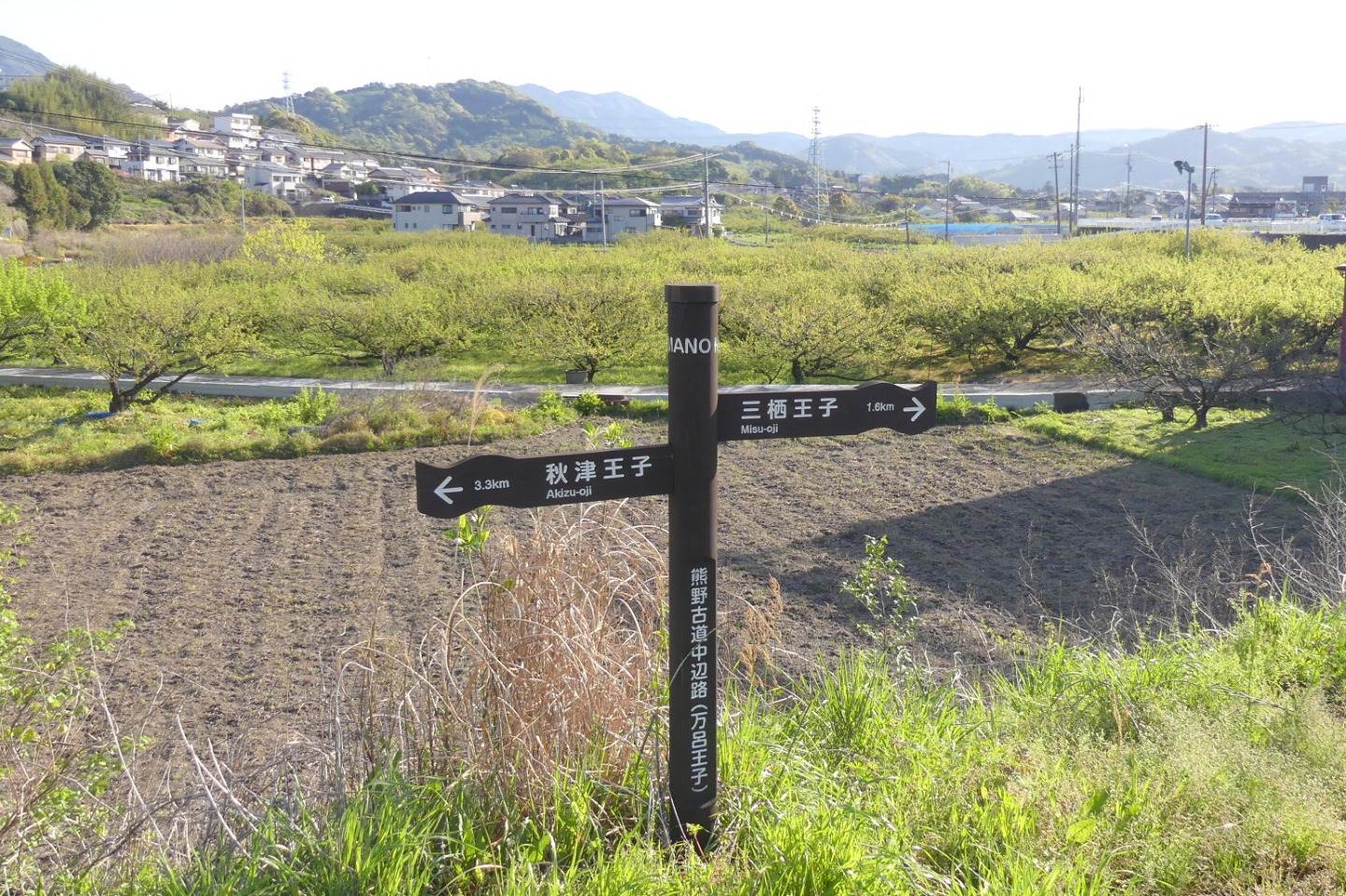
In his travel diary, the Kumano Gokoki, Fujiwara no Teika—a famous Japanese poet and court noble who visited Kumano—wrote that, after visiting Akitsu-oji, he “crossed the mountains and visited Maru-oji.”
Today, however, the mountain mentioned in his diary can no longer be identified. It is said that the site of Maru-oji was once a small sacred grove. In 1877, Maru-oji was merged with Susa Shrine, meaning that it came to be enshrined together with Susa Shrine. The former site was later turned into a rice field, and almost no trace of Maru-oji remains today.
Misu-oji
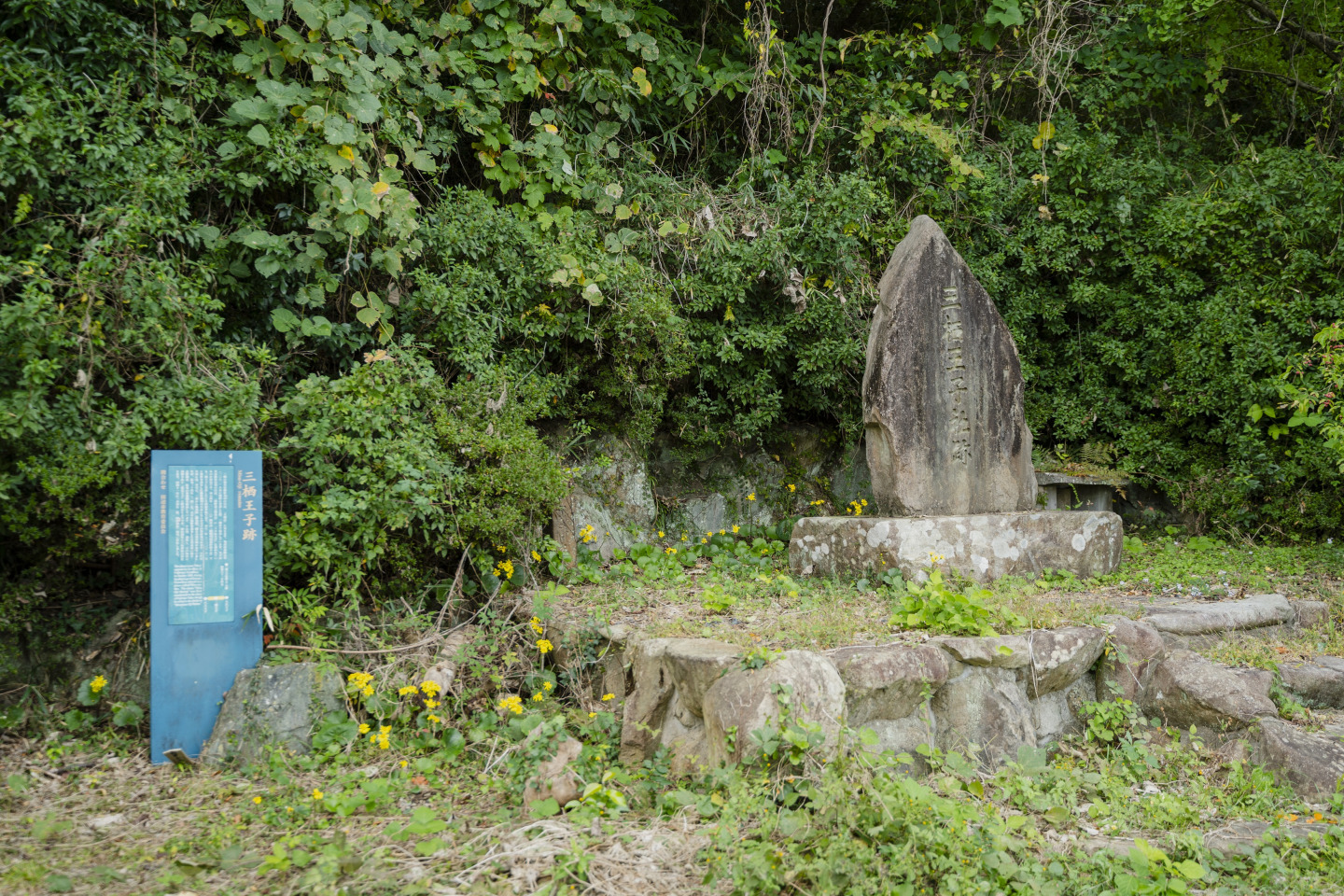
From the site of Manro-oji, cross the river and follow the path uphill behind the temple. Along the way, you will find a stone monument marking the former site of Misu-oji.
Today, Misu-oji is enshrined at Shuren Shrine, located along the route to Shiomi Pass.
Misu-oji was also known as Kagemi-oji. “Kagemi” can mean “seeing a shadow” or “seeing a reflection.” Because the shrine stood beside the river, its image could be seen reflected on the surface of the water.
Yakami-oji
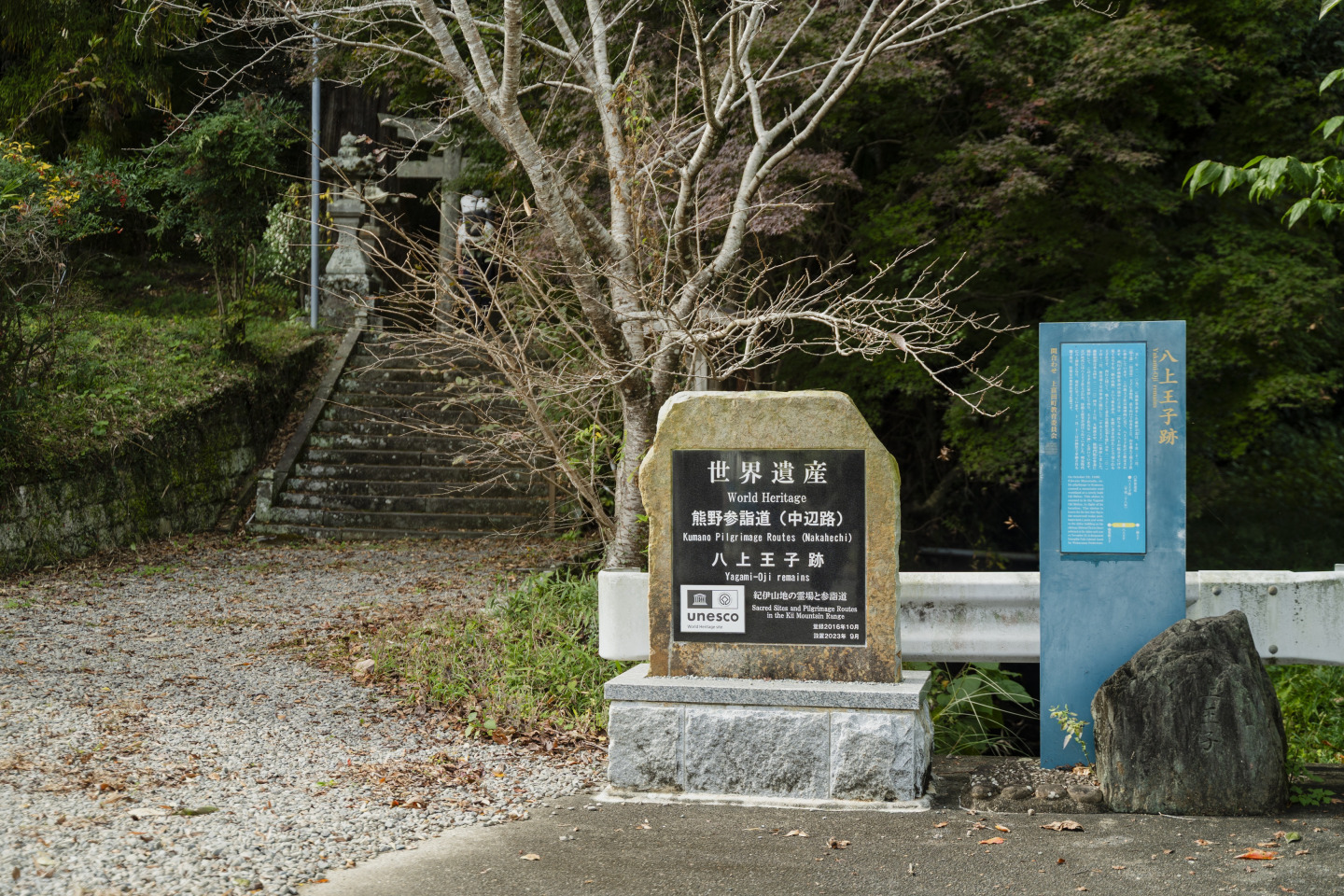
Yakami-oji is believed to have existed for a long time. A record from 1109 mentions a “new oji shrine” located beyond the mountains from Tanabe. This shrine is believed to have been Yakami-oji.
Inabane-oji
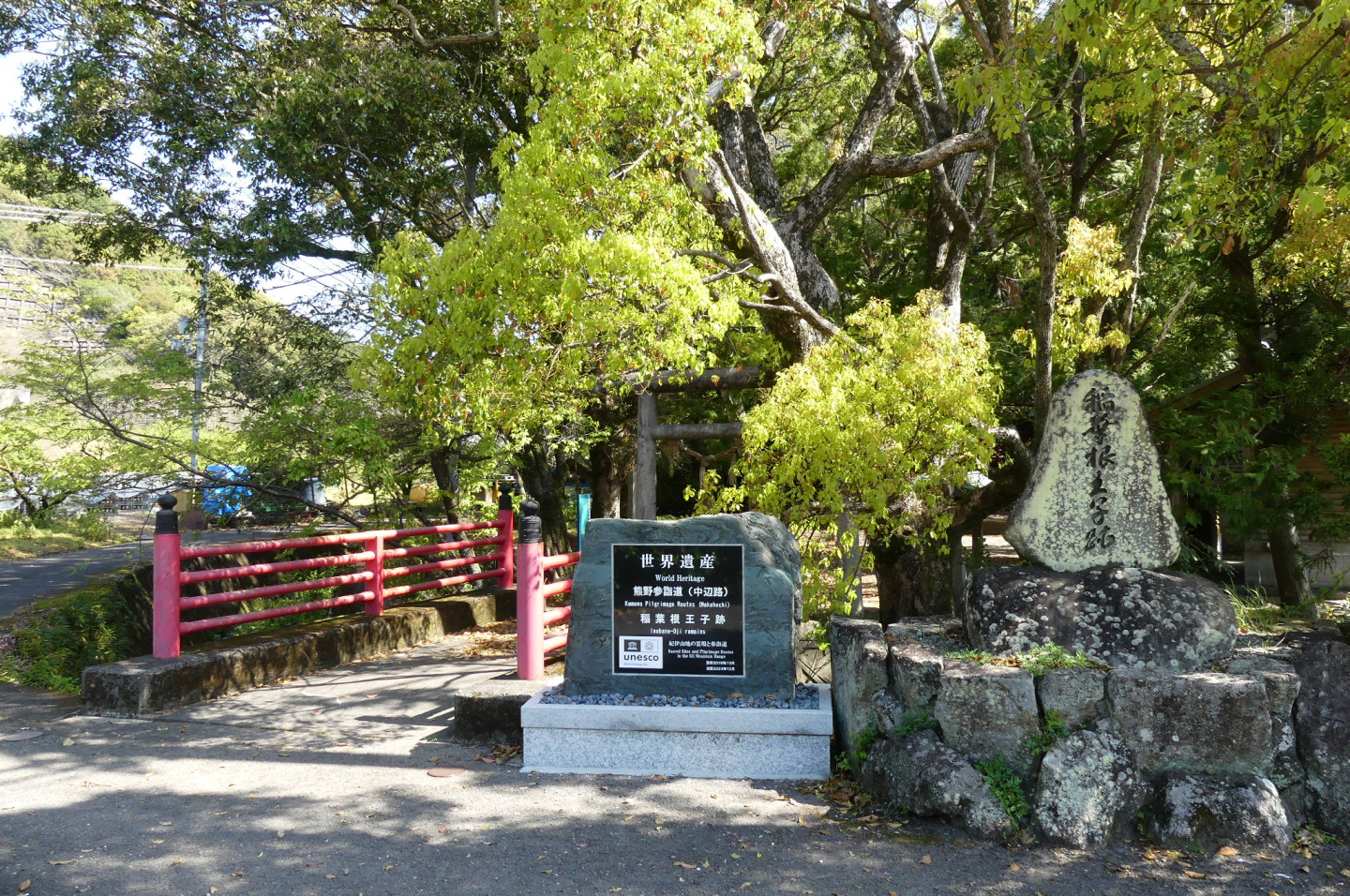
Inabane-oji was located near the entrance to Oji-dani, just off National Route 311 in Kamitonda Town.
It was one of the five most important oji shrines along the Kumano Kodo. Its name appears in a record from 1109, showing that it has a long history. The shrine was also deeply respected by pilgrims.
It stood near a place where travelers crossed the Tonda River. Before crossing the river, travelers left their horses at Inabane-oji and purified themselves in the water. They then crossed the river and continued their journey to Ichise-oji on the other side.
Column
Mizugori
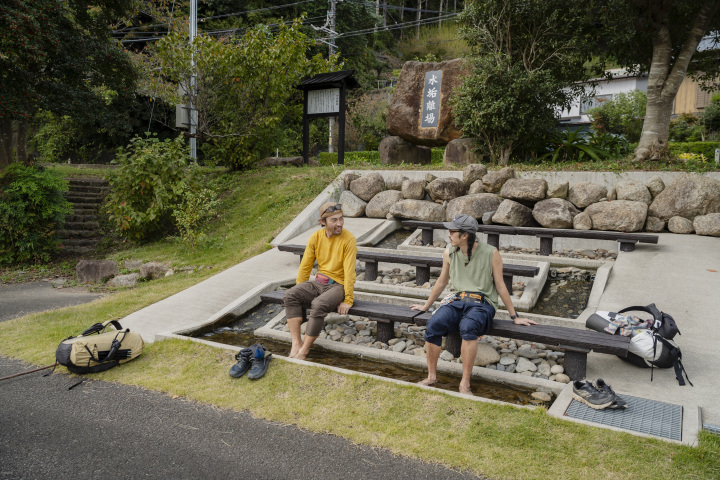
Mizugori is a purification ritual in which people bathe in river water to wash away impurities and cleanse their bodies.
It is believed that this ritual was once performed here at Inabane-oji. Today, a purification area has been created where visitors can experience mizugori in a traditional-style setting.
Ichinose-oji
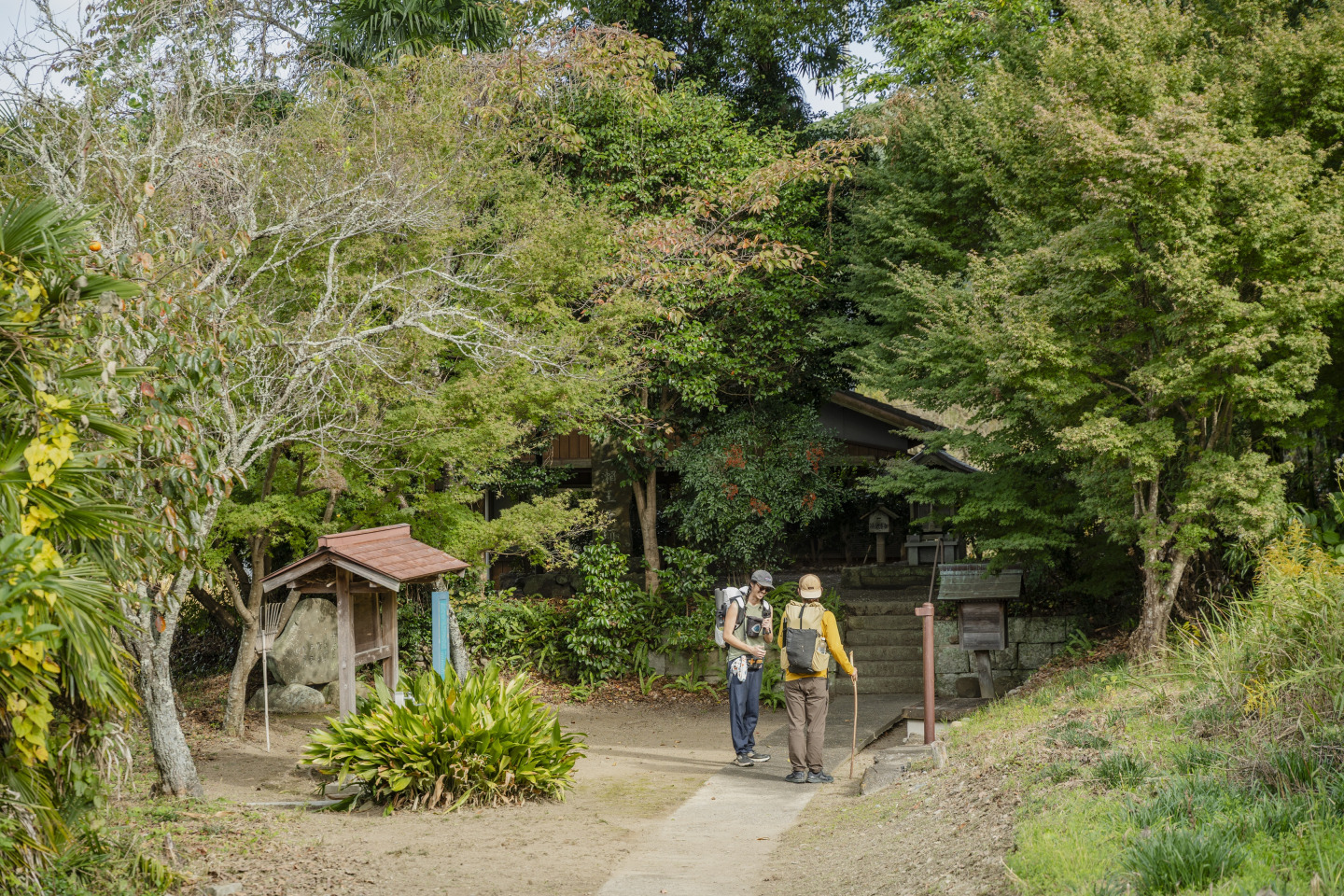
The name Ichinose-oji appears in the Kumano Gokoki, a travel diary about a pilgrimage to Kumano. The name comes from Ichinose, a river crossing where pilgrims purified themselves before entering the sacred Kumano area.
“ Ichinose” means the first river crossing on the route. Pilgrims performed a purification ritual there before continuing to Kumano.
By the early 1600s, the exact location of Ichinose-oji was no longer known. Later, an investigation ordered by the government identified the site, and the shrine was rebuilt in 1666.
In 1906, Ichinose-oji came to be enshrined together with Kasuga Shrine. Today, a small shrine stands beside a large camphor tree in the shrine grounds, and a stone monument marks Ichinose-oji.
Column
Kumano Furusato Shokudo “Sharihan“
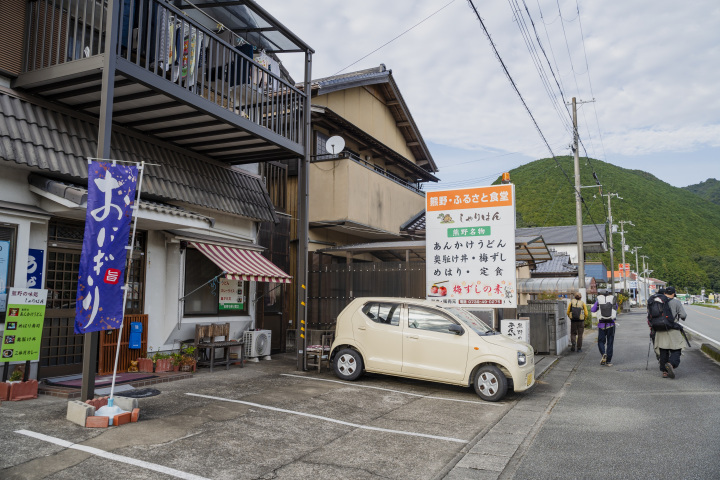
On the way to Ayukawa-oji, you will find a local diner loved by the people in the area.
Stop by for a meal and recharge your energy after walking the Kumano Kodo.
Ayukawa-oji
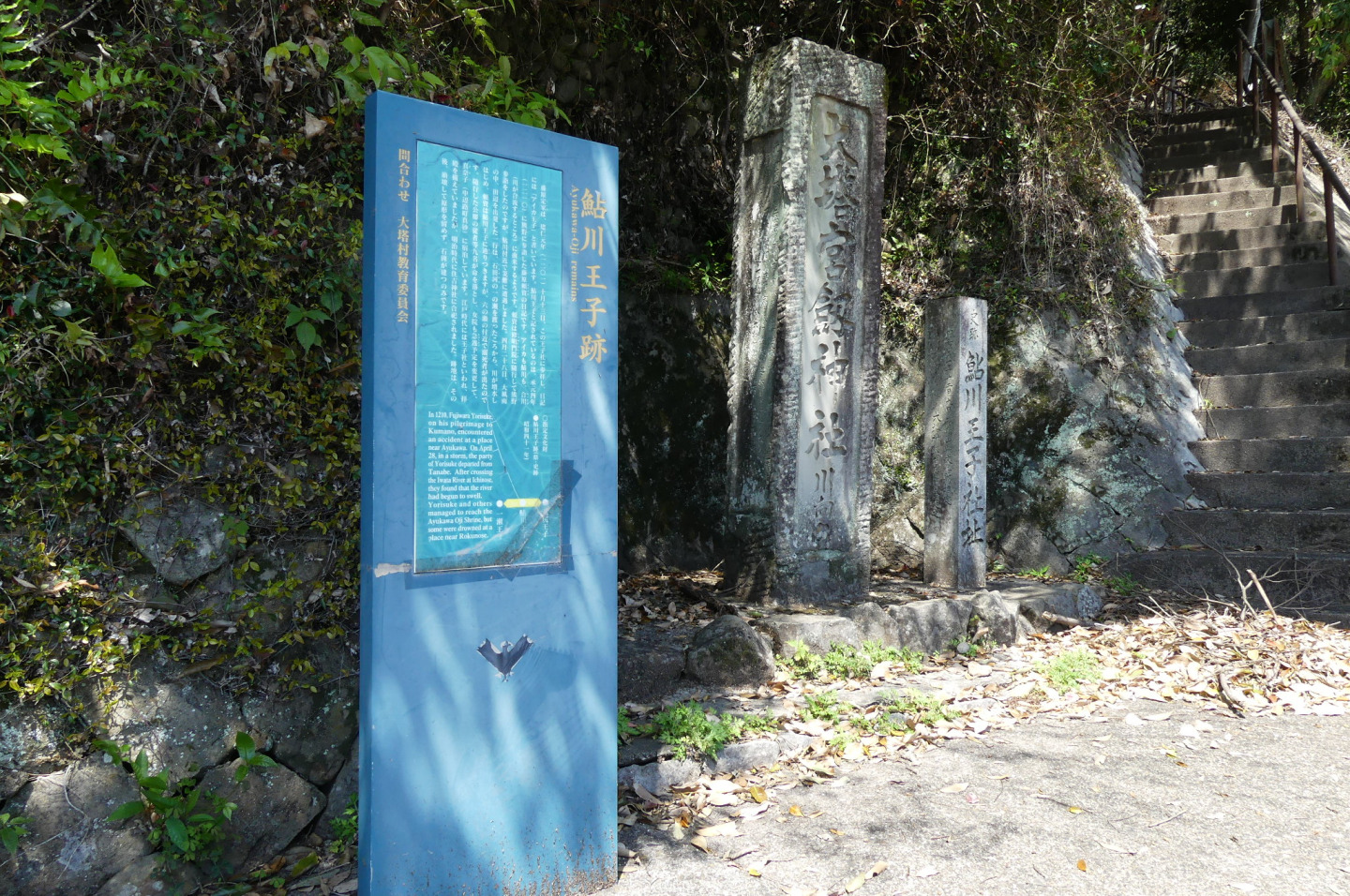
The shrine of Ayukawa-oji came to be enshrined together with Sumiyoshi Shrine, across the river, in 1874. The main hall of Ayukawa-oji was also moved to Sumiyoshi Shrine.
The area changed after a major flood in 1889, making it difficult to identify the exact location of the original site. It is believed to have stood near the northern end of Ayukawa Shinbashi Bridge.
Takijiri-oji
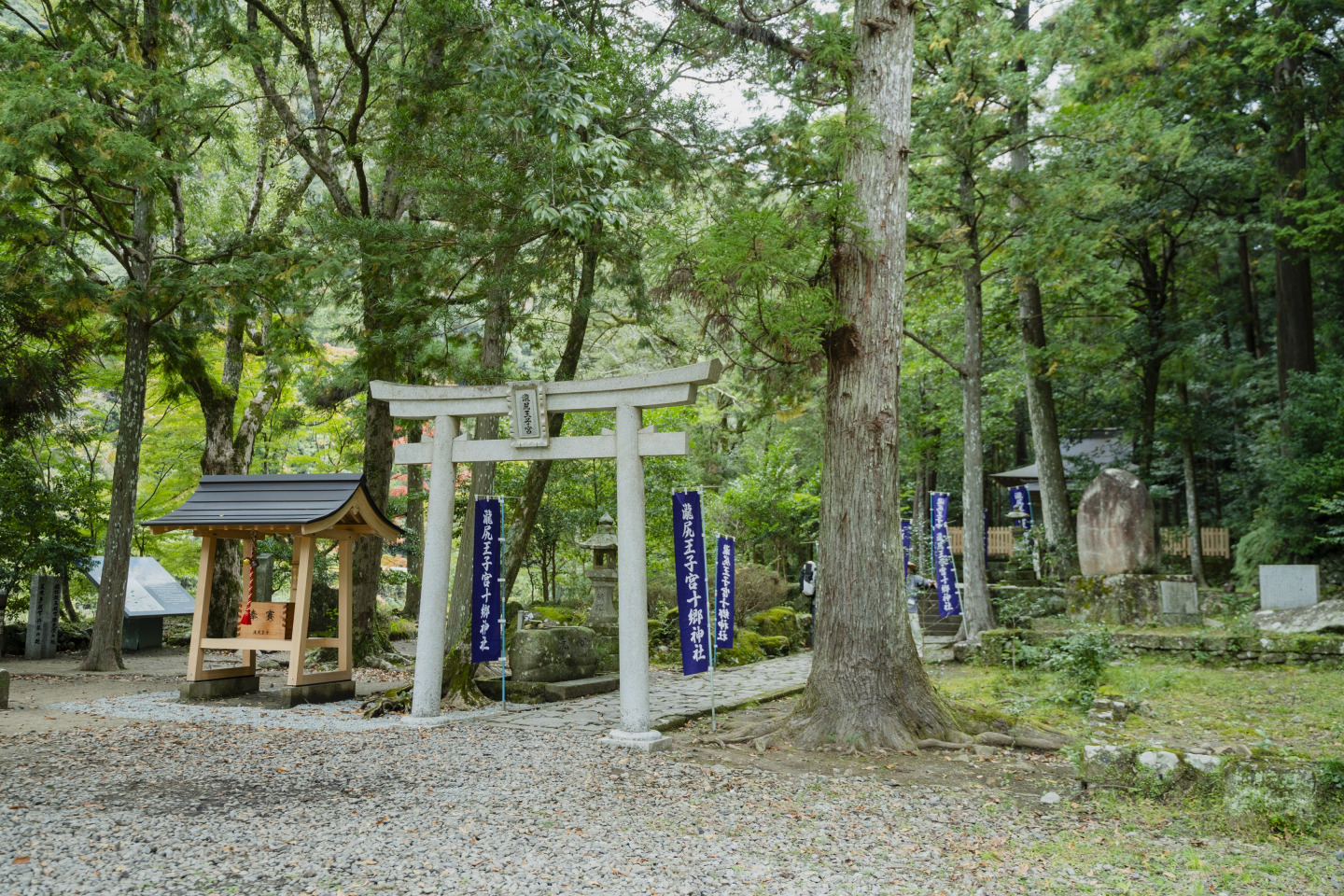
This oji shrine was one of the five special oji shrines along the Kumano Kodo and was highly respected.
In the past, people stayed here on their way to Kumano, and special ceremonies were held. It is said that this was the place where they first entered the sacred mountains of Kumano. This made the shrine an important gateway to the sacred area of the Kumano Sanzan.
Column
Kumano Kodo Kan Pilgrimage Center
Located across from Takijiri-oji, the Kumano Kodo Kan Pilgrimage Center is a visitor facility where you can find information about the Kumano Kodo and learn about its history.
The center has five areas: a tourist information desk, video presentations, historical exhibits, a rest area, and a shop selling souvenirs and other goods. Parking and restrooms are also available, making it a convenient base for walking the Kumano Kodo.
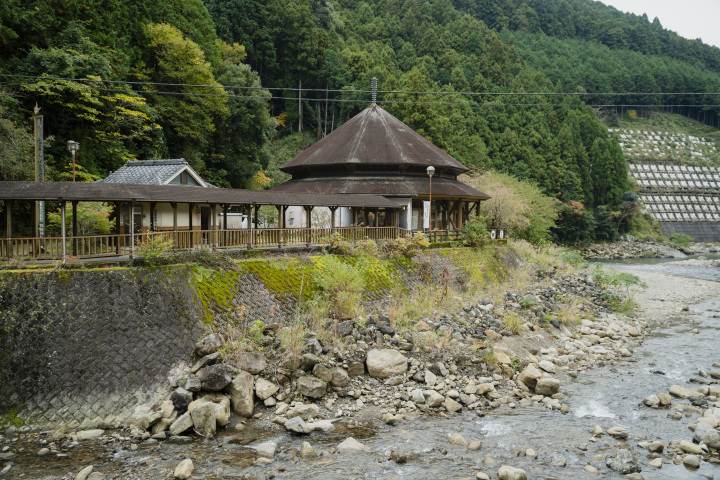
Tonight’s Accommodation
Please see the accommodations around Takijiri-oji here. Some accommodations also offer shuttle services.
Be sure to check the route for the following day as well!
- View the route for the following day
- View more