Day 2: Takijiri‑oji to Chikatsuyu (13 km)
- Spring
- Summer
- Autumn
- Winter
- Time
- 1 day
- Transportation
- walk
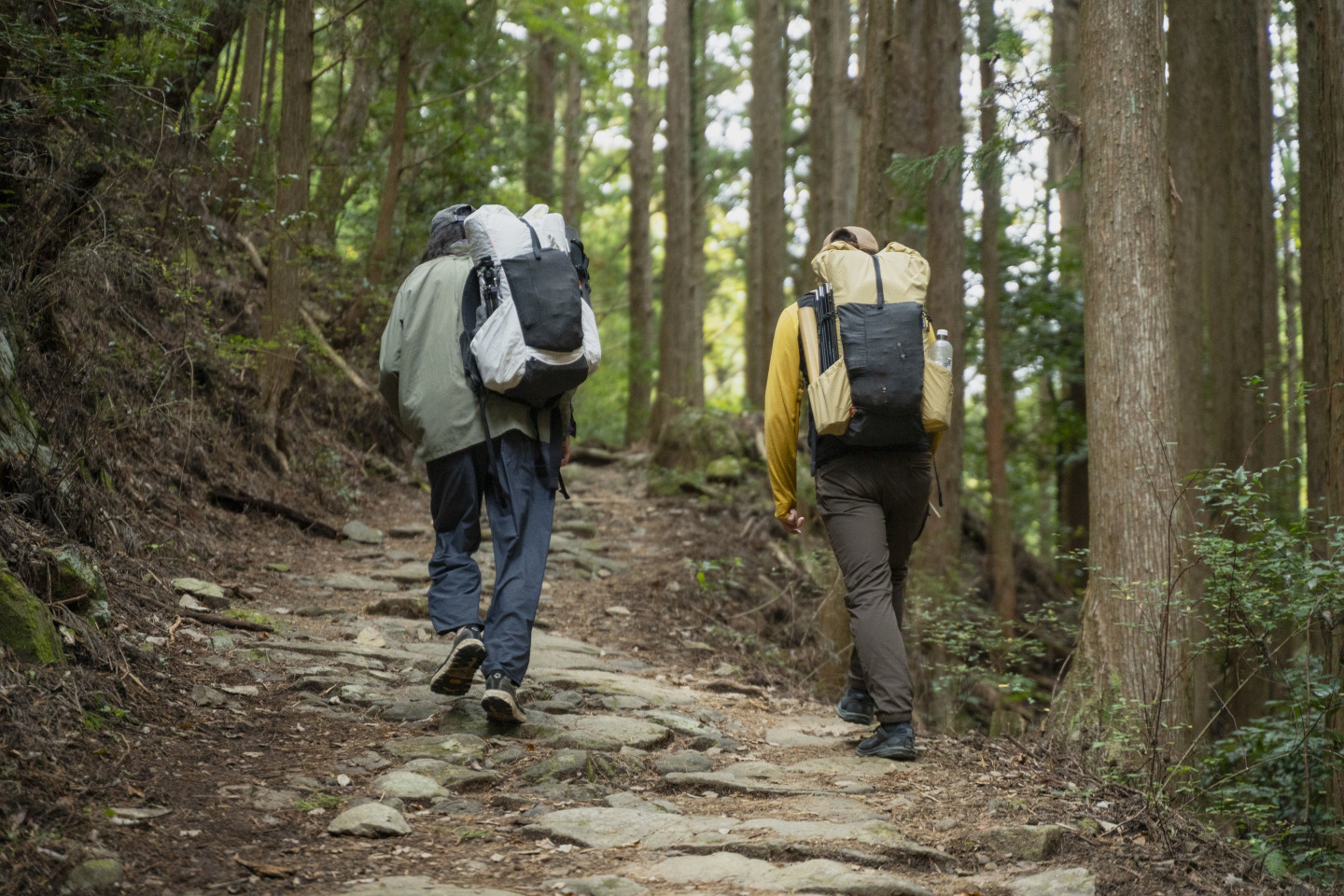
The route from Takijiri-oji to Kumano Hongu Taisha is also popular as a section hike for those who want to enjoy a challenging mountain hiking experience.
Before setting out, stop by the Kumano Kodo Kan Pilgrimage Center, located across the river from Takijiri-oji. There, you can learn about the history and culture of the Nakahechi route before you set out.
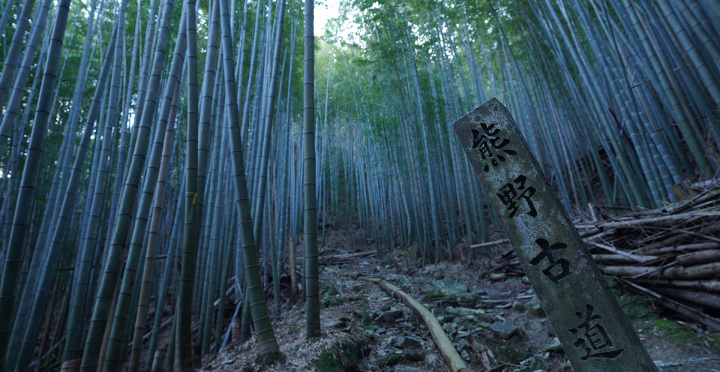
After visiting Takijiri-oji, one of the five most important oji shrines along the Kumano Kodo, the trail climbs steeply almost immediately. As you climb higher along the challenging trail, you will eventually reach Takahara, known as the “Village of Mist.”
At Takahara, the view suddenly opens up, offering a magnificent panorama of the Hatenashi mountain range.The spectacular views offer a welcome break after the climb.
The trail then leads back into the forest. After a series of ups and downs and visiting three oji shrines—Daimon-oji, Jujo-oji, and Osakamoto-oji—you soon reach Roadside Station Kumano Kodo Nakahechi.
After taking a short break at the roadside station, continue walking and you will soon reach the Gyuba Doji Statue, one of the symbols of the Nakahechi route. From the statue, Chikatsuyu is just a short walk away, a former post town along the Nakahechi route and today’s destination.
The Chikatsuyu area offers a range of accommodation options, including guesthouses, hostels, and campsites. Please note that it can become very crowded during the peak season.
※Click here for the top page of the Nakahechi Long Trail.
Nezu-oji
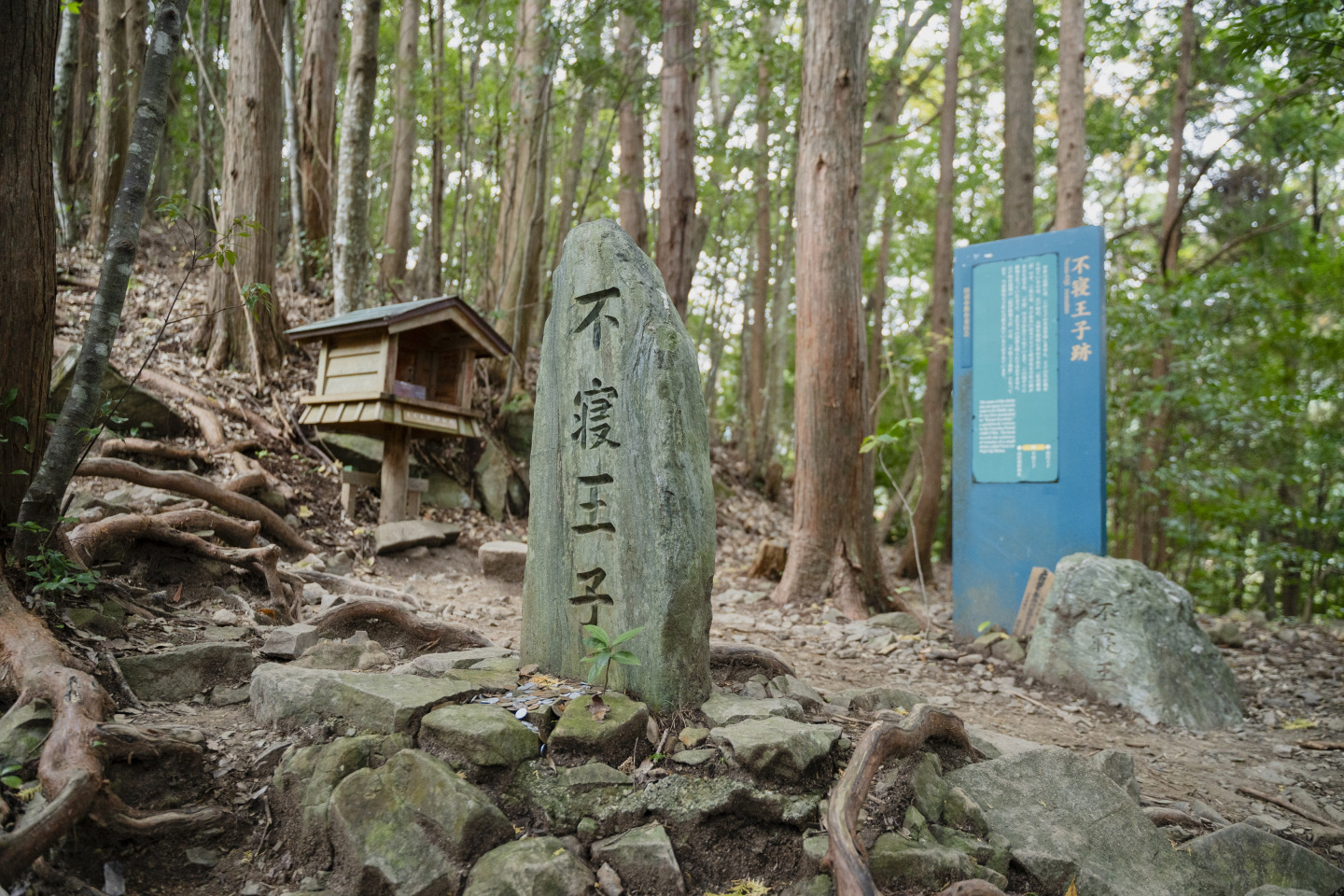
Nezu-oji is about 400 meters uphill from Takijiri-oji, along the trail toward Mount Tsurugi.
The name “Nezu-oji” does not appear in medieval records. It is mentioned only in a record from 1689, which refers to the remains of a small shrine called Nezu-oji. Because of this, it is uncertain whether Nezu-oji actually existed as an oji shrine.
Takahara Kumano-jinja Shrine
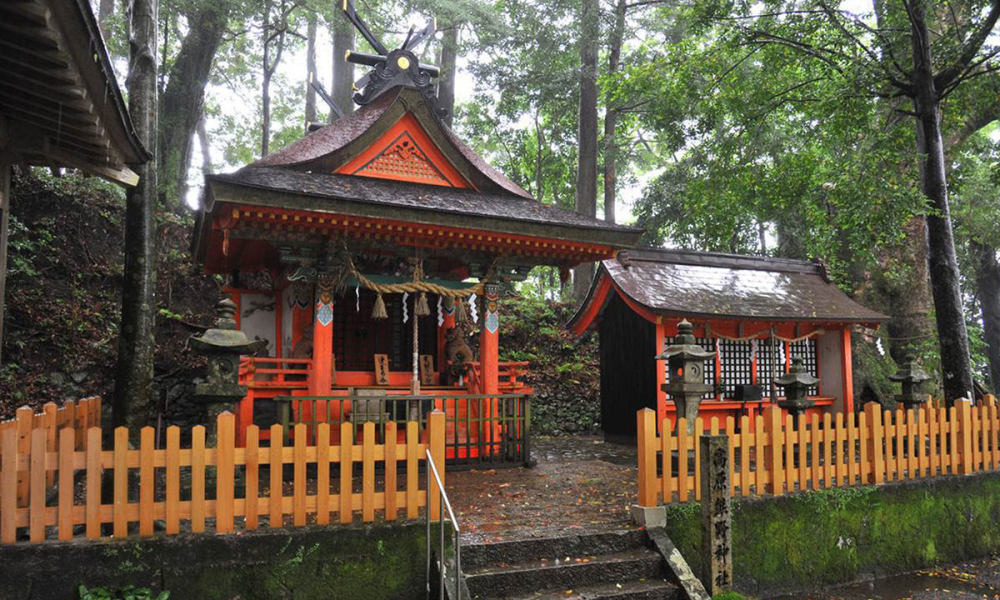
This is considered the oldest surviving shrine along the Kumano Kodo.
The main hall is a small, traditional Japanese shrine building with a roof covered in cypress bark. The shrine grounds are also home to a large camphor tree said to be about 1,000 years old.
Column
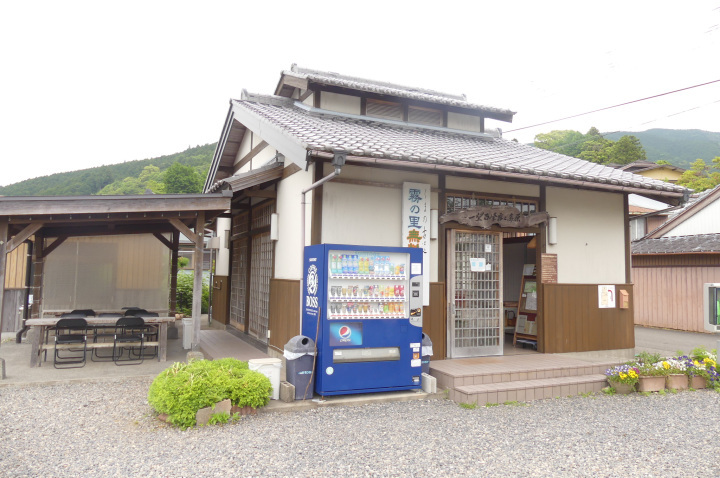
Takahara Kiri-no-Sato Rest Area
The Takahara Kiri-no-Sato Rest Area is located next to Takahara Kumano-jinja Shrine and has a parking lot.
The facility has restrooms and vending machines, and sells light meals and other refreshments. It is a convenient place to stop for a rest.
Takahara is also famous for its spectacular views. From the rest area, you can enjoy a beautiful panorama of the surrounding mountain villages and the mountains of the Hatenashi Range.
Daimon-oji
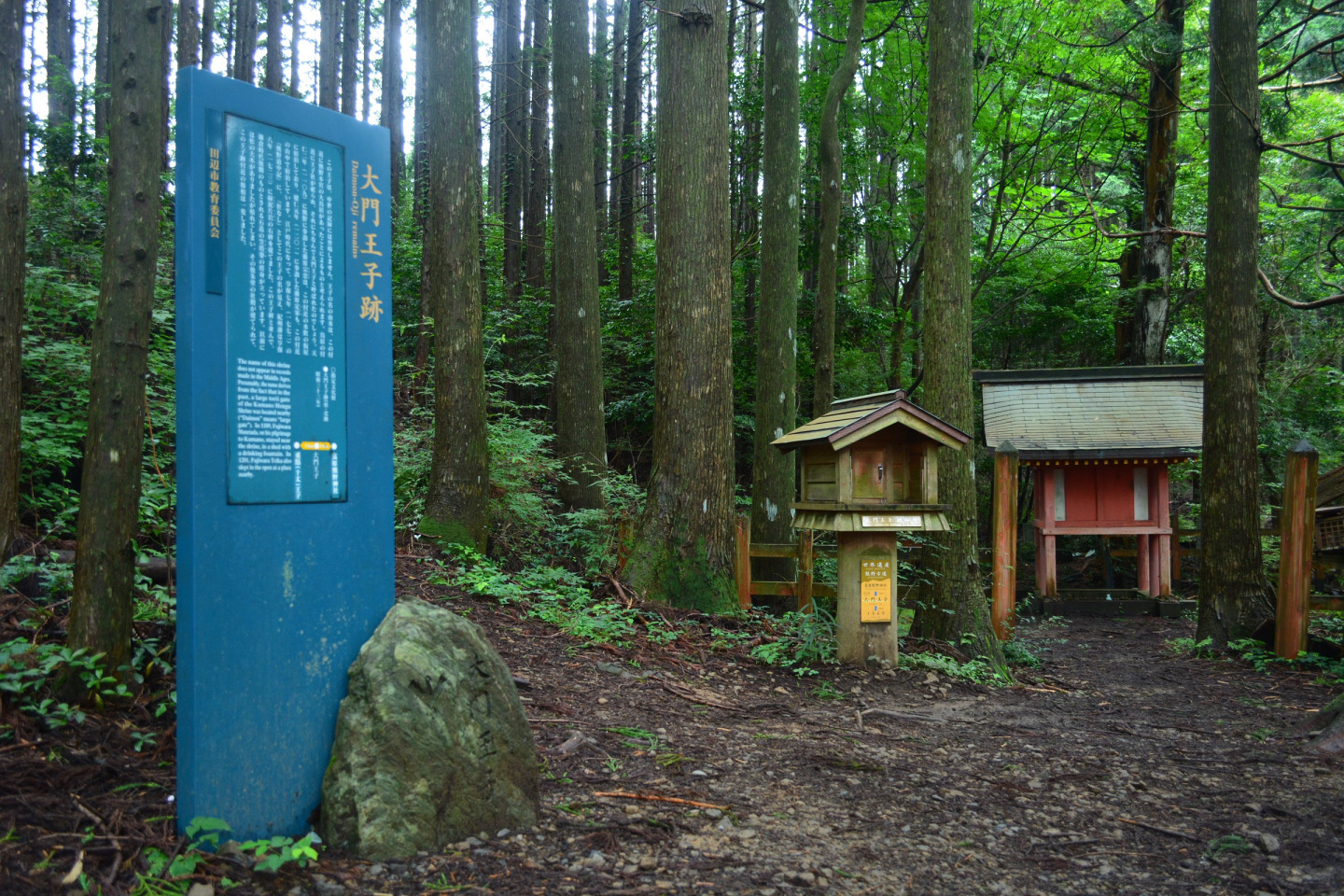
Daimon-oji is mentioned in the Kumano Gokoki, a travel diary written by Fujiwara no Teika, who accompanied Retired Emperor Go-Toba on his pilgrimage to Kumano.
Records show that, at that time, there was a temporary lodging facility near Daimon-oji where pilgrims could rest or stay overnight.
Jujo-oji
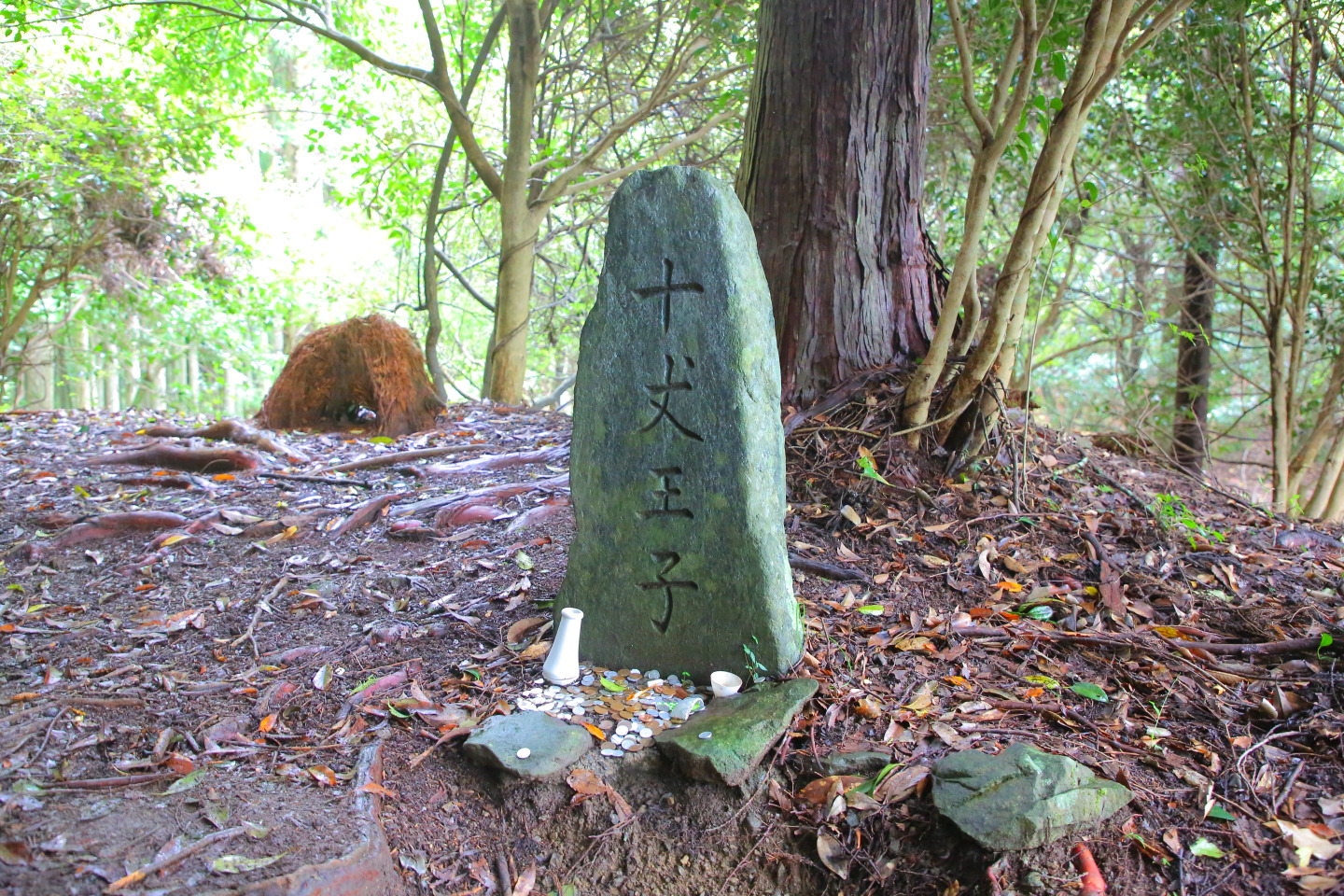
A fragment of a stone Buddhist pagoda dating from the Muromachi period, around 600–700 years ago, remains at Jujo-oji.
Some old records also write the name of Jujo-oji using different kanji, such as “重點” and “重照.” This shows that the name was written with different characters in the past.
Osakamoto-oji
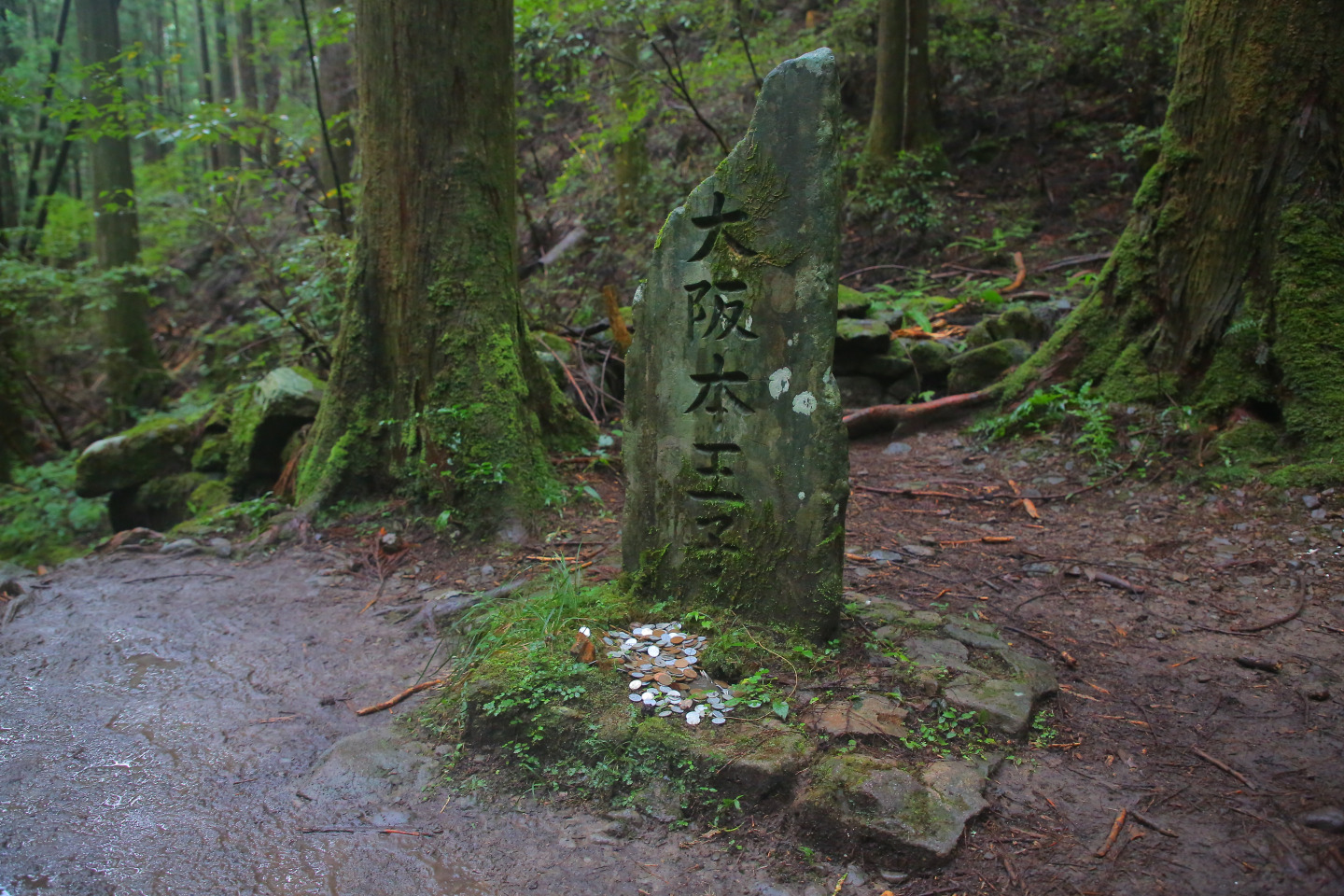
Osakamoto-oji is located at the foot of a mountain pass. The trail to the pass climbs a very steep hill. That is why this place came to be called “Osaka,” which means “a large hill.”
A stone kasa-toba pagoda can be seen at the site of the former shrine.
After crossing the pass, it is less than 1 km to the Kumano Kodo Nakahechi Roadside Station, where you can take a break.
Kumano Kodo Nakahechi Roadside Station
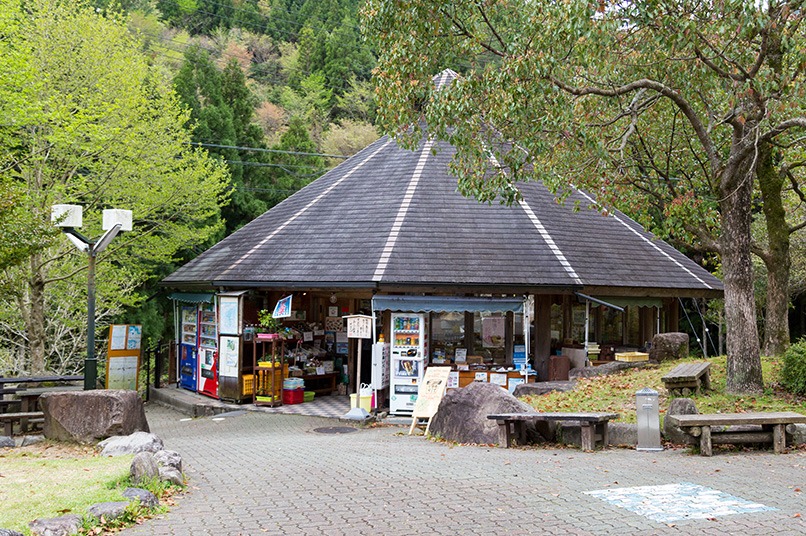

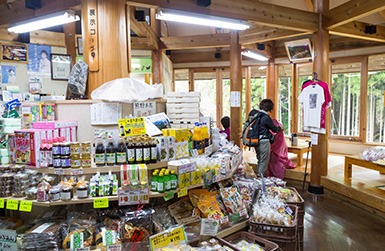
Located along one of the Kumano Kodo trails, this roadside station serves as a rest stop for both drivers and hikers. It has toilets, a restaurant and shop.
- Address
- 田辺市中辺路町近露2474-1
- Telephone Number
- +81-(0)739-65-0671
- Open
- 09:00 - 17:00
- Closed
- Open everyday
Gyuba Doji Statue
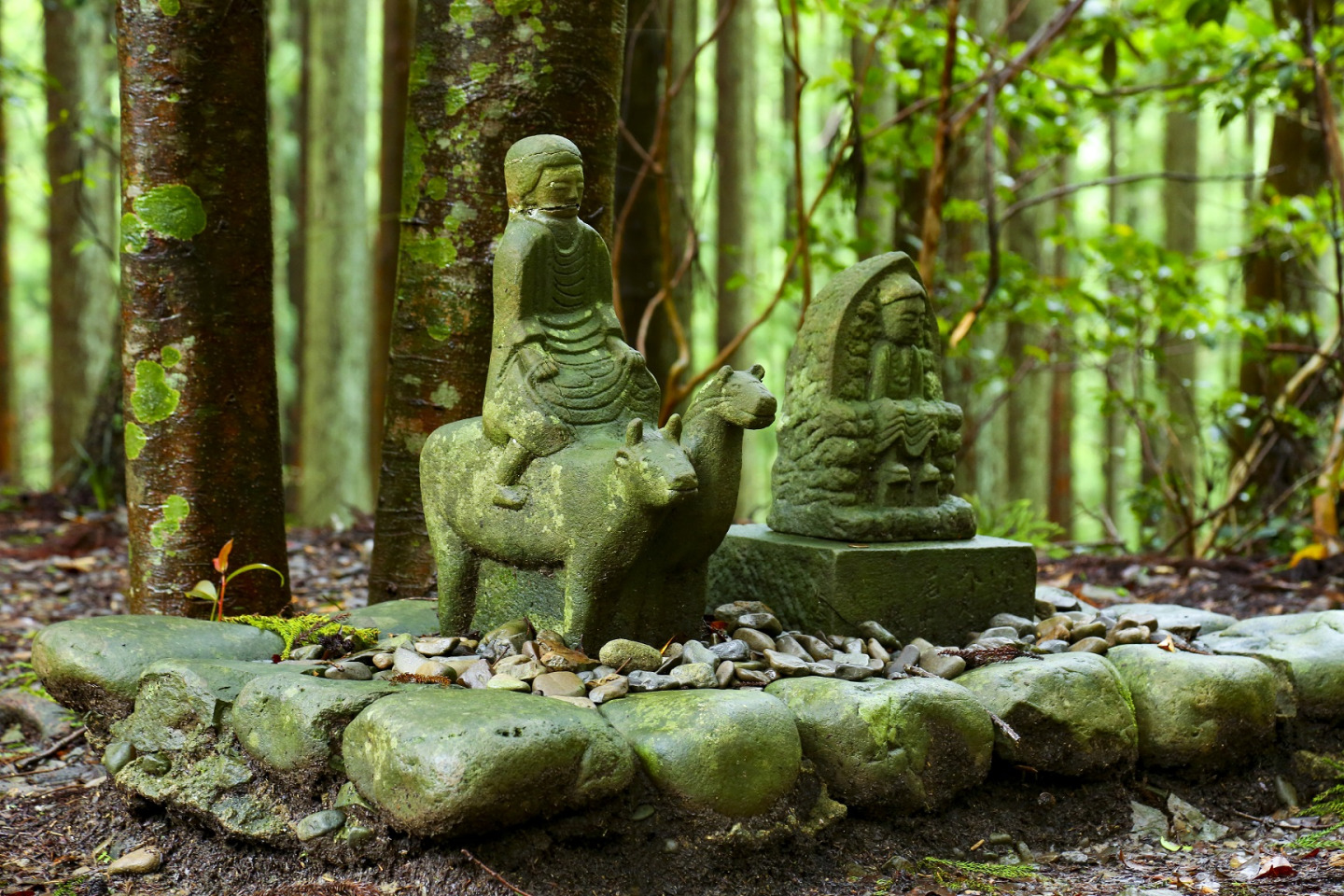
This statue, which stands about 50 cm tall, is said to represent Retired Emperor Kazan during his pilgrimage to Kumano. He was the 65th emperor of Japan. After stepping down from the throne, he became a Buddhist monk and traveled to Kumano in search of spiritual peace.
With its simple and charming appearance, the statue has become a symbol of the Nakahechi route.
The stone statue standing next to it is said to represent En no Gyoja, an important figure in Japan’s mountain ascetic tradition.
Chikatsuyu-oji
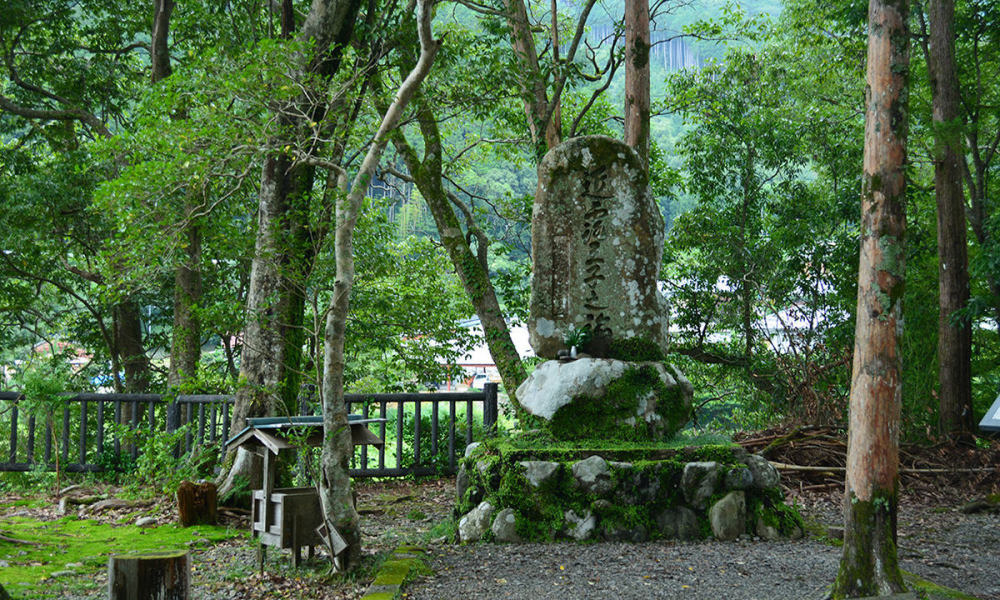
At Chikatsuyu-oji, pilgrims purified their bodies and minds before worshipping at the shrine. When traveling to Kumano, pilgrims are said to have first performed mizugori, a purification ritual involving bathing in the river, before praying at Chikatsuyu-oji.
At that time, Chikatsuyu was a prosperous settlement and the last place to stay before reaching Kumano Hongu. Today, you can still find a variety of accommodation here, including traditional Japanese minshuku and guesthouses.
Tonight’s Accommodation
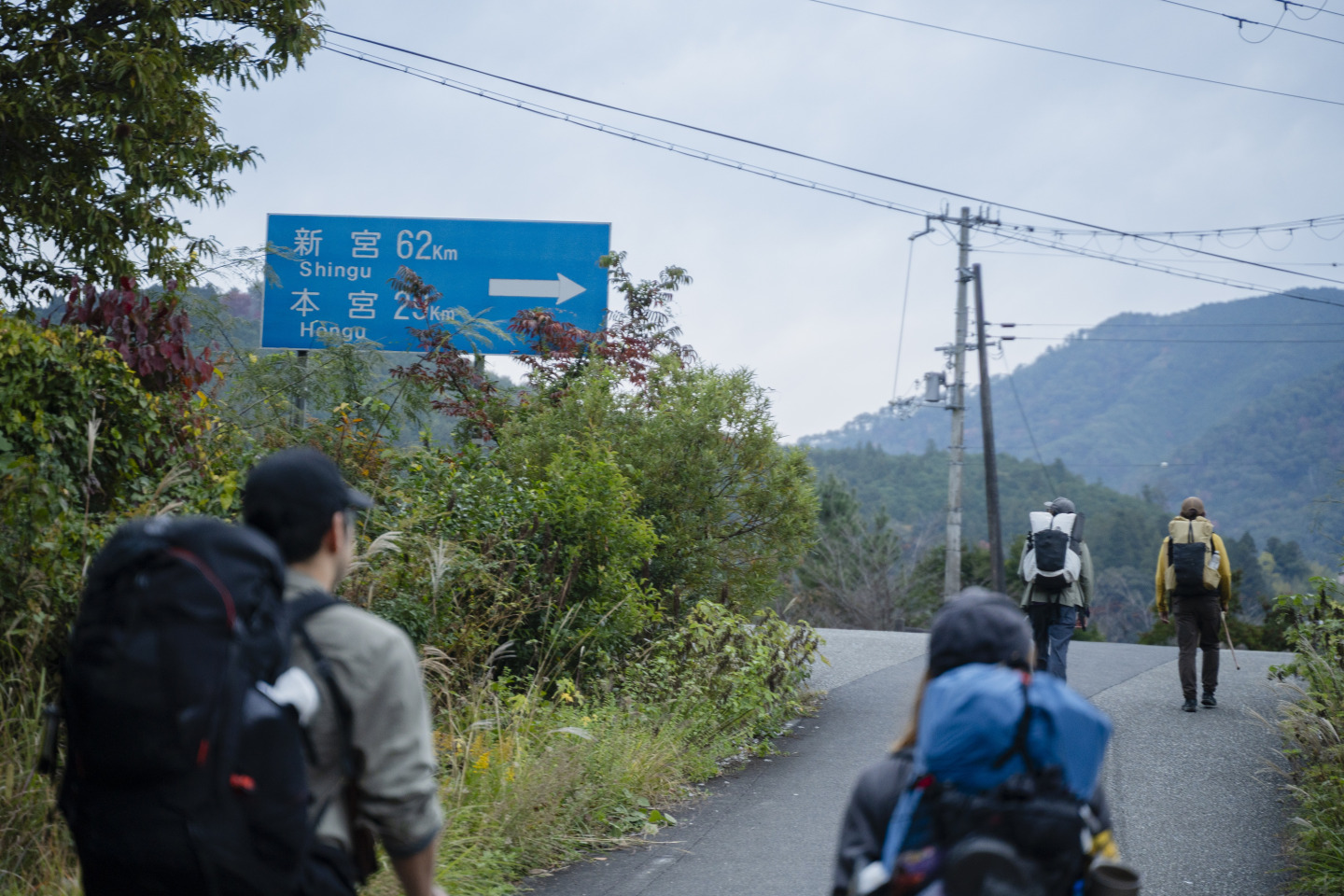
Please see the accommodations around Chikatsuyu-oji here. Some accommodations also offer shuttle services.
Be sure to check the route for the following day as well!
- View the route for the following day
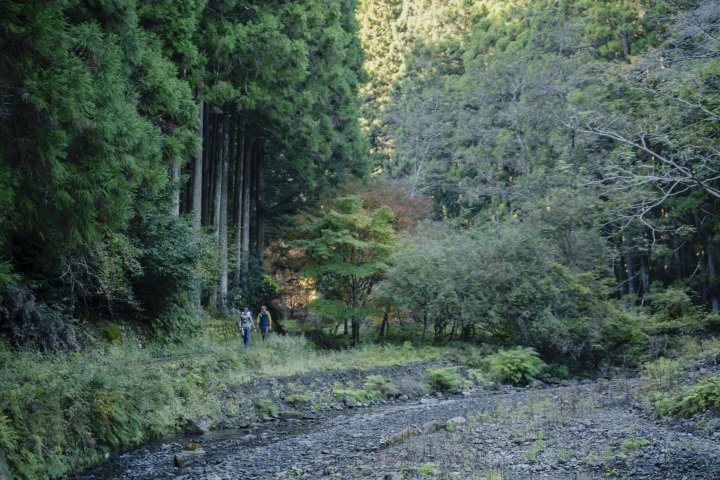
- View more