Day 3: Chikatsuyu to Kumano Hongu Taisha and Oyunohara (25.7 km)
- Spring
- Summer
- Autumn
- Winter
- Time
- 1 day
- Transportation
- walk
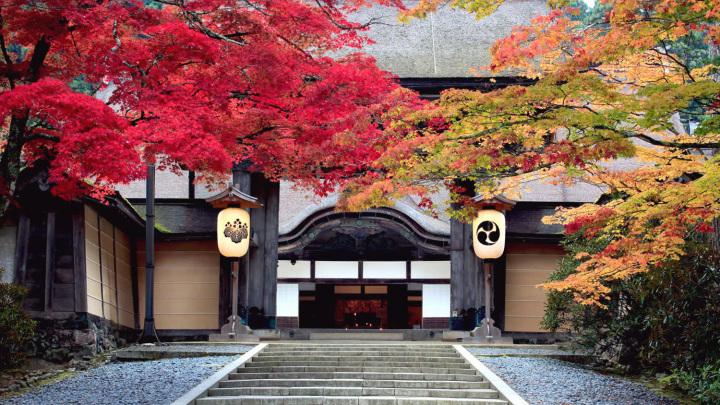
Leaving the former post town of Chikatsuyu behind, you will head for Kumano Hongu Taisha, the first destination of the Kumano pilgrimage.
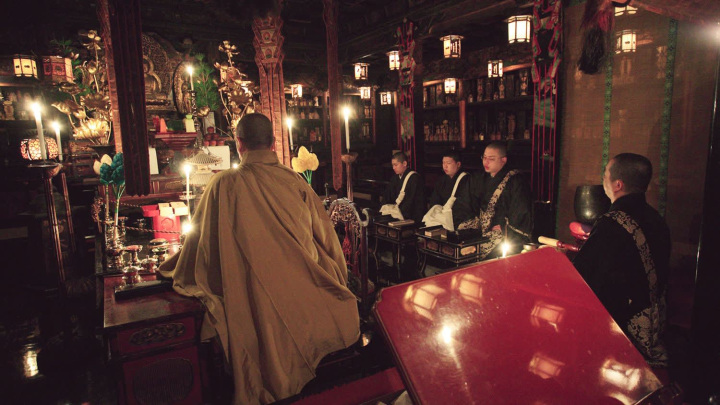
It is said that visiting the three sacred shrines of Kumano brings peace and protection for the past, present, and future. Kumano Hongu Taisha is regarded as the sacred place associated with the future, and visiting it is believed to bring blessings for the years ahead.
This is a challenging day, with a long distance to walk and several mountain passes to cross. However, reaching Kumano Hongu Taisha will make the effort especially rewarding.
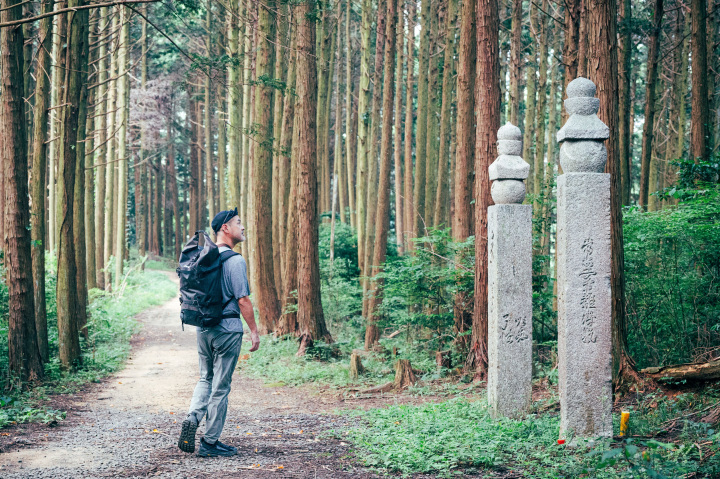
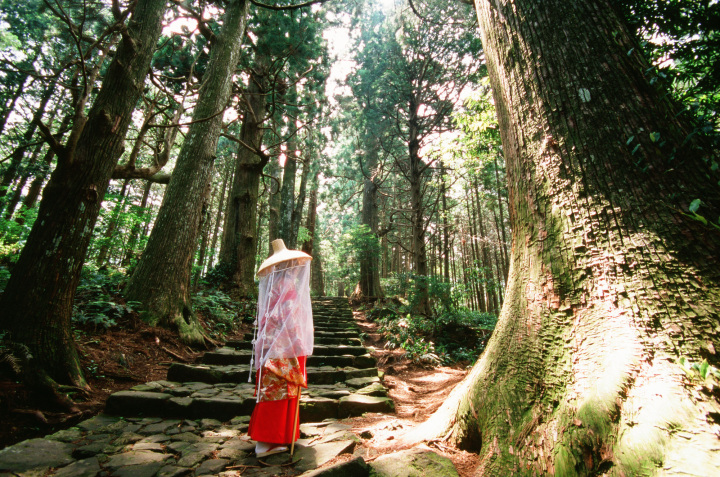
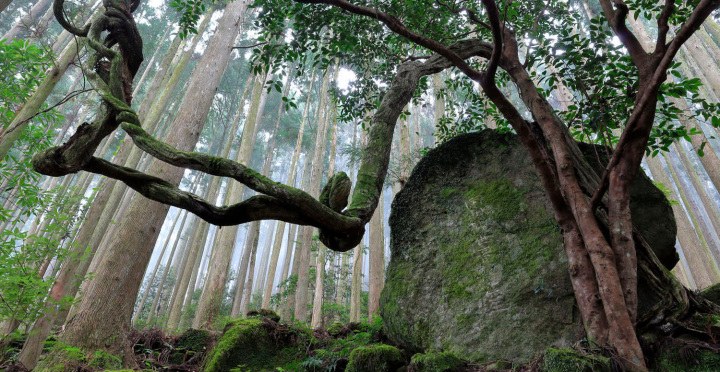
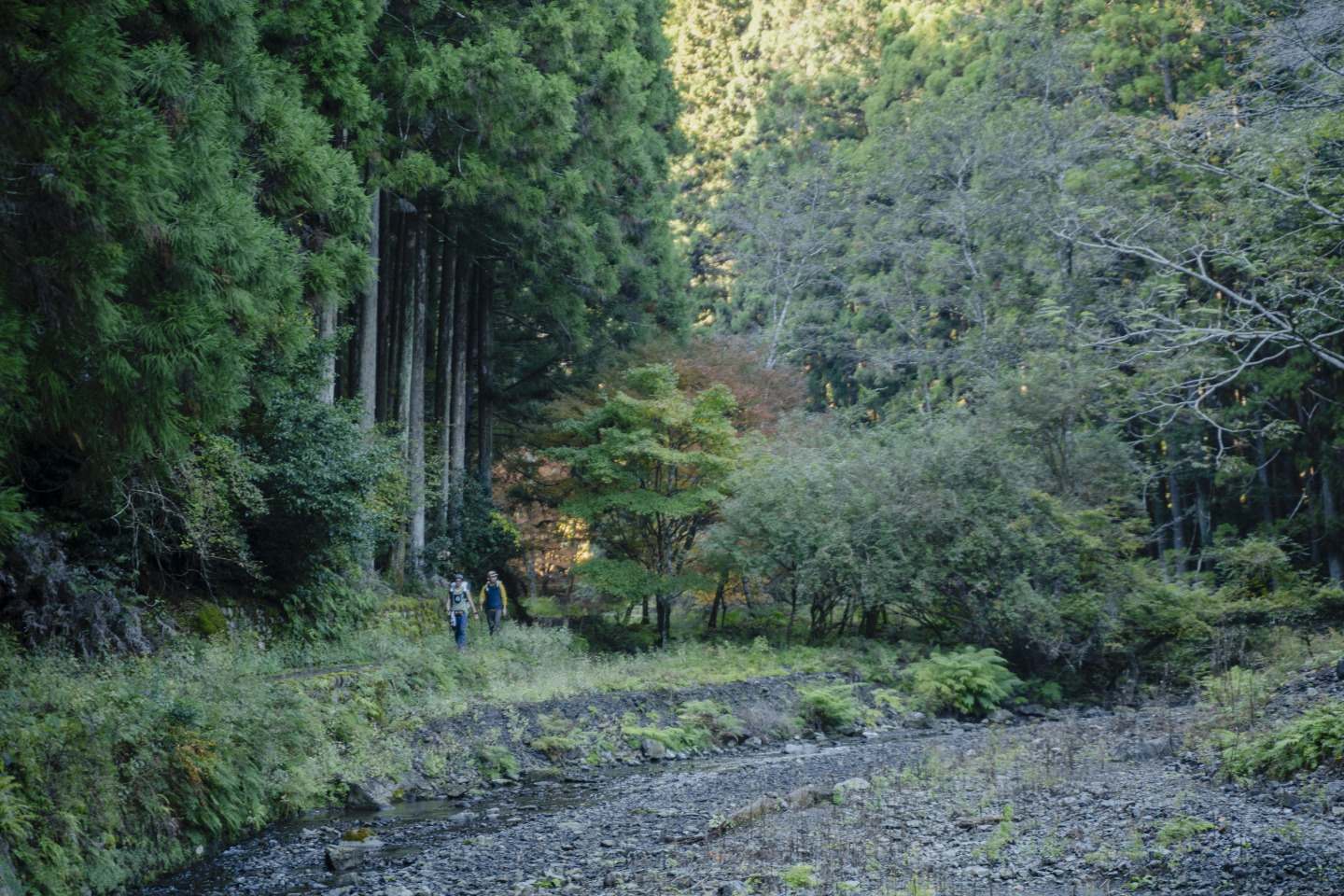
For about 7 km, as far as Kobiro-oji, the route follows paved roads. After that, the scenery changes completely as the trail enters a deep mountain forest.
The route over Iwagami Pass was reopened in 2025 after being closed for 14 years. As you walk along this restored section of the ancient trail, you can sense its renewed spirit.
At Mitsukoshi Pass, take a short break and have lunch. From there, the trail continues mainly downhill for about 4 km, bringing you to Hosshinmon-oji, one of the five most important oji shrines.
Hosshinmon-oji marks the entrance to the sacred area of Kumano Hongu Taisha. The route from here to Kumano Hongu Taisha is so popular that it is often called the “Golden Route of the Nakahechi.”
After passing many points of interest, you will finally arrive at Kumano Hongu Taisha. Be sure to also visit Oyunohara, the former site of the shrine.
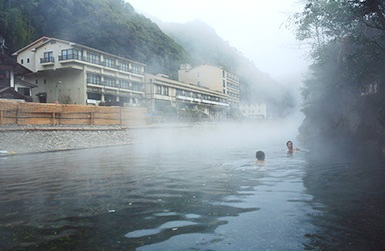
After your visit, relax at one of the local hot spring accommodations. Known as the Kumano Hongu Onsen Village, this area is home to three hot spring areas: Kawayu Onsen, Yunomine Onsen, and Wataze Onsen.
These hot springs have a long history as places where pilgrims purified themselves in hot spring water before continuing their journey. Enjoy a well-deserved rest and soothe your tired body at one of these historic hot spring areas.
※Click here for the top page of the Nakahechi Long Trail.
Hisohara-oji
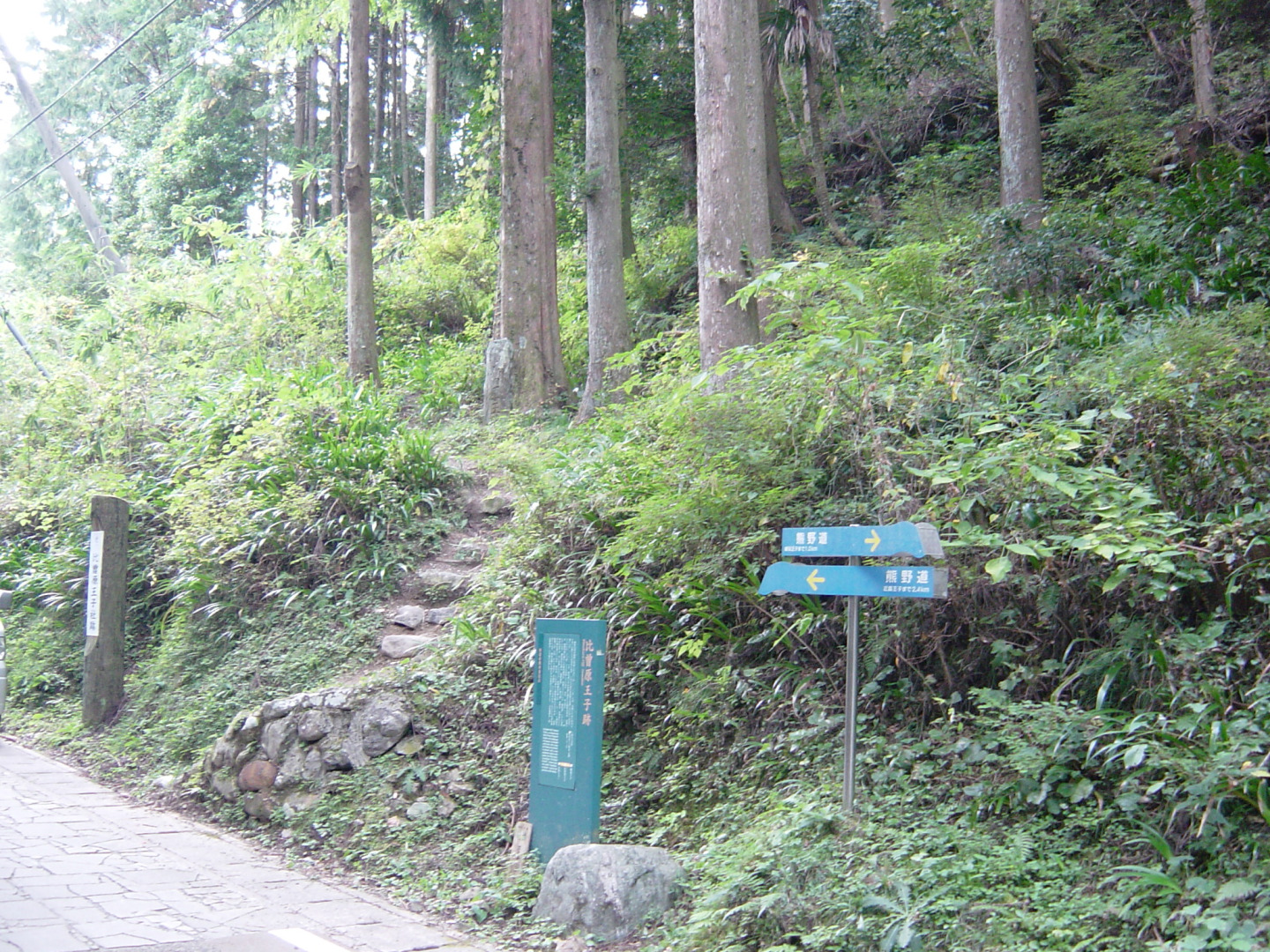
Above the old road that was once used as the national highway, there is a stone monument made of crystalline schist. It was built in 1723, and the words “Hisohara-oji” are engraved on its front.
Nonaka-no-Shimizu Spring
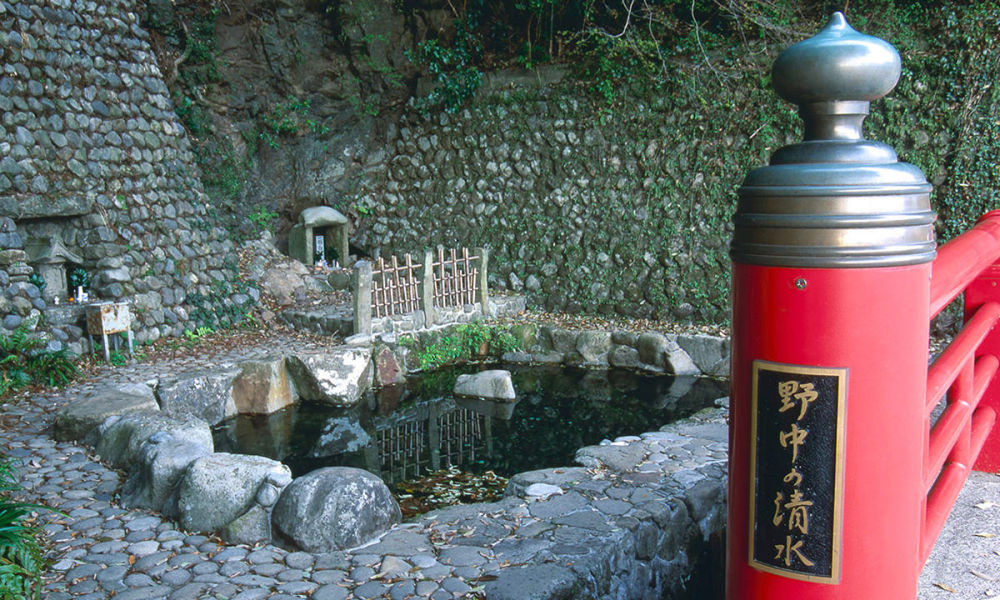
Nonaka-no-Shimizu Spring is known for its exceptionally clear, pure water and is recognized as one of Japan’s 100 Selected Famous Waters.
It is a short detour from the trail to Tsugizakura-oji, requiring you to leave the main route and walk downhill for a little while. If you have time, be sure to stop and visit.
Tsugizakura-oji
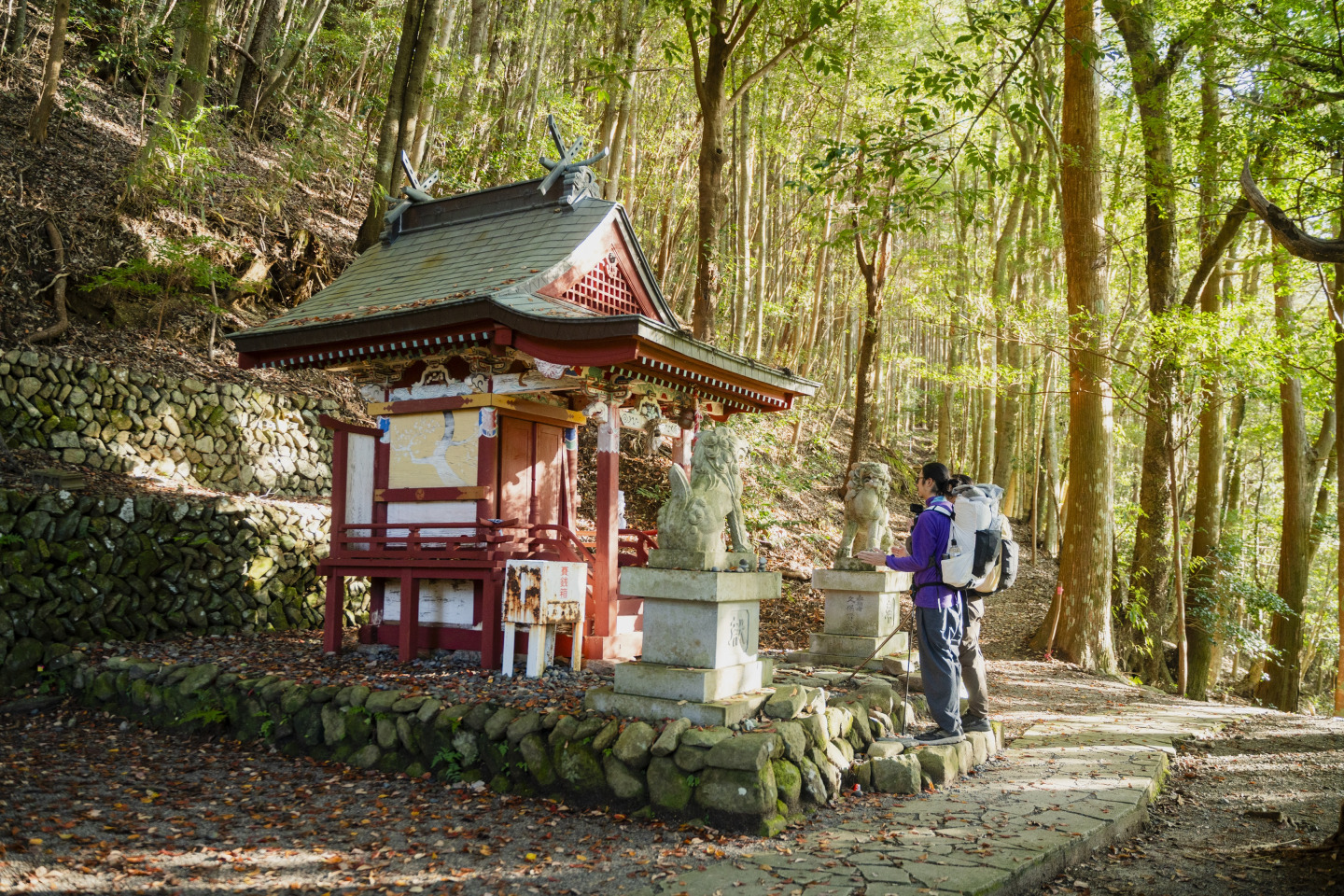
Tsugizakura-oji is one of the oji shrines that still preserves the solemn atmosphere of the ancient Kumano Kodo.
Records from 1109 already mention the large trees growing beside the road here. This suggests that Tsugizakura-oji had already been established by that time, more than 900 years ago.
Column
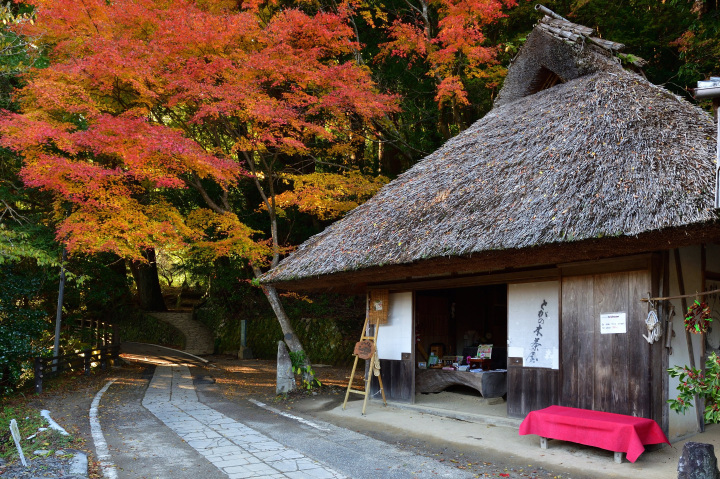
Toganoki-jaya Teahouse
Located next to the former site of Tsugizakura-oji, this rest area is known for its traditional thatched roof.
Why not take a relaxing break here?
Nakagawa-oji
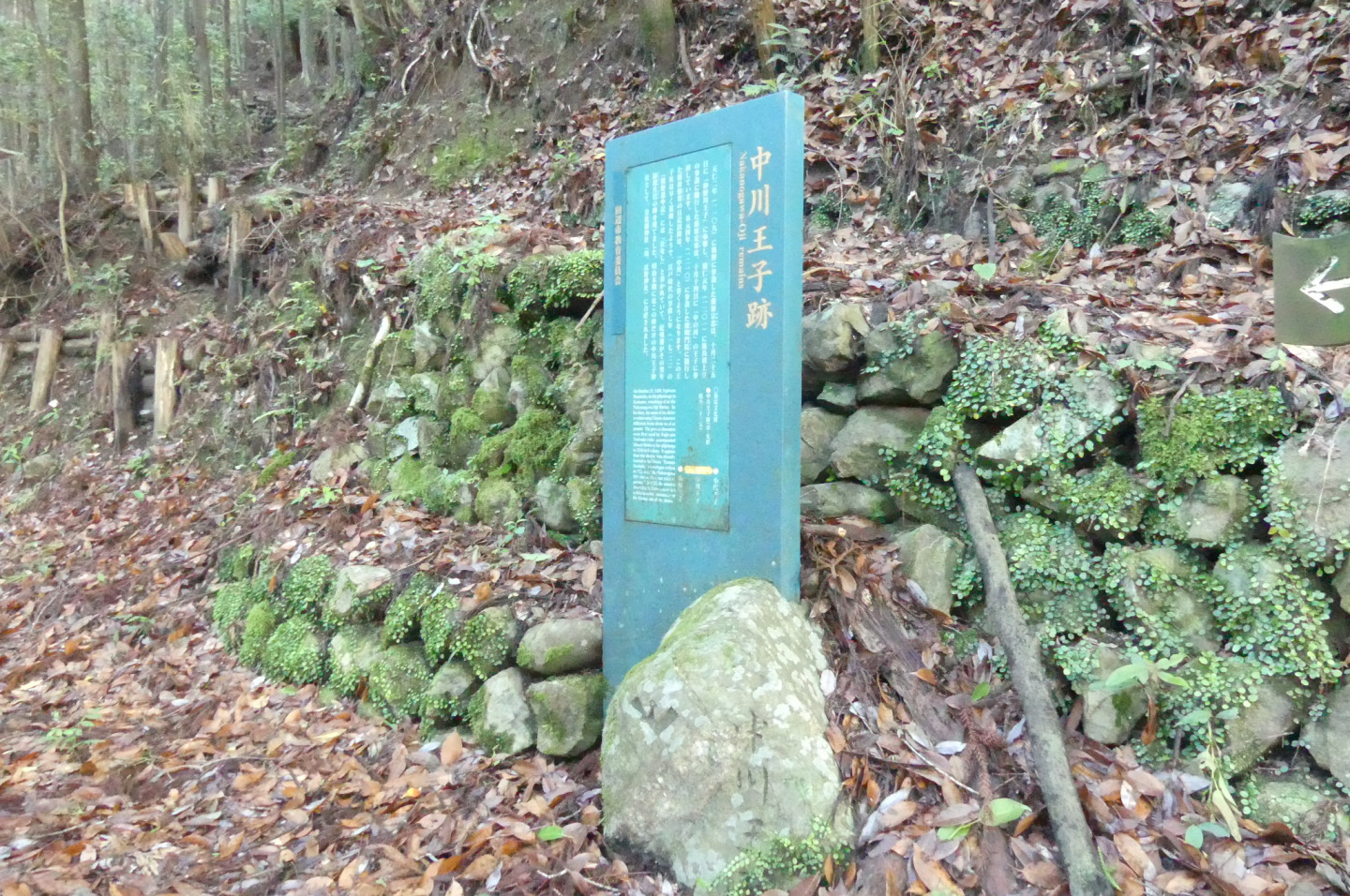
The small shrine of Nakagawa-oji appears to have disappeared at an early date. However, in the late 19th century, the site still covered about 100 square meters and was recognized as a small local shrine.
In 1908, Nakagawa-oji was moved and enshrined together with Chikano Shrine. The shrine then disappeared from this location.
Kobiro-oji
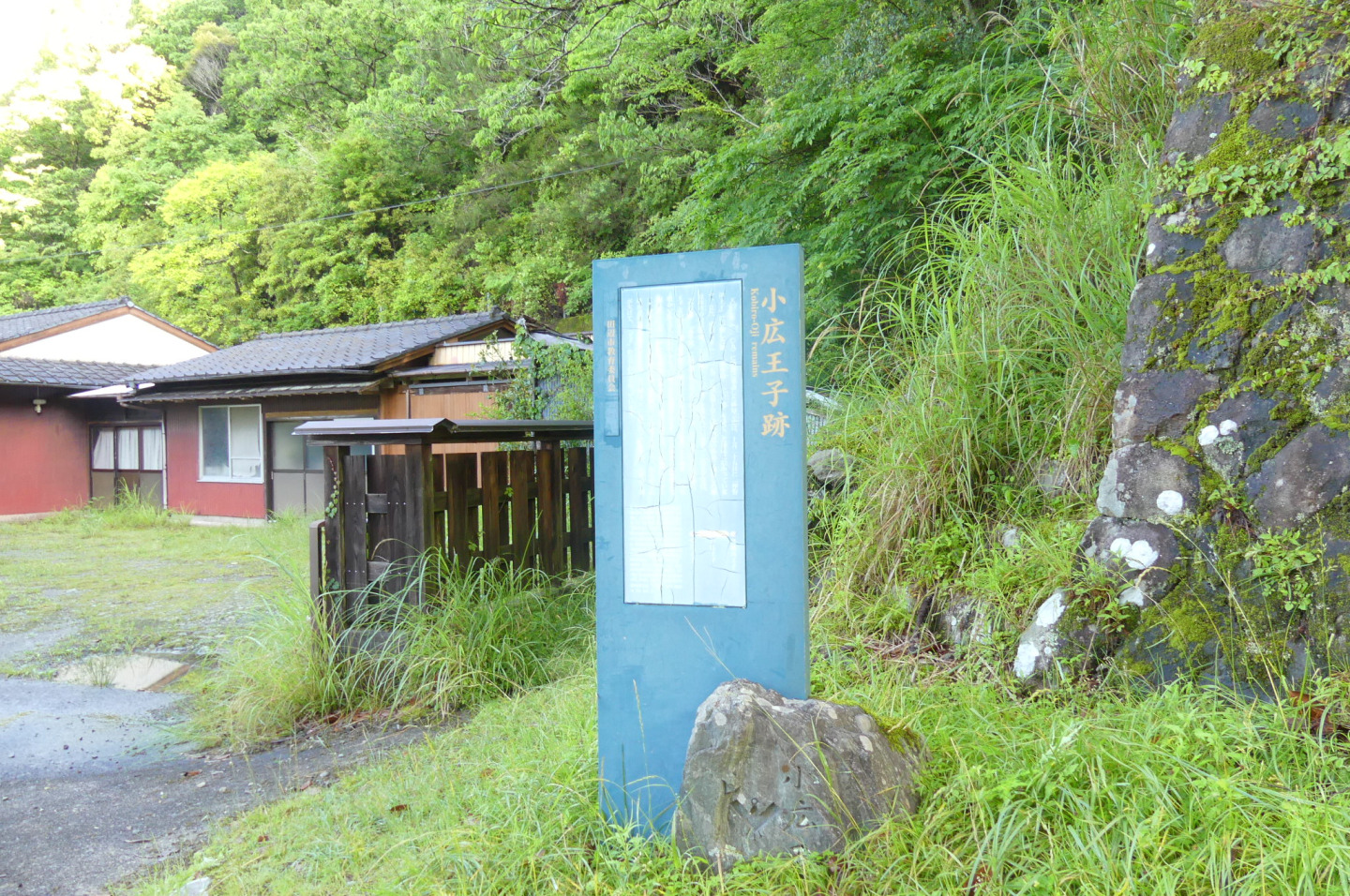
After Kobiro-oji, you will need to cross two more mountain passes—Waraji Pass and Iwagami Pass—before reaching Mitsukoshi Pass. The trail becomes quite steep, with many ups and downs, so pace yourself and watch your footing.
After passing Kobiro-oji, follow the signs and leave the paved road to walk down through the forest. You will soon rejoin the paved road, where there is a restroom.
There are no restrooms for some distance beyond this point, so be sure to use it before continuing.
Nosegawa-oji
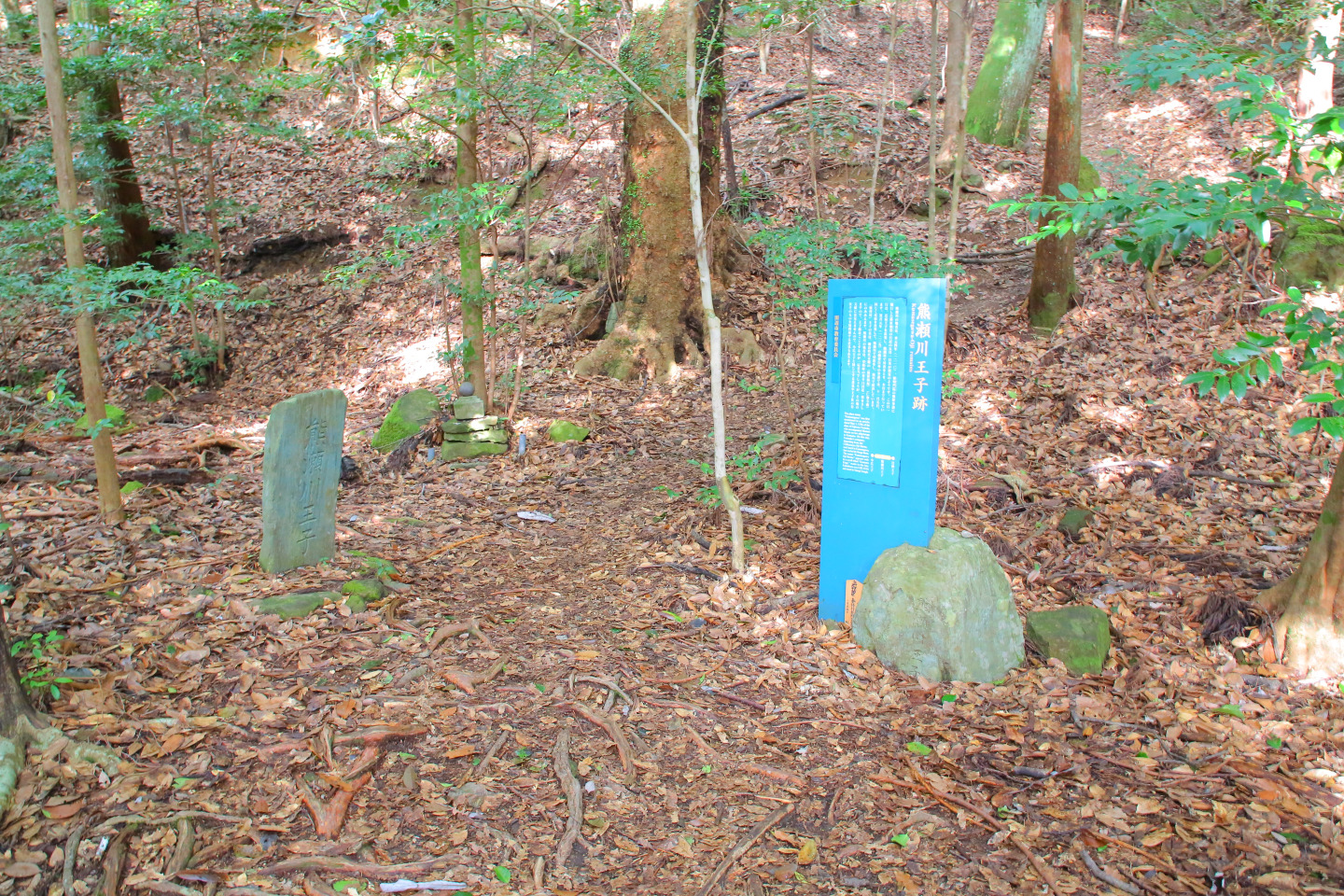
The name Kumasegawa-oji appears in only one old document, written around the end of the 13th century.
The place name “Kumasegawa” refers to the area near the starting point of the climb up Waraji Pass, so this is considered the most likely location of the former shrine. However, because the shrine is not mentioned in other historical records, some people believe that Kumasegawa-oji may have been the same shrine as Kobiro-oji. Others even question whether Kumasegawa-oji existed as a shrine at all.
Iwagami-oji
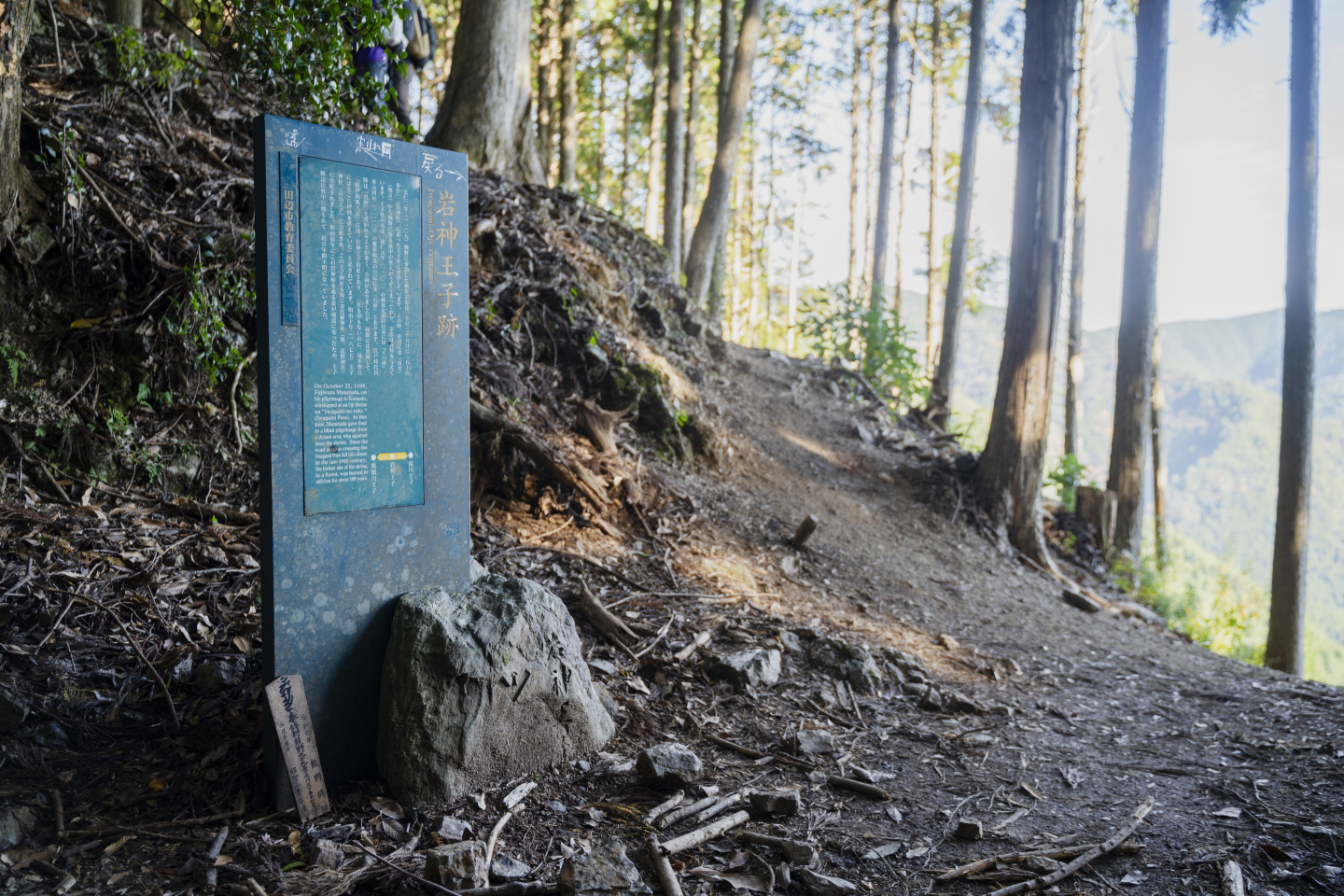
Iwagami-oji became accessible to visitors again when the route over Iwagami Pass reopened in October 2025, for the first time in 14 years.
An old diary written by a nobleman during the Heian period, more than 900 years ago, also records the name “Iwagami” using the characters 石上
Yukawa-oji
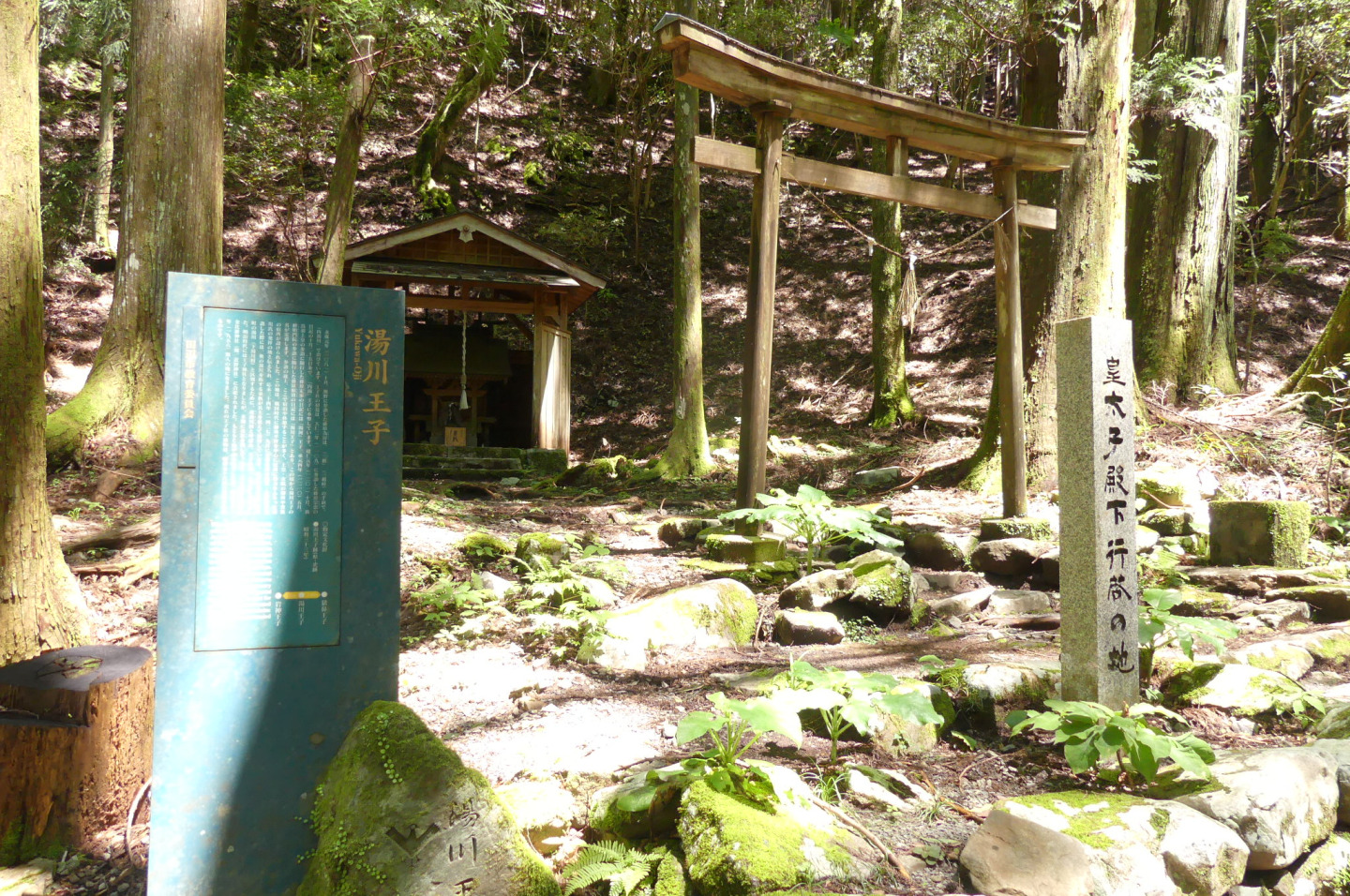
Yukawa-oji is located in a valley below Iwagami Pass, near the source of the Yukawa River. In the past, many pilgrims stopped here to rest or spend the night, and lodging was provided for members of the imperial family and other aristocrats.
The current shrine building was rebuilt in 1983.
Mitsukoshi Pass
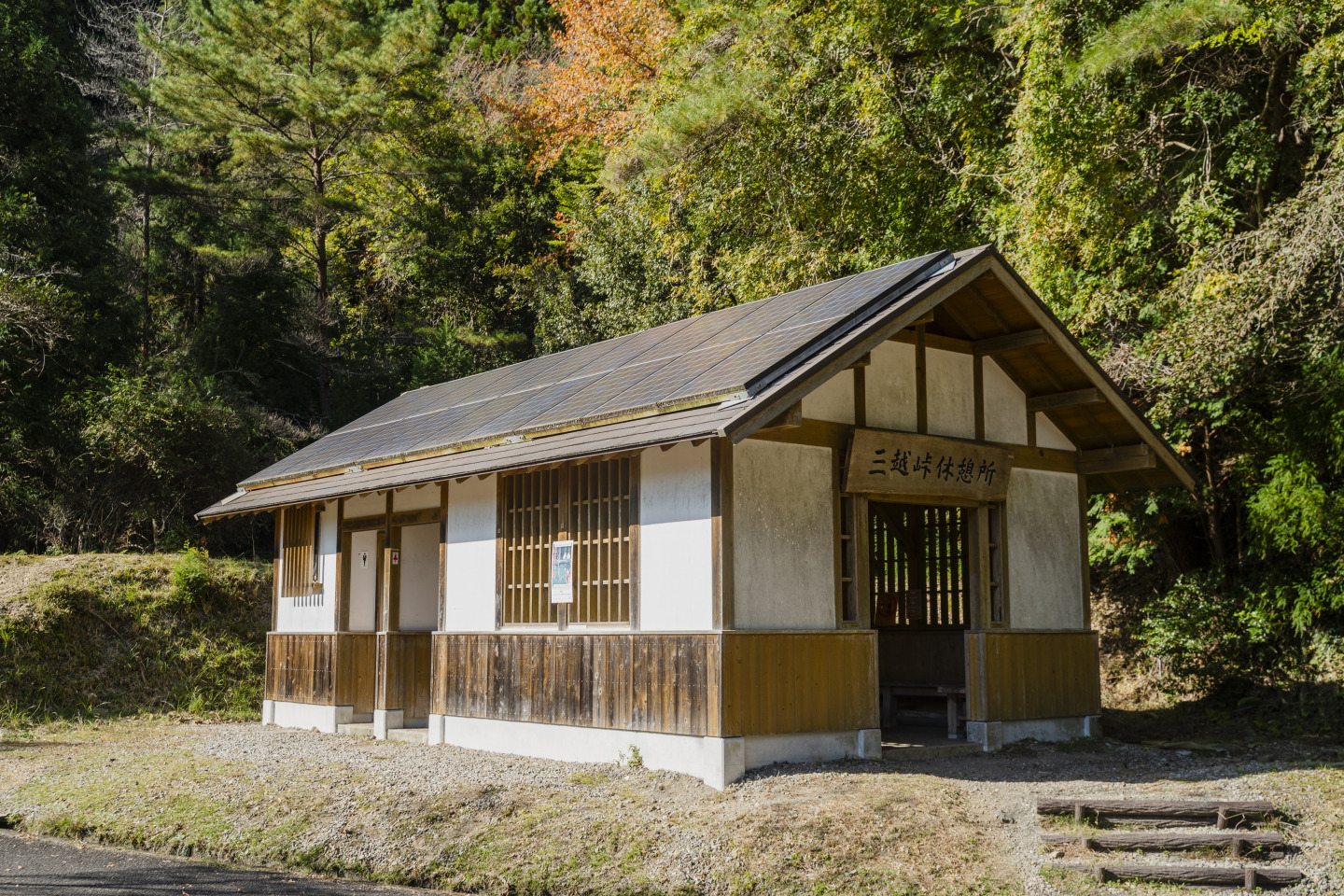
There are restrooms and a covered rest area here, making it a good place to take a break.
Funadama Shrine
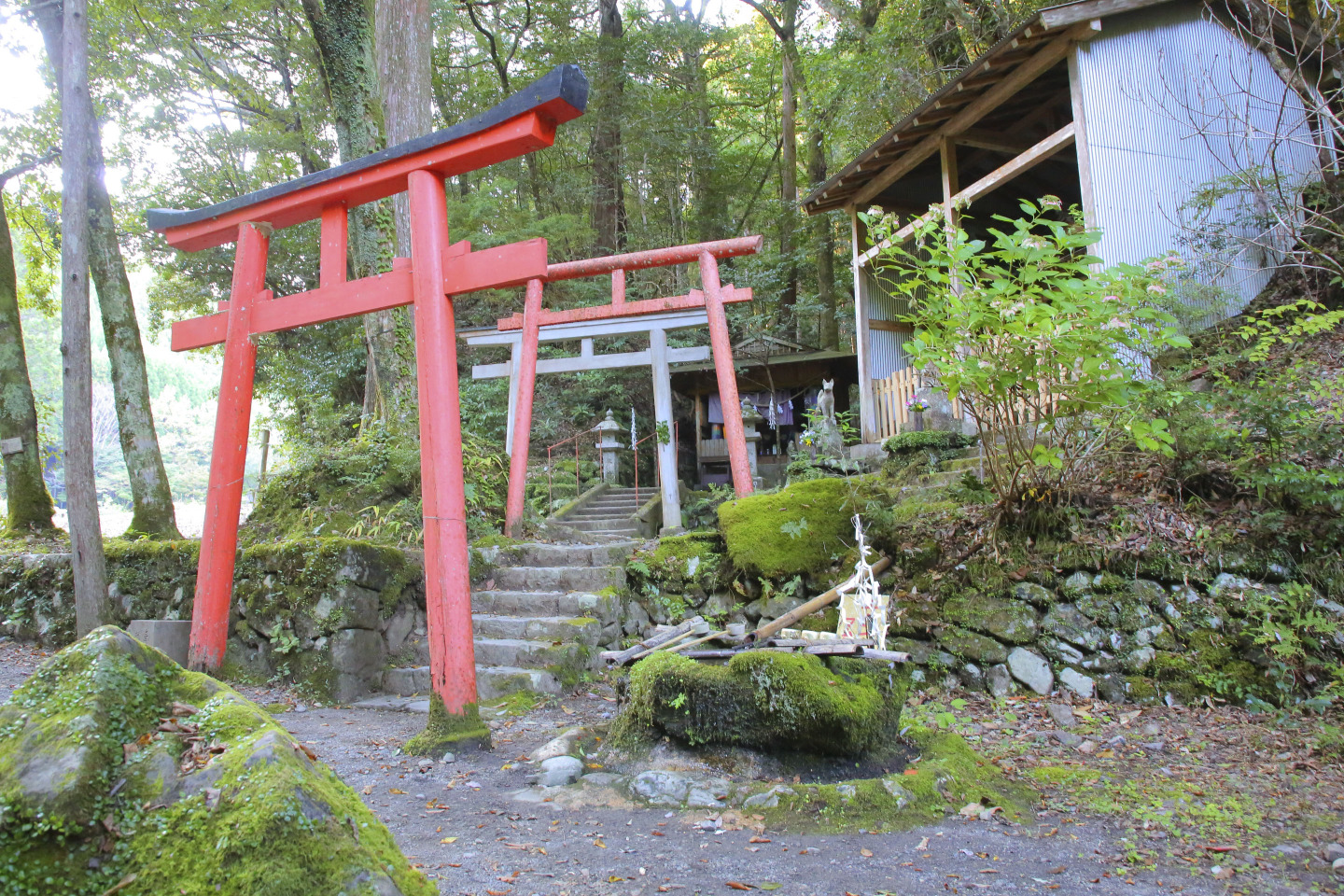
On the way from Mitsukoshi Pass to Inohana-oji, you will come to a small shrine dedicated to Funadama-no-kami, the deity of boats.
The shrine is located just after the point where the trail splits, with one path leading toward the Akagi-goe route. The nearest restroom is just before the shrine, at this trail junction.
Inohana-oji
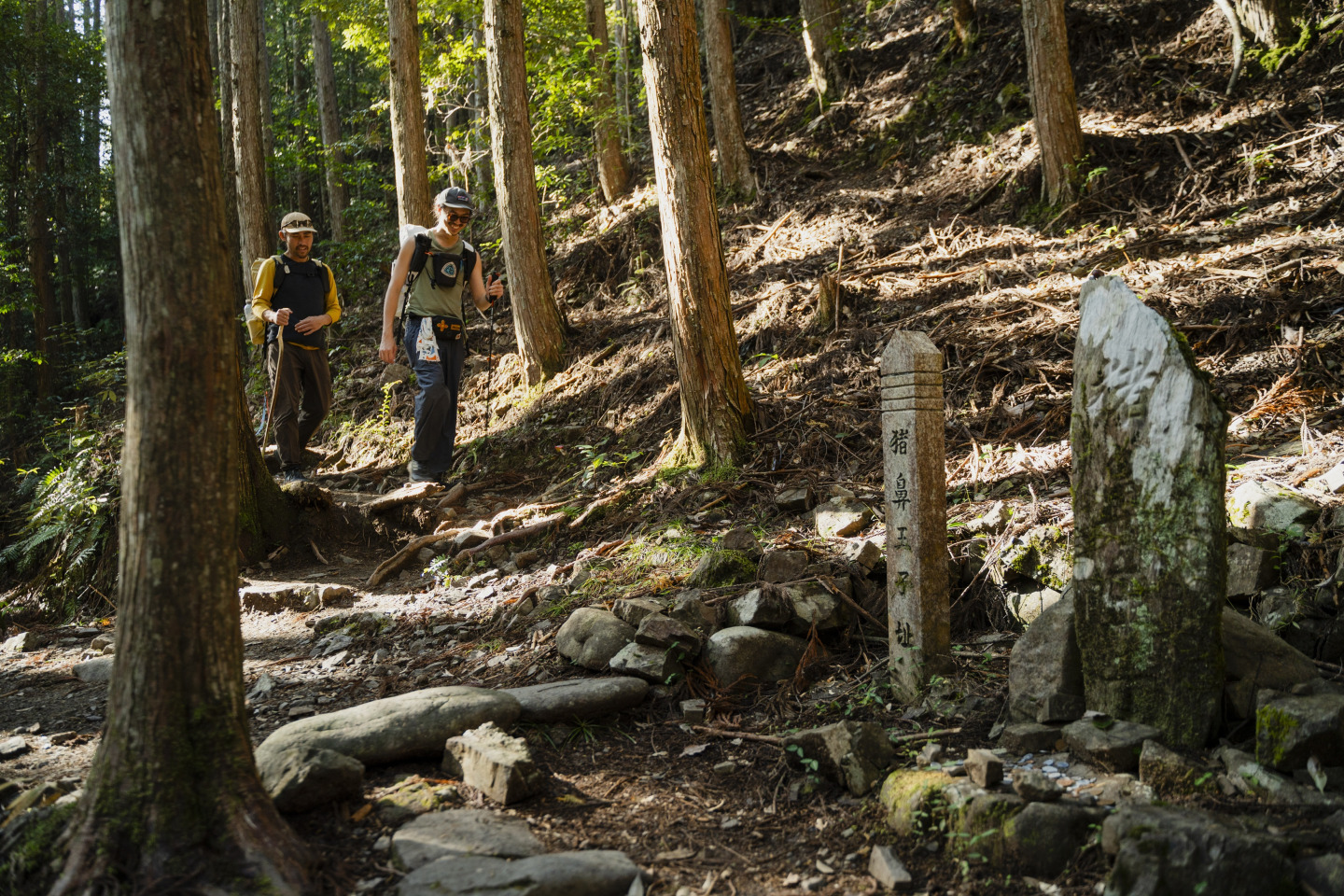
Inohana-oji is located beyond Funadama Shrine. From the forest road, follow the trail that branches off to the right and goes downhill.
Be careful not to miss the trail marker and accidentally continue straight along the forest road.
Hosshinmon-oji
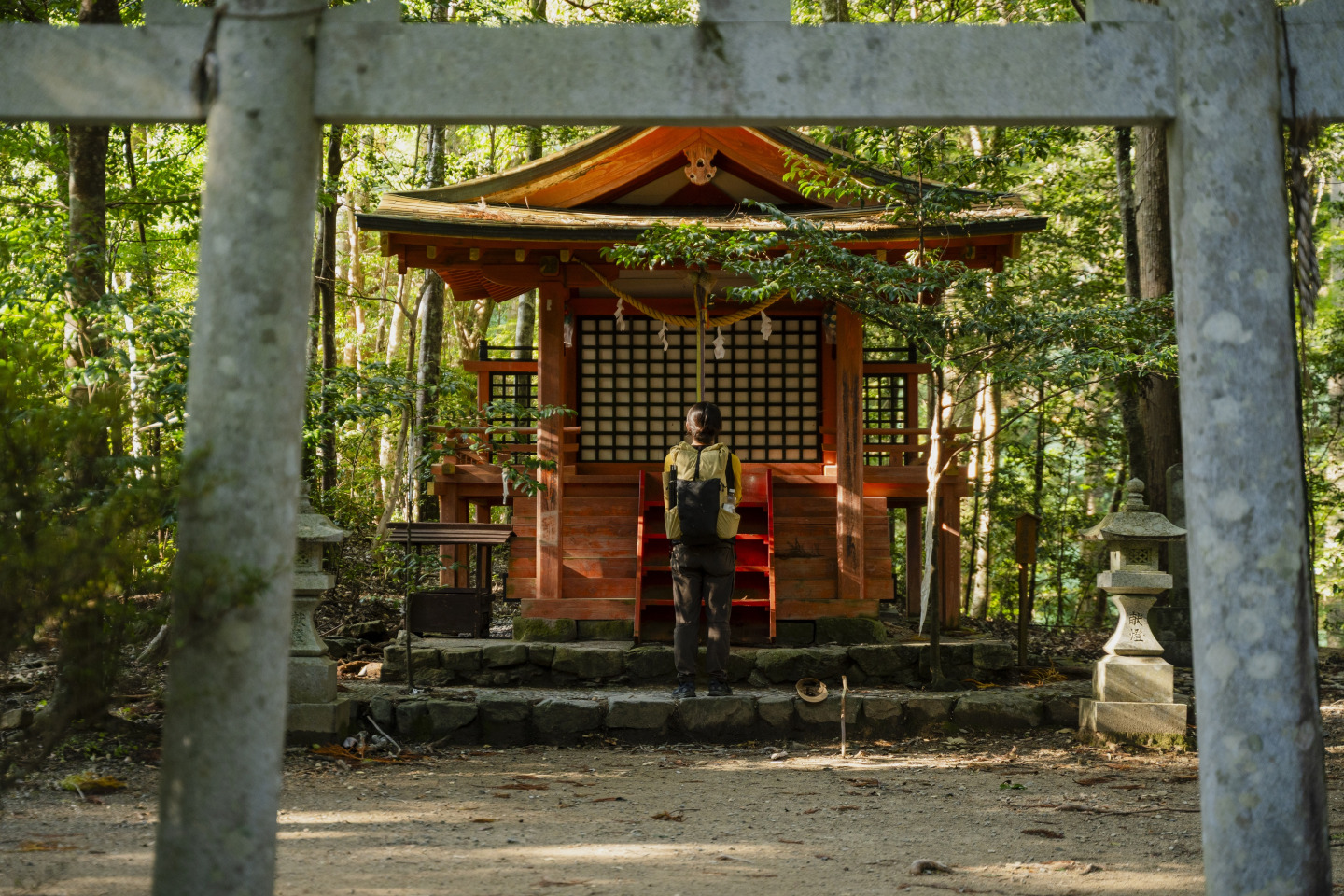
Hosshinmon-oji was one of the five most important oji shrines along the Kumano Kodo and was deeply respected by pilgrims. It was also considered the place where the sacred area of Kumano Hongu Taisha began.
An old diary written by a nobleman in 1109 mentions Hosshinmon-oji, so the shrine is believed to have already existed at that time.
At the back of the approach, you can see the remains of the old shrine building, marked by a stone foundation. A new shrine was recently built on this site.
Column
Hosshinmon-oji Bus Stop
About a five-minute walk downhill from Hosshinmon-oji, you will find the Hosshinmon-oji Bus Stop.
The bus stop has restrooms, a covered rest area, and vending machines, making it a convenient place to take a short break.
Mizunomi-oji
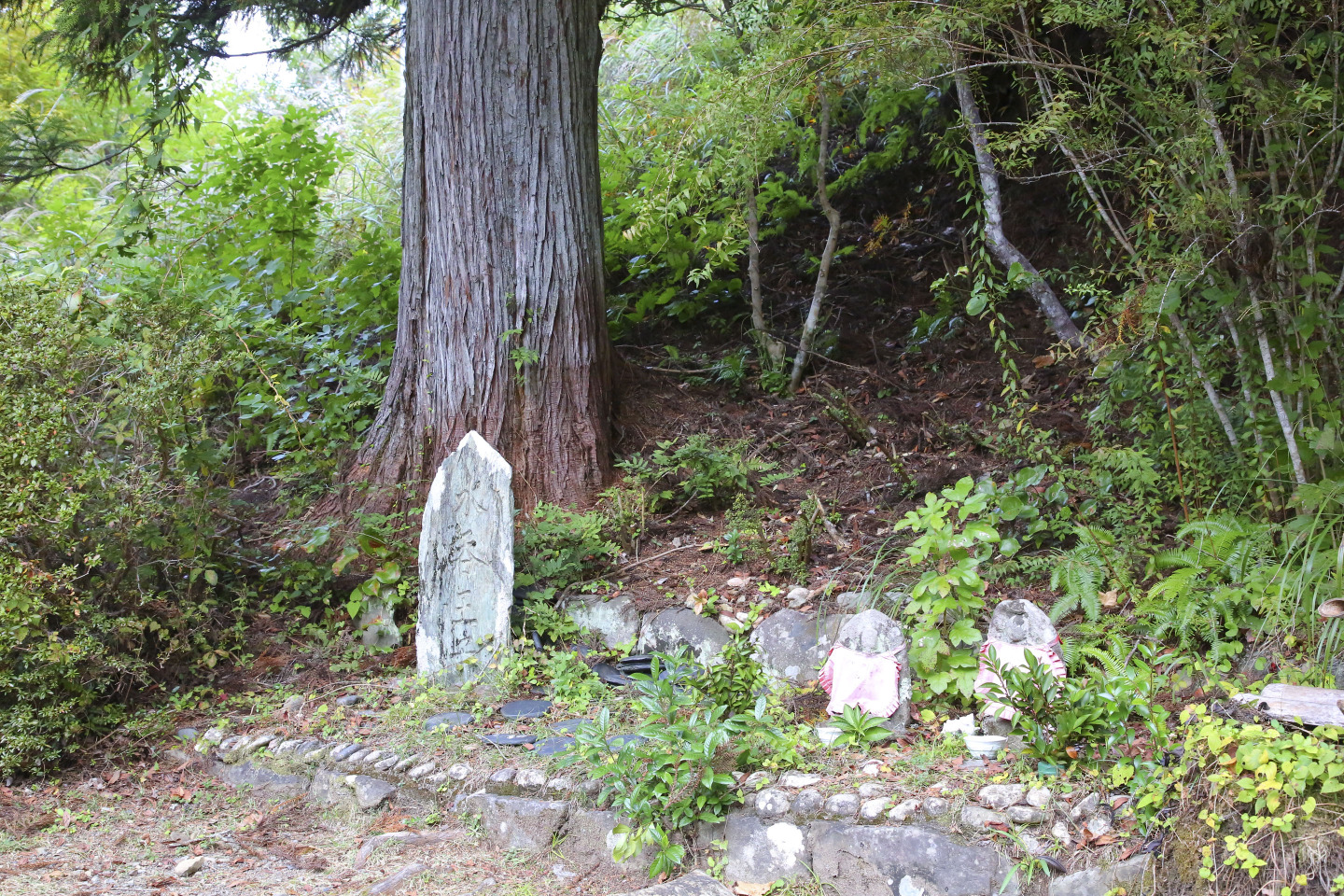
This site was once home to a small elementary school. Today, a green schist monument monument stands here with the words “Mizunomi-oji” engraved on it.
Column
Dōkyū Zenmon
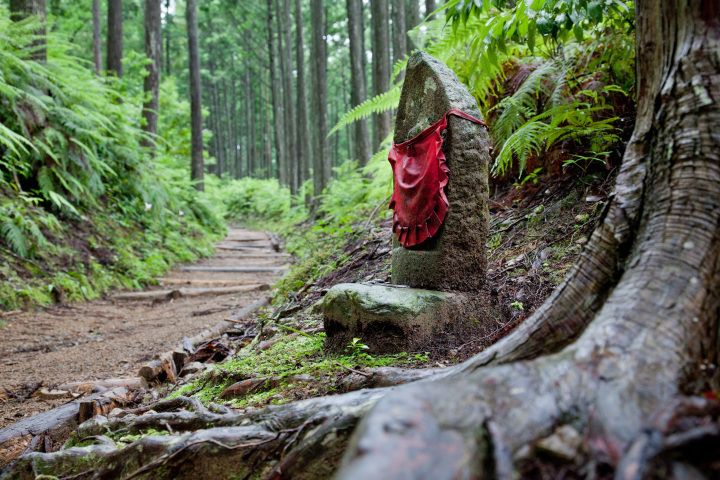
Along the trail from Mizunomi-oji to Fushiogami-oji stands Dōkyū Zenmon.
In the past, traveling to Kumano was a dangerous journey, and some pilgrims died along the way. The Dōkyū Zenmon Jizo was built to honor and pray for these pilgrims. Jizo is a Buddhist figure believed to protect travelers and people in difficult situations.
Fushiogami-oji
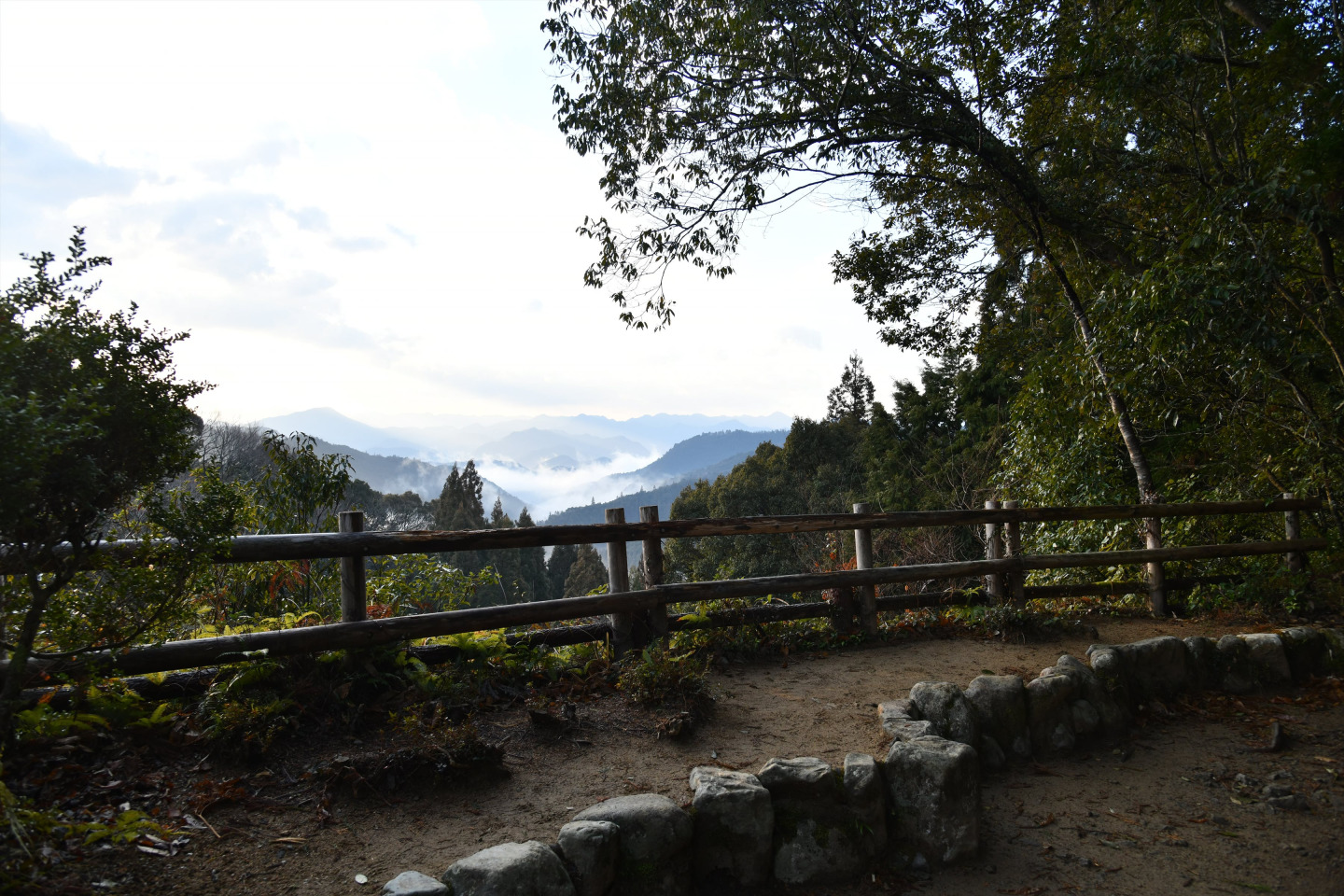
Pilgrims traveled from all over Japan, crossing mountains and seas to reach Kumano. When they finally arrived here and caught their first glimpse of Kumano Hongu Taisha—located at what is now Oyunohara—beyond the mountain ridges, they are said to have knelt down and bowed deeply in worship.
This is why the place came to be called Fushiogami, meaning “to kneel down and worship.”
In front of the oji shrine, there is also the Fushiogami Chaya, a free rest area that sells drinks, light meals, and simple souvenirs. Restrooms are available as well, so why not take a break here?
Column
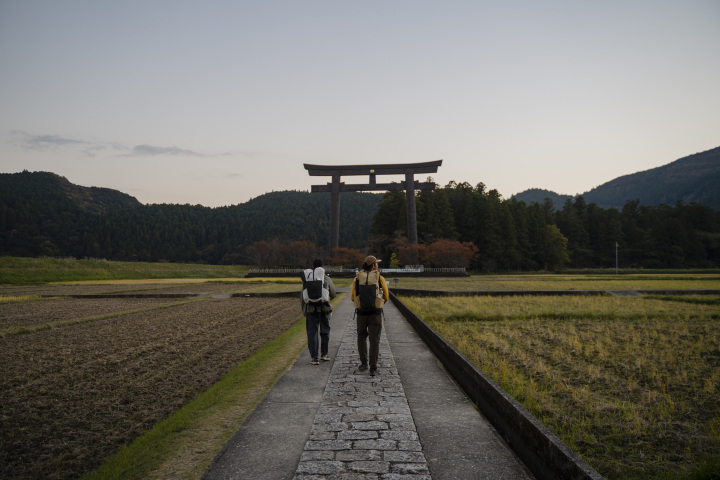
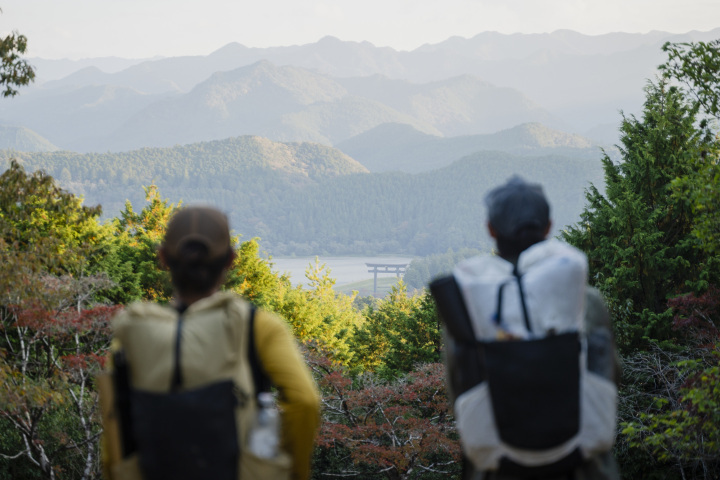
There is a viewpoint along the trail from Fushiogami-oji to Haraido-oji. A short side trail leads to a view of Oyunohara and the giant Torii gateway
Haraido-oji
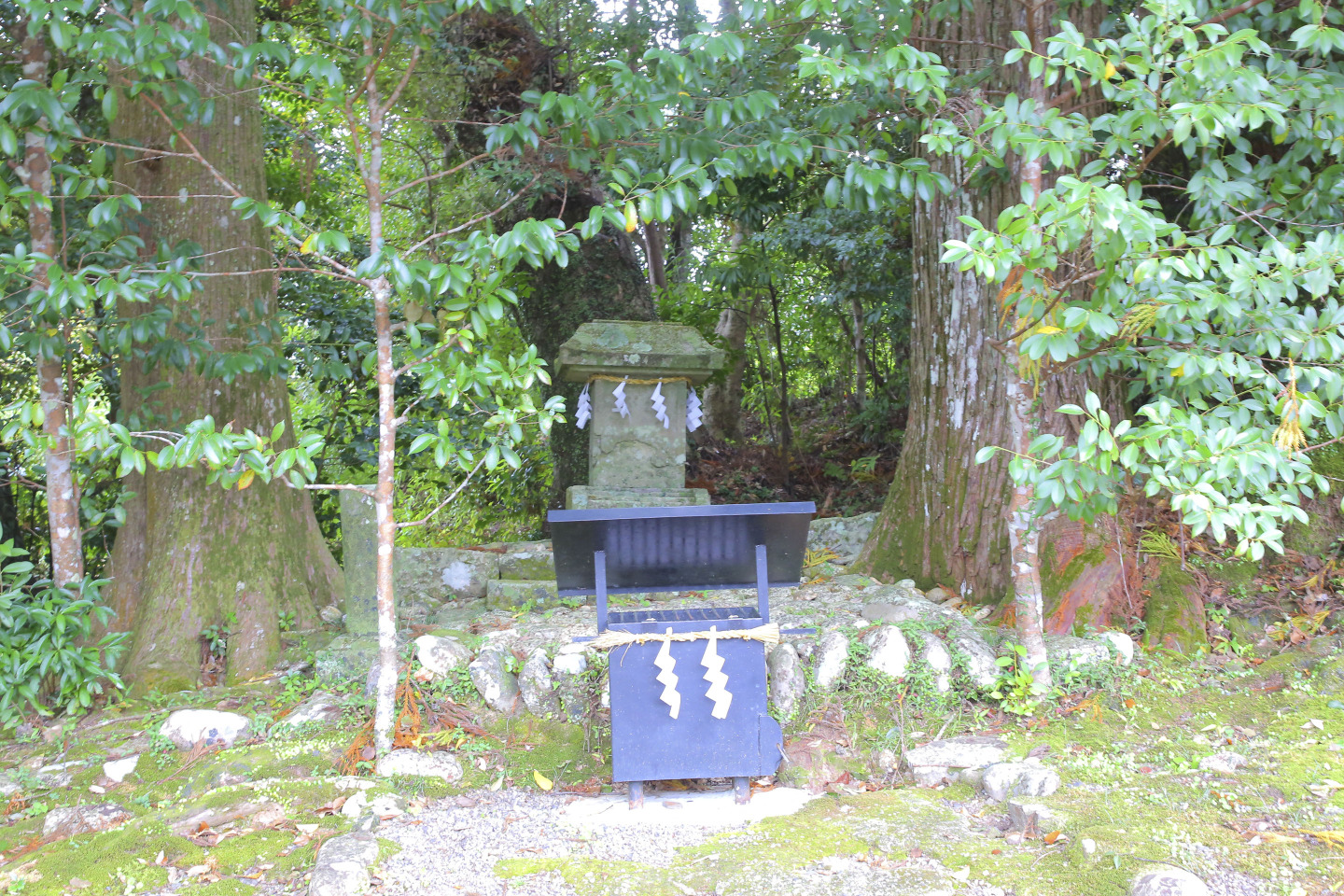
Haraido-oji is the final oji shrine before reaching Kumano Hongu Taisha.
It is said that pilgrims stopped here to cleanse themselves and remove the impurities of their journey. They then prepared themselves spiritually before approaching the sacred area of Kumano Hongu Taisha.
Kumano Hongu Taisha Grand Shrine
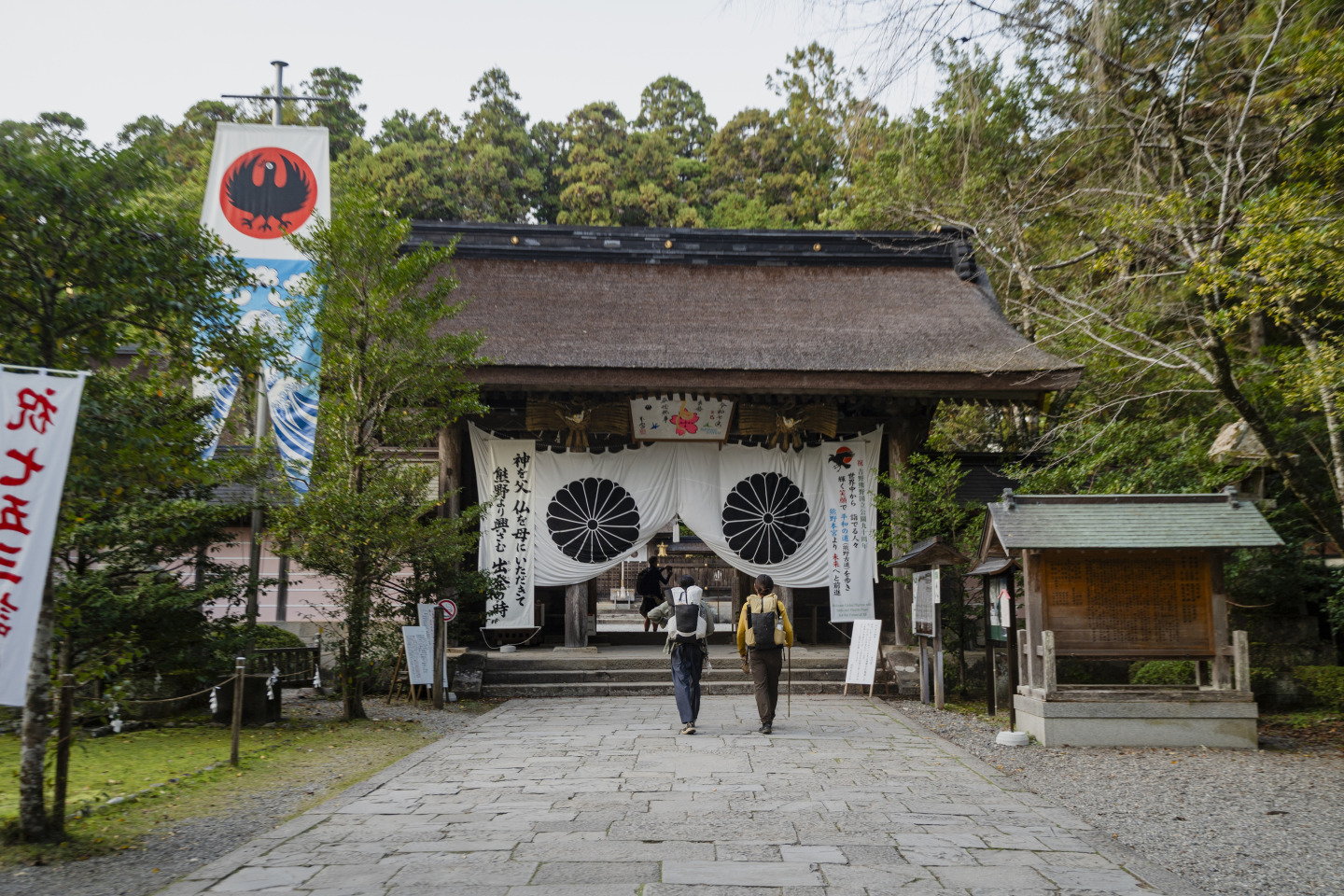
Kumano Hongu Taisha is one of the Kumano Sanzan shrines and a holy place that has been visited by many people since the Heian period. The beautiful main shrine buildings with a cypress bark roof create a solemn atmosphere. Until 1889, when there was a severe flood, these shrine buildings were located at Oyunohara, which is home to an impressive torii gate that is the largest in Japan.
- Address
- 田辺市本宮町本宮1110
- Telephone Number
- +81-(0)735-42-0009
Wakayama Prefecture World Heritage Center
A facility where you can learn more about the Sacred Sites and Pilgrimage Routes in the Kii Mountain Range
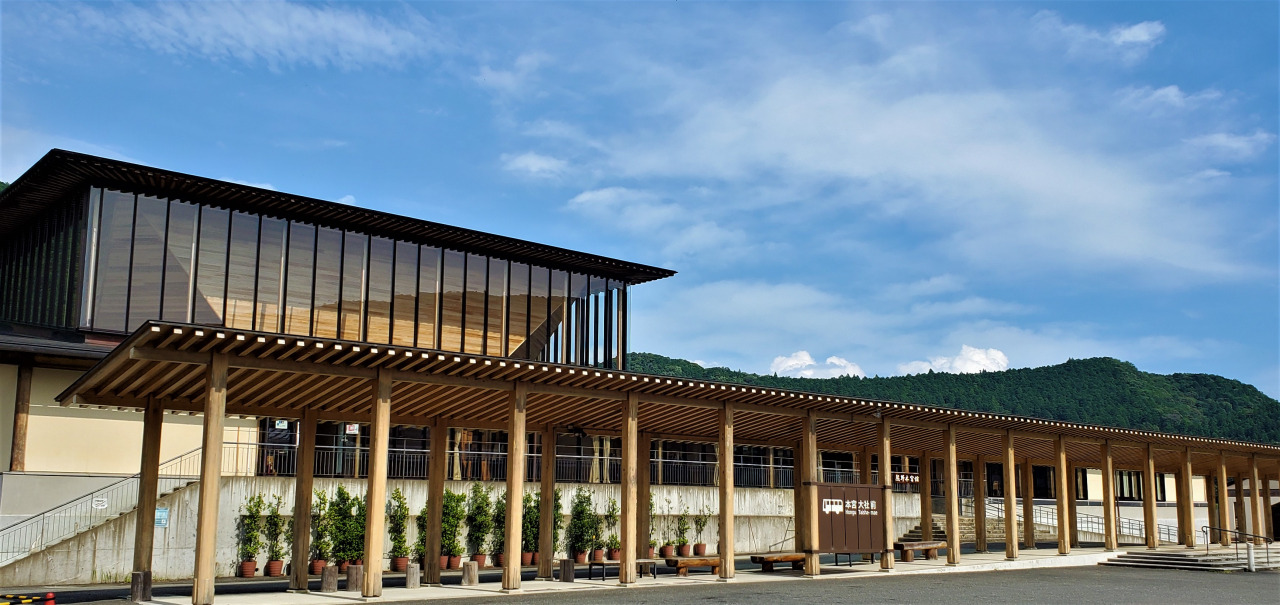
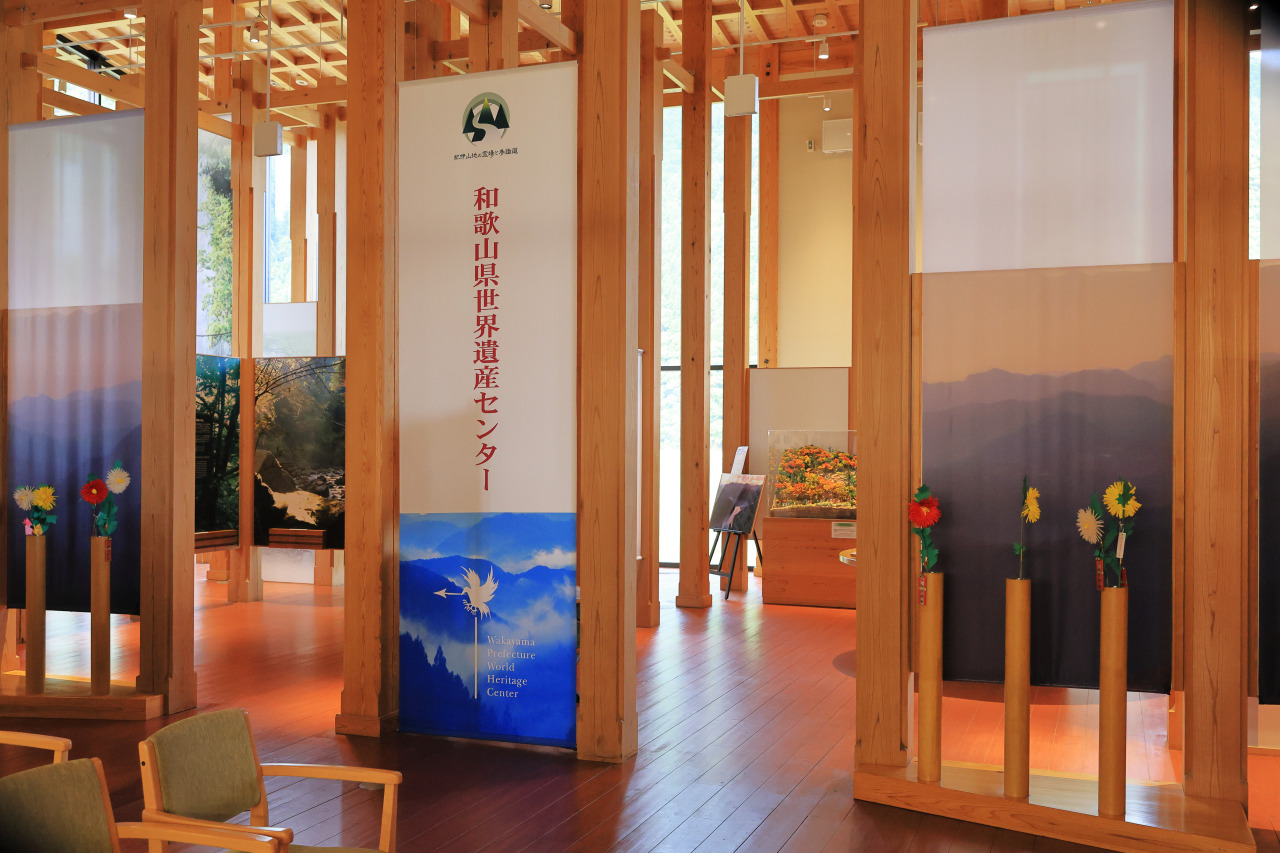
Located near Kumano Hongu Taisha, this facility provides detailed information about the UNESCO World Heritage site “Sacred Sites and Pilgrimage Routes in the Kii Mountain Range.”
The exhibition area makes extensive use of locally produced Kishu timber. Its design is inspired by a cedar forest and expresses the natural beauty of the Koya and Kumano areas. Using satellite maps that provide an overview of the entire region, the facility presents the attractions of the Kumano Sanzan, Mount Koya, and the pilgrimage routes in one place.
In the community space, visitors can enjoy powerful videos shown on three 60-inch screens. These videos introduce the World Heritage site and the many attractions of Wakayama Prefecture.
The facility also hosts a variety of events, making it an excellent place to gather detailed information and learn more about the Sacred Sites and Pilgrimage Routes in the Kii Mountain Range.
Oyunohara
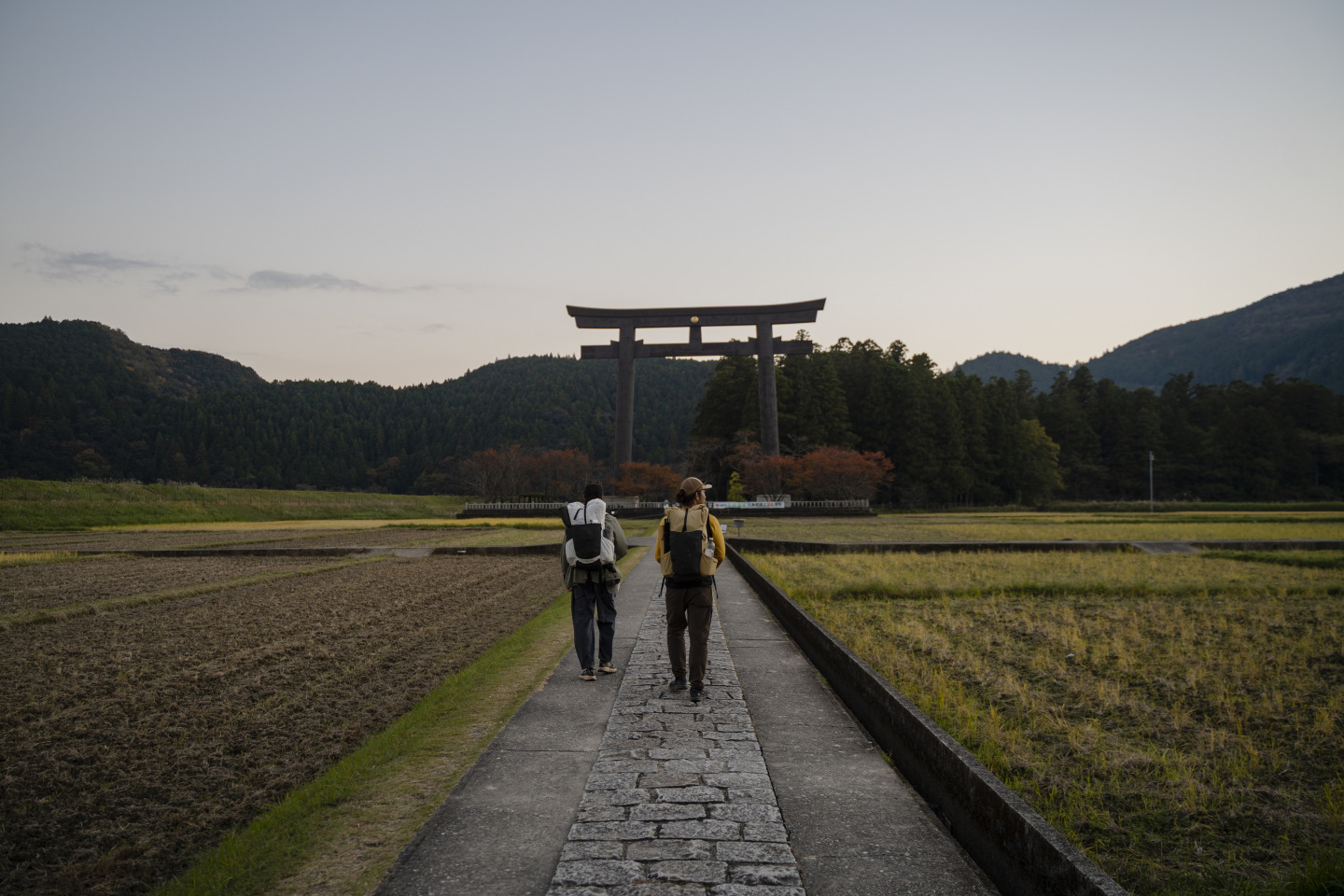
Oyunohara was the original site of Kumano Hongu Taisha until a major flood in 1889. It is said to be the place where the gods descended, and in recent years it has become a popular spiritual power spot.
The giant torii gate, a symbol of Oyunohara, is an impressive sight. It stands approximately 34 meters high and 42 meters wide.
Tonight’s Accommodation
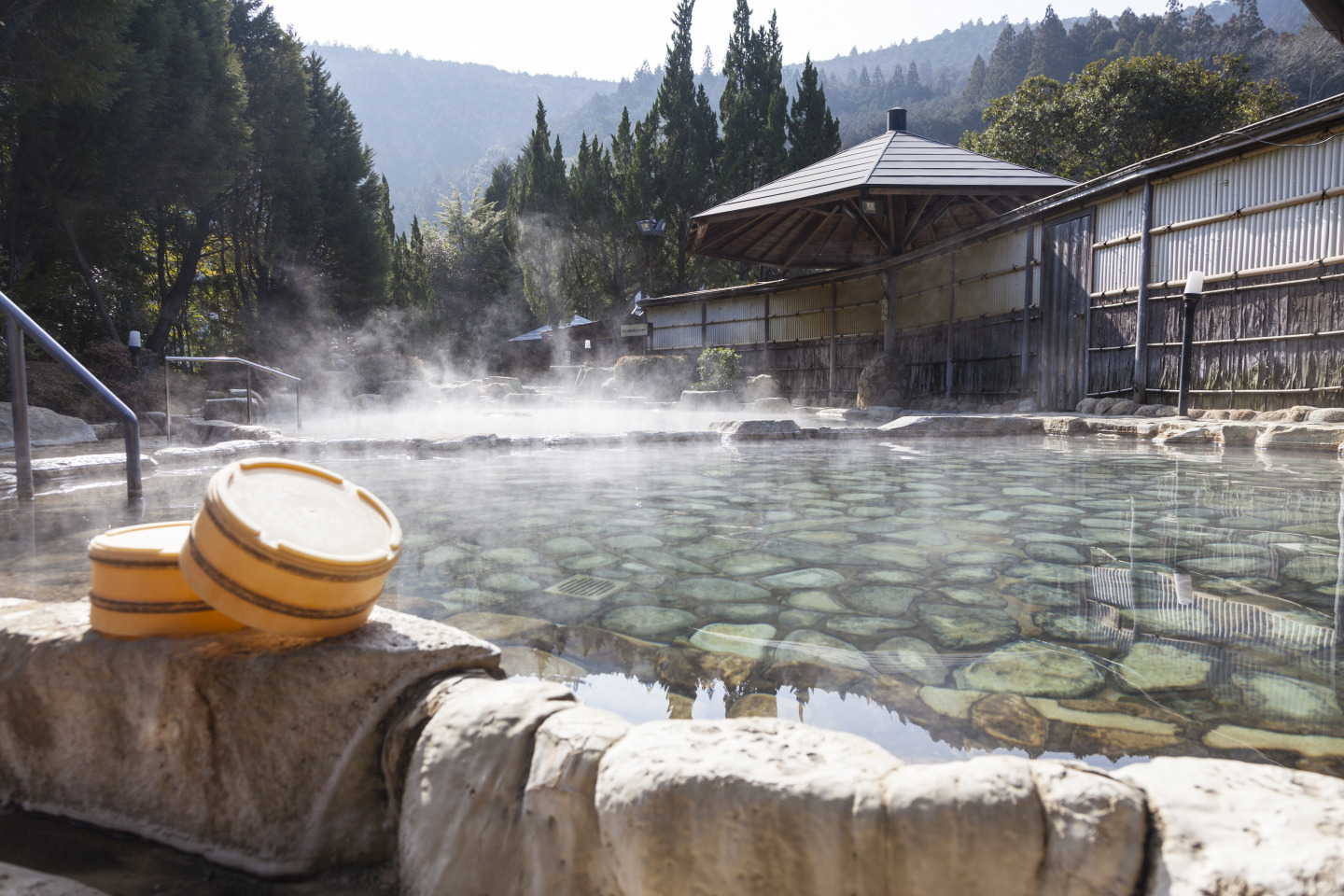
Near Kumano Hongu Taisha, you will find three unique hot spring areas, each with its own distinctive atmosphere and accommodations: Yunomine Onsen, Kawayu Onsen, and Wataze Onsen.
Be sure to check the route for the following day as well!
- View the route for the following day
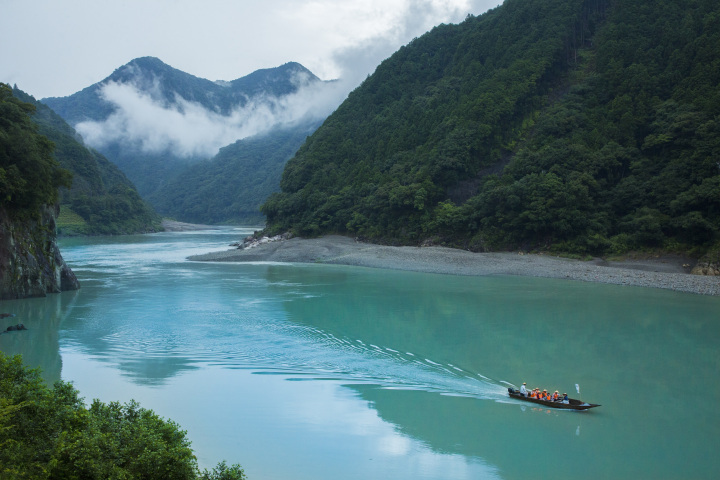
- View more
Column
For more information about Kawayu Onsen
Kawayu Onsen is a unique hot spring resort surrounded by nature, famed as one of the only places in Japan where a visitor can dig their own hot spring pool in the riverbed. Every season has its own delights, and the area features historic hikes on the Kumano Kodo and shrines that have drawn worshippers for centuries or millennia. It is a place chock-full of refreshing spots for walks or cultural experiences in the middle of nature. You deserve your own special experience at Kawayu Onsen.